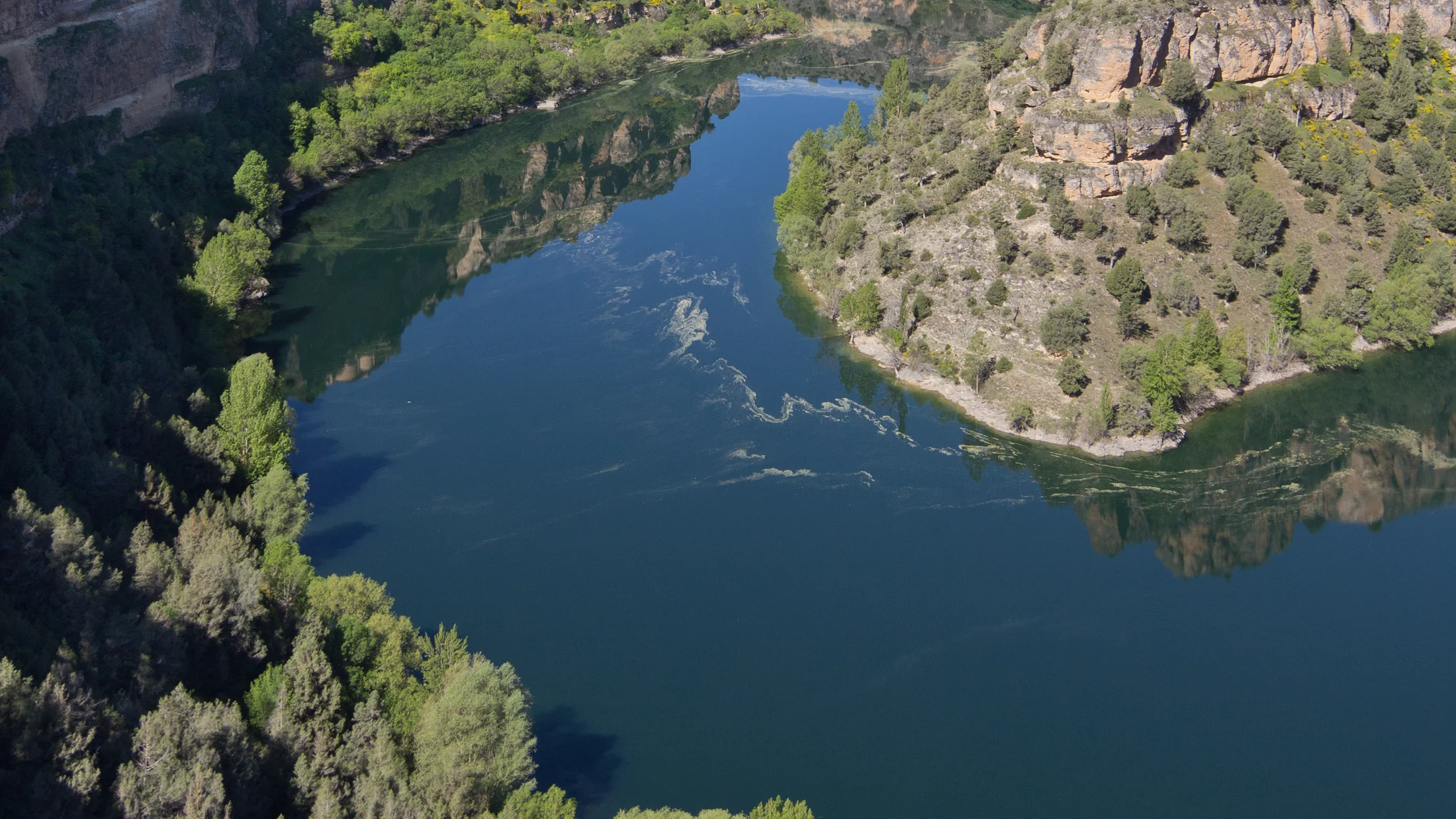
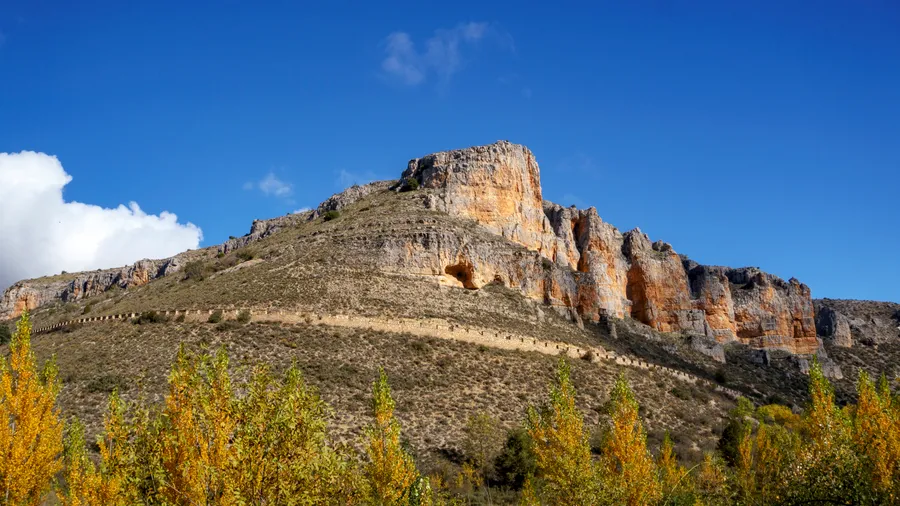
The Hoces del Río Duratón Natural Park protects one of the deepest river canyons on the Castilian plateau. The Duratón river, a tributary of the Duero, has cut through Cretaceous limestone over millions of years to form a gorge reaching over 100 metres in depth, with near-vertical walls that host a griffon vulture colony of more than 300 pairs. The park covers around 5,037 hectares in the province of Segovia, between the municipalities of Sepúlveda and Burgomillodo, and was declared a natural park in 1985.
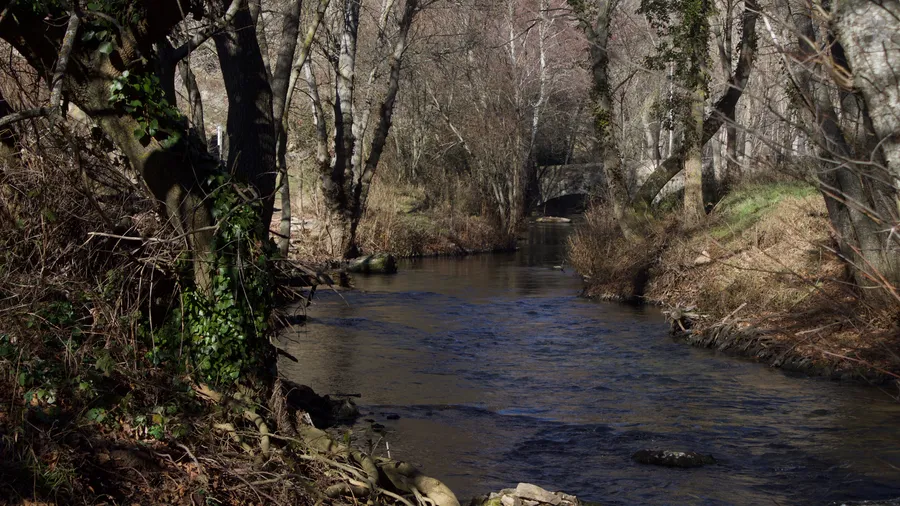
Kayaking or canoeing through the gorge is the activity that best conveys the scale of the canyon. From the water, with vulture columns circling against the skyline above, the sense of being inside an active geological structure is far more immediate than from the cliff tops. The river runs gently along most of its course, making the descent accessible to people without prior paddling experience. The main launch and take-out points are at the Burgomillodo reservoir and the recreational area near the Puente de la Fuentona.
The park's wildlife is dominated by cliff-nesting birds. Beyond the griffon vulture colony — one of the most significant on the Iberian Peninsula — Egyptian vultures, peregrine falcons and various corvid species are regularly recorded. On the valley floor, beneath willows, ash and poplar, brown trout and otter inhabit the river. On the plateau above the gorge, holm oaks and junipers — the latter particularly abundant in the Sepúlveda area — give the landscape a drier, more austere character.
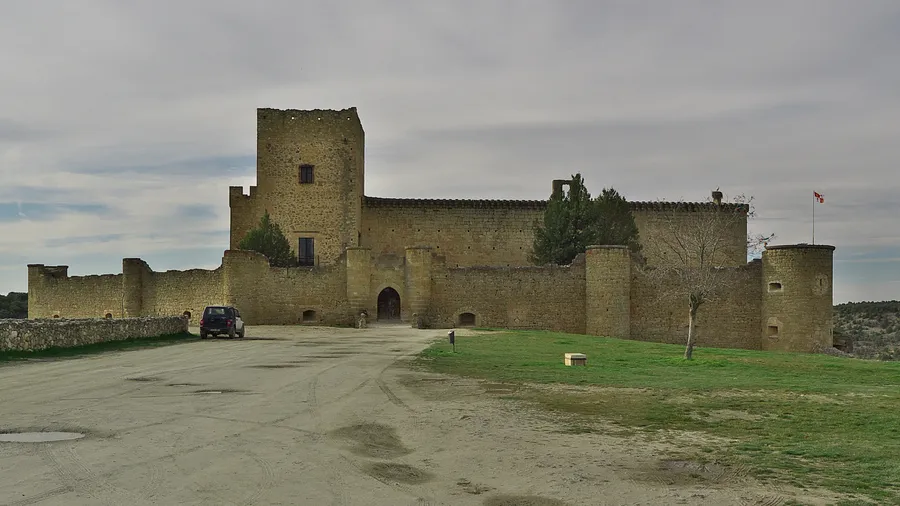
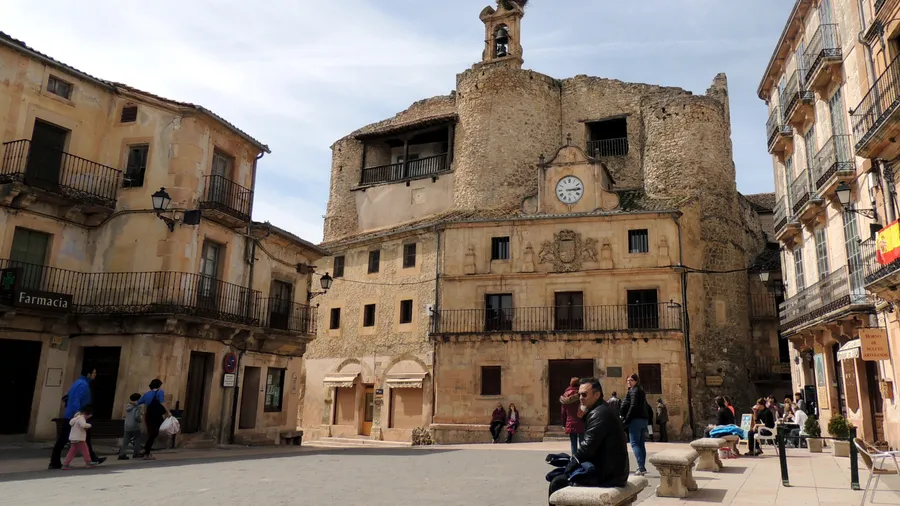
Sepúlveda, the nearest medieval town to the park, holds a declared status as a historic-artistic ensemble. Its 11th-century walls, five Romanesque churches and medieval street plan survive largely intact. The local gastronomy centres on roast suckling lamb cooked in wood-fired ovens, a practice with centuries of history in this part of Castile. Combining a day on the river with a visit to Sepúlveda gives the most complete picture of the territory.
Access is mainly from Sepúlveda, around 110 km north of Madrid via the N-110 or the AP-1 motorway. No regular public transport serves the launch points, so a car is the standard option. Local activity companies manage kayak and canoe hire with drop-off pick-up included. The best period for river descents runs from April to September. Autumn adds the bonus of riverside vegetation in gold and amber tones contrasting with the grey limestone walls.