The southern coast of Tenerife stretches from the municipality of Adeje to Punta de Abona, covering the flank of the island sheltered from the trade winds by the bulk of Mount Teide. It is, therefore, Tenerife's sunniest strip: over 3,000 hours of sunshine a year and rainfall rarely exceeding 150 millimetres. While the north of the island wraps itself in cloud, the sky here is usually an unbroken blue, and sea temperature stays between 20 and 24 degrees year-round thanks to the warm Canary Current.
But the southern coast is far more than sun and sand. Off Los Gigantes, the cliffs drop five hundred metres vertically into the sea, forming one of Europe's tallest coastal walls. From the port of Los Cristianos or from Costa Adeje, boats depart daily for whale watching: the channel separating Tenerife from La Gomera is home to a resident population of short-finned pilot whales and bottlenose dolphins — according to data from the CETAB project at the University of La Laguna, over 400 individual pilot whales have been identified in this area, making it one of the few places in the world where these animals can be observed year-round.
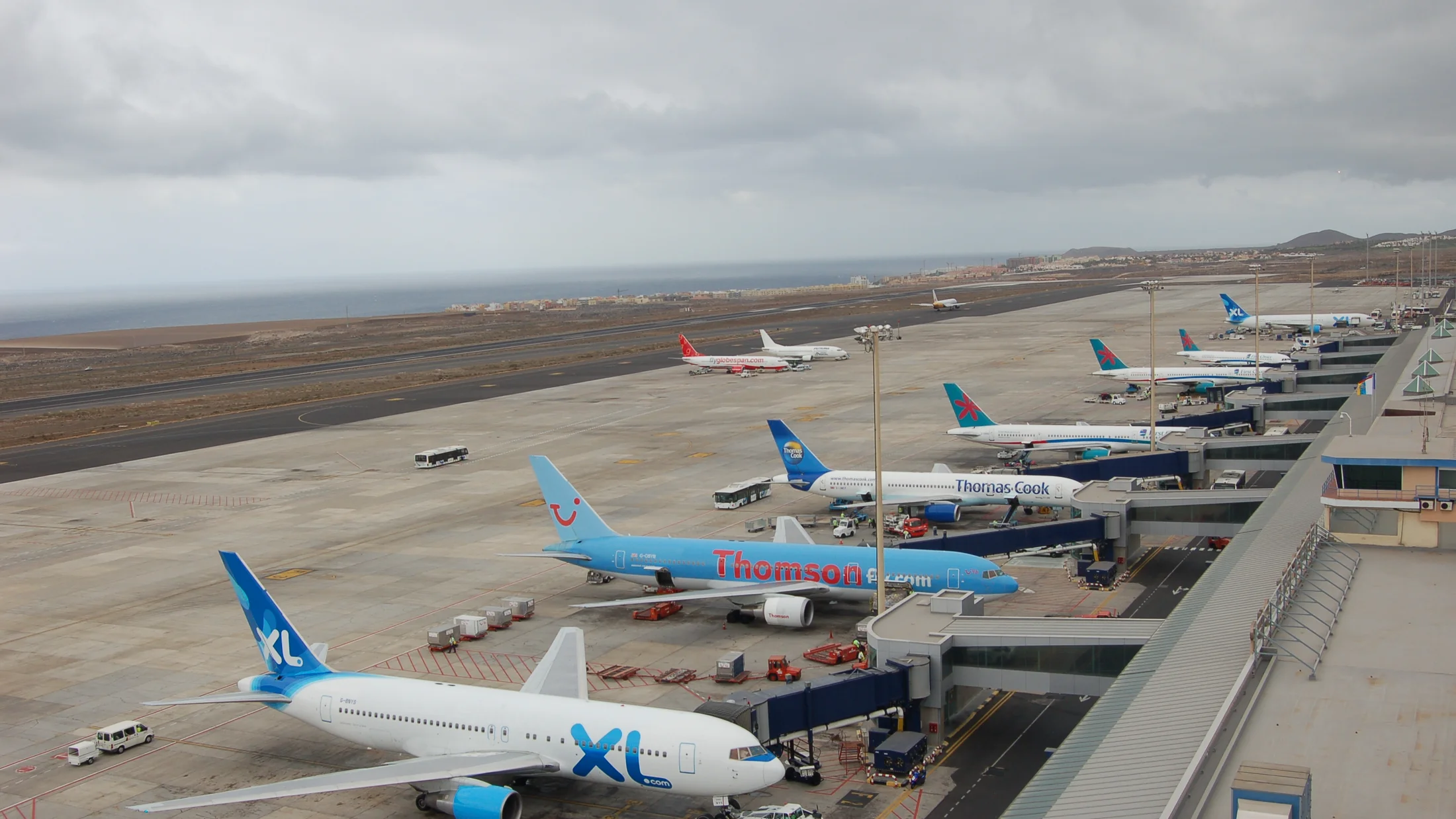
The beaches vary along the coast. In Adeje and Arona, golden-sand beaches built with imported sand (Las Américas, Los Cristianos, El Camisón) are backed by promenades, hotels and restaurants. Further south, in Granadilla and Arico, the landscape shifts dramatically: the coast turns rocky and wild, with volcanic coves such as Playa de la Tejita at the foot of Montaña Roja, a protected volcanic cone that separates the beach from the airport. It is one of the Canaries' best spots for windsurfing and kitesurfing, where the offshore breeze blows with almost mathematical regularity.
The hinterland just behind the southern coast holds surprises. The Barranco del Infierno (Adeje) and Masca gorge (on the edge of the Teno massif) offer two of the island's most spectacular hiking routes. Barranco del Infierno is a regulated trail ending at a hundred-metre waterfall, while Masca descends through a narrow canyon to an isolated beach reachable only on foot or by boat. Both routes require advance booking.
Farming traditions live on in the municipalities of San Miguel, Vilaflor and Granadilla, where listán negro vines grow in volcanic soil above a thousand metres, producing wines with the Abona designation of origin and a distinctive mineral character. Local wineries offer visits and tastings that reveal a side of Tenerife far removed from the usual beach image.
For those seeking water sports, the range is broad: from spotting sea turtles off Los Cristianos to diving in the waters of Palm-Mar, where seagrass beds and submerged lava formations shelter manta rays, stingrays and shoals of white seabream. The marinas at Las Galletas and San Miguel are departure points for catamaran trips, sport fishing and kayak routes along the coast.
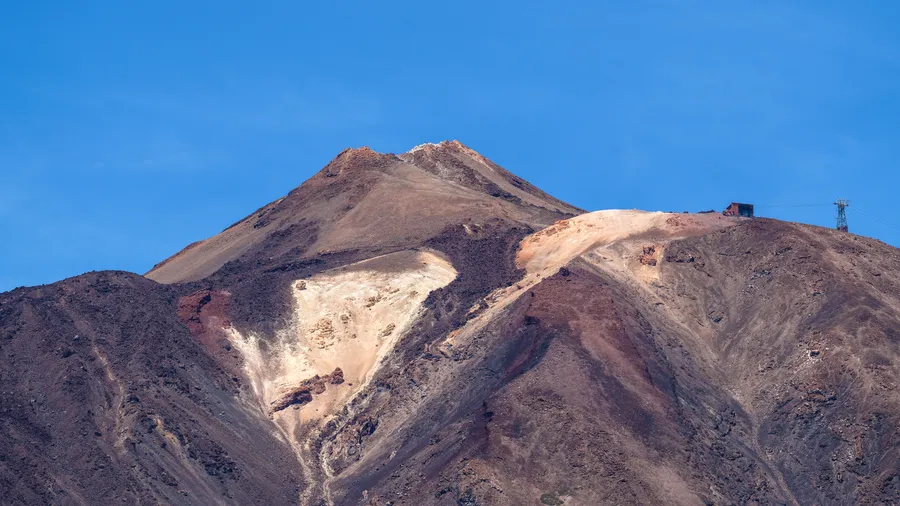
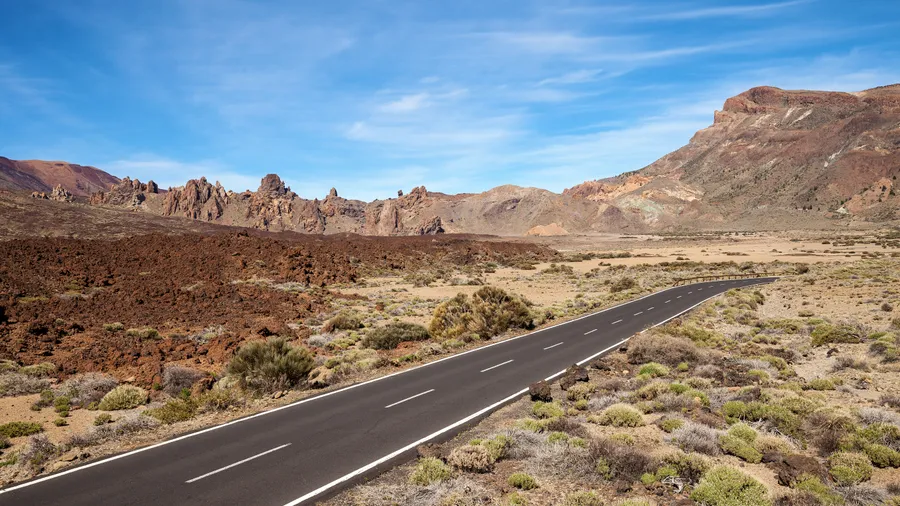
Tenerife's southern coast serves as the gateway for many visitors, but treating it merely as a resort is a mistake. A few kilometres from the promenade you will find breathtaking cliffs, volcanic calderas, centuries-old vineyards and an ocean that is home to entire families of cetaceans. It is the Tenerife that combines the comfort of fine weather with the thrill of a landscape that has not yet finished revealing itself.