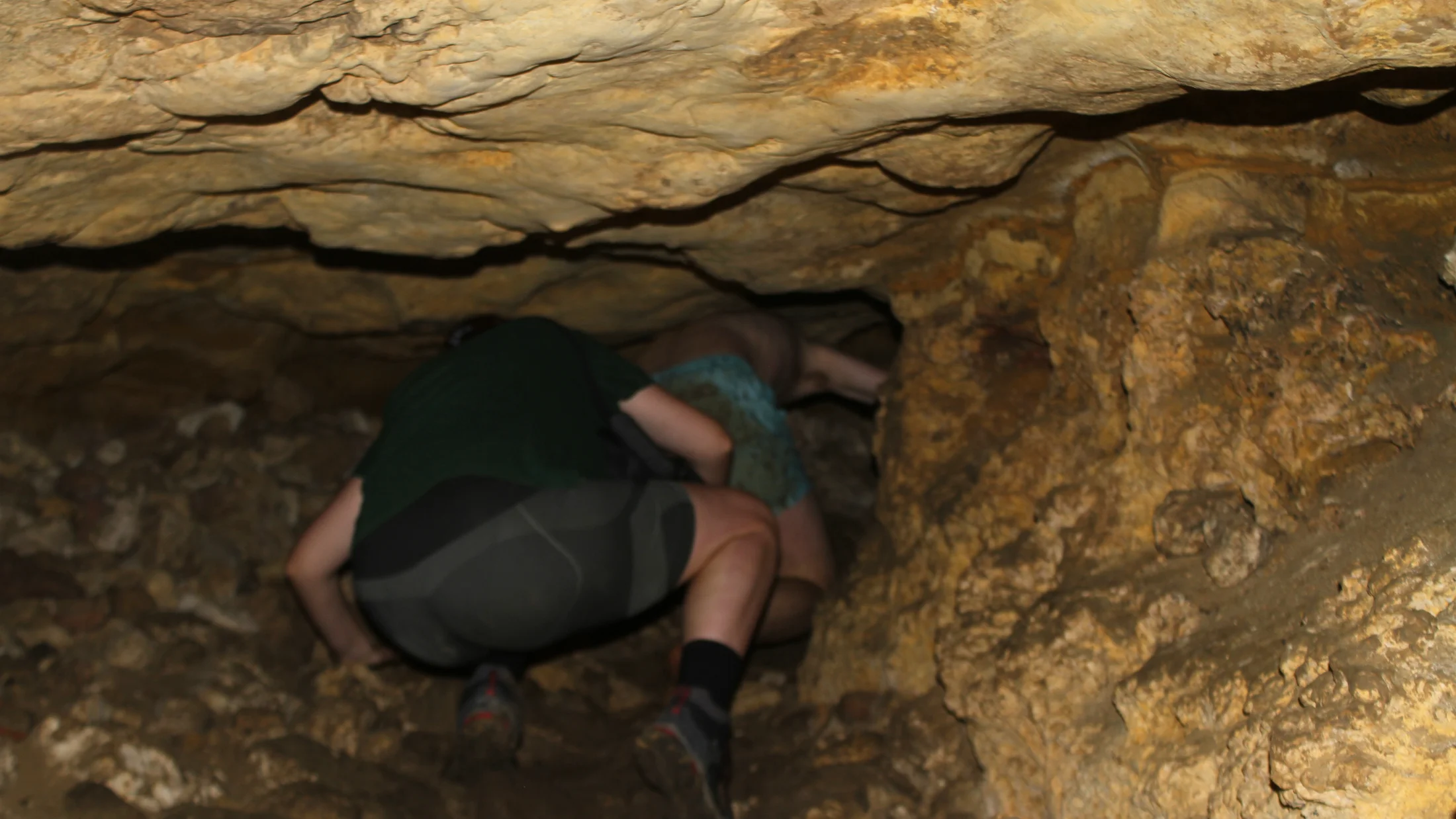
Caving in Spain: Where Beginners Can Start
Spain’s underground is varied, well-mapped, and welcoming to first-timers. If you’re curious about caving Spain without specialist skills, this guide shortlists ten easy-access systems where safety and interpretation come first. Imagine stepping from bright scrubland into cool rock silence as your headlamp catches the first glint of calcite.
We focused on beginner-friendly spaces that balance discovery with oversight. Each pick scored well on guided options, clear access, basic infrastructure, geological interest, availability of intro routes, and fair value. You’ll see stalactite cathedrals in Andalusia, lava tubes in the Canary Islands, river caves in Valencia, and grand galleries in Cantabria. Across regions with strong caving traditions—Andalucía, Cantabria, Mallorca, the Canaries, Castilla y León, and the Valencian Community—local communities maintain paths, run visitor centers, and keep stories alive. For clarity, we distinguish show caves (built paths, lighting) from entry-level “adventure” circuits where small groups progress with a guide and basic gear. As in any espeleología España plan, we recommend starting with guided formats before moving toward sport caving.
What you’ll learn here
- How to pick a first outing that matches your fitness, time, and curiosity.
- Ten beginner caves Spain options with essentials: location, how to get there, indicative prices, duration, best season, difficulty, and who they suit.
- A quick comparison and a map concept to plan routes by region and level.
- Practical steps for cave safety Spain: gear, etiquette, permits, and insurance.
- Where to find guided cave tours Spain and clubs that train newcomers.
You’ll leave ready to choose, book, and explore at your own pace, with one simple image in mind: a steady beam of light, a calm breath, and rock that took millennia to grow.
Picuco te puede ayudar
Does something here catch your eye?
Tell us.
Write to us on WhatsApp or email: we answer questions, find the best options and help you sort out the booking.
What Recreational Caving Involves and Beginner Levels
Recreational caving means entering natural cavities for discovery, not for research or competition. Scientific caving documents geology, hydrology, or archaeology; sport caving focuses on technical progression (vertical pitches, rope work). Recreational formats prioritize interpretation, short durations, and safety, often inside show caves or easy wild sections. Picture soft drip sounds in the dark, a reminder that patience makes limestone sculpt.
Difficulty typically follows three steps:
- Initiation: walkways or simple uneven floors, short squeezes, and low light. No ropes, helmets sometimes provided.
- Intermediate: narrow passages, small scrambles, occasional crawling, basic rope practice with a guide.
- Advanced: vertical pitches, abseils, cold water, and route-finding.
For caving for beginners Spain, expect 45–120 minutes underground plus briefing time. Groups stay small (often 10–20 on show routes; 6–10 on adventure circuits) with a trained guide who sets pace and checks comfort. Standard rules include closed footwear, no touching formations, and keeping three points of contact through steps or boulders. Lava tubes (common in the Canaries) involve firm basalt, rounded “benches,” and fewer formations; limestone systems (mainland and Balearics) display speleothems—stalactites, stalagmites, and flowstone—requiring extra care not to brush soft calcite. Local operators and public cave managers typically offer both tourist tours and add-on intro circuits, so you can choose your level in the same site.
Essential Gear, Safety, and Rules
Start light but smart. Minimum kit for an intro outing includes:
- Helmet with mounted headlamp (many operators provide this).
- Backup light (small torch), plus fresh batteries.
- Footwear with good grip (approach shoes or sturdy trainers).
- Comfortable layers: long sleeves and trousers you can get dusty.
- Thin gloves for grip and warmth; small backpack for water and snack.
Basic cave safety Spain principles help keep the day smooth:
- Plan and tell someone your route and timing, even on guided visits.
- Check health limits; avoid if you have unstable ankles, severe claustrophobia, or heart issues.
- Stay with the group, step carefully, and keep hands off formations to protect calcite.
- Carry water, but pack out all waste; never leave markers unless authorized.
Know the rules. Some cavities need permits; many sit in protected areas (Natura 2000 sites, natural parks) or hold cultural heritage (palaeolithic art) with strict conservation. Only enter wild caves with a qualified guide or after club training; never go alone. Consider personal accident insurance—regional speleology federations often include it with membership—and ask any operator about coverage and certifications. If in doubt, choose guided cave tours Spain for your first steps, then build skills through a club before attempting independent sport routes.
Good to know
Touching calcite halts growth; a fingerprint’s oils can scar it for centuries. Keep a safe distance and use photos instead.
10 Cave Systems To Start Your Underground Exploration
1.Cueva de Nerja: classic show cave with first-step options
At Maro (Nerja, Málaga), Cueva de Nerja offers a broad tourist route plus occasional interpreted visits ideal for newcomers. Reach it via the A-7 (exit 295) and local signs; on-site parking is available. Expect 45–60 minutes on the show path; indicative adult tickets run around 15–20 € (confirm on the official site). The air is cool and still, as if the mountain itself were holding its breath.
Why it works for beginners:
- Wide walkways, stairs with railings, and clear lighting.
- Immense halls—like the Sala del Cataclismo—and lush stalactites/stalagmites for easy visual learning.
- Seasonal special tours add context without technical demands.
When to go: year-round; arrive early in summer. Difficulty: initiation (show cave). Good for families, first-timers, and mixed groups. Practical tips:
- Book ahead in peak months.
- Wear good shoes; floors can be slightly damp.
- For local espeleología España style “taster” outings in the Axarquía, search for certified providers through regional directories or check activity listings on Picuco to compare formats and prices without naming brands.
2.Cuevas del Drach: underground lake and musical pause
In Porto Cristo (Mallorca), the Drach complex showcases Lake Martel and a short classical music performance. Access via Ma-4020; parking is signposted. Standard visits last about 60 minutes with steps and seating by the lake; tickets often range 16–21 € for adults (check current rates). The faint echo of strings over water feels like a whisper from the rock.
Why it’s beginner-friendly:
- Fully guided, timed entries with clear flow and staff support.
- Gentle pace suits families and first-time spelunking Spain plans.
- Minimal technical challenge and reliable infrastructure.
Best season: spring and autumn for fewer crowds. Difficulty: initiation (show cave). Ideal for families, school groups, and travelers who want beauty without gear. Tips:
- Reserve online; slots sell out fast in high season.
- Expect stable temperatures near 18–20°C; bring a light layer.
- For more hands-on beginner caves Spain on the island, look for short interpretive routes in karstic zones through local nature centers.
3.El Soplao: dazzling formations and intro adventure circuits
Near Rionansa and Valdáliga (Cantabria), El Soplao is renowned for its helictites and eccentric speleothems. Arrive from the A-8 to CA-181; mountain parking is signposted. The tourist tour runs ~60 minutes; adventure circuits typically 2–2.5 hours with overalls and helmets provided; prices often sit around 13–20 € (tour) and 35–50 € (adventure), subject to season. The scent of damp limestone and distant drips anchors your steps.
Why it’s good for caving for beginners Spain:
- Choose your level in one site: walkway tour or guided “initiation” sections with small scrambles.
- Strong geological interpretation highlights rare formations.
- Clear safety briefings and group management.
Best time: late spring to early autumn for mountain driving comfort. Difficulty: initiation to lower-intermediate (adventure). Suitable for adults, older kids (check age limits), and curious photographers. Tips:
- Book adventure slots in advance; limited daily capacity.
- Wear wool or synthetic layers for comfort under provided suits.
- Verify weather on approach; roads can be foggy.
4.Cueva del Viento: guided exploration of a lava tube
Above Icod de los Vinos (Tenerife), Cueva del Viento is one of the world’s largest lava tubes. Access via TF-5, then local roads to the visitor center where guided-only tours depart. Expect 2.5 hours total (including approach walk), with underground time ~60–90 minutes; adult prices commonly around 20–25 € (confirm locally). Basalt walls swallow sound, turning your headlamp’s cone into a private stage.
Why it’s ideal as cuevas para iniciarse in volcanic terrain:
- Firm, non-slippery basalt floors in many sections, with moderate stooping.
- Small-group, interpretation-heavy visits; helmets and lamps included.
- Clear requirements: basic fitness, closed shoes, and no large bags.
Season: year-round; mornings are cooler. Difficulty: initiation (lava tube). For who: nature learners, photographers, and families with older children. Practical:
- Arrive early for parking and briefing.
- Respect endemic cave fauna and microclimate rules.
- Explore nearby Malpaís landscapes to understand lava flow origins; many routes are short, signed
SLfootpaths.
5.Cueva de Valporquero: accessible walkways and stepping-stone adventure
In Vegacervera (León), Valporquero’s show route threads grand halls, while separate guided circuits follow the underground river for those ready to progress. Drive the LE-311 through the Hoces de Vegacervera gorge; parking and services sit at the entrance. Show visits last 60–90 minutes (roughly 6–12 € adults, route-dependent); adventure outings run 3–4.5 hours via specialized teams, often 50–80 € p.p. The cool air carries a faint mineral tang after the sun of the gorge.
Beginner benefits:
- Choose a simple walkway first, then book an “initiation” river route later.
- Strong signage and interpretation in the show cave.
- Seasonal opening calendar; spring to autumn is common.
Difficulty: initiation (show) to intermediate (adventure). Ideal for adults and confident teens. Tips:
- Check seasonal schedules; winter closures can apply.
- Bring warm layers; temperatures hover near 7–10°C.
- In adventure mode, confirm guide ratios, insurance, and provided gear; stay within comfort limits and exit options.
6.Gruta de las Maravillas: museum-like cave with easy access
Under Aracena (Huelva), the Gruta de las Maravillas is a classic show cave in the Sierra de Aracena. Reach it via N-433 from Sevilla or A-66 then N-433 through rolling dehesa landscapes. Guided tours run ~45–60 minutes; adult prices typically 10–14 € (verify current tariffs). Light glints on tranquil pools like polished steel.
Why it suits first-timers:
- Paved sections, consistent lighting, and handrails reduce stress.
- Tight conservation protocol models best practices.
- Medieval town setting makes logistics simple: cafés, bakeries, and local jamón culture enrich the day.
Best time: weekdays outside holidays; mornings are quieter. Difficulty: initiation (show cave). Good for families, casual explorers, and heritage lovers. Plan:
- Pre-book on busy weekends.
- Wear non-slip shoes; some areas can be damp.
- Combine with short walks in the Sierra or a visit to Aracena Castle to round out a gentle rural escape.
7.Cueva de la Pileta: rock art focus with guided interpretation
Near Benaoján (Málaga), Cueva de la Pileta protects significant prehistoric paintings. Access via the MA-8401 mountain road; parking is limited. Guided tours by lamplight last ~60 minutes; adult fees commonly around 10–12 € (cash often preferred). The smell of smoke from guide lamps mixes with cool cave air, timeless and simple.
For beginners with a cultural angle:
- Interpretation centers on Paleolithic art and conservation, not athletic challenge.
- Uneven floors and stairways require steady feet but no ropes.
- Strict rules protect art: no photos, no touching, capped group sizes.
Season: year-round with variable schedules; call ahead. Difficulty: initiation with uneven terrain. Ideal for history-minded adults and teens. Tips:
- Bring a light jacket; temperatures stay cool.
- Manage expectations: this is a heritage visit, not a sport circuit.
- Respect conservation protocols; they safeguard irreplaceable community heritage.
8.Cova de Sant Josep: tranquil boat ride on an underground river
In La Vall d’Uixó (Castellón), Cova de Sant Josep features what local sources call Europe’s longest navigable underground river. Access via CV-230; ample parking and visitor services are on site. Standard tours last about 45 minutes, part by boat and part on foot; adult tickets often 12–15 € (check current). Oar strokes echo softly, and the river’s breath feels like cool tea steam.
Why it’s among the best caves to explore Spain for beginners:
- Stable boats, life jackets for children, and trained boatmen minimize stress.
- Near-constant ~20°C makes it comfortable year-round.
- Clear signage and timing suit families and mixed-age groups.
Difficulty: initiation (cuevas accesibles España). Ideal for families, school groups, and mobility-limited visitors who can manage short walks and steps to boats. Practical:
- Reserve weekends and holidays in advance.
- Arrive 20–30 minutes early for slot management.
- Combine with short hikes in the Sierra de Espadán foothills.
9.Cueva de Canelobre: cathedral-like vault with straightforward logistics
Above Busot (Alicante), Canelobre opens into a vast vault reminiscent of a Gothic nave. Drive via CV-776; parking sits by the entrance. Guided or self-paced visits take 40–50 minutes; adult prices typically 8–10 € (verify). Voices drift upward and vanish, swallowed by the great dome.
Beginner advantages:
- Wide stairs and railings, steady lighting, and an intuitive route.
- Dramatic scale calms claustrophobia for many newcomers.
- Close to coastal towns, making a simple half-day plan.
Best time: shoulder seasons; afternoons can be quieter. Difficulty: initiation (show cave). Good for first-time spelunking Spain, casual photographers, and couples on a short drive. Tips:
- Pair with an easy path on the slopes of Cabeçó d’Or for a full day outdoors.
- Dress for mild coolness underground; summer outside can be hot.
- Check for occasional events that may affect opening hours.
10.Cueva de los Verdes: guided walk through Lanzarote’s lava
In northern Lanzarote (Haría), Cueva de los Verdes forms part of a large lava tube system connected to Jameos del Agua. Reach it via LZ-1 toward Punta Mujeres; parking and a visitor center are provided. Guided tours are ~50 minutes; adult tickets often 10–12 € (confirm). The rock’s rust-red hues glow under soft lights like embers under ash.
Why it fits caving for beginners Spain:
- Short, guided-only route with clear briefings and manageable steps.
- Consistent temperatures and solid footing in basalt.
- A memorable optical “surprise” at the end delights first-timers.
Season: year-round; mornings are less crowded. Difficulty: initiation (lava tube). For who: first-time visitors to volcanic islands, families, and culture-nature mix travelers. Practical:
- Buy tickets early in peak months or consider combined options with other island attractions.
- Wear closed shoes; avoid bulky bags.
- For more hands-on routes in volcanic terrain, search for “intro lava tube tours” via island visitor centers or compare options on Picuco.
Interactive Map: See Where Each Cave Is
A helpful planning map would place pins for all ten caves, colored by difficulty: green for show caves (initiation), amber for intro-adventure circuits, and blue for mixed sites. Filters could sort by region (Andalucía, Cantabria, Castilla y León, Comunitat Valenciana, Balearic Islands, Canary Islands), access type (show cave, guided circuit, adventure), duration, and indicative price. Each pin opens a card with essentials—how to reach via roads like A-7, CA-181, or LZ-1, typical time, who it suits, and “what to bring.” Picture a clean legend using icons: a stroller (family-friendly), a wheelchair (access notes), a helmet (adventure). Add alt text such as “Map of beginner-friendly caves across Spain with route filters” for accessibility. This keeps first-time planners oriented at a glance and reduces surprises on the day.
Quick Comparison: Level, Access, Duration, and Cost
Use this snapshot to match your time, comfort, and budget. Values are indicative; always confirm on official sites or with operators.
| Cave | Region | Level | Access type | Typical duration | Approx. cost (adult) | Family/PMR notes |
|---|---|---|---|---|---|---|
| Cueva de Nerja | Andalucía | Initiation | Show cave | 45–60 min | 15–20 € | Family-friendly; stairs present |
| Cuevas del Drach | Balearic Islands | Initiation | Show cave (guided) | ~60 min | 16–21 € | Good for families; steps, seating |
| El Soplao | Cantabria | Initiation–Interm. | Show + guided adventure | 60–150 min | 13–50 € | Adventure has age/fitness limits |
| Cueva del Viento | Canary Islands | Initiation | Guided lava tube | 60–90 min (2.5 h total) | 20–25 € | Small groups; stooping sections |
| Cueva de Valporquero | Castilla y León | Initiation–Interm. | Show + river adventure | 60–270 min | 6–80 € | Adventure seasonal; cold water |
| Gruta de las Maravillas | Andalucía | Initiation | Show cave (guided) | 45–60 min | 10–14 € | Family-friendly; damp floors |
| Cueva de la Pileta | Andalucía | Initiation | Heritage guided | ~60 min | 10–12 € | Uneven floors; no photos |
| Cova de Sant Josep | Comunitat Valenciana | Initiation | Boat + walkway | ~45 min | 12–15 € | Very family-friendly; steps to boats |
| Cueva de Canelobre | Comunitat Valenciana | Initiation | Show cave | 40–50 min | 8–10 € | Easy logistics; stairs |
| Cueva de los Verdes | Canary Islands | Initiation | Guided lava tube | ~50 min | 10–12 € | Family-friendly; steps, low ceilings |
Note: Accessibility for reduced mobility varies; many show caves include steps and narrow sections. Ask specifically about ramp segments, railings, seating, and lift availability when booking.
How to Choose Your First Trip and Book Safely
Match cave to profile:
- Families: pick show caves with timed entries and services—Sant Josep, Drach, Nerja, Canelobre.
- Adventurers: choose mixed sites—El Soplao, Valporquero—and opt for initiation circuits with certified guides.
- Photographers: look for large halls and reflective pools—Gruta de las Maravillas, Nerja—while respecting no-tripod rules.
Before booking guided cave tours Spain, ask:
- Guide-to-participant ratio and maximum group size.
- Certifications, first-aid training, and insurance coverage.
- What gear is provided and what you bring (layers, gloves, water).
- Age/height limits and fitness expectations; cancellation policy.
Preparation checklist:
- Reserve early in high season; confirm start point and parking.
- Check weather for approach roads; caves keep stable temps but access may not.
- Pack grip shoes, a light jacket, water, and ID or booking code.
- Read conservation rules; brief your group, especially kids.
- Aim for a light meal before; avoid heavy backpacks.
A simple image to carry with you: cool air on your cheeks, steady feet, and a guide’s beam leading you forward.
Frequently Asked Questions
Do I need previous experience?
No for show caves and initiation circuits; these are designed for first-timers with guidance and basic fitness. For intermediate routes, join a club course or book with a certified guide first.
Is there a minimum age?
Most show caves welcome children; some have reduced or free child tickets. Adventure circuits often set minimum ages (commonly 10–14) and height limits—confirm before booking.
What should I wear?
Closed, grippy shoes; long sleeves and trousers you don’t mind getting dusty; a light jacket. Operators usually provide helmets and headlamps for adventure sections.
Can I go without a guide?
Only in clearly signed show caves following the marked path. Wild caves require skills, permits, and safety systems; beginners should never enter them alone.
How do I reserve?
Buy tickets on official cave channels for show routes. For initiation circuits, compare options and schedules on Picuco’s activities page, then confirm details like insurance and gear in writing.
What risks exist?
Slips, bumps, low ceilings, and occasional narrow sections. Follow briefings, move carefully, and keep hands off formations. If you feel unwell or claustrophobic, tell your guide immediately.
Resources for Espeleología España: Training and Contacts
To progress safely beyond show routes, engage with federations and clubs that teach technique and conservation. Spain’s regional bodies—Andalucía, Cantabria, Castilla y León, Comunitat Valenciana, Balearic Islands, and Canary Islands—offer initiation courses, accident insurance, and local ethics. National references include the Spanish Speleology Federation and the Spanish Geological and Mining Institute (IGME) for geology context. Imagine the quiet focus of a classroom helmet session, then the first careful step underground.
Recommended learning path:
- Intro to caving course (equipment, movement, conservation).
- Basic first aid and hypothermia awareness.
- Progression modules (if interested): knots, belaying, and simple rigging.
Where to look:
- Local speleology clubs (ask town sports centers or regional federations).
- Nature park visitor centers for heritage-focused visits.
- Activity listings on Picuco to compare beginner-friendly formats, prices, and seasonality with verified operators.
Always verify a guide’s certification, insurance, and guide-to-client ratios; ask for written details and read recent independent reviews before committing.
Book your experience — discover active tourism in Spain with providers verified by Picuco.
Conclusion
Your first steps into the underworld should be simple, guided, and joyful. Choose one cave that fits your profile, reserve ahead, and learn the basics before tackling more technical terrain. Feel the steady chill on your skin, the crunch of your shoes on ancient floors, and the calm that comes with moving safely and slowly. If this sparked ideas, explore options on Picuco, contact a local club for training, and share your questions or trip notes so others can follow a confident light underground.