Why Autumn Belongs in Your Picos De Europa Plans
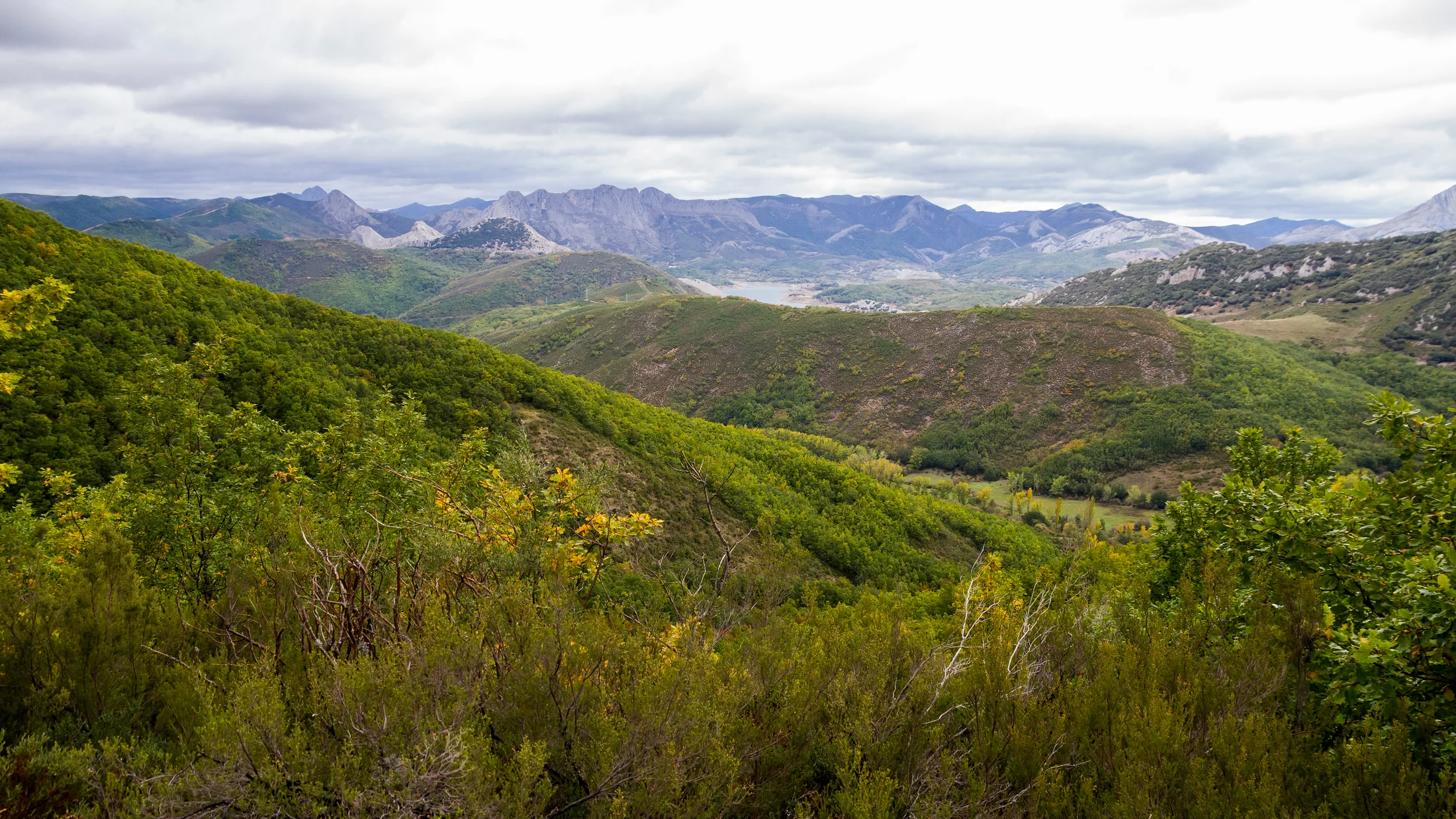
Crisp air, copper forests, and echoing stags: Picos de Europa autumn is quiet magic with purpose. Between mid‑September and early November, beech, birch, and oak paint the slopes while the deer rut reaches its peak at dawn and dusk. You get steady cool temperatures at mid‑altitude, clearer horizons after rain fronts, and fewer crowds than July–August. Picture mist lifting off a meadow as a stag bellows from a shadowed ridge. Use this guide to pick places where color, sound, and space meet safely.
We selected six varied spots using practical criteria you can trust. We prioritized easy access from main valleys (Cangas de Onís, Poncebos, Posada de Valdeón) and a high chance of hearing the rut in nearby pastures and beech woods. We filtered for strong autumn color (notably in beech forests around 800–1,400 m), lodging within a 20–30 minute drive, lower crowd risk outside peak weekends, and route safety in short daylight windows. We avoided exposed terrain that becomes hazardous in wet or foggy spells unless there’s a safe alternative. Imagine boots crunching on beech leaves while the first rays hit limestone towers. The goal is a realistic, low‑stress plan for couples, families, and committed hikers alike.
Expect shorter days, fast‑changing weather, and regulated access in a few hotspots. On some dates, Lagos de Covadonga runs a shuttle system and parking closes above the Sanctuary; Fuente Dé’s cable car can pause for wind. Think early starts, headlamps, and layers you can shed on climbs. Hear antlers clack at the forest edge, then step quietly and let distance do the work. To keep your trip simple, we’ve matched each location with best times, route options, crowd‑avoidance tips, and community‑minded advice. You’ll find autumn hikes Picos de Europa that balance beauty, safety, and respect for the people who care for these mountains.
Picuco te puede ayudar
Does something here catch your eye?
Tell us.
Write to us on WhatsApp or email: we answer questions, find the best options and help you sort out the booking.
What Each Entry Tells You
Clear fields make planning easy and responsible in a seasonal, living landscape. Each numbered entry starts with location and access, naming the nearest village and the usual trailhead or transport; when public access is regulated, we flag it. Picture a small parking lay‑by under beech canopy, trail dust soft as felt. You’ll also see typical costs, like parking fees, shuttle buses, or cable cars; where prices vary, we give a range and ask you to confirm the current rate.
To help you time color and the deer rut Picos de Europa, we highlight the best weeks and the best times of day. Dawn and dusk matter for wildlife, and low sun is kinder for photos. Ideal profiles tell you who thrives there—families, photographers, or seasoned hikers—and why. “What to do” lists short and longer route ideas, named viewpoints, and mellow alternatives when the main route feels busy. Hear the wind strum grass at a quiet col while a distant bellow rolls up‑valley.
Use this information to build safe, low‑impact plans:
- Start early, carry a headlamp, and keep margins for weather shifts.
- Choose loop routes to reduce backtracking on narrow paths.
- Keep distance from wildlife (at least 200 m) and stay on paths.
- Park legally, respect closures, and greet locals—you’re in working mountains.
If you travel with children or limited time, pick entries tagged for easy access and short trails. If you chase light and long perspectives, pick ridges and cable car days with clear forecasts.
Six Autumn Places for Color, Rut, and Quiet Paths
Variety keeps your autumn trip flexible and rewarding. The six entries below balance iconic scenery with lower‑key corners, so you can mix a famous must‑see with a silent forest morning. Think of them as a set: two lakes, one canyon, one beech heartland, one high plateau, and one pair of villages where rural life anchors the season.
Lagos de Covadonga: early color, calm water, and first rut calls
Iconic for a reason, the Enol and Ercina basins frame limestone with reflective tarns and early beech color. At sunrise, lake surfaces mirror peach clouds like glass. Access runs from Cangas de Onís via Covadonga; on selected autumn dates vehicle access is regulated and a shuttle bus operates—expect around 9–12 € per adult; confirm current schedules and rules. Outside regulated days, arrive pre‑dawn to secure legal parking and clear light.
- Best time:
- Rut: mid‑September to early October, with dawn/dusk calls in meadows above Lago Ercina.
- Color: late September to mid‑October at higher beech stands; lower slopes peak later.
- Routes:
- Easy: lakeside loop linking Enol–Ercina (approx. 5–6 km, 2–2.5 h, gentle undulations).
- Moderate: Mirador de Entrelagos spur and Vega de Ario trail as an out‑and‑back for layered views.
- Rut listening points:
- Pastures around Vega de Enol and gentle rises near the Buferrera area (stay on signed paths).
- Avoiding crowds:
- Go Monday–Thursday, arrive for blue hour, or stay after sunset and walk back with headlamps.
- Photography and safety:
- Carry a polarizing filter for glare, a light tripod, and warm gloves for 3–8°C mornings.
- Keep 200 m from deer, mute camera beeps, and respect seasonal closures near livestock.
Expect to see pastoral life in motion; greet the vaqueros and keep gates as you find them. The phrase Lagos de Covadonga autumn earns its fame when larches ignite the ridgelines in first light.
Ruta del Cares (poncebos–caín): canyon drama and quieter shoulders
The Ruta del Cares hike threads a man‑made ledge above an aquamarine river through a 1,500 m‑deep gorge. Autumn softens the light and thins foot traffic, turning midday glare into textured limestone. Access from Poncebos (Asturias) or Caín (León); the classic one‑way is about 12 km (24 km return), 6–8 hours total, on narrow, stony tread with vertiginous sides—firm footwear and sure footing are essential.
- Best time:
- Quieter: late September weekdays and October after 10:30 when day trippers fade.
- Light: 9:30–11:30 and 15:30–17:30 for cross‑light on cliffs.
- Rut possibilities:
- You won’t see stags on the ledge, but side valleys like Ostón or meadows above Caín can carry dusk calls.
- Difficulty:
- Moderate for distance and exposure; unsuitable for small children without experience.
- Water and gear:
- Carry 1.5–2 L per person; fountains are unreliable past summer.
- Pack a wind layer; gusts funnel through narrows and feel colder than forecast.
- Alternatives if busy:
- Out‑and‑back from Caín to the hanging bridges and back (8–10 km).
- Shorter Poncebos to Los Collados sector and return to dodge congestion near tunnels.
Tread softly; goat bells ping across the canyon like tiny chimes. Use Picos de Europa autumn windows after rain clears dust from the air and contrast pops. If vertigo is an issue, consider a shorter village ramble near Poncebos while companions sample a section.
Bosque de Peloño: beech heartland and discreet rut listening
The Peloño forest in Ponga Natural Park is one of northern Spain’s great beech masses, rolling for over 15 km with moss, mushrooms, and bronze leaves. In filtered light, trunks gleam like polished pewter. Main access comes via San Juan de Beleño toward the Mirador de Les Bedules, where a track and paths dive into the beech. Autumn moisture makes roots slick; poles help on steeper bits.
- Best time:
- Color: late September to late October, peaking around the second–third week of October.
- Rut: mid‑September to mid‑October, strongest at dawn in clearings and forest edges.
- Routes and viewpoints:
- Easy–moderate: Les Bedules to Collado Granceno (8–10 km, 3–4 h, rolling).
- Longer: Les Bedules toward Arcenorio as a partial out‑and‑back for solitude; turn around by time, not distance.
- Rut listening points:
- Clearings near Collado Granceno and small pastures off the main track—always remain on paths.
- Respect and safety:
- Stay silent, use red light mode on headlamps, and never imitate calls.
- Expect fog; carry a map, offline GPS, and spare batteries.
- Community notes:
- Local mushroom foragers and cattle share these woods; give space and keep dogs on leash.
Search terms like Bosque de Peloño berrea and Peloño forest rut align here, but the real key is patience: settle on a log, let birdsong fall quiet, and the forest will speak.
Fuente Dé and Áliva: cable lift to big skies and spacious routes
Fuente Dé’s cable car whisks you from 1,090 m to about 1,823 m in under four minutes, opening the Áliva plateau and sweeping views. On clear days, cloud seas drape the valleys like slow rivers. The cable car typically charges around 20–25 € return; confirm current fares, schedules, and wind closures. Parking fills on sunny weekends; arrive early or come late for golden light.
- Best time:
- Vista days: after a cold front, when visibility exceeds 20–30 km.
- Rut: listen from balcony viewpoints toward the valleys at dawn or just after last cabin.
- Routes:
- Short: trail from the upper station to Collado de los Horcados Rojos viewpoints (easy sections, some rock).
- Moderate: traverse toward Hotel Áliva and return (10–14 km options, 3–5 h, gentle grades).
- Avoiding crowds:
- Weekdays, first cabin up or last cabin down; hike 20 minutes from the station and solitude grows.
- Safety:
- Weather swings fast at altitude; pack insulation and a hat even on warm valley days.
- Watch early snow or verglas in late October; microspikes can be prudent.
From the balcony, rooks ride thermals while far below a stag’s call threads the valley like a horn. Use Picos de Europa autumn to stitch a high‑low day: cable car for big vistas, then a dusk stop near hay meadows lower in the valley for rut listening.
Valle de Valdeón and Caín: quiet villages, wide viewpoints, and flexible days
The Valle de Valdeón shelters hamlets like Posada de Valdeón, Soto, Prada, and Caín beneath the western massifs. Stone houses huddle by chestnuts and hay meadows where the rut often resounds. Woodsmoke curls softly at dusk as bells mark a slow rhythm. The road over Panderrueda or Pandetrave offers panoramic pull‑outs; drive with care, as deer cross at night.
- Best time:
- Rut: mid‑September to mid‑October in meadows above Posada and near Soto at dawn/dusk.
- Color: early–mid October for beech and chestnut around 900–1,200 m.
- Routes:
- Easy family walks near Mirador de Valdeón (Panderrueda) for valley‑wide photos.
- Streamside paths around Posada and to the Hermitage of Corona for calm hours.
- Combine with a half‑day Caín ramble if the Cares ledge feels too much.
- Services and access:
- Posada de Valdeón has shops, cafes, and rural lodgings; Caín has seasonal services.
- Roads are narrow; plan return by daylight if you’re not comfortable night‑driving.
- Avoiding crowds:
- Base yourself in Posada or Soto and walk from the door; you’ll skip parking stress entirely.
Use the Valle de Valdeón as a hub: short autumn hikes Picos de Europa in the morning, long lunch in town, and a quiet pasture edge at dusk to hear the berrea del ciervo Picos de Europa without moving the car far.
Bulnes and Poncebos: short climbs, car‑free village, and autumn tables
Bulnes is a roadless hamlet perched above Poncebos, reached by footpath or funicular. Stone lanes, kitchen gardens, and slate roofs set the tone for an unhurried autumn day. Pan fry sizzles from a bar as mist drifts off the channel. The footpath climbs about 4 km one‑way with roughly 400 m ascent (1.5–2 h up, 1–1.5 h down), on rough, stony tread. The funicular typically runs year‑round with return fares around 22–30 €; confirm current prices and any maintenance closures.
- Best time:
- Quiet: weekday mornings and shoulder hours near sunset.
- Rut: listen on flanks above Poncebos and in side meadows toward the Bulnes channels.
- Routes:
- Hike up and ride down, or vice versa, to balance effort and daylight.
- Short spurs above Bulnes to classic Naranjo de Bulnes (Picu Urriellu) viewpoints for photographers.
- Community and good practice:
- This is a lived‑in village; walk softly, keep voices low, and give right‑of‑way on narrow lanes.
- Eat local in autumn—cachopo, fabes, or game stews warm cold hands and support families.
- Safety:
- The footpath can be slippery when wet; poles help on descent.
- Carry a headlamp if you plan a dusk meal before returning to Poncebos.
Search Bulnes Poncebos plans when you want culture and landscape in a single, short day. Picos de Europa autumn tastes better when you end it with a hot spoonful and a quiet walk under early stars.
Interactive Map: Where Everything Is and How to Use It
A good map makes autumn calm and safe. Your interactive layer should plot precise trailheads, regulated parking areas, shuttle bus stops, rut listening points in meadows and forest edges, key viewpoints, and a handful of rural lodgings within 20–30 minutes of each start. Picture colored pins sprinkled along valley lines like berries on a hawthorn. For Lagos de Covadonga, mark the Sanctuary parking and the bus boarding zones; for Ruta del Cares, tag Poncebos and Caín access points; for Peloño, mark Les Bedules and Collado Granceno; for Fuente Dé, add the cable car base and top station; for Valdeón, drop Mirador de Valdeón and Posada’s village center; for Bulnes, note the funicular and the footpath trailhead.
Add filters so readers can:
- Choose experience type: photography, family walk, wildlife listening, panoramic ridge.
- Pick difficulty: easy, moderate, long day.
- Toggle “avoid crowds Picos de Europa” to surface lesser‑used alternatives and weekday tips.
- Save GPX/KML routes and offline basemaps for areas with weak coverage.
Include short notes per point with best weeks, dawn/dusk timing, and reminders on safe wildlife distances and closures. Keep coordinates visible and downloadable for quick navigation apps.
Choose Well, Find Space, and Watch Wildlife Right
Autumn rewards good timing and route choices. If you’re traveling as a family, pick short loops and firm paths near lakes, village meadows, or upper cable car walks. Morning light is softer, kids are fresher, and you can be back for lunch before naps. Imagine a small hand tracing a beech leaf’s veins as a jay lands nearby. If you’re a photographer, track cold fronts and plan for clearing mornings at high viewpoints; keep a flexible backup lower in the valley for fog days. Experienced hikers can stretch for longer traverses but should carry insulation, headlamp, and spare food as daylight shrinks.
To avoid crowds:
- Go Monday–Thursday, and aim for dawn arrivals or post‑lunch windows.
- Park at signed overflow areas and walk an extra 20 minutes to start quieter.
- Reverse popular loops so you meet fewer people head‑on.
- Combine a famous spot at unpopular hours with a lesser‑known forest in the same day.
For the deer rut:
- Keep at least 200 m from stags and harems; use 8x–10x binoculars or a 300 mm+ lens.
- Stay silent; switch headlamps to red mode and avoid flashlights on animals.
- Never feed wildlife or imitate calls; it stresses animals and violates park rules.
- Stay on marked paths; don’t enter fenced meadows without landowner permission.
Pack smart for Picos de Europa autumn:
- Footwear and clothing:
- Waterproof boots with grip; poles for wet roots.
- Layering system with a warm mid‑layer, waterproof shell, hat, and gloves.
- Navigation and safety:
- Offline maps/GPS, paper map, compass, and a 200–300 lumen headlamp with spare batteries.
- Small first‑aid kit, space blanket, and whistle.
- Food and water:
- 1–2 L of water per person and high‑calorie snacks.
- Thermos with hot drink for dawn chills (valley mornings can dip to 3–8°C; highs 10–16°C).
Weather tips:
- Expect fast changes after Atlantic fronts: rain, fog, and wind can roll in within an hour.
- Check valley and high‑elevation forecasts; temperatures drop roughly 6–7°C per 1,000 m.
- After heavy rain, choose routes without steep mud or exposure.
Respect the people who keep these landscapes working. Park considerately, drive slow through villages, and buy local—those small stops keep mountain life going through winter.
Frequently Asked Questions
When is the deer rut in the Picos de Europa?
The rut typically runs from mid‑September to mid‑October, peaking in the last two weeks of September and first of October. Dawn and the last hour before dark are the most active periods, especially along meadow edges near beech woods.
Do I need permits or reservations for these routes?
Most routes require no permit, but access is regulated at times. Lagos de Covadonga may run a shuttle system with private cars restricted on certain dates, and the Fuente Dé cable car can have queues or wind closures. Check the official Picos de Europa National Park channels and local visitor centers for current rules before you go.
Should I hire a local guide?
If you’re new to mountain navigation, want to maximize wildlife etiquette, or intend to photograph the rut ethically from distance, a certified local guide is a smart choice. Guides know quiet meadows, safety margins, and current animal movement, which reduces disturbance and improves your experience.
What safety issues are most common in autumn?
Short daylight, slippery rock and roots, sudden fog, and overexposure to cold are the big four. Carry a headlamp, pack warm layers, and turn back if fog erases landmarks. On narrow canyon ledges like the Cares, avoid rushing, keep kids close, and don’t stop in bottlenecks.
Where should I stay—refuges or rural houses?
For these autumn spots, rural guesthouses and small hotels in Cangas de Onís, Posada de Valdeón, and Potes give the best flexibility and warm meals after dusk outings. Mountain refuges are great for longer treks but require advanced booking and carry‑in layers for colder nights.
Where can I find official updates?
Look for information at national park visitor centers in Cangas de Onís, Sotres, and Posada de Valdeón, and local town halls for road or parking notices. For cable car operations, consult the operator’s official channels on the day, and for shuttle rules and seasonal closures, check the park’s current advisories.
Book your experience — discover active nature activities in Spain with providers verified by Picuco.
Conclusion
Autumn gives you Picos de Europa with room to breathe, copper beech underfoot, and the wild music of the rut at day’s edge. Pick one iconic place for light and scale, one forest for color and quiet, and a village base that welcomes you back warm. Feel the last warmth on a stone wall as valley shadows rise. Plan dawn starts, keep safe margins, and let respect guide your choices—distance from wildlife, soft steps through pasture, and a nod to the people who live here.
Next, sketch your days with weather windows, confirm any regulated access, and set your early alarm. If a cable car or shuttle is on your list, check availability, book if needed, and choose the first or last slots to avoid queues. Pack a headlamp, a thermos, and patience, then step out to meet the season at its quiet, resonant best.