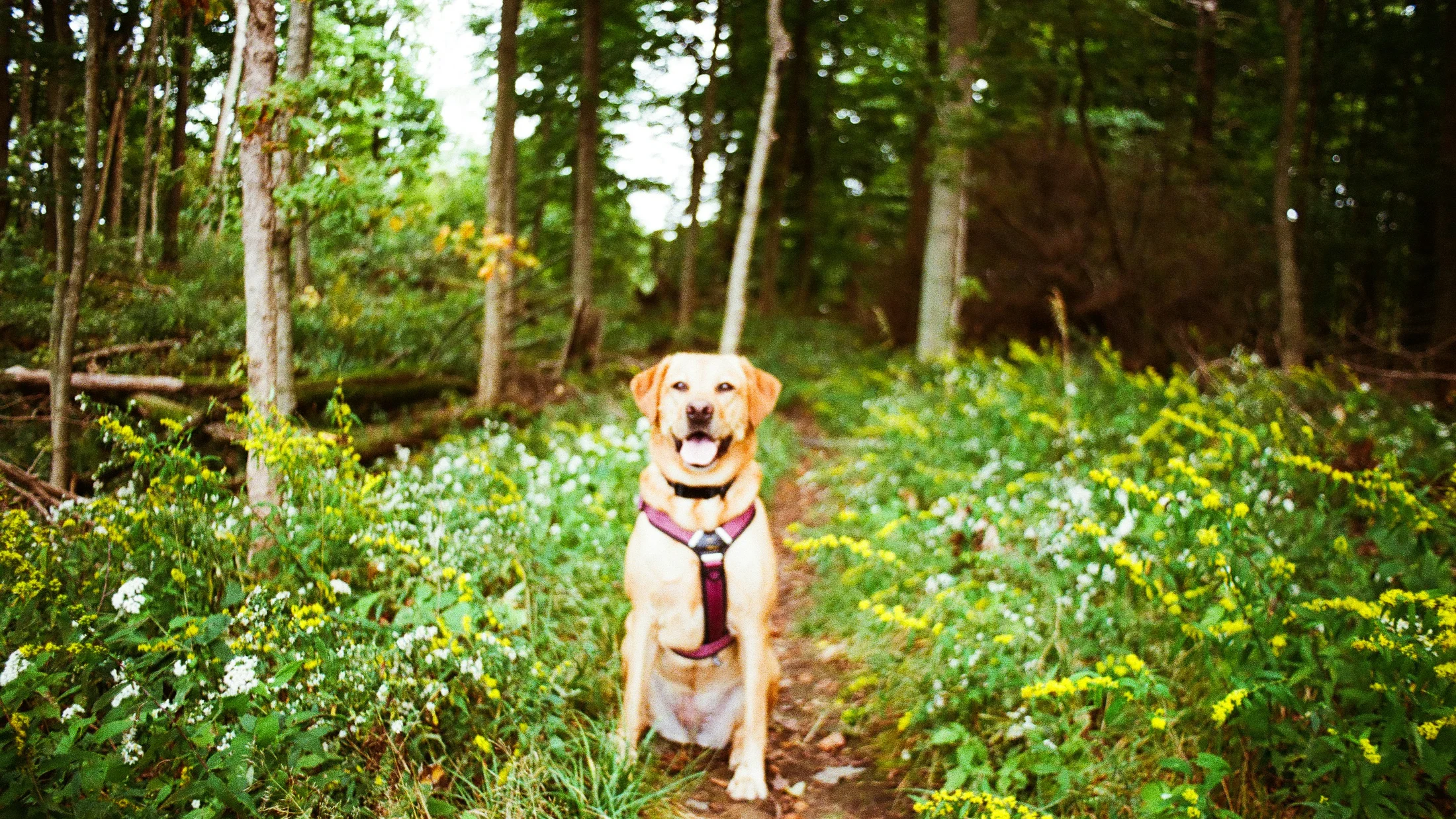
Travelling with your dog: nature, wellbeing and plans that bring you together
Spain has trails, beaches and valleys where dogs are welcome. With that as a base, an outdoor getaway can be organised in a short time and will suit you both.
Travelling with a dog provides exercise and disconnection for the person, and sniffing, exploration and healthy energy expenditure for the dog. It works just as well for a day trip as for a long long weekend, as a couple, with family or in a group.
This guide gathers the essentials for organising getaways with a dog: documentation, rules and 10 dog-friendly nature destinations. At the end, you will find a simple checklist so you don't forget anything.
Choose shaded routes, beaches with specific schedules and quiet valleys, and combine short hikes with rests. Before setting off, check the local rules and the policies of pet-friendly accommodation.
Picuco te puede ayudar
Does something here catch your eye?
Tell us.
Write to us on WhatsApp or email: we answer questions, find the best options and help you sort out the booking.
The essentials before setting off: documentation, rules and travel pace
The microchip and registration in your autonomous community are mandatory in Spain. They may ask you for an updated veterinary booklet at accommodation or transport, so carry it with you.
Keep everything in a folder with copies on your mobile. Before leaving, check that vaccinations are up to date, including rabies where required, and that the dog is taking antiparasitic treatments for fleas, ticks and leishmania.
In protected areas, a short lead is required on trails and it is forbidden to disturb the wildlife or enter nesting areas. Always pick up faeces, even far from the village. When you cross livestock or encounter other hikers, keep your dog close to you.
Spring and autumn are ideal in almost the whole country due to the mild temperatures and lower crowds. In summer, avoid the middle hours and look for shade, riverbanks or high mountains; in winter, expect snow, ice and short days.
Adjust the pace to the dog: pauses every 60–90 minutes, frequent water and progressive routes if they are not in shape. If the terrain is abrasive or there is sharp stone, consider boots or paw balm.
Before setting off, locate veterinarians at your destination: look for the provincial veterinary college and save nearby clinics on your mobile map. Pet insurance covers unforeseen events and civil liability; find out about the coverage and the 24/7 phone numbers.
If you are going to beaches or wetlands, confirm schedules and canine zones on the municipal or natural space website, because they change by season. And if you plan to use public transport, check the conditions for pets and the requirements for carriers or muzzles in advance.
10 nature destinations where your dog is welcome
Duratón Gorge Natural Park (Segovia): tranquil canyons and high viewpoints
Limestone canyons, a gentle river and vultures soaring over the cliffs: that is the Duratón Gorge Natural Park. The paths are wide and there are open spaces, so you can walk with your dog without feeling overwhelmed.
The round trip along the same path totals 1.9 km with 70 m of positive elevation gain and low difficulty, with a slight slope. Access is from the car park at the end of the Villaseca track.
The viewpoints have railings and firm ground, and you can see vultures from them. Near the cliffs, exercise extreme caution. The wind brings the scent of thyme when the sun goes down over the cliffs.
Pets must be controlled at all times. During bird breeding season, there are restrictions on boats and riverside areas, so confirm them before going. The use of drones without authorisation is prohibited, and climbing, caving, or overnight stays are not permitted.
In summer, avoid the hottest hours; in winter, watch out for ice and mud. Autumn and spring offer mild temperatures; in summer, get up early and seek shade.
To stay, there are rural houses in Sepúlveda and surrounding villages with clear policies for dogs. Ask about surcharges and if they allow more than one dog.
Picos de Europa (Asturias/Cantabria/León): mountains for active dogs
Picos de Europa is a mountain range of green valleys, limestone, and long treks, for dogs that already walk often. The terrain is divided between Asturias, Cantabria, and León.
The Cares Path is a route suitable for dogs. The valley paths are gentler: the Vega de Enol and the area around the Covadonga Lakes. Hiking with a dog here is of medium level, with high pastures, lakes, and rest in meadows without herds.
In the Covadonga Lakes, there is a circular route of low difficulty. The long route is 5 km and the short one is 3 km, with 50 m of ascent and descent elevation. Calculate 2.5 h for the long one or 1 h for the short one, and add 1 h if you visit the Visitor Centre or the model. The long one passes through the Palomberu beech forest and the meadows of the Vega de Enol. You leave from the Buferrera car park, where the Pedro Pidal Visitor Centre is located.
Before setting off, check three things:
- Avoid aerial sections or exposed walkways if the dog is nervous.
- Protect the paw pads on the limestone rock and carry a light thermal blanket for breaks.
- Fill up water at reliable points and control the dog in areas with livestock or Pyrenean chamois.
- Watch out for fog, especially on the long route.
In summer, get up early and choose shady valleys; leave behind the hot days and the late snow patches. The fresh high-altitude air smells of heath and damp stone after the clouds.
To sleep, look for rural hotels and apartments that allow dogs in Cangas de Onís and confirm policies, surcharges, and rules. Prepare the day with a route map, water points, and a short alternative if there is fatigue.
Grazalema Natural Park (Cádiz/Málaga): shade, pools and white villages
Between Cádiz and Málaga, the Grazalema Natural Park has 53,411 ha of Spanish fir, cool gorges and white villages to return to at sunset. It is part of the White Villages Route and is a good base for walking with a dog.
Two trails work well with a dog: the Majaceite River, between El Bosque and Benamahoma, and the Llanos del Endrinal, with good views and easy terrain for paws. The Llanos are traversed via the juniper trail at 1,100 m altitude, between mountain grazing stone enclosures and Spanish ibex territory.
The shaded routes, accessible pools and manageable profiles for most dogs make the park a comfortable destination. It combines a morning of nature with a tranquil afternoon in villages like Zahara de la Sierra, between riverside walks, gentle viewpoints and breaks in the shade.
The lead is mandatory and it is advisable to respect the livestock and the wildlife. From October to May you have the best; between June and September avoid the hours of intense heat, leave very early and always carry water.
Before booking, ask about restaurant terraces that accept dogs and confirm if there is a surcharge.
Costa de la Luz (Cádiz): sand, breeze and expanding dog beaches
The Costa de la Luz adds more dog beaches every year, with defined sections and schedules. It extends through Huelva and Cádiz, from the mouth of the Guadiana River to Tarifa.
It works well with a dog due to its wide spaces for playing, swimming with control and walking without crowds out of season. On the wet sand you can set up games of searching, take short baths in safe areas and walk through stabilised dunes where it is permitted.
Heat rules: watch out for heatstroke and jellyfish, carry water and portable shade, and rinse the dog with fresh water after bathing. Respect the nesting areas in the dunes and do not let them off the lead in sensitive areas.
Look for sandbanks enabled by the town halls in low season and confirm the permitted slots in summer, which often limit the day to early or late hours. Dog beaches change by season, so check the municipal website before heading out.
Spring and autumn are the best time. In summer, sunrise or sunset to avoid the heat and comply with the permitted schedules.
To sleep, there is dog-friendly accommodation in Conil, Tarifa or Chiclana. Confirm weight and breed policies and if they admit dogs in common areas: in some accommodations pets up to 25 kg are admitted (maximum two per room), with a lead in common areas and without leaving them alone in the room, from 87 €/night.
The old town has the Guzmán Tower, and nearby are the Bateles and Fontanilla beaches, the surf of El Palmar and the cliffs of Cabo Roche.
The salty breeze brings the constant murmur of waves and the sand gives way softly under the paws.
Menorca (Balearic Islands): tranquil coves and the Camí de Cavalls for two
Menorca has clear water coves and pine forests, and a path that goes around the entire island: the GR-223 Camí de Cavalls. Several of its sections are accessible with a dog.
The Camí de Cavalls circles the island passing through its eight municipalities and its two main cities, and forms part of Spain's Natural Path Network. The coastal paths are well marked and there are shaded sections; out of season, the coves remain tranquil.
With a dog, you can do short stages of the Camí de Cavalls, swim in the permitted coves and walk through the marine viewpoints. The resin from the pines scents the air when you step on cold sand at dawn.
Before setting off, check which beaches allow pets and their schedules. In protected areas, keep your dog on a lead and respect bird nesting to the utmost.
To get there, ferries accept pets in carriers or in designated areas, and airlines have quotas and requirements: book in advance. If you rent a car, ask about the cleaning policy for dogs.
Sleep in rural houses in the interior or in small hotels that accept dogs, many with patios or terraces. Choose routes for early in the morning and, if your dog does not tolerate the heat, prioritise the north and the tramuntana.
Somiedo Natural Park (Asturias): lakes, brañas and calm for curious dogs
Somiedo has tranquil valleys, high mountain lakes and brañas, those high altitude pastures with cabins. Its routes have gentle profiles and partial shade, so they are suitable for almost all dogs.
The Lagos de Saliencia route is circular: 7.6 km, medium difficulty and +318 m of accumulated elevation gain. It takes 3 to 5 hours to walk and starts and ends at Alto de la Farrapona. On the way, you pass through Calabazosa (or Lago Negro), Cerveriz, the Almagrera Lagoon (or La Mina) and La Cueva.
The park works well with dogs because the hikes are progressive, there is a good network of tracks and the environments are serene, something that sensitive dogs appreciate. You can walk alongside the lakes, rest in the shade of the European beech trees and look out from viewpoints with views without exposure. At dawn, the fresh silence is only broken by a distant cowbell.
There is protected fauna such as the brown bear, Eurasian otters, Egyptian vultures and golden eagles. Keep a short lead, maintain distance from livestock, close the gates and leave no trace.
From spring to autumn is the best time. In summer the climate is mild, but carry water and avoid the middle hours. To sleep, look for pet-friendly rural accommodation in Pola de Somiedo and nearby villages, and ask about nearby green areas and if they accept multiple dogs.
La Albufera (Valencia): wetlands, sunsets and controlled walks
La Albufera mixes rice fields, a lagoon and coastal dunes, with comfortable perimeter paths for walking with your dog. The terrain is flat, the routes are short and the coastal pine forests provide partial shade: that is why it works well as a dog-friendly getaway.
Walk along the sections of the dune ridge where it is permitted and along wide rural paths with little slope. Always carry a lead so as not to disturb the waterbirds.
Sunset walks and birdwatching from a distance are the simplest plans with a dog. If you want to go out in a boat, confirm the pet-friendly policy beforehand. In the wetlands, restrictions are strict: avoid breeding areas and check the seasonal limitations.
The golden light of the sunset tints the water like an immense mirror. In winter, you can see greater flamingos and, throughout the year, there is migration or breeding of more than 250 bird species.
Mosquitoes and intense heat suggest choosing spring and autumn. Carry repellent suitable for dogs and fresh water on the route.
By car from the centre of Valencia, it is about 20 minutes without traffic; by bus 24 or 25, approx. 45 min for 1,65 €. There is private parking next to the pier.
The boat trip lasts about 45 minutes: 5 € for the traditional trip and 6 € for the sunset trip. In Valencia and in the towns within the park, there are hotels and apartments that accept dogs, and restaurants with pet-friendly terraces.
Ordesa y Monte Perdido National Park (Huesca): mythical valleys with clear rules
Ordesa, Añisclo and Pineta: three valleys with forests, waterfalls and enormous walls, and the highest limestone massif in Europe. The Ordesa y Monte Perdido National Park (Huesca) allows leashed dogs, so the key is to choose your route well.
With a dog, look for permitted itineraries of low-medium difficulty. The bottom of the Ordesa valley towards Cola de Caballo works well: advance as far as your dog can tolerate. The Senda de los Cazadores is not recommended due to its exposure.
The route to the Gradas de Soaso covers 12.8 km (round trip), 387 m of elevation gain and easy-moderate difficulty. The murmur of the water in the steps sounds like a long breath.
The park is dog-friendly due to its valley floor routes, the good surface in many sections and clear signage. Safe viewpoints and meadows for resting can be enjoyed without stepping on fragile areas.
In National Parks, the dog must be leashed and cannot access buildings or restricted areas. Confirm the access conditions and internal transport before the route.
Bivouacking or overnight camping is prohibited in the Ordesa sector, except in the Góriz camping area, with mandatory prior reservation and limited capacity.
Best time: from late spring to early autumn for the valley floor. In winter, ice and snow require equipment and experience.
The GR-11, the Senda Pirenaica, covers more than 800 km of mountains between cabo Higuer (Cantabrian Sea) and cabo de Creus (Mediterranean Sea), marked almost entirely with white and red marks. Adapt the sections to your dog.
To sleep, in Torla, Broto or Bielsa, there are accommodations that accept dogs. Confirm surcharges, weight limits and if they have nearby green areas.
Fragas do Eume (Galicia): Atlantic forests and shaded walkways
In the Fragas do Eume, moss covers the trunks and rivers sound beneath the oak groves. It is a dense Atlantic forest, with paths towards the Caaveiro Monastery and riverside walkways that are suitable for dogs of all ages.
The Caaveiro Monastery, from the 12th century, was built to house anchorite monks and has been a Site of Cultural Interest since 1975. Walking access begins in Cal Grande (Pontedeume).
It works well with a dog due to the abundant shade, moderate gradients, and short routes for relaxed paces. You can stroll along the walkways, do short circular routes, and stop in forest clearings. The smell of wet leaf litter accompanies every step along the bank.
The ground is damp and slippery, with mud and possible insects. Bring a towel and repellent, avoid running on the walkways, and watch out for encounters with bicycles on shared tracks.
Spring and autumn are the best seasons. In summer, there is coolness under the canopy, and in winter, it is advisable to avoid days with rising water levels.
In Pontedeume and the surrounding areas, there are rural houses and apartments that accept dogs. Confirm the pet policy and whether they have a patio to dry the dog after a rainy walk.
Sierra de Gredos (Ávila): lagoons, gorges and mountain refuges
The Sierra de Gredos is granite rock, blooming pine grass and high-altitude lagoons. It is mid-mountain terrain with routes of various gradients to go with a dog.
The route to Laguna Grande via the Gredos Plateau requires moderate effort and controlling the pace with dogs in good shape. The ascent is continuous, with sections of steep gradient from 1760 m to Los Barrerones (2170 m), and then it descends to the lagoon (1935 m).
You arrive from Hoyos del Espino (road AV-931, 12 km) or from Navacepeda de Tormes, and access is regulated by schedules to avoid overcrowding. If there is snow or the path is frozen, in autumn, winter, and spring, crampons and an ice axe are mandatory. In the area, you can spot Spanish ibex.
The rough rock can punish paw pads, it gets hot on the mountain passes at midday, and late snow may remain: consider booties and balm, and bring light clothing for long stops. Next to the lagoon, the cold breeze smells of wet granite and grass.
Go in spring and autumn; in summer, get up early and choose the gorges; in winter, only with experience and equipment. There are pet-friendly rural accommodations in Hoyos del Espino, Navarredonda, and nearby villages: check the rules and book.
Which nature activities suit your dog best
Before choosing a destination, look at your dog's age and physical condition: that's where the plan comes from. An energetic puppy and an older dog cannot handle the same things, and adjusting the outing avoids scares and exhaustion.
For hiking, look for paths with good footing, moderate slopes and access to water every certain distance. If you are in doubt, an out-and-back route that you can shorten gives you the margin to return whenever you want. If there is sharp rock, bring protection for paw pads and check their paws at the end of the route.
On riverbanks and beaches, confirm schedules and dog-friendly areas before going. Avoid strong currents, breaking waves and spots with jellyfish or debris; play on wet sand and take short swims with breaks in the shade. Dry ears and fur well after bathing, especially for floppy-eared dogs.
In wetlands or lagoons, keep your distance from birds and chicks and use a lead whenever there is wildlife. Controlled water activities suit calm dogs: boat trips where they are allowed, paddleboarding in very calm waters with a canine life jacket and short outings for habituation. Ask operators if they allow pets and what conditions they require.
For older or overweight dogs, opt for short routes at sunrise, scent games in quiet areas and frequent stops. Viewpoints, rural villages and recreational areas with shade complete a plan without rushing. Divide the day into blocks: a morning of gentle walking, a long siesta and an afternoon of urban strolling with a pet-friendly terrace.
Bring water, a collapsible bowl and snacks; moderate portions if it is hot and offer light food after the activity. If your dog is young and energetic, intersperse basic obedience on the route to channel their enthusiasm and avoid pulling.
Sleeping with your dog: how to choose pet-friendly accommodation
A rural house with a garden, a hotel with weight limits, or an apartment with an extra cleaning fee: the type of accommodation changes what your dog can do inside. Rural houses are usually more flexible with outdoor spaces. Hotels may have weight limits and restricted common areas, and apartments offer autonomy, but sometimes require extra cleaning.
Choose according to your dog's routines and size, and always ask before booking. Confirm how many dogs they allow, what size, and if there are excluded breeds. Also ask about the rate per night or per stay and whether it includes a bed, water bowl, or welcome kit.
Clarify which areas are permitted: the room, common areas, gardens, and the swimming pool. Check the rules for coexistence regarding leashes, cleaning up hair and sand, and the prohibition of leaving the dog alone. Additionally, check the proximity to green areas and routes for the first and last walk of the day.
A responsible dog-friendly hotel provides clear information on policies and charges, has easy-to-clean surfaces, and textiles designed for pets. Consider a ground floor room or one with a terrace for quick outings, and ask about nearby veterinarians and routes.
Bring your own blanket or bed to protect the furniture and dry your dog if they come back wet or muddy. Avoid prolonged barking and do not leave them alone if they can get stressed; check the room before leaving to pick up hair and used bags.
When booking, play with flexible dates to get a better room and check the cancellation policy and the pet deposit. Have the proof of vaccinations and the microchip number at hand, and prepare a plan B if extreme heat or continuous rain occurs.
How to arrive and move around with your dog
By car, it is advisable to stop every 2 hours of travel. The dog must be secured with an approved double-attachment harness, a fixed crate, or a divider, so they do not distract you. Keep the car well-ventilated and never leave them alone inside, even in the shade.
On commuter trains, dogs are usually allowed with a short leash and, if necessary, with a muzzle. On medium and long-distance trains, there are quotas and limits on size and weight, requiring prior reservation: check the policy of the service you are going to use. On regional buses, many lines accept small pets in a crate and in the hold according to regulations, but this varies by operator and community, so confirm in advance.
By plane, check the quotas per flight, sizes for cabin and hold, approved rigid crates, and fees. Avoid long layovers and flights during peak heat hours, and arrive early for the formalities. On ferries, there are usually pet-friendly cabins, cages, or designated areas: bring water and your own bed and confirm if you can visit your dog during the crossing.
Once at your destination, taxis and VTCs may admit dogs if you notify them and use a blanket or crate. In car rentals, there may be cleaning charges, so communicate this during the booking. Always carry the documentation: up-to-date vaccination card, microchip, veterinarian's phone number, and insurance number; if you use a crate, verify its measurements. A lightweight folding crate or a comfortable muzzle will open doors for you in local transport and in establishments with specific rules.
Practical tips for a perfect trip with your dog
A well-thought-out canine backpack solves half of the getaway. Prepare enough food in airtight containers, treats, a collapsible bowl, an extra bottle, medication, and a basic first-aid kit with gauze, saline, tweezers for thorns and ticks, and suitable disinfectant. Add bags, a microfibre towel, and a light blanket. If you are going to walk at sunrise or sunset, add a reflective vest.
Upon arrival, help them adapt to the new environment. Maintain walking and feeding routines, introduce the room calmly, and offer their usual bed or blanket so they associate the place with rest. Avoid leaving them alone at the beginning and schedule short outings so they understand that you will return. If your dog is nervous, practise "place" and "stay" at home and use scent games to relax them.
On shared trails and when there is wildlife or livestock, keep them on a lead. Give other dogs plenty of space and ask if the other dog is sociable. Always pick up faeces and do not leave litter; respect crops, fences, and nesting areas.
In case of a veterinary emergency, stay calm: locate the nearest clinic on the map, call to notify them, and bring their medical record and insurance policy. Apply basic first aid: control bleeding with pressure, prevent them from licking wounds, and cool them with damp cloths in case of heatstroke. With older dogs, reduce the elevation gain, use an assistance harness on descents, and split the activity into short walks with more breaks.
Frequently asked questions about getaways with a dog
What documentation and health preparation does my dog need before travelling?
Before setting off, the dog must have a registered microchip with up-to-date details. The veterinary medical record must be up to date with vaccinations, including rabies if the community or the destination requires it.
It is advisable to keep internal and external parasite treatments up to date: fleas, ticks and, in high-risk areas, leishmania. If the trip is outside of Spain, you need a European passport and must comply with the requirements of the destination country.
Make an appointment with the vet 2-3 weeks before the trip to plan vaccinations and antiparasitics, especially in warm climates or areas with vectors. Take the opportunity to ask for a first-aid kit recommendation and to check the dog's physical condition if you are going hiking.
On nature routes, adapt the load with progression in distance and elevation gain, hydration, and regular breaks. Keep digital copies of the medical record and the microchip on your mobile phone in case they are requested at accommodation or transport.
How do I find pet-friendly beaches and accommodation in my destination?
Start with the destination's municipal websites: town halls update dog zones and their signage, including the hours for each season. There you can see which beaches allow dogs and during which time slots you can go.
To sleep, use platforms with a pet friendly filter and then confirm the allowed size or breed, surcharges, and common areas by telephone. Also ask if you can leave the dog alone for a short while. Check the accommodation's cleaning rules and its proximity to green areas.
Before booking, ask about the nearest veterinarian and the town's dog park. Cross-reference what you read in local groups or forums for travellers with dogs with the official information.
In high season, dog beaches may have quotas or restricted hours: get up early and have a plan B in another less crowded cove. In dog-friendly hotels, ask for a room with a terrace or on the ground floor to go out early and reduce the animal's stress.
What do I do if there is a veterinary emergency on a route?
The first thing is to keep the dog safe from heat, traffic, or water. Afterwards, look for the nearest clinic on your mobile map and call to notify them of the emergency.
Have the vaccination booklet, the microchip number, and the insurance policy ready if you have it. While help arrives, apply basic first aid: pressure on cuts, immobilise if you suspect a fracture, cool with damp towels in case of heatstroke, and avoid giving excessive food or water.
Prepare the plan in advance. Save 2–3 clinics in the destination as favourites, carry a minimal first aid kit, and learn how to remove ticks with suitable tweezers. In remote areas, share your location with a companion and fix road access points.
For more technical excursions, carry a thermal blanket and an elastic bandage, and walk with enough margin to return before dark.
How do I adapt routes and activities according to my dog's age or physical condition?
Before setting off, choose a route with realistic distance and time for your level. If your dog is not trained, look for moderate cumulative elevation gain and prioritise soil or grass over abrasive rock or asphalt. Also check that there are water points and shade along the route.
During the walk, take breaks every 60–90 minutes, offer water in sips, and adjust the harness if it chafes. Watch for signs of fatigue such as excessive panting, low tail, slowing down, or limping: if they appear, it is time to return.
Age changes the plan. With a young and energetic dog, prioritise varied sections with sniffing and obedience. With older dogs, divide the day into two short walks and avoid sustained descents.
If it is hot, move the route to dawn and reduce the elevation gain. Upon finishing, feed lightly and wait at least one hour before major efforts.
Book your experience — discover active tourism activities in Spain with providers verified by Picuco.
Conclusion
Planning well turns dog escapes into shared memories that add health, confidence and connection with nature. The 10 dog-friendly destinations with trails, beaches and valleys adapt to different rhythms and come with rules, recommended seasons and practical tips.
Choose a destination and adapt the route to your companion. Before setting off, confirm the accommodation policies and local regulations, take the packing checklist, locate nearby vets and prepare a plan B in case the weather turns. In high season, book in advance.
The key is to move at your own pace and leave every place just as good as, or better than, you found it.