The essentials of Valle de Campoo

  • • Source of the Ebro at Fontibre and Pico Tres Mares (2,175 m), triple watershed point
  • • Alto Campoo resort: 22 ski runs and 27.6 skiable km from December to April
  • • Ebro Reservoir (6,253 ha) with grey heron colonies and summer water sports
  • • GR-99 Sendero del Ebro, long-distance trail from the river's source
  • • Cocido montañés with white beans, cabbage and pork ribs in Reinosa restaurants

Description

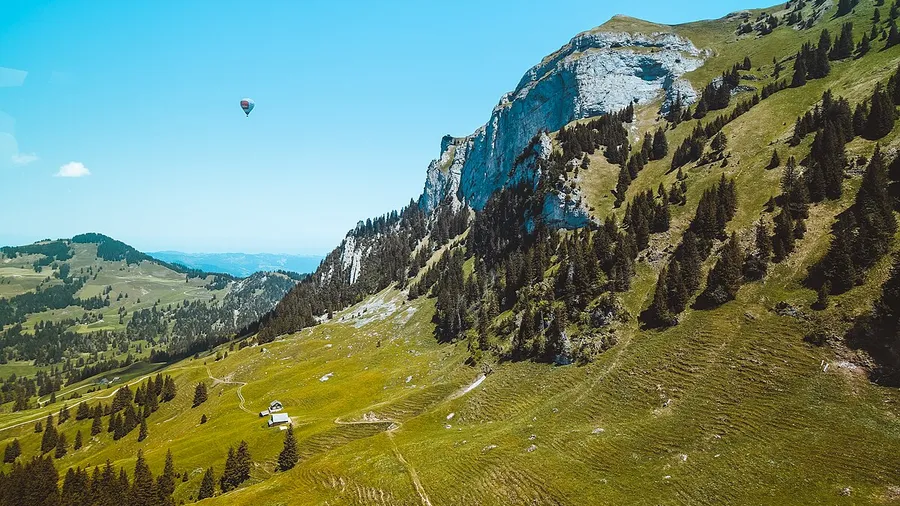
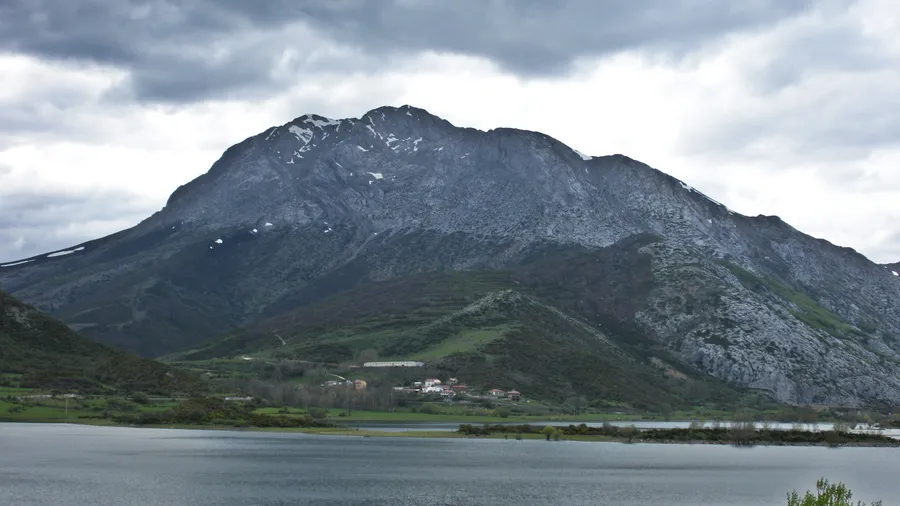
The Valle de Campoo stretches across southern Cantabria between the Cantabrian Mountains and the plateaus of northern Palencia, with Reinosa as the district capital at 850 metres. The upper Ebro basin originates here: the Híjar, its main tributary, springs from the Fuente del Chivo near Pico Tres Mares (2,175 m), the point where the Cantabrian, Mediterranean and Atlantic watersheds converge. The Ebro Reservoir, covering 6,253 hectares, occupies the centre of the valley and serves as a water regulator, nesting ground for waterbirds and a venue for summer water sports. From the reservoir's shores, the snow-capped ridge of southern Cantabria stands against a sky that, at sunset, paints the water in shades of orange.

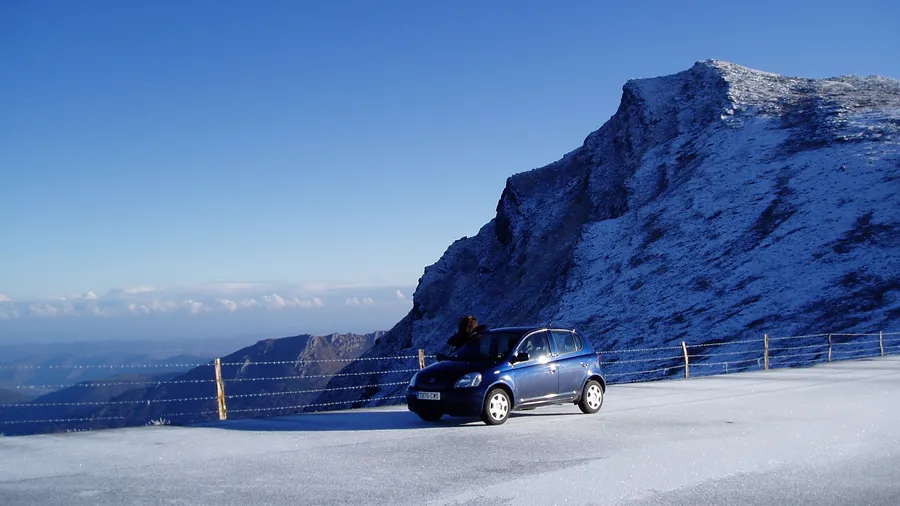
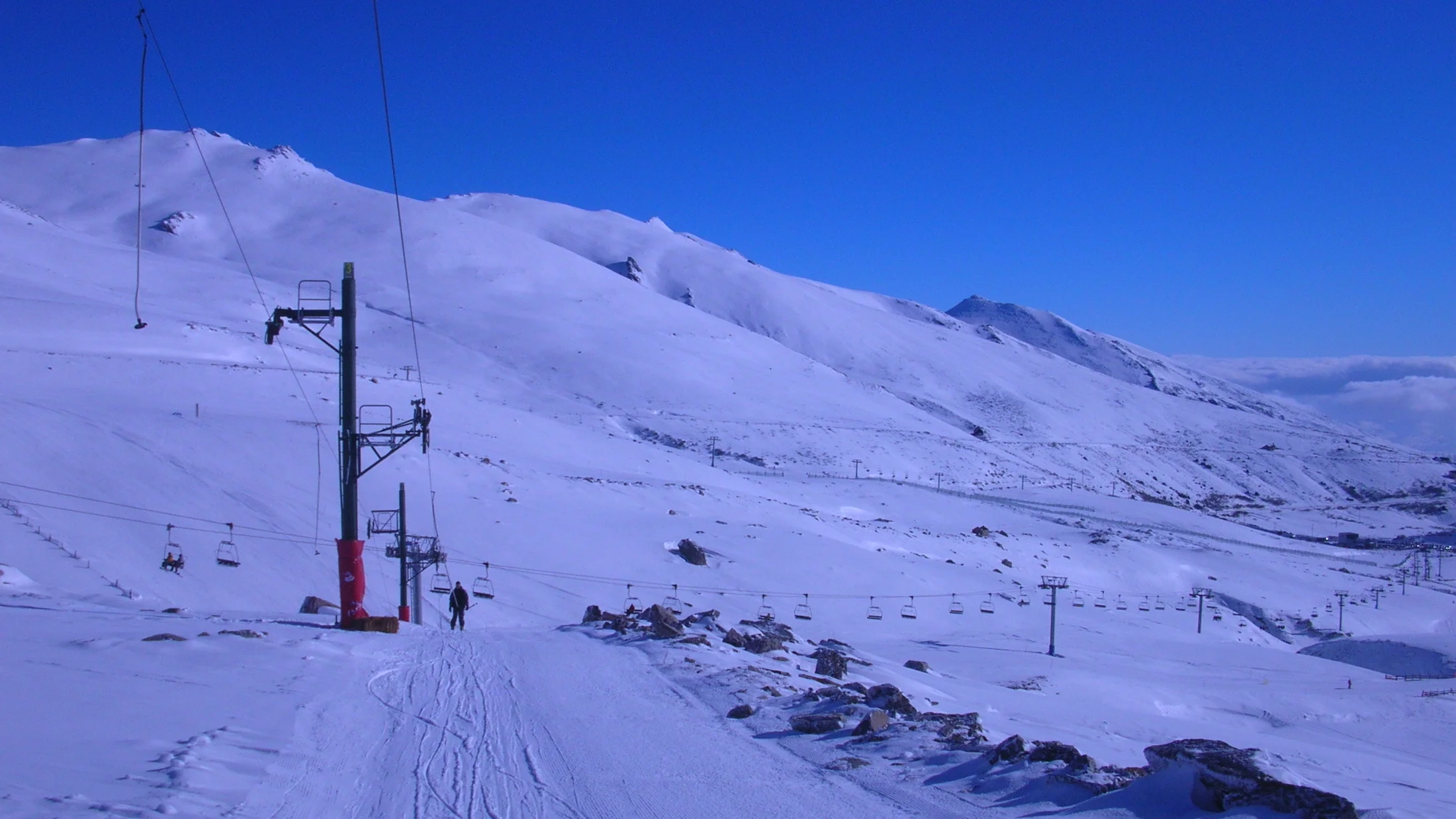
The Alto Campoo ski resort sits 27 kilometres from Reinosa at altitudes ranging from 1,650 to 2,175 metres at the summit of Pico Tres Mares. It has 22 runs (3 green, 9 blue, 8 red and 2 black) totalling some 27.6 skiable kilometres and 5 lifts. The snow season usually runs from December to April, though climate variability can shorten it. In summer the resort serves as a launching point for mountain routes to Cuchillón, Iján and Pico Cordel, with moderate gradients and views across both flanks of the mountain range.

The valley's trail network includes the GR-99 (Sendero del Ebro), which follows the river from its source to the reservoir and beyond. Routes through the secondary valleys of Campoo de Suso, Campoo de Yuso and Campoo de Enmedio cross meadows, beech woods and oak groves with gentle slopes, suitable for walkers of all levels. Cyclists find quiet secondary roads and greenways such as the route along the old Hullero railway line. In autumn the valley's beech woods turn ochre and rust, and the smell of wet grass blends with chimney smoke from the villages.

Valley wildlife includes roe deer, wild boar and fox in the hillside woods, while the Ebro Reservoir supports colonies of grey heron, great cormorant and mallard. The marsh harrier nests in the reed beds along the banks. Brown trout inhabit the upper reaches of the streams feeding the Híjar, and fishing is regulated through permit-only beats. The flora of the hay meadows, still maintained as working farmland, includes wild orchids in spring.

Campoo's cuisine centres on cocido montañés (white beans with cabbage, pork ribs and black pudding), quesucos de Campoo, Tudanca beef and corbatas de Unquera, a puff-pastry snack. Reinosa offers full services: supermarkets, petrol stations, a health centre, hotels and restaurants. Valley villages — Fontibre, Nestares, La Población, Matamorosa — have rural guesthouses and inns with seasonal menus. From Santander the drive on the A-67 takes 90 minutes; from Palencia slightly less on the CL-626.
Practical information

Everything you need to know for your visit to Valle de Campoo

How to get there
From Santander, 90 minutes on the A-67 to Reinosa. From Palencia, one hour on the CL-626. From Bilbao, two hours via the A-8 and A-67. Reinosa has a FEVE train station with connections to Santander. Alto Campoo is 27 km from Reinosa on the CA-183.
Area Information
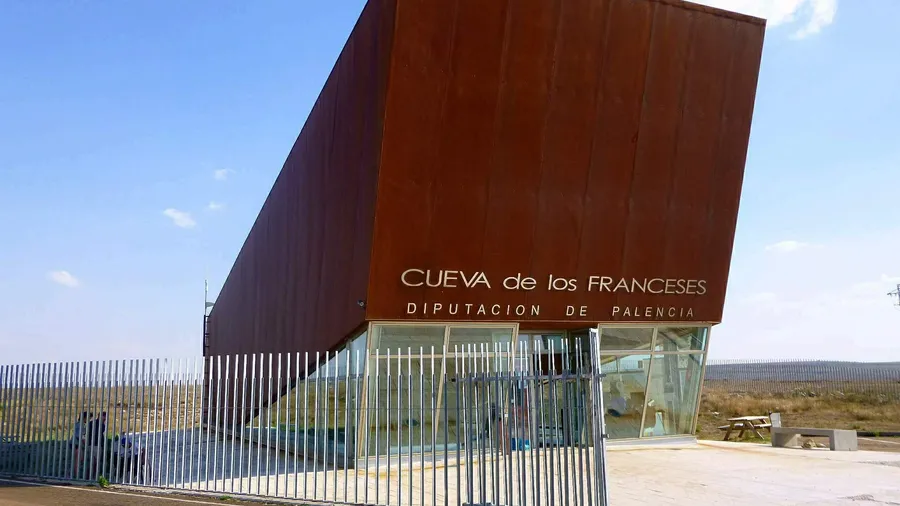
Tourism office in Reinosa with route information and ski resort conditions. Ebro Reservoir interpretation centre. Marked GR-99 and PR trails. Alto Campoo ski resort with rental and school. Good mobile coverage in Reinosa, patchy at higher elevations.
Geography
Upper Ebro basin south of the Cantabrian Mountains. Altitude: 850 m in Reinosa, 2,175 m at Pico Tres Mares. Ebro Reservoir (6,253 ha) at the centre. Triple watershed (Cantabrian, Mediterranean, Atlantic) at the summit.
Flora & Fauna
Beech woods, oak groves and hay meadows on the valley floor. Wildlife: roe deer, wild boar, fox, grey heron, great cormorant, marsh harrier (breeding at the reservoir). Brown trout in upper streams. Wild orchids in the meadows in spring.

Things to do

Find the best plans and things to do in Valle de Campoo

20

Accommodations

Best accommodation options in Valle de Campoo

Loading accommodation options...

Frequently Asked Questions

Get answers about Valle de Campoo

The ski season usually starts in December and runs until April, depending on snow cover. Alto Campoo has 22 runs (3 green, 9 blue, 8 red and 2 black) and 5 lifts. Equipment hire, a ski school and a base cafeteria are available. The resort is 27 kilometres from Reinosa on the CA-183; on snowy days chains or winter tyres are required.
The official source of the Ebro is at Fontibre, a village in the municipality of Campoo de Enmedio, about 6 kilometres from Reinosa. The spring is signposted and set up as a visitor area. Hydrologically, however, the water comes from the Fuente del Chivo on the slopes of Pico Tres Mares (2,175 m), where the Cantabrian, Mediterranean and Atlantic watersheds converge. Visiting Fontibre is free and takes about 20 minutes.
Yes. In summer the reservoir allows canoeing, stand-up paddleboarding, dinghy sailing and sport fishing, all with the relevant permits. There are access points and a local sailing club. Swimming is less regulated and depends on the current season's rules. The reservoir's surface (6,253 hectares) is large, so it is worth checking with the Reinosa tourism office about designated areas and water-level conditions.
The GR-99 (Sendero del Ebro) crosses the valley following the river from its source. Local PR trails connect villages and pass through beech woods, oak groves and meadows with moderate gradients, suitable for all levels. The climb to Pico Tres Mares (2,175 m) from the Alto Campoo resort is the steepest route, about 3–4 hours return. In autumn the beech-wood routes through Campoo de Suso are particularly rewarding for their forest colours.
Cocido montañés is Cantabria's signature dish: white beans slow-cooked with cabbage, pork ribs, black pudding and chorizo, served in a single dish rather than separated into broth and solids like other Spanish stews. Several restaurants in Reinosa prepare it traditionally, and valley villages such as Nestares, Matamorosa and Fontibre have inns whose menus include it. Order it as a main course — portions are generous.