The essentials of Ría de Ribadesella

  • • International Sella Descent since 1930: 20 km by canoe with over 1,000 paddlers from 20 countries
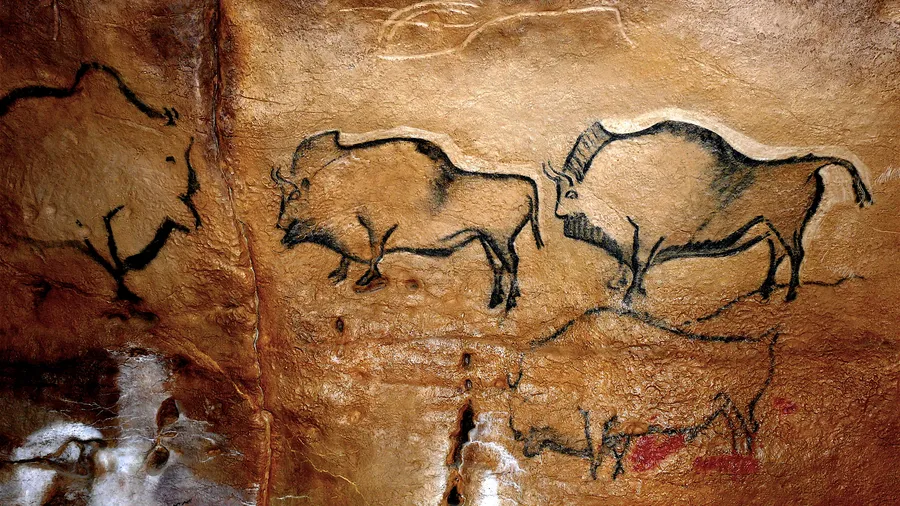
  • • Tito Bustillo Cave, UNESCO World Heritage Site with 15,000-year-old Magdalenian paintings
  • • Santa Marina Beach with dunes, surfing and a seafront promenade of 19th-century indianos mansions
  • • Recreational Sella canoeing and kayaking from June to September with return transport included
  • • Ribadesella seafood cuisine (goose barnacles, spider crab) and naturally poured cider in the old town

Description

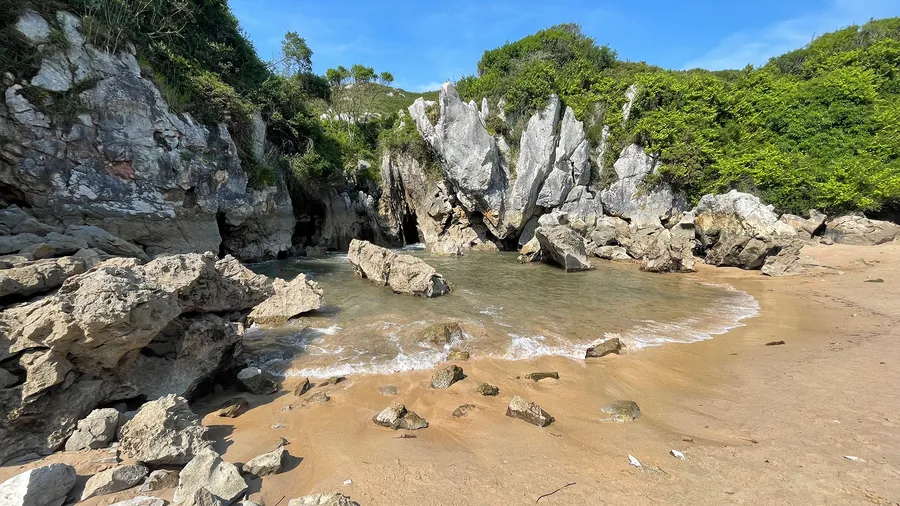
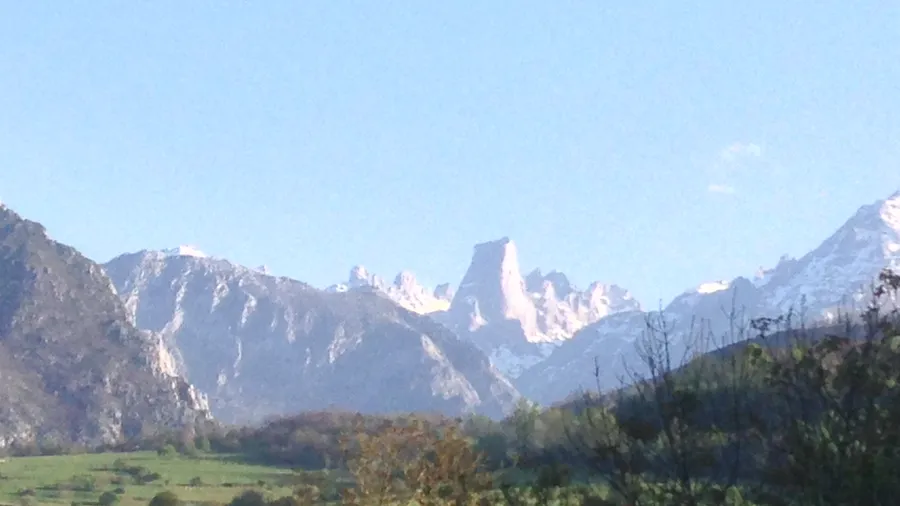
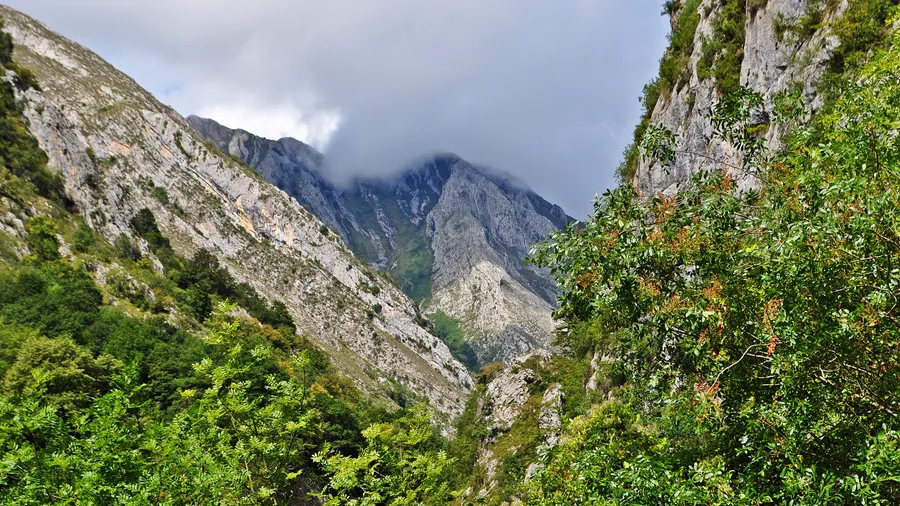
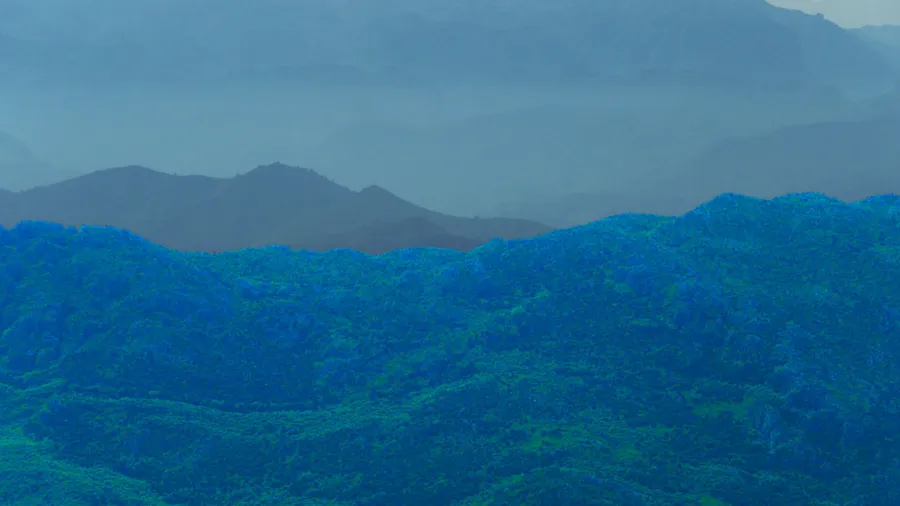
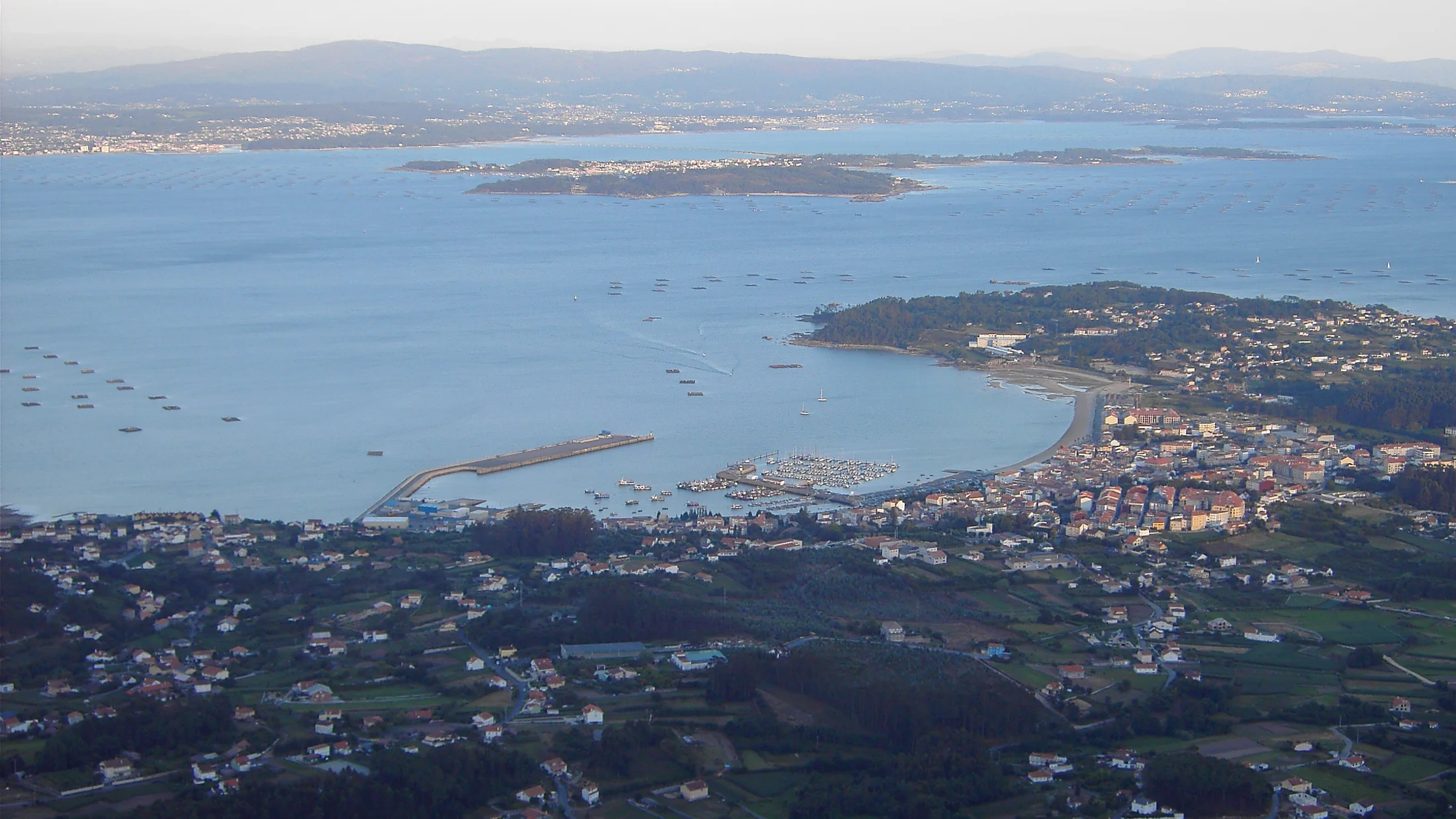
The Ria de Ribadesella is the final stretch of the Sella River, where its waters open into an estuary before reaching the Cantabrian Sea opposite Santa Marina Beach. The Sella flows 66 kilometres from its source at the Fuente del Infierno, near Oseja de Sajambre in Leon province, to this mouth on the eastern Asturian coast, at the foot of the Picos de Europa. The estuary proper begins at Santianes and passes through Llovio before reaching the town of Ribadesella, where fresh and salt water mix with the rhythm of the tides. At high tide the estuary widens and reflects the green tones of the surrounding hills; at low tide, sandbanks appear where grey herons search for food.

The International Descent of the Sella, held since 1930 on the first Saturday of August after the 2nd, is the sporting event that defines the area's identity. The race covers 20 km from the Arriondas bridge to the Ribadesella bridge, drawing over a thousand boats and paddlers from more than 20 countries each edition. It holds the status of Festival of International Tourist Interest. Beyond the official competition, recreational canoeing and kayaking on the Sella are available throughout the summer season (June–September), with numerous active-tourism operators offering the service including transport from Ribadesella to the starting point at Arriondas.

Ribadesella's cultural wealth centres on the Tito Bustillo Cave, declared a UNESCO World Heritage Site in 2008. Discovered in 1968, the cave preserves Magdalenian-period rock paintings — horses, bison and reindeer — ranking it among the most significant Palaeolithic art sites in the Franco-Cantabrian region, alongside Lascaux and Altamira. The visitor route covers 700 m of galleries with stalactites, stalagmites and columns. The cave is open from April to October and advance booking is required. Next to the cave, the Cave Art Centre offers reproductions of the original panels and interactive family workshops.

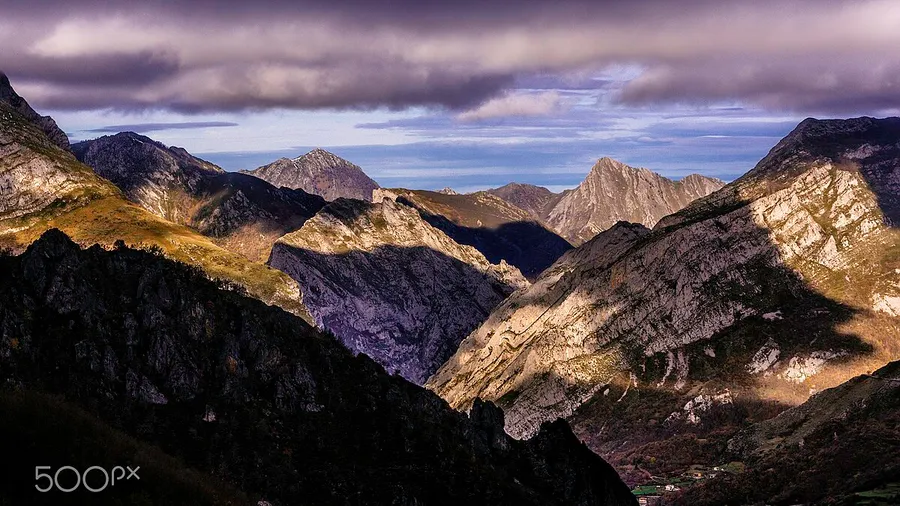
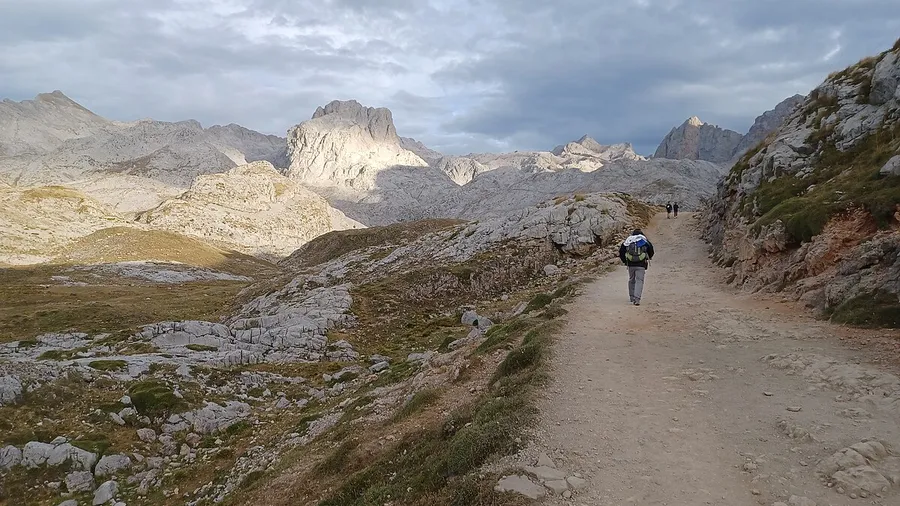
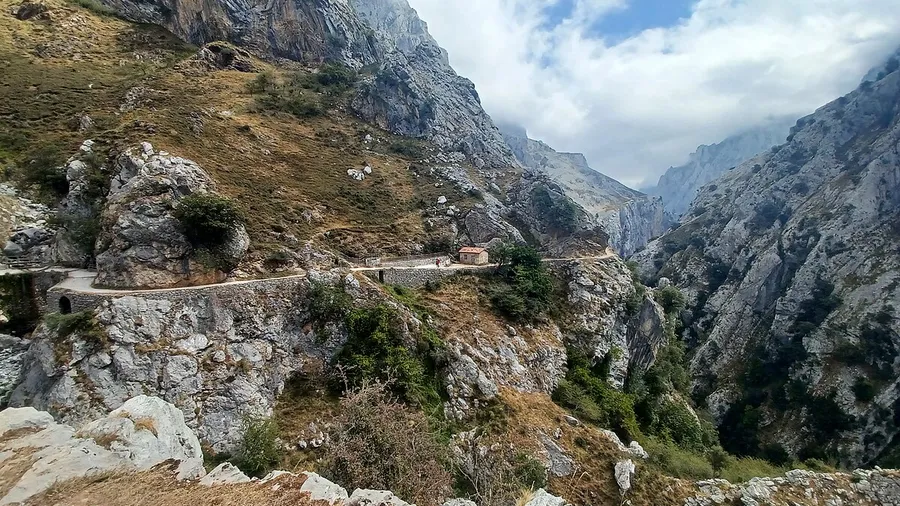
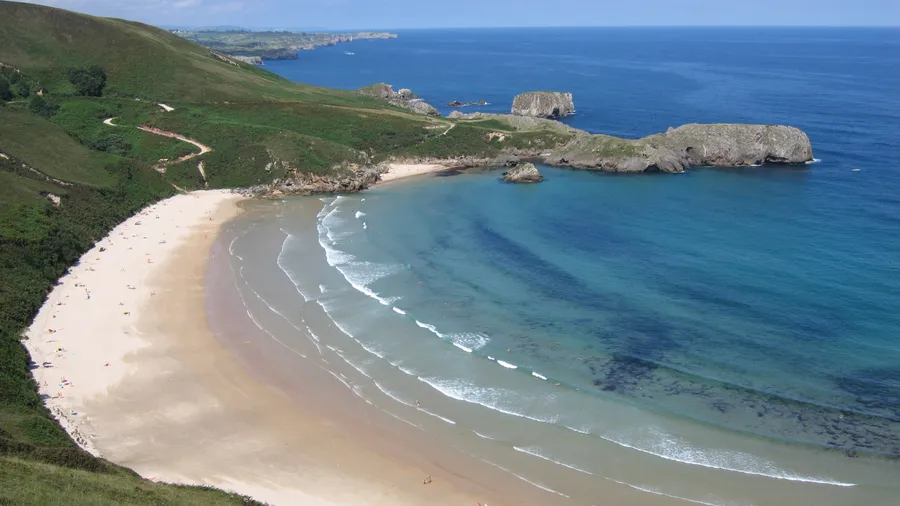
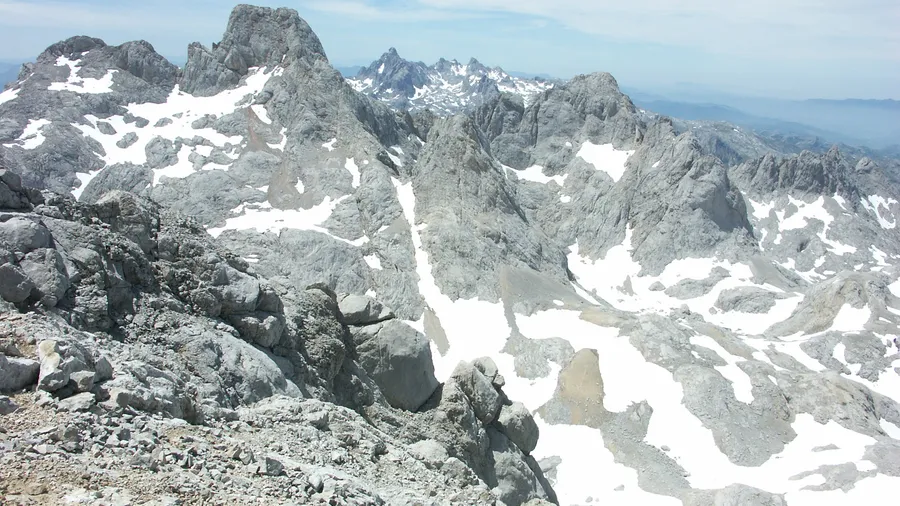
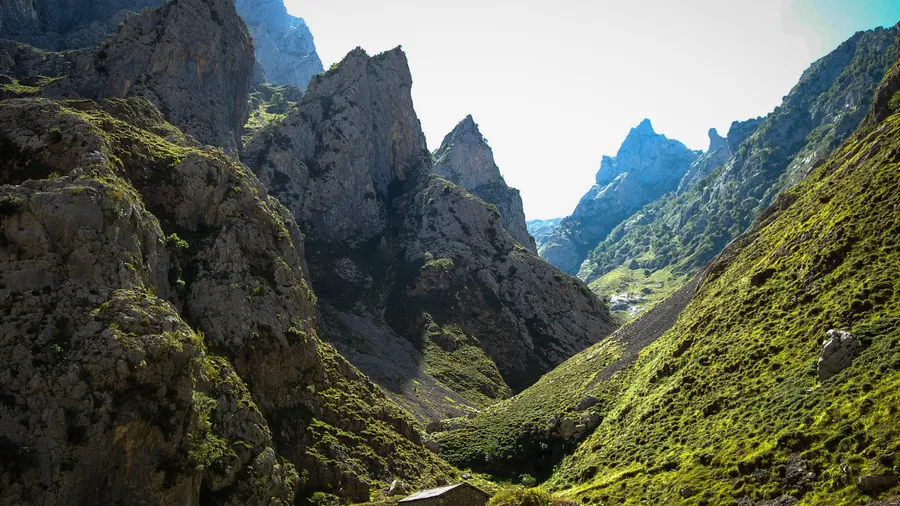
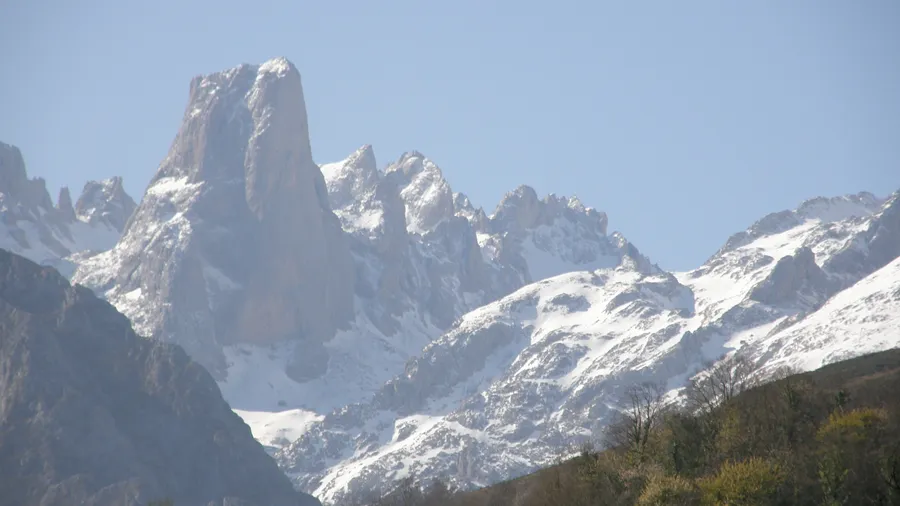
Santa Marina Beach, one of the most extensive in Asturias, closes the estuary on its left bank with a broad sandy stretch backed by dunes and a seafront promenade lined with 19th-century indianos mansions. Surfing is common on swell days, and local schools offer courses for all levels. Ribadesella's cuisine revolves around seafood — goose barnacles, spider crab, sea bass and fabes con almejas (bean and clam stew) — and natural cider, poured in the traditional manner in the old-town cider houses. The Paseo de la Grua promenade beside the estuary offers terraces with estuary views at reasonable prices. Nature enthusiasts can extend the visit with a trip to the Picos de Europa, accessible via the Covadonga Lakes less than 40 km away. The Cares Gorge trail, one of Spain's most popular hiking routes, starts from Poncebos, 25 km from Ribadesella. Atlantic salmon run the Sella between May and July, and salmon sport fishing is a deeply rooted tradition in the area, requiring a regional licence and beat permit.
Practical information

Everything you need to know for your visit to Ría de Ribadesella

How to get there
From Oviedo, take the A-64 then the AS-17 to Ribadesella, about 80 km (1 hour). From Santander, follow the A-8 towards Oviedo and exit at Ribadesella, around 130 km. ALSA buses run from Oviedo and Gijon several times daily. The nearest FEVE rail station is at Arriondas (20 km).
Area Information
Ribadesella has a tourist office, hotels, rural houses, restaurants and cider houses in the old town. The Tito Bustillo Cave Art Centre has exhibitions and workshops. Several active-tourism companies offer Sella descents, surfing and kayak routes.
Geography
Estuary at the mouth of the Sella River (66 km long) on the Cantabrian Sea, on the eastern Asturian coast. Surrounded by green hills at the foot of the Picos de Europa. The ria extends about 4 km from Santianes.
Flora & Fauna
Estuary birds: grey heron, great cormorant, mallard and whimbrel. Atlantic salmon and trout run the Sella between May and July. Riparian vegetation of alders, willows and reed beds. On the surrounding hills: oaks, chestnuts and eucalyptus.

Things to do

Find the best plans and things to do in Ría de Ribadesella

20

Accommodations

Best accommodation options in Ría de Ribadesella

Loading accommodation options...

Frequently Asked Questions

Get answers about Ría de Ribadesella

Recreational canoe and kayak descents are available from June to September through multiple active-tourism companies in Ribadesella and Arriondas. The service includes transport from Ribadesella to the starting point at Arriondas, the boat, life jackets and a basic briefing. No prior experience is needed. The 15–20 km course takes between 2 and 4 hours depending on water levels.
It is not advisable. The cave has very limited capacity for conservation reasons and is open only from April to October. Bookings are made online through the Tito Bustillo Cave Art Centre website. In peak season (July–August), slots sell out days in advance. If you cannot secure a cave entry, the adjacent Cave Art Centre offers reproductions of the paintings and can be visited without a booking.
It is an international canoeing competition held since 1930, classified as a Festival of International Tourist Interest. It takes place on the first Saturday of August after the 2nd, covering 20 km from Arriondas to Ribadesella. Over a thousand boats and paddlers from more than 20 countries take part. The day includes a festive atmosphere with live music, street events and celebrations in both towns.
Yes, Santa Marina is an extensive beach with good surfing conditions, particularly with northwest swells. Several surf schools on the beach offer beginner courses and board and wetsuit rental. The best conditions usually come in autumn and spring, when waves are most consistent. In summer the swell is gentler but still suitable for learners.
The old town of Ribadesella is packed with restaurants and cider houses serving local cuisine: goose barnacles, spider crab, sea bass and fabes con almejas (bean and clam stew). Natural cider is poured at the table in the traditional style. The Paseo de la Grua promenade beside the estuary has terraces with views. Prices are reasonable for the quality: a seafood menu runs about 25–35 euros per person.