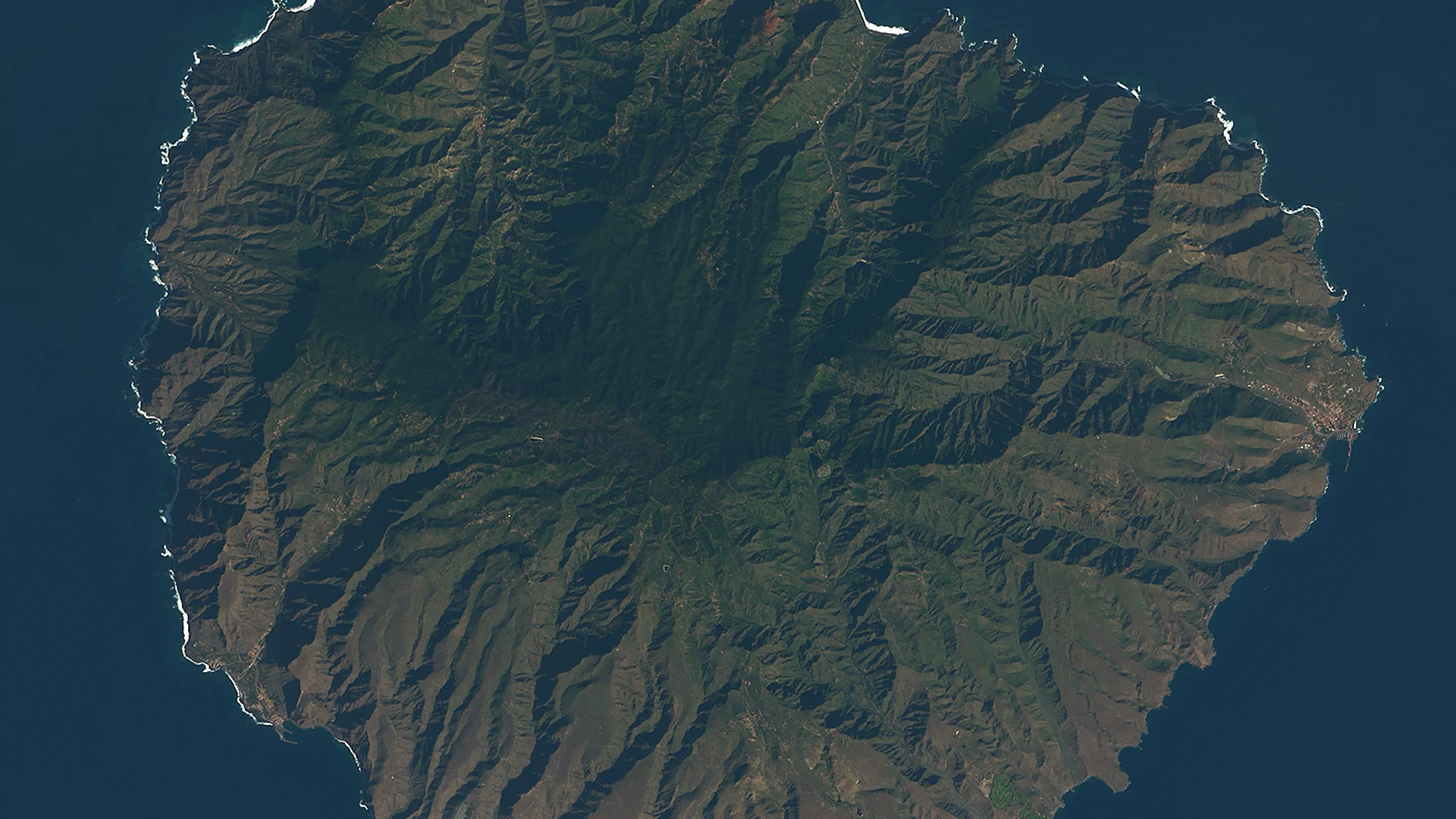
La Gomera is the island of vegetal silence. Spanning just 370 km2, this circular island in the Canary archipelago holds at its centre the Garajonay National Park, a laurel forest declared a UNESCO World Heritage Site in 1986 that seems drawn from another geological era: a mantle of perpetual mist feeds tree ferns, mosses hanging from twisted branches and trees that have not substantially changed in 20 million years.
Walking through Garajonay is a unique sensory experience. The air is thick, humid, scented with the earthy smell of decomposing leaf litter. Light filters in greenish tones through a canopy so dense that in some stretches it barely reaches the ground. This laurel forest -- a relic of the subtropical forests that covered southern Europe and North Africa in the Tertiary period -- covers 3,984 hectares and harbours over 400 flora species, around 50 of which are endemic to La Gomera according to the National Park.
But La Gomera is not only forest. Its ravines, carved over millions of years by water, create a knife-edge relief descending from Alto de Garajonay (1,487 m) to a coastline of vertical cliffs, black pebble beaches and small fishing ports. Valle Gran Rey, on the island's west side, is the most spectacular: a natural amphitheatre of terraced cultivation stepped over basalt walls that opens onto a beach where the sunset paints the Atlantic in gold and purple.
Silbo Gomero is perhaps the island's most extraordinary cultural heritage. This whistled language, declared a UNESCO Intangible Cultural Heritage in 2009, allows communication over distances of up to 5 kilometres using the acoustics of the ravines. It is not a simple code: it reproduces the complete structure of Spanish with whistles replacing vowels and consonants. Today it is taught in the island's schools and can be heard in demonstrations at restaurants and visitor centres.
La Gomera's history is linked to Christopher Columbus, who called at San Sebastián de la Gomera -- the capital -- before each of his four voyages to the New World. The Torre del Conde, a 15th-century fortress, is the oldest military building in the Canaries and witness to those historic stopovers. The Church of the Assumption, where tradition holds Columbus prayed before setting sail, preserves Mudéjar elements and a Flemish altarpiece.
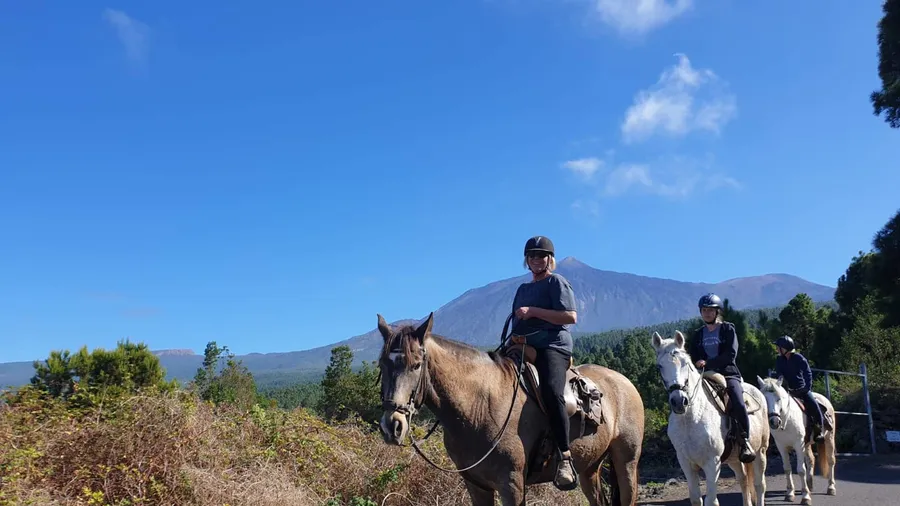
Hiking is the natural way to discover La Gomera. The island has over 600 kilometres of marked trails covering every vegetation zone: from the thermophilic forests of palms, dragon trees and junipers on the coast to the laurel forest of mid-elevations and the summit heathlands. The Contadero to El Cedro trail crosses the heart of Garajonay through a forest that resembles a fantasy film set, with beard lichens hanging from every branch.
Gomeran gastronomy is hearty and earthy: almogrote (a paste of cured cheese, pepper, garlic and oil) is the island's culinary ambassador, and palm honey -- a syrup obtained from Canary palm sap using the guarapo technique -- exists nowhere else in the world. Restaurants in Vallehermoso and Agulo serve watercress stews, marinated pork and escaldado gofio with the ease of those who cook what the land provides.
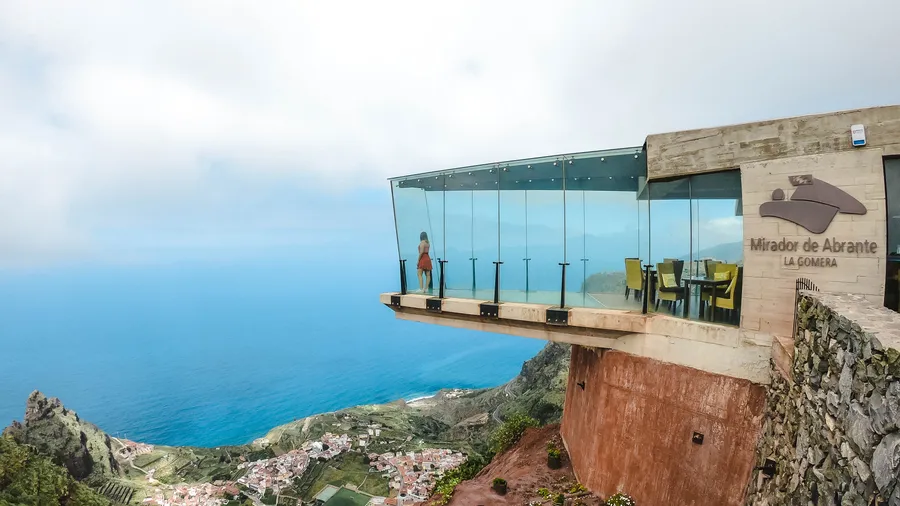
La Gomera demands slowness. Its winding roads, its viewpoints perched over the void and its hamlets of barely a handful of houses invite you to put away the clock and immerse yourself in an island rhythm the rest of the world has forgotten.