Ibiza is far more than the party island. Spanning 572 km2, this jewel of the western Mediterranean holds a history stretching back to the Phoenicians, a UNESCO World Heritage old town, posidonia meadows that oxygenate the sea and crystalline coves hidden between limestone cliffs.
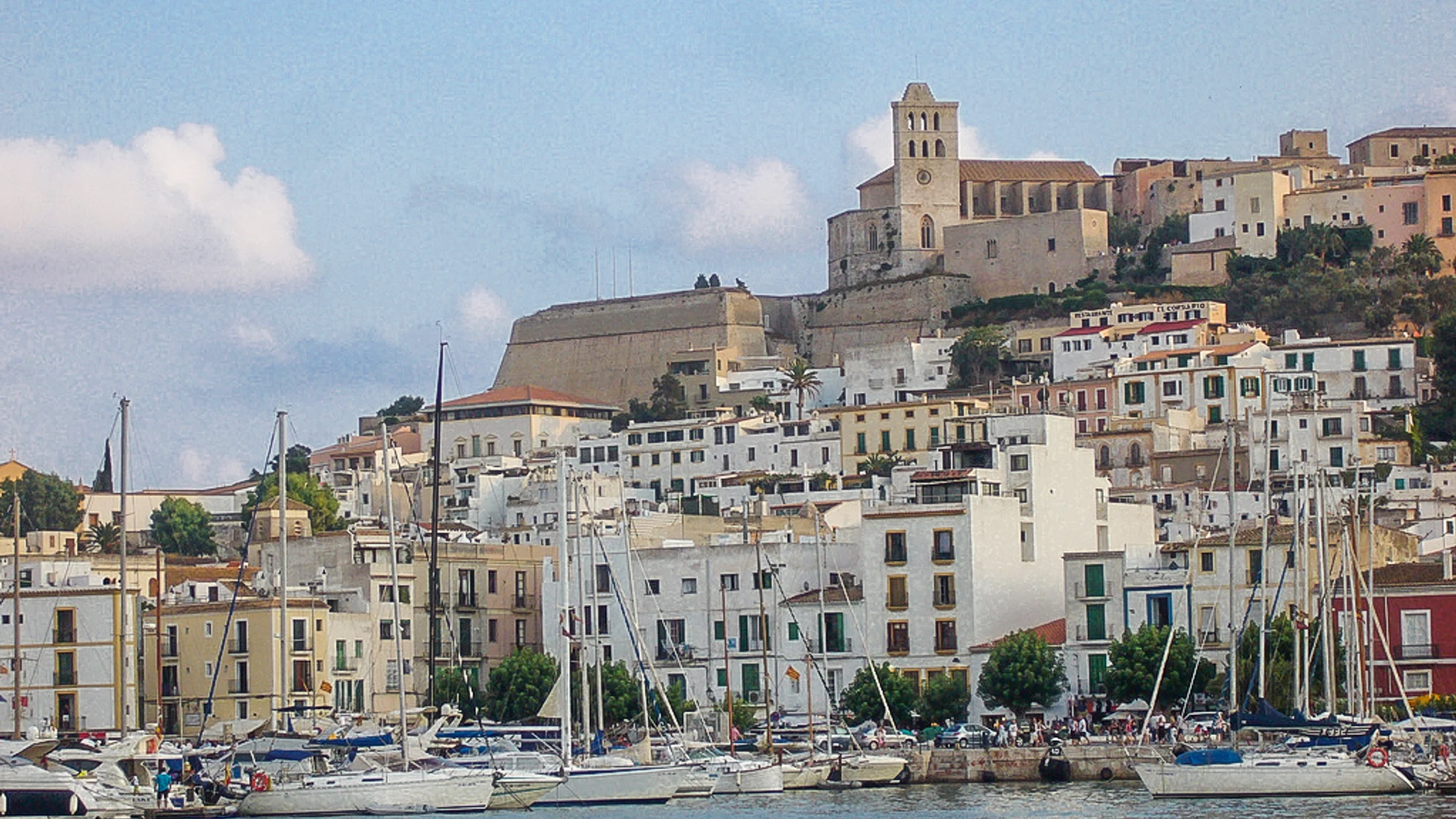
Dalt Vila, the walled city crowning Ibiza's harbour, is the island's historic heart. Its 16th-century Renaissance walls, designed by Italian engineer Giovanni Battista Calvi, rise over Punic and Roman remains you can explore at the Puig des Molins necropolis, the largest Phoenician-Punic necropolis in the Mediterranean with over 3,000 excavated hypogea. At sunset, the orange light filtering through Dalt Vila's cobbled alleyways turns every corner into a postcard where the present merges with 2,600 years of civilisation.
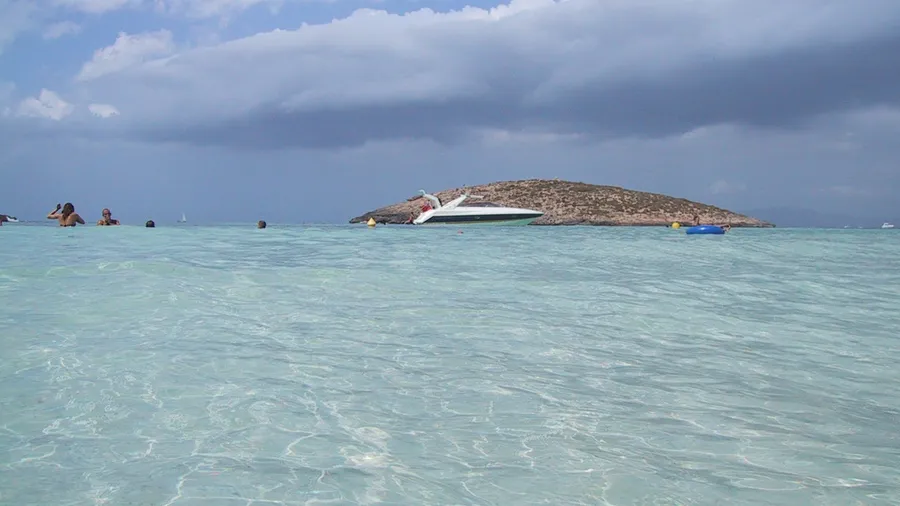
UNESCO did not just protect the old town: in 1999, the World Heritage declaration also included the Posidonia oceanica meadows surrounding the island, especially those stretching between Ibiza and Formentera in the Ses Salines natural park. This marine plant -- not a seaweed -- generates 50 % of dissolved oxygen in the western Mediterranean according to Spain's Oceanographic Institute, and its meadows are responsible for the legendary clarity of Ibiza's waters.
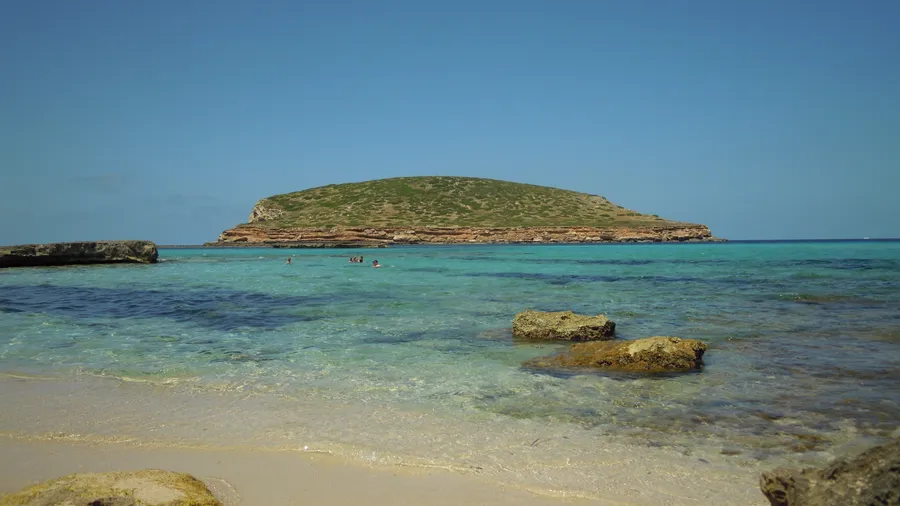
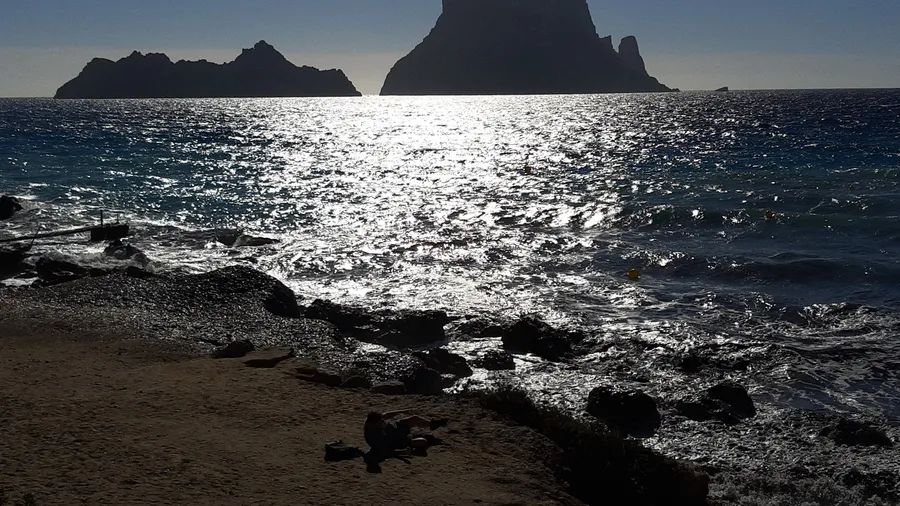
Ibiza's coves are a catalogue of Mediterranean beauty. Cala Salada, with its pines almost touching the water; Cala Comte, where the sun sinks into the horizon to applause; Cala d'Hort, guarded by the mystical silhouette of Es Vedrà, a 382-metre islet that has fuelled legends for centuries. Beyond the famous beaches, the northern coast hides spots like Cala Xarraca or Pou des Lleó, where swimming in solitude is possible even in August.
Inland Ibiza is a world apart. Almond fields, centuries-old carob trees, fortified white churches like Sant Miquel de Balansat and traditional farmhouses (fincas) that define a rural landscape where the pace of life is slow and aromatic: rosemary, thyme and almond blossom scent the pathways. Artisan markets -- Las Dalias in Sant Carles and the Sant Joan market -- keep alive the creative spirit that attracted the hippie community in the 1960s.
Ibizan gastronomy reflects its island character: bullit de peix (fishermen's stew with potatoes and alioli), ensalada payesa, sofrit pagès with farmyard meats and greixonera de brossat, a ricotta dessert with cinnamon and lemon. All washed down with hierbas ibicencas, the local anise liqueur that has closed meals for generations.
Ibiza is also music and creativity. Beyond the mega-clubs, the island hosts a vibrant cultural scene: the Sant Rafel jazz festival, contemporary art galleries in Santa Gertrudis and ritual sunsets at Benirràs with drums bidding farewell to the sun every summer Sunday. The island pulses, but it also knows how to fall silent: there is an Ibiza of quiet, of coastal trails and of dawns known only to the early risers.