Formentera is the smallest inhabited Balearic island and probably the one that most closely resembles the Mediterranean ideal that Europe has already lost almost everywhere else. With barely 83 square kilometres of surface area and around 12,000 inhabitants, this flat, elongated island between two capes — Cap de Barbaria to the south and the Es Trucadors peninsula to the north — preserves a landscape of transparent waters, wheat fields, centuries-old fig trees and rural lanes best explored by bicycle rather than car.
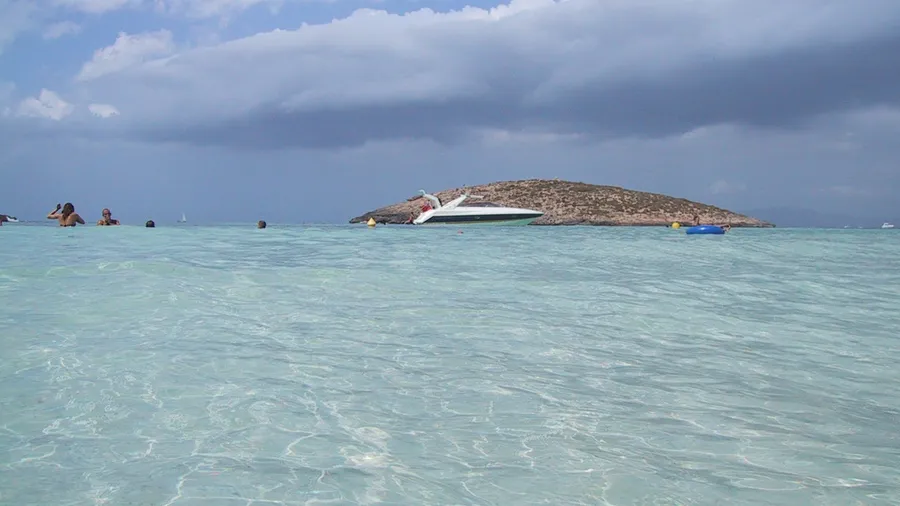
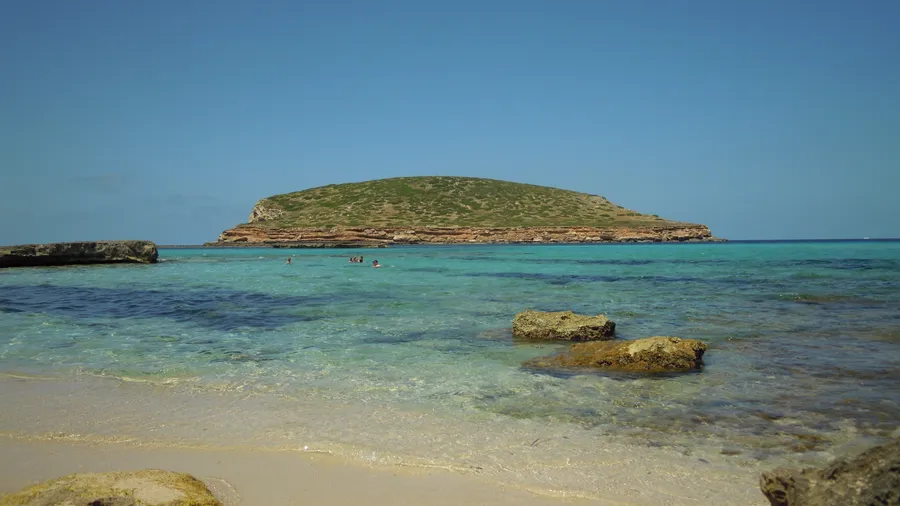
What first strikes you about Formentera is the colour of the water. The Posidonia oceanica meadows surrounding the island — declared a UNESCO World Heritage Site in 1999 as part of the Ibiza ensemble — filter and oxygenate the sea to produce a transparency that reaches fifty metres of visibility on good days. Ses Illetes beach, on the sand spit connecting the main island to the Es Trucadors peninsula, regularly appears on lists of the world's best beaches, and a snorkel mask is all it takes to understand why: the white-sand and green-posidonia seabed is visible with a clarity that feels unreal.
But reducing Formentera to Ses Illetes is like reducing Tenerife to Teide. Migjorn beach stretches along nearly the entire south coast with six kilometres of sand broken by rocks and coves, each section with its own character: from beach bars with music around Es Arenals to solitary corners near the Es Cap lighthouse. Inland, the green routes (signposted cycling and walking paths following old rural tracks) cross cereal fields, replanted vineyards and pine-and-juniper woodland.
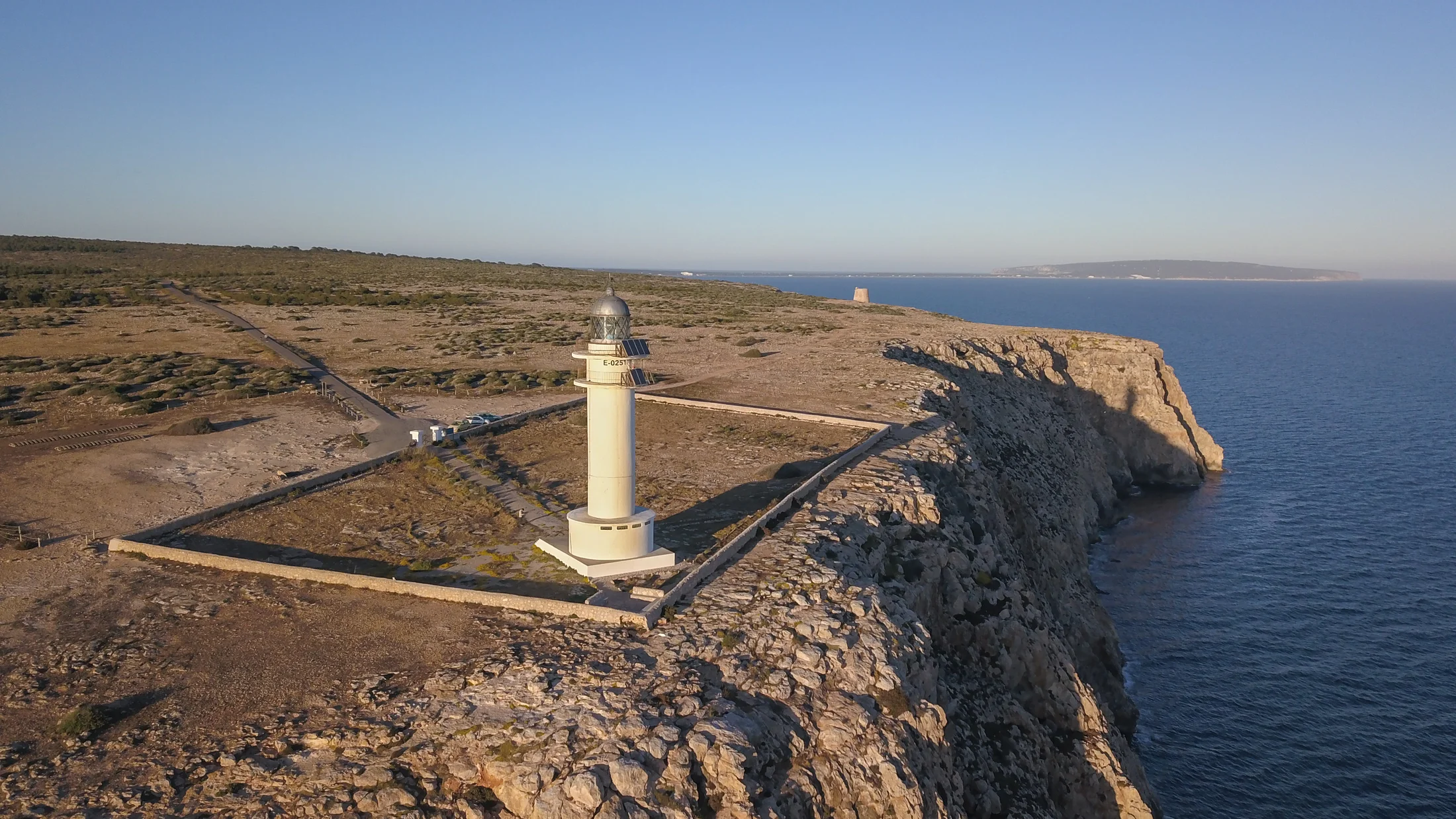
Cap de Barbaria, at the southern tip, is one of the most evocative landscapes in the western Mediterranean. A limestone plateau, scoured by the wind, ends at a hundred-metre cliff above the sea. The solitary, photogenic lighthouse became world-famous through the film Sex and Lucia (2001). Beside the lighthouse, a natural opening in the rock lets you descend into a cave that opens onto the cliff face and frames the horizon like a window onto the void.
Formentera has a history of isolation that explains its present character. Depopulated for centuries by pirate raids, it was resettled in the 18th century by families from Ibiza who brought with them the architecture of whitewashed cubic houses, water wells and subsistence economy that still shapes the landscape. Salt was for centuries the main resource: the salt pans of Es Marroig and Ses Salines, in the north of the island, remain active and also serve as an important wetland for migratory birds such as flamingos, grey herons and Kentish plovers.
The island is easily explored by bicycle — its highest point, La Mola, does not exceed 192 metres — and the network of cycle lanes and green routes covers over thirty kilometres. It is the most fitting way to travel around a place that has embraced sustainable, low-density tourism. A car is dispensable; an electric bicycle is the perfect ally for climbing to La Mola, where the lighthouse perched on the eastern cliff and the artisan market held on Wednesdays and Sundays make the ascent worthwhile.
Formentera's gastronomy revolves around local produce: catch of the day (gerret, raor, squid), ensalada payesa with peix sec (dried fish), flaó (cheesecake with spearmint) and wines from the Cap de Barbaria winery, which has revived indigenous varieties such as monastrell and fogoneu. Beach bars and restaurants in Sant Francesc serve food that is, like the island, simple and honest.
Formentera has no airport. Access is exclusively by ferry from Ibiza (30 minutes by fast boat from the port of La Savina). That small logistical barrier is, paradoxically, its greatest protection: it forces a pause, a change of pace, that prepares the visitor for an island where time works differently.