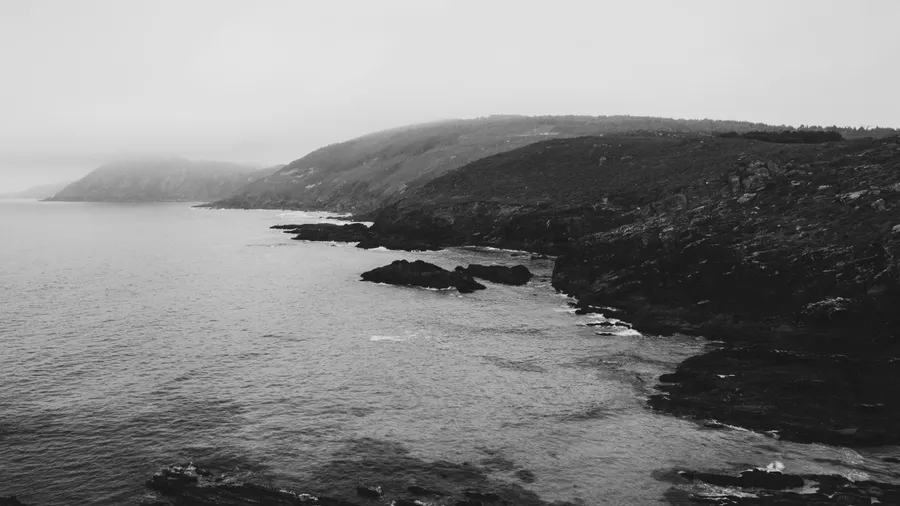
Guided visit to Baelo Claudia
Roman archaeological site listed as Asset of Cultural Interest. Forum, basilica, theatre and 2nd-century-BC salting factory next to Bolonia beach. 1.5-2 h visit with an official guide; book ahead in season.
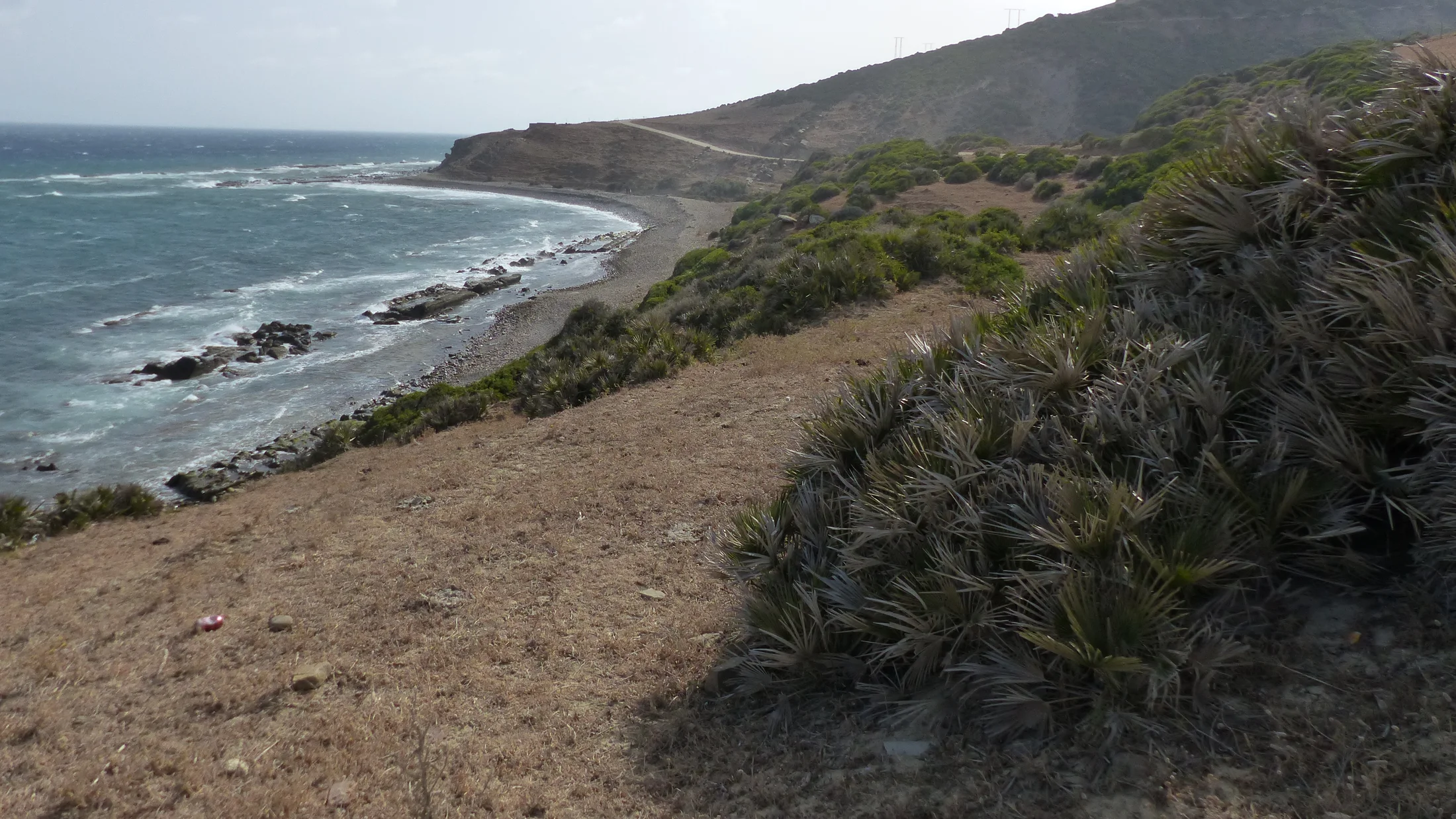
Three to five days walking one of the wildest Mediterranean coasts left: white villages, Roman ruins and Africa across the water.
From 550 € /person
No commitment · We design it with you
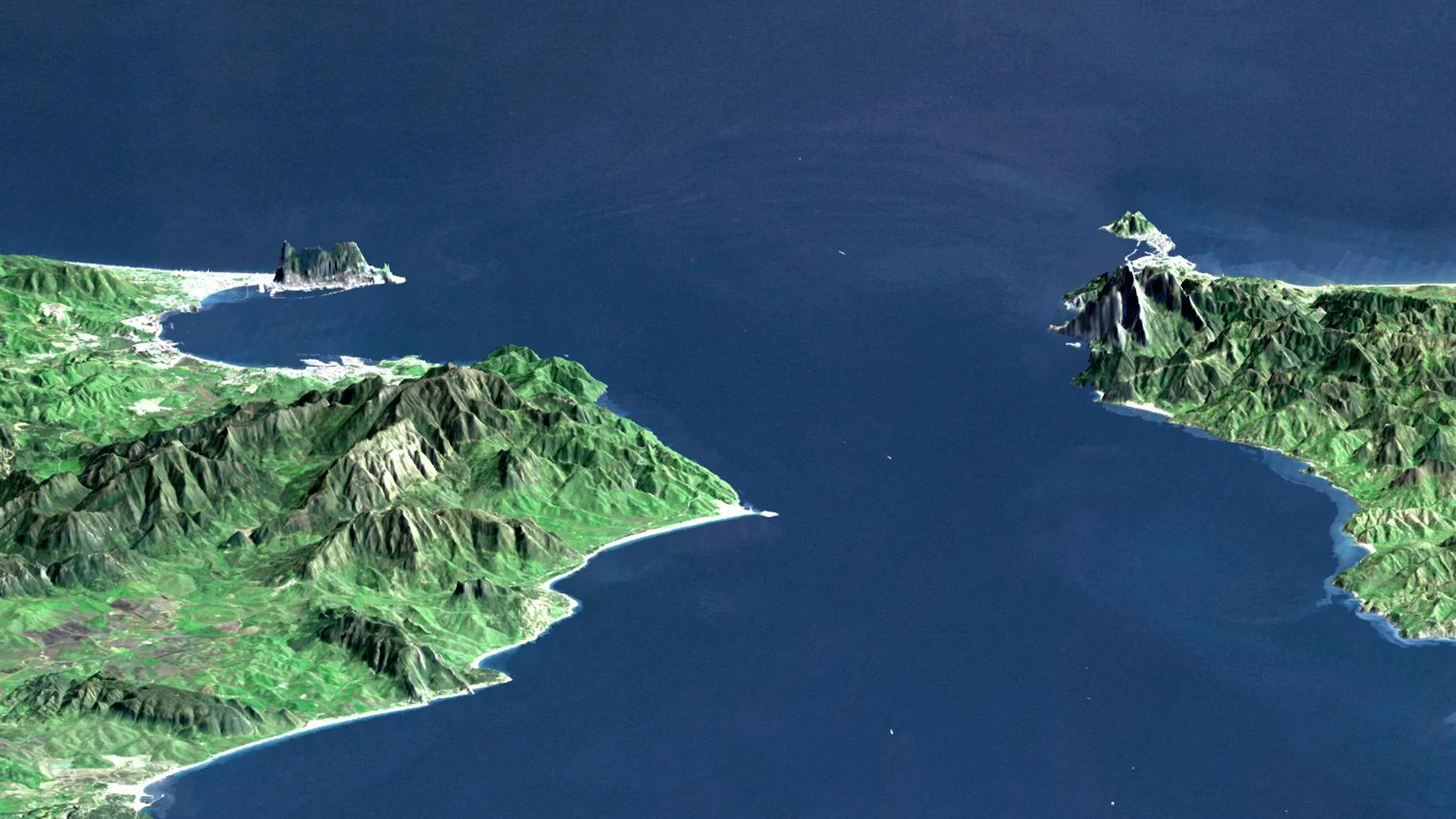
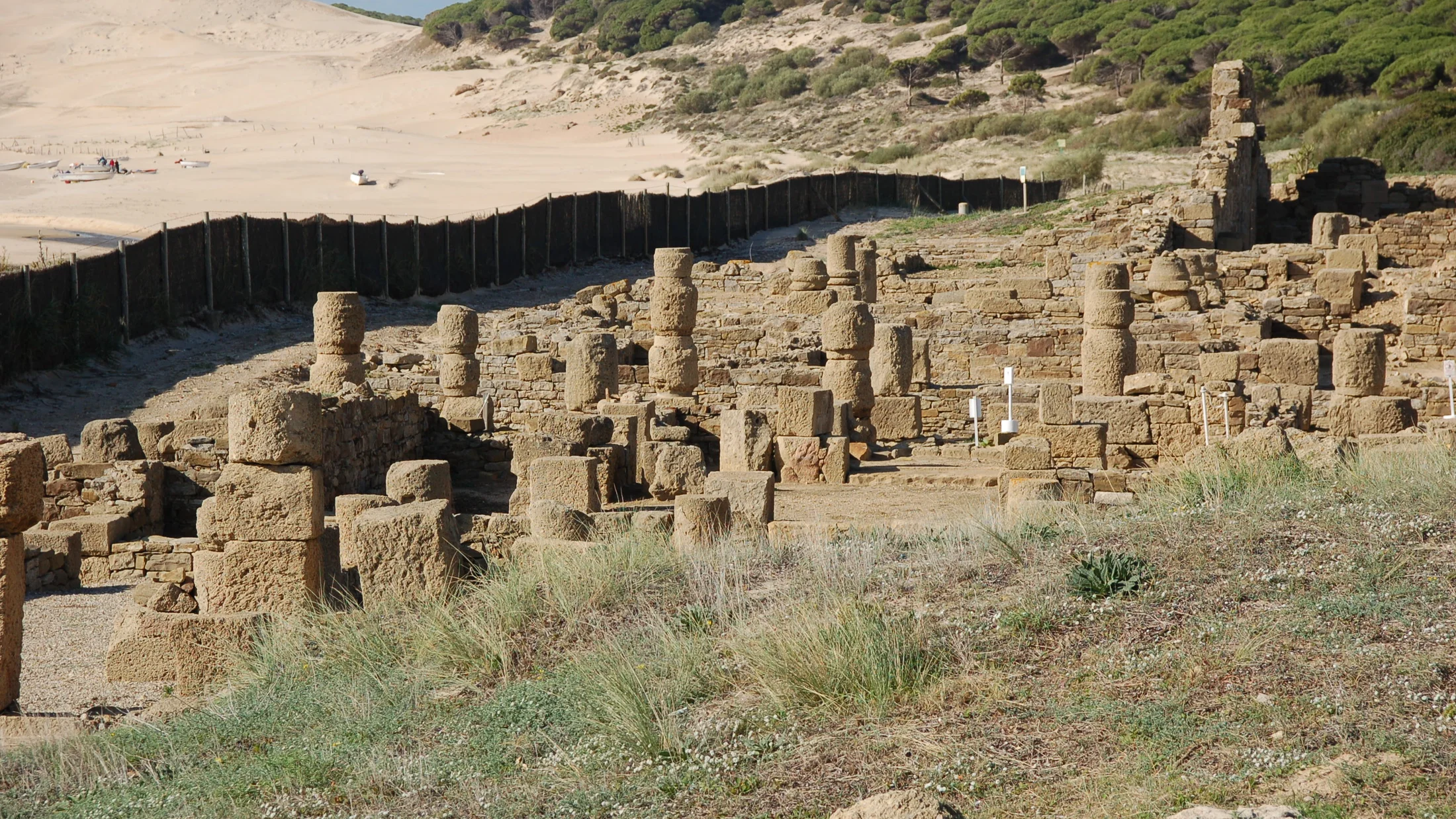
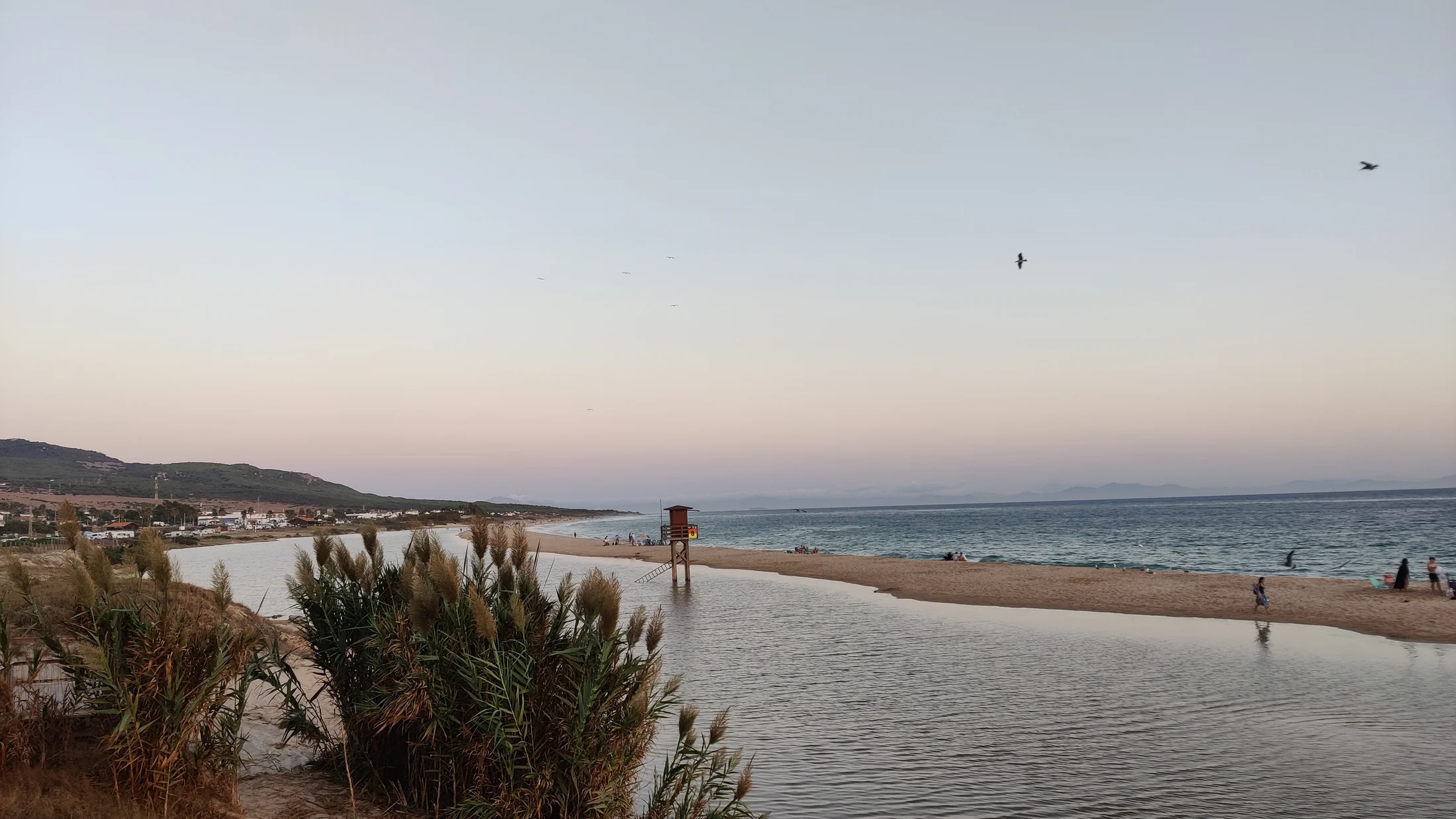
Between Algeciras and Punta Camarinal, the Natural Park of the Strait protects 18,000 hectares of undeveloped land. It is the largest stretch of unspoiled Mediterranean coastline remaining on the peninsula. There are no promenades, resorts or housing developments—only dunes, cliffs and pine forests.
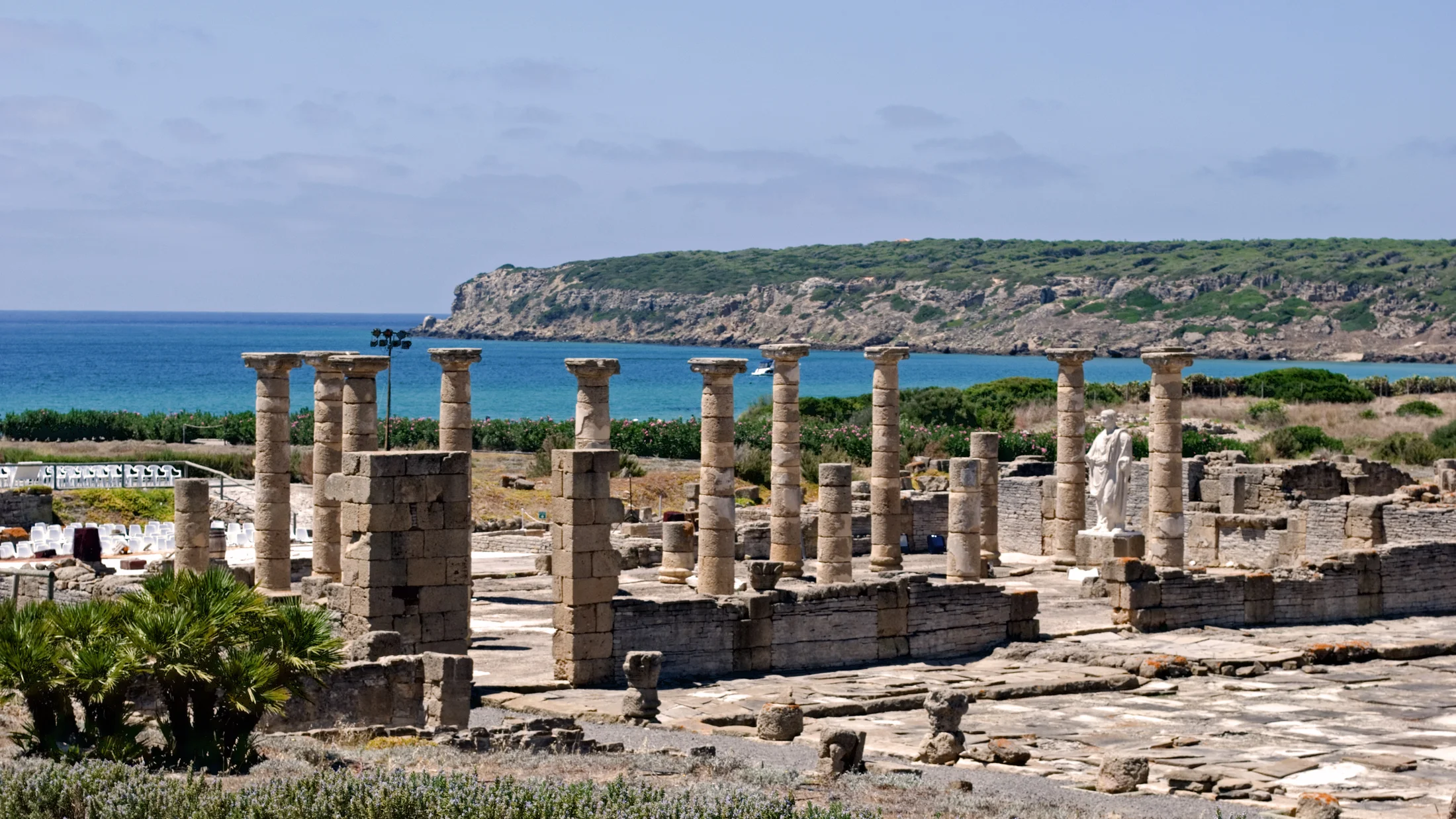
Founded in the 2nd century B.C., Baelo Claudia was the largest garum (fish sauce) factory in the western Mediterranean. It has a forum, basilica, theater and baths still standing, open to the public. The route passes literally alongside: you sleep in Bolonia, 800 m from the archaeological site.
The Strait of Gibraltar has only 14 km of sea between two continents. More than 200 species of birds pass through here every year heading to Africa—storks, black kites, booted eagles, bee-eaters. The Cazalla Observatory (free, near Tarifa) lets you see them live from September to October.
The Moroccan Rif mountain range, Mount Hacho of Ceuta and Jebel Musa are a visual companion from almost any viewpoint in the park. It’s a mental experience unlike any other coastal journey in Europe: you walk in Europe and see Africa on the horizon without batting an eye.
This fits if you want to walk an unspoilt Mediterranean coast, you like sleeping in small towns, the wind doesn't bother you and you're fine with Tarifa being odd — surfer, Andalusian, North-African and military all at once. Couple, friends or small group works.
Skip if you want high mountains or serious elevation: this is flat-rolling, no summits. Or if you need a resort hotel and a crowded promenade — this is the opposite. If you want Pyrenean huts, look elsewhere; here you sleep in village guesthouses.
An editorial showcase of what the destination offers. Nothing to book here - we shape it when you write to us.
What makes this place different: heritage, crafts, local history.
Backpack essentials: boots, layers, headlamp, and the basics.
Eating well without the manual - local product, village pace.
Where you sleep - inns, rural houses, hotels with character in the valley.
Getting there, getting back, and internal transfers - so you only have to walk.
Landscape unfiltered: what you see on foot, without the car.
Day by day: distance, elevation, and where you sleep at the end of each stage.
Average fitness. 12-18 km daily, flat-rolling, <400 m cumulative climb per day. The real difficulty isn't elevation but loose sand (twice the effort), no shade and headwind. If you can walk 3 flat hours straight, you're fine.
Best season: April-June and September-October. Summer: heat + extreme wind + crowded beaches. Winter: Atlantic storms close stages.
Wind: Levante (E) and Poniente (W) are the local currency. 300 days/year. Not negotiable: it hits your face and the sand flies. Check Tarifa/Punta Paloma forecast before each stage.
Access: airports of Jerez (95 km), Gibraltar (45 km), Málaga (155 km). Tarifa bus station connects to Cádiz, Seville and Algeciras. A car helps shuttling between stage points.
Gear: light hiking boots, windproof jacket (non-optional), buff, wraparound sunglasses (sand), 2 L water per person, cap. No shade in the dune strip.
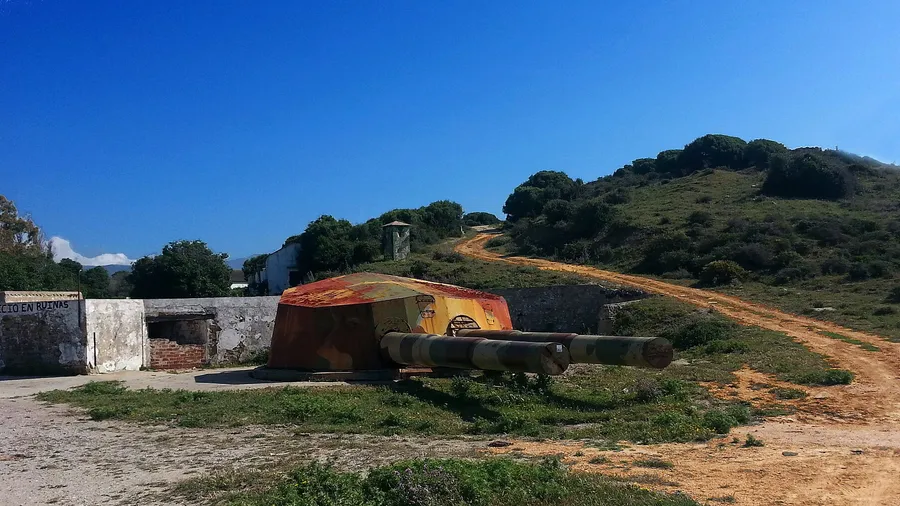
Permits: the park is open access. Some zones (Punta Camarinal, bunker) are restricted for defence or nesting; respect signage.
Book the Baelo Claudia site in advance in high season — capacity is limited and the guided tour is worth it. Walk west-to-east when the Levante is strong (wind behind you). Carry coins: beach bars in Bolonia and Valdevaqueros don't always take cards. If a stage starts with Levante >40 km/h, skip it without shame — it'll cost you double. And catch the September bird migrations at the Cazalla Observatory, free.
It's a trek with a thread: you progress west-east along the coast (Tarifa → Bolonia → Cabo de Gracia) changing accommodation every night. But some sections need a car-shuttle because 2-3 stretches are military or private. Not a pure GR, hybrid.
Above 40 km/h sustained walking gets hard and sand stings face/eyes. Above 60 km/h forget it. Good news: there's an official Tarifa app and the 7-day forecast is reliable.
Kids 10+ who walk, yes. Below that the sand, sun and wind drain them fast. Families with small kids: ask the concierge for a 'base in Bolonia + short walks' version.
Rural guesthouses or small hotels in Tarifa town, Bolonia or Zahara de los Atunes. No mountain huts. Bed is in the village, not on the coast.
Yes — on clear days the Rif range is sharp; Mount Hacho (Ceuta) and Jebel Musa (Morocco) stand out. Calima or low clouds blur it. Best lookouts: Punta Paloma, Cabo de Gracia, Punta del Tambor.
Cetacean spotting runs from Tarifa harbour (not included in the trek). Sperm whales, orcas in July-August, common dolphins year-round. Add it as a side activity if you want.
Tarifa town is busy in July-August, but the park beaches (north Punta Paloma, Cala de los Alemanes, Cabo de Gracia) stay empty because you must walk in. Spring and autumn: kilometres to yourself.
Quick filters
We'll shape it around you
Tell us how you travel - dates, group, pace, budget - and we'll design the trip exactly the way you need it.