Sierra Nevada high-mountain traverses

Sierra Nevada high-mountain traverses

High-mountain traverses across the highest massif on the Iberian Peninsula: Mulhacén, Veleta, Alcazaba and the Tresmiles Traverse, with staffed mountain huts and a base in Las Alpujarras.

From 100 € /person

2-7 nights
Andalusia

No commitment · We design it with you

§02 · The place

The roof of Iberia is walked, not admired from afar

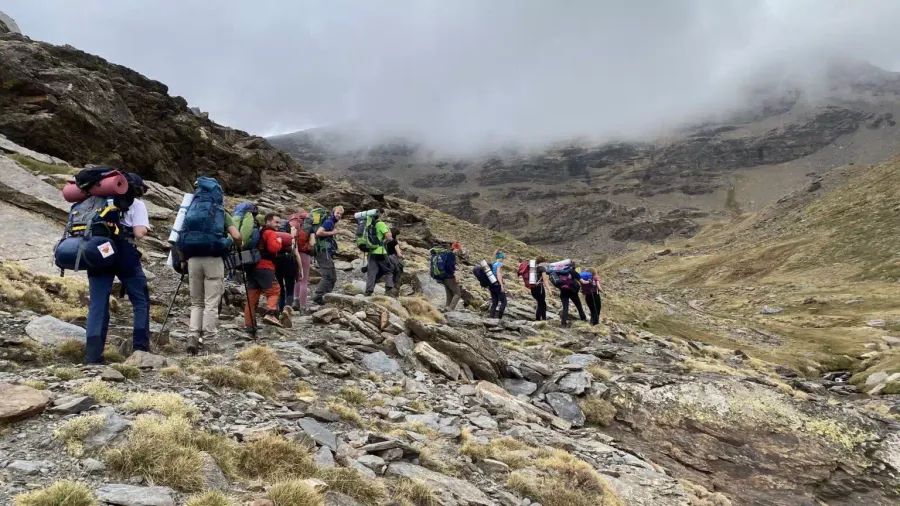
You wake up at the Refugio Poqueira at 2,500 metres, the dry air biting your face and the light still blue. You climb in the dark, one hour, two, until the sun opens up the Genil valley. Above the Mulhacén you see the Mediterranean and, if the day is clear, the line of Africa in the distance. In the afternoon you descend to Capileira and the air smells of thyme and wood-fired oven. Your legs complain, but the silence of the high mountains has already settled inside you.
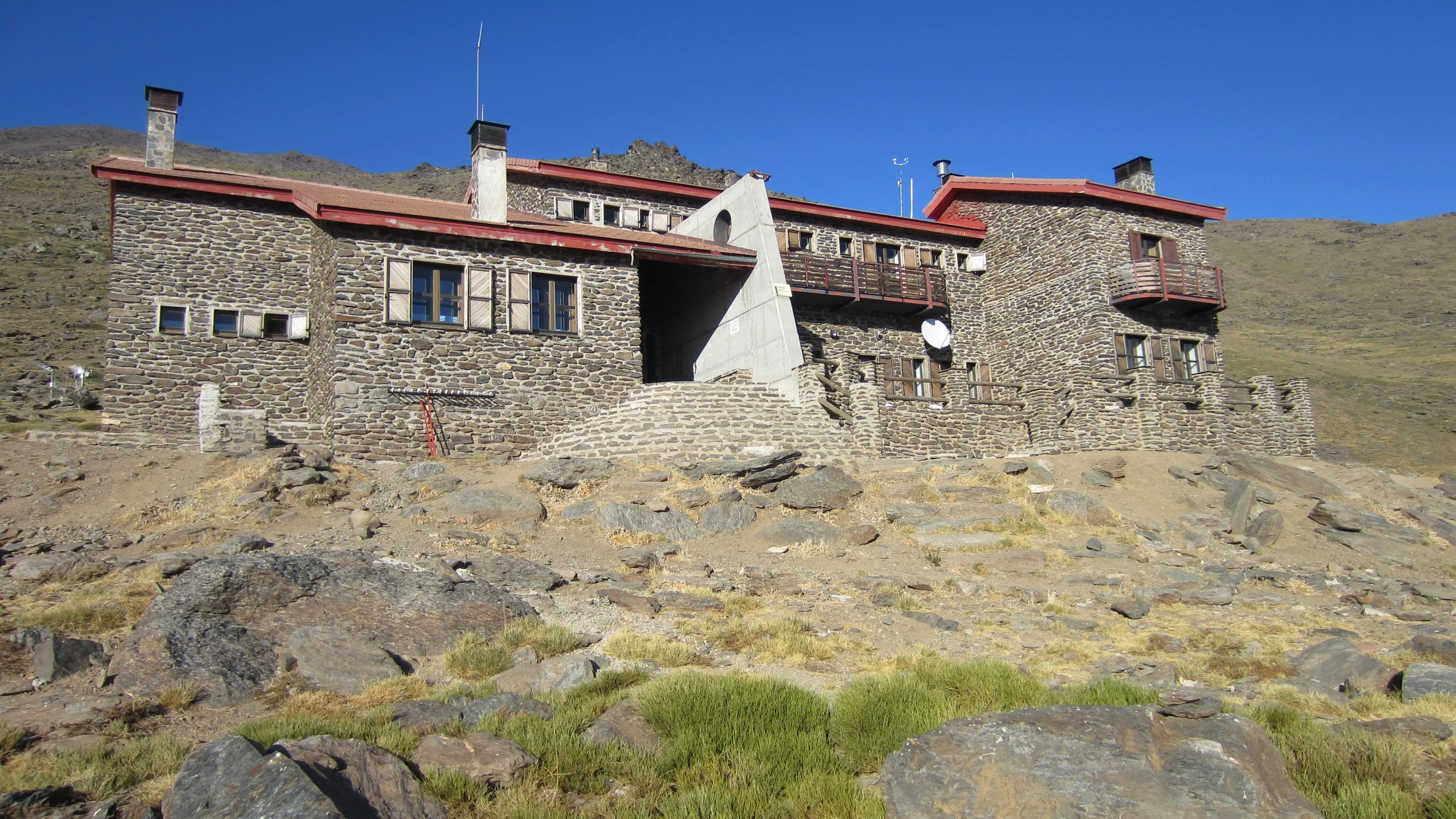
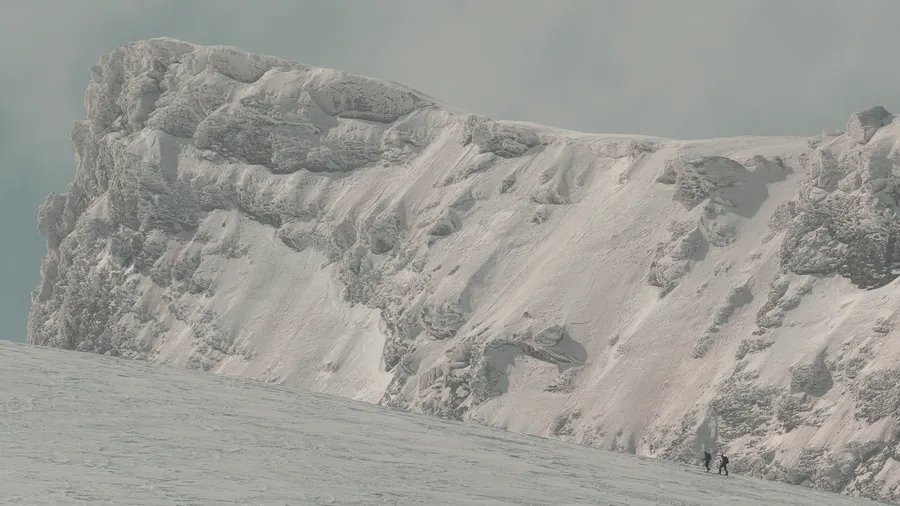
West face of Mulhacén (3,479 m), the highest peak in the Iberian Peninsula, with the Caldera Refuge in the foreground.
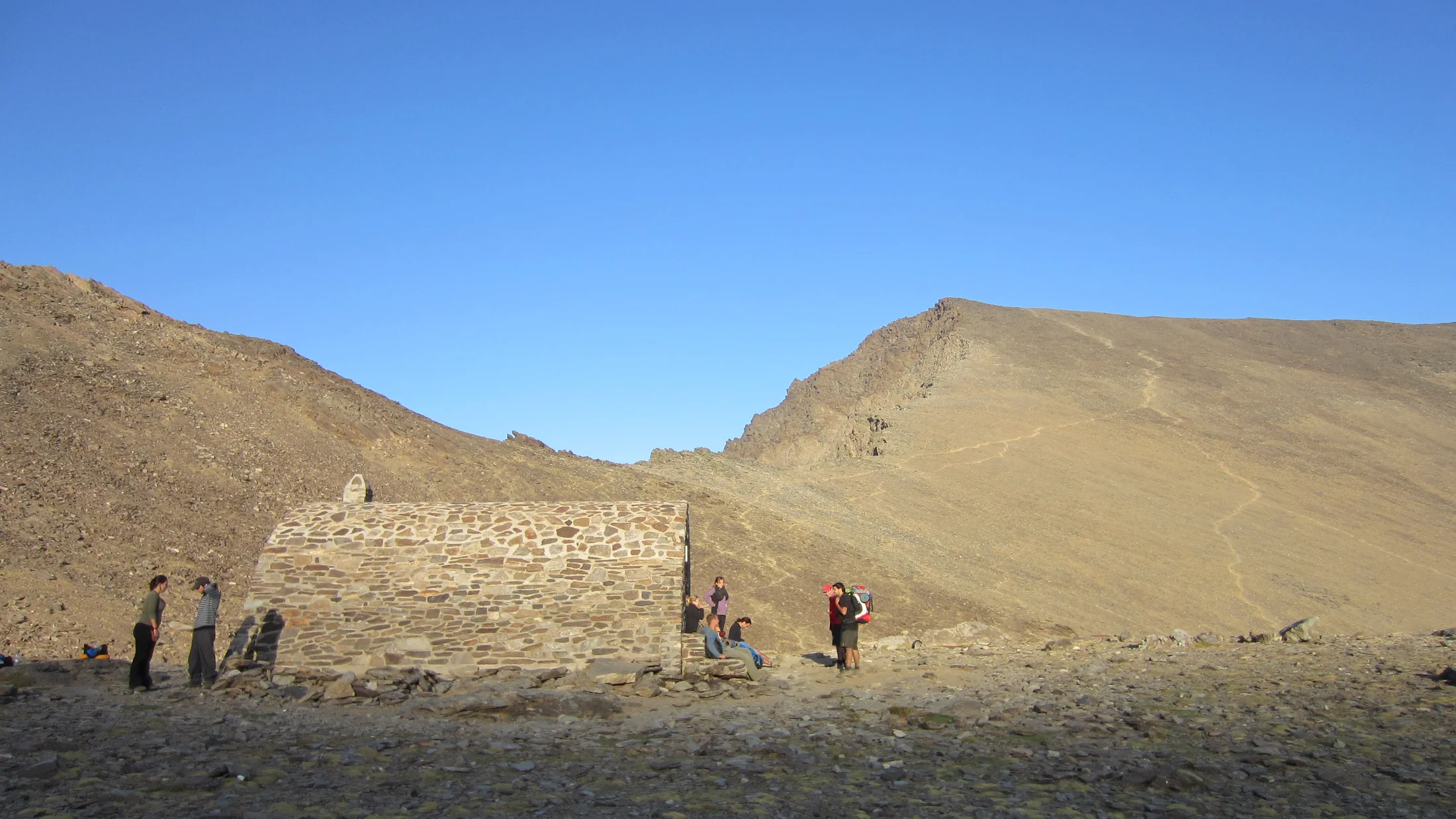
Poqueira Refuge (2,500 m), managed by the Andalusian Mountaineering Federation. A usual base for crossings.
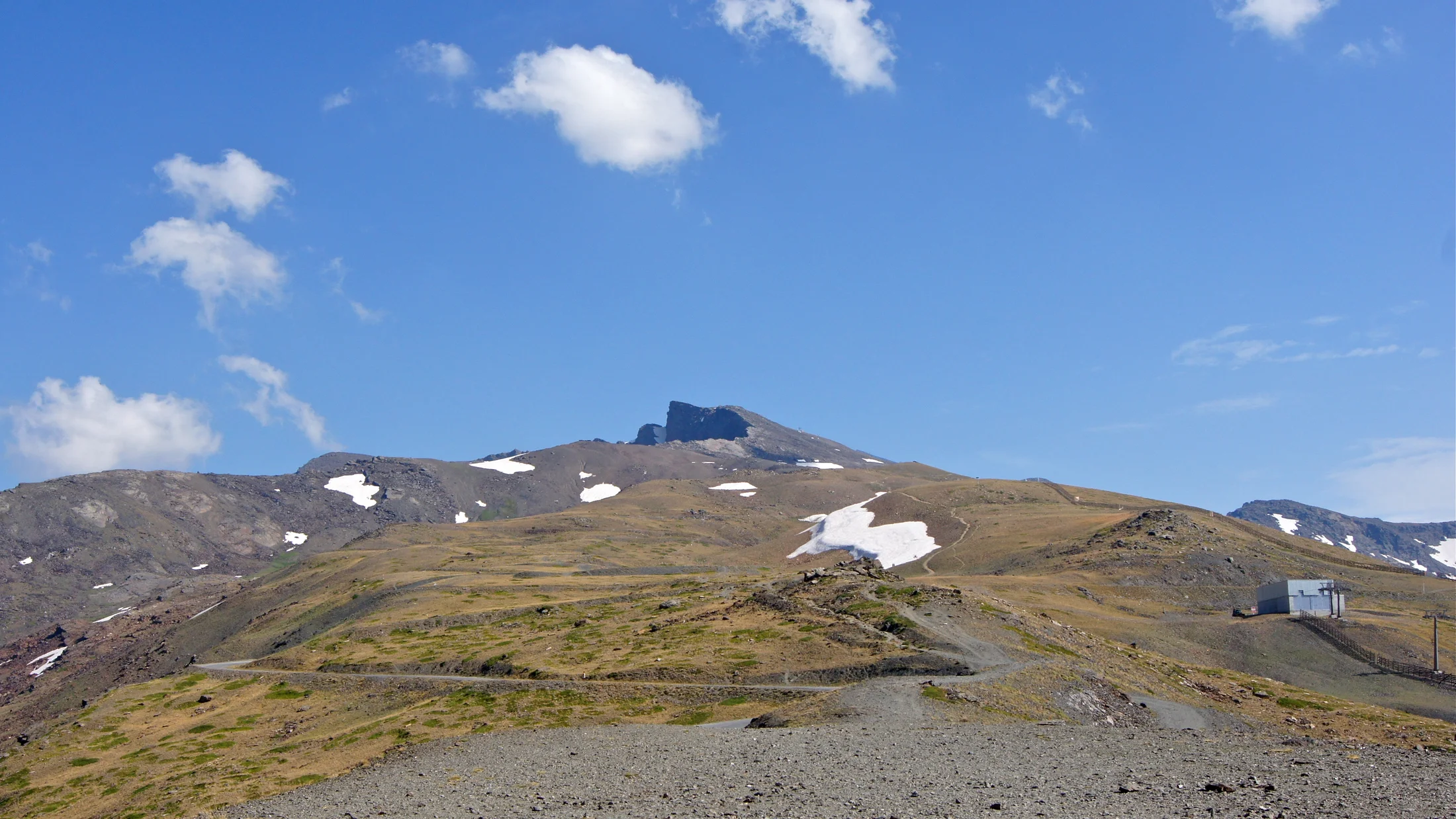
Veleta
Veleta
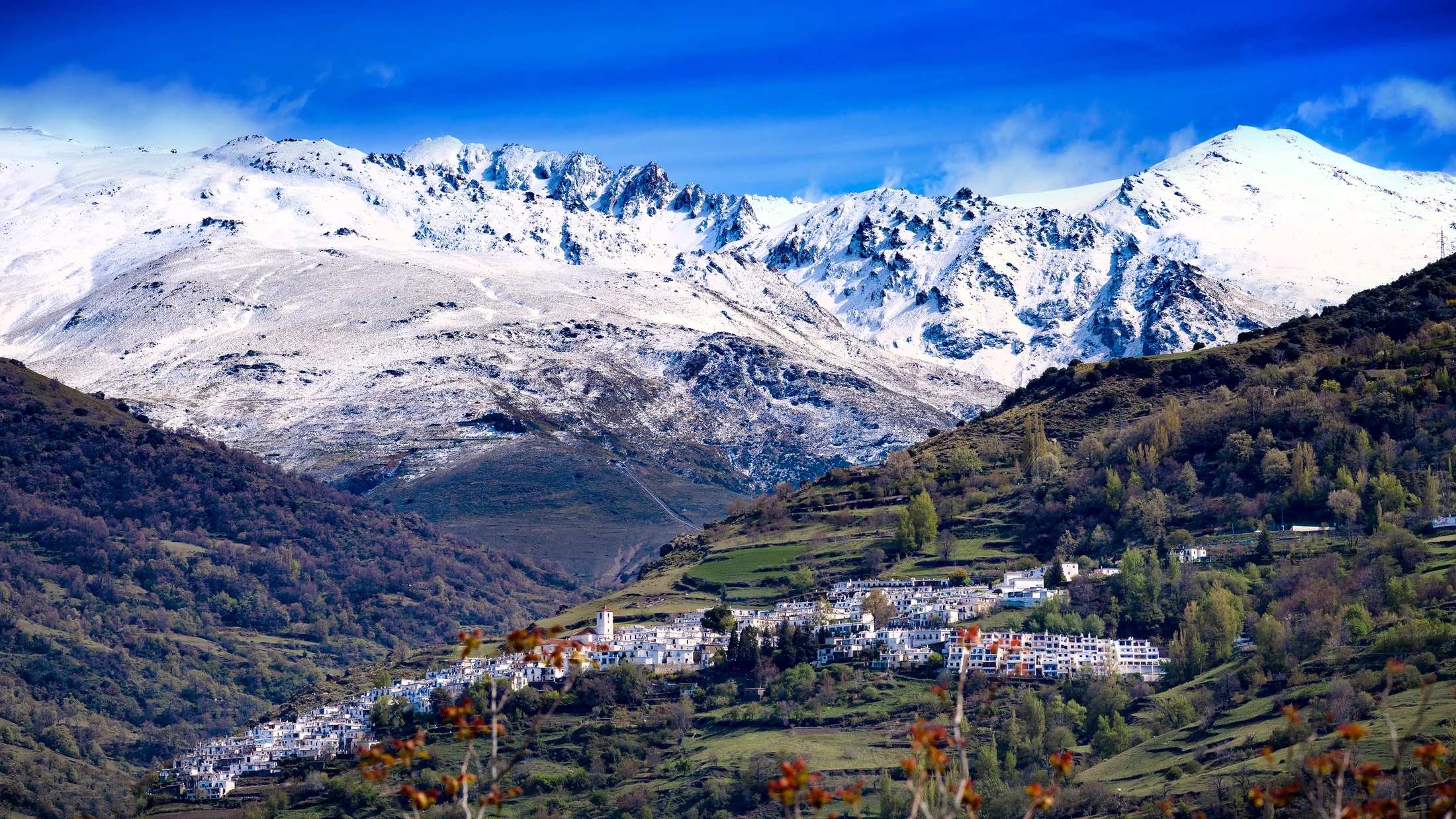
Capileira, in Las Alpujarras, with the south face of Sierra Nevada in the background. Usual base for arriving at crossings.
§03 · Why it stands out

Why it stands out

  1. 01

    Iberian Continental Shelf

    Mulhacén (3,479 m) is the highest peak in Spain outside of the Canary Islands. It is only surpassed by Teide (3,715 m). It’s high-altitude mountaineering without leaving the Iberian Peninsula.

  2. 02

    More than twenty peaks over three thousand meters high.

    Sierra Nevada brings together more than twenty peaks above 3,000 meters in a compact massif: Mulhacén, Veleta, Alcazaba, Cerro de los Machos, Puntal de Vacares, Picón de Jérez and more. The Integral links fifteen in four days.

  3. 03

    Quick access to the high mountains

    From Granada you reach Hoya de la Mora (2,500 m) in an hour or Capileira in an hour and a half. In most European mountain ranges, that altitude requires a cable car or a long approach.

  4. 04

    National Park since 1999

    Sierra Nevada National Park is the largest protected area in Spain (86,208 ha). More than 2,100 cataloged plant species, 80 of them endemic. Activity is regulated and motorized access is restricted.

§04 · Who it fits

Who it fits

With friends Adventure Ecotourism Disconnection

This hub suits mountaineers with previous high-mountain experience: people who have already climbed summits of more than 2,500 m in long days, who are comfortable with ascents of 1,000-1,200 m per day and who can handle themselves on rocky terrain. If you come in spring or autumn, being able to use light crampons and an ice axe is necessary.

It does not suit absolute beginners in the mountains, families with young children, or people who are not aerobically trained for 6-8 hours of walking a day on several days in a row. If you have never slept in a staffed refuge and have never gone above 2,500 m, you need to weigh this up honestly.

No commitment · We design it with you
§05 · What you can live

What the trek includes

An editorial showcase of what the destination offers. Nothing to book here - we shape it when you write to us.

Adventure

The active side: guided or self-guided activities, no sugar-coating the gradient.

Featured

Three Thousand Peaks Trek (4-5 days)

The classic traverse of the massif: 15+ peaks over 3,000 m linked in four or five days. From Postero Alto to Cerro del Caballo, passing through Mulhacén, Veleta and Alcazaba. Only for experienced mountaineers with prior acclimatization.

Ascent to Mulhacén (3,479 m)

Ascent to the highest peak of continental Iberian Peninsula. From Hoya de la Mora or from Refugio Poqueira. Long day, without technical difficulty in summer, but physically demanding due to the sustained altitude.

Ascent to Veleta (3,396 m)

The second peak of the massif. Shorter access than Mulhacén from Hoya de la Mora. Good option for a full-day outing or pre-acclimatization before the long crossing.

Round trip to Mulhacén with overnight stay in a refuge

Two-day plan surrounding Mulhacén with an overnight stay at the Poqueira Refuge. Ascent to Mulhacén via the west face on the second day. This is the most solid introduction to high mountain climbing in the massif.

Jerez Picón and Seven Lagoons

Ascent to Picón de Jérez (3,088 m) crossing the Siete Lagunas area, one of the most spectacular glacial landscapes in the massif. Less crowded than the Mulhacén route.

Culture & heritage

What makes this place different: heritage, crafts, local history.

Featured

White villages of Las Alpujarras

Tour of Capileira, Bubión and Pampaneira, the three towns in the Poqueira Gorge. Moorish-Berber architecture, steep streets, *tinaos*, traditional looms. A good plan to unwind before or after the trek.

Arab Irrigation Ditches Trail

Walk through the irrigation ditches of Andalusian origin that continue to carry meltwater from the mountains to the towns on the south slope. Hydraulic engineering from a thousand years ago, still in use.

Food & drink

Eating well without the manual - local product, village pace.

Featured

Alpine cuisine after the crossing

Celebration meal when descending to Capileira: Alpujarran dish (roasted potatoes with peppers and onions, black pudding, ham from Trevélez), fried breadcrumbs, kid goat in garlic sauce. The reward after three days of mountain hut food.

Where to sleep

Where you sleep - inns, rural houses, hotels with character in the valley.

Featured

Pre/Post Night in Capileira

Traditional lodging in Capileira (1,435 m), recommended as a pre-acclimatization night or rest afterwards. Town declared a Historic Site, with a good network of small family-run guesthouses.

Poqueira Refuge (8,202 ft, FAM)

Mountain refuge managed by the Andalusian Mountaineering Federation. Room with bunk beds, heating, half board. A usual base for any multi-day trek through the massif. Book in advance during summer.

Nature

Landscape unfiltered: what you see on foot, without the car.

Featured

Lagoon Route: Vacares and Highlands

High-altitude glacial lagoon itinerary: Vacares Lagoon (2,885 m), Caballo Lagoon, Siete Lagunas. Endemic botany and ibex spotting. Less demanding than the major peaks.

Sunset in the high mountains.

Evening departure from the shelter to watch the sunset from an alpine viewpoint, with the shadow of the massif projecting over the Mediterranean. We return to the shelter with headlamps.

30-60 min away

Half-hour side trips if you've time left or it rains.

Featured

Granada and Alhambra Extension

One or two nights in Granada before or after the journey. Visit the Alhambra (reservations required weeks in advance) and a walk through the Albaicín. Make the most of the trip from outside Andalusia.
§06 · The practical side

Trek practicalities

Typical length
2-7 nights
More practical details

Physical level & requirements

Demanding traverse. Days of 6–8 hours of walking with positive elevation gains of 800–1,200 m at sustained altitudes above 2,500 m, with sections above 3,000 m. Good aerobic fitness and previous experience of walking for several consecutive days in the mountains are essential. Altitude has an impact—even at 3,500 m it is noticeable—so acclimatisation is part of the plan.

How to get there

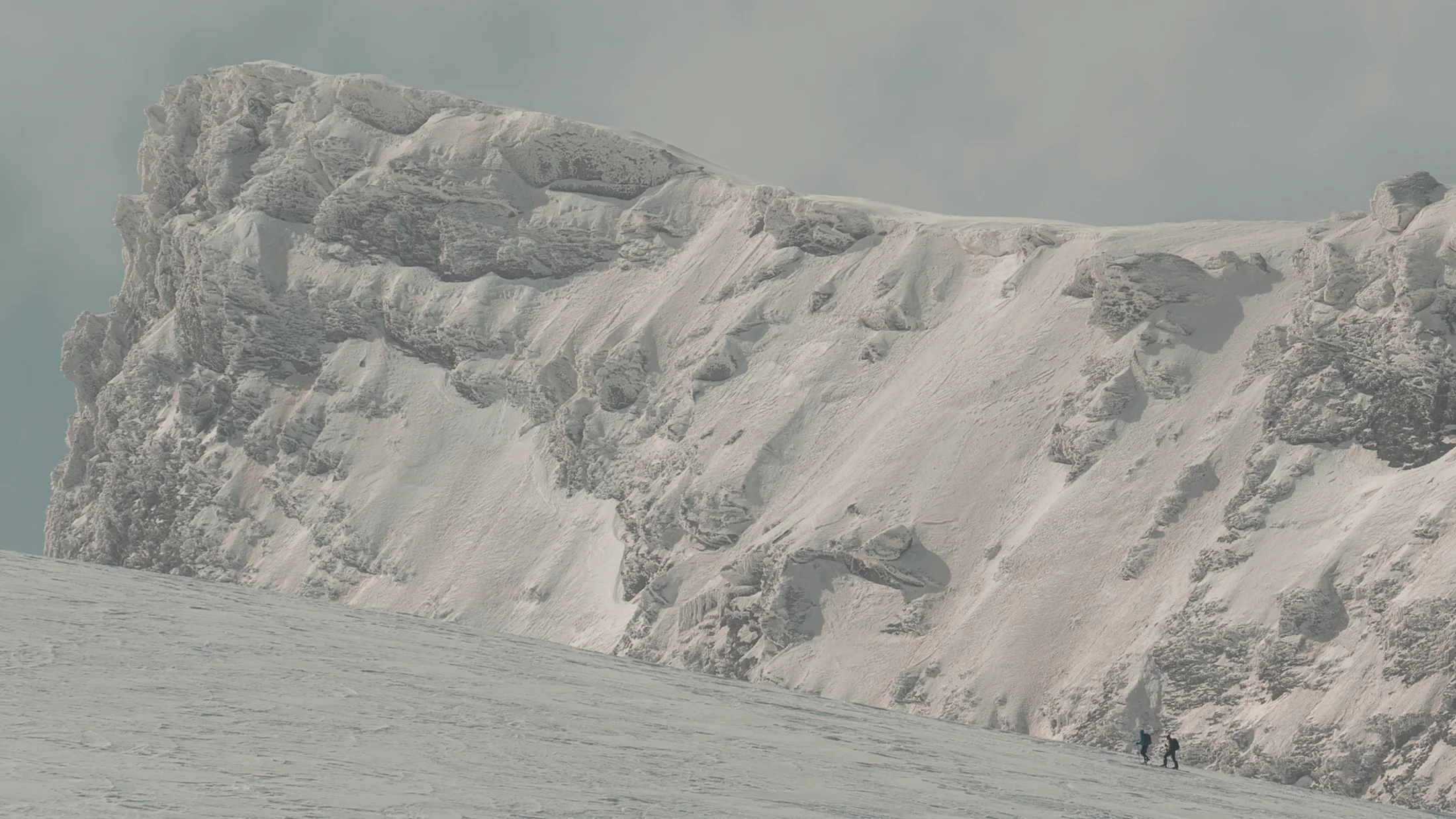
Best time: from June to October. July and August are peak season (refuges full, need to book 4–6 weeks in advance). In June and from mid-September onwards there may be residual snow on the summits.

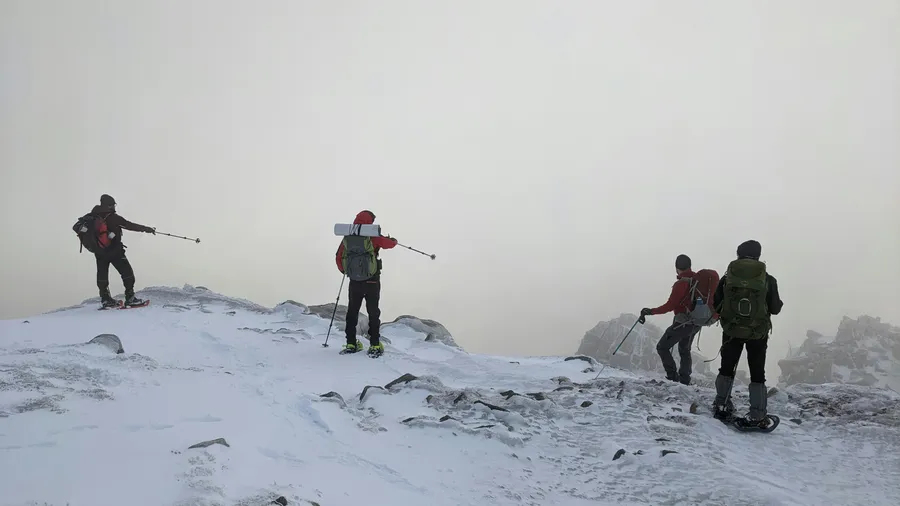
Recommended equipment: rigid or semi-rigid high-mountain boots, lightweight crampons (mandatory outside July–August), ice axe in spring, category 4 mountain goggles, layered clothing with a windproof jacket and lightweight down jacket, hat, gloves, headtorch, high-factor sunscreen.

Bookings: Refugio de Poqueira fills up quickly in season. Book directly at refugiopoqueira.com as far in advance as possible.
Recommendations

Curator's recommendation: acclimatisation before the first summit day (a short day at 2,500–2,800 m helps). Minimum 3 litres of liquid per person and day —the air dries out quickly on the summit—. Very early start on summit days: afternoon thunderstorms are common in July–August. Do not underestimate the cold at night: even in July, temperatures drop below 5°C in the hut area.
§07 · Bookable packages

Bookable packages

§08 · Questions

Frequently asked questions

Is mountaineering experience necessary?

For the summer ascents (July-August) no technical experience is needed, but you do need physical fitness and the habit of walking for several days in a row in the mountains. For spring and autumn with snow, the guide decides whether basic crampon skills are needed.

Can you do the Integral without being very strong?

No. The Integral involves 4-5 consecutive days of 7-10 hours with significant ascents and sustained altitude. It is for people who are trained and experienced. The shorter 2-3 day versions are much more accessible.

How cold is it in the refuge?

The Refugio de Poqueira is at 2,500 m. It has heating and blankets, so you sleep well. In the bunks it is sometimes warm because of the crowd. The real cold is outside, on the pre-dawn start towards the summit.

Is there mobile coverage at the summit?

It varies. On the Mulhacén there is usually signal thanks to the Granada antennas. At the Refugio Poqueira and in parts of the valley, it is intermittent. Do not count on it for anything critical.

Can it be combined with Granada and the Alhambra?

Yes, it is a very common extension. One or two nights in Granada before or after the traverse make good use of the trip. The Alhambra requires advance booking weeks ahead.

More trips in the area

Quick filters

2 treks
Multi-day cycling traverses across Andalusia
Andalusia Cycle Tourism

Multi-day cycling traverses across Andalusia

Bike trips through Andalusia: greenways with the family, white villages at a leisurely pace, Transnevada mountain biking and the legendary passes of Sierra Nevada. 1-7 nights, with logistics taken care of.

1-7 noches From 450 €

Cabo de Gata: the virgin coastline of Almería
Almería With friends

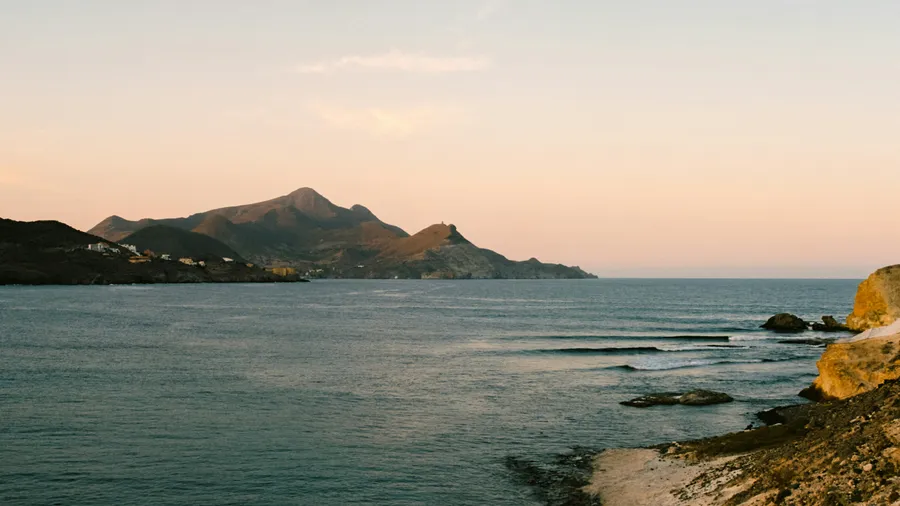
Cabo de Gata: the virgin coastline of Almería

Europe's only desert hides a turquoise coastline, asphalt-free coves, and extraordinary marine biodiversity.

3-5 noches

We'll shape it around you

Tell us how you travel - dates, group, pace, budget - and we'll design the trip exactly the way you need it.

Tell us about your trip

Send us your preferences and we'll put together a personalised proposal.

Campos obligatorios

¿Cómo prefieres que te contactemos?

Trip preferences (optional)

¿Cuándo te gustaría viajar?