Rain and wind gear (hardshell)
Gore-Tex style rain jacket with adjustable hood (not a light raincoat), waterproof pants, waterproof hat and backpack cover. The Costa da Morte has strong northeast winds and sudden rain even in summer.
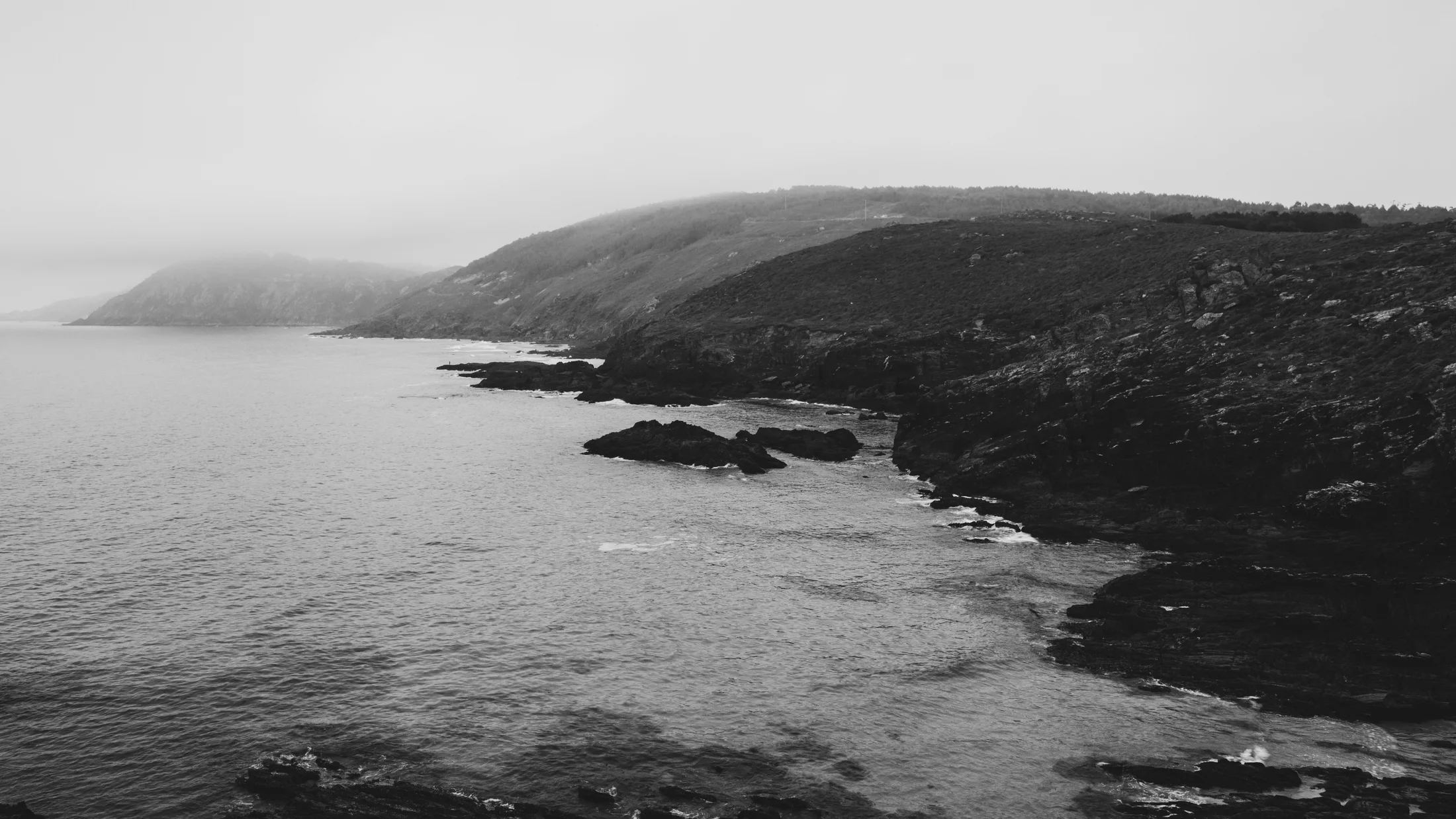
200 kilometers along the Costa da Morte, connecting lighthouses between cliffs, wild beaches, and fishing villages in northwestern Galicia.
From 790 € /person
No commitment · We design it with you
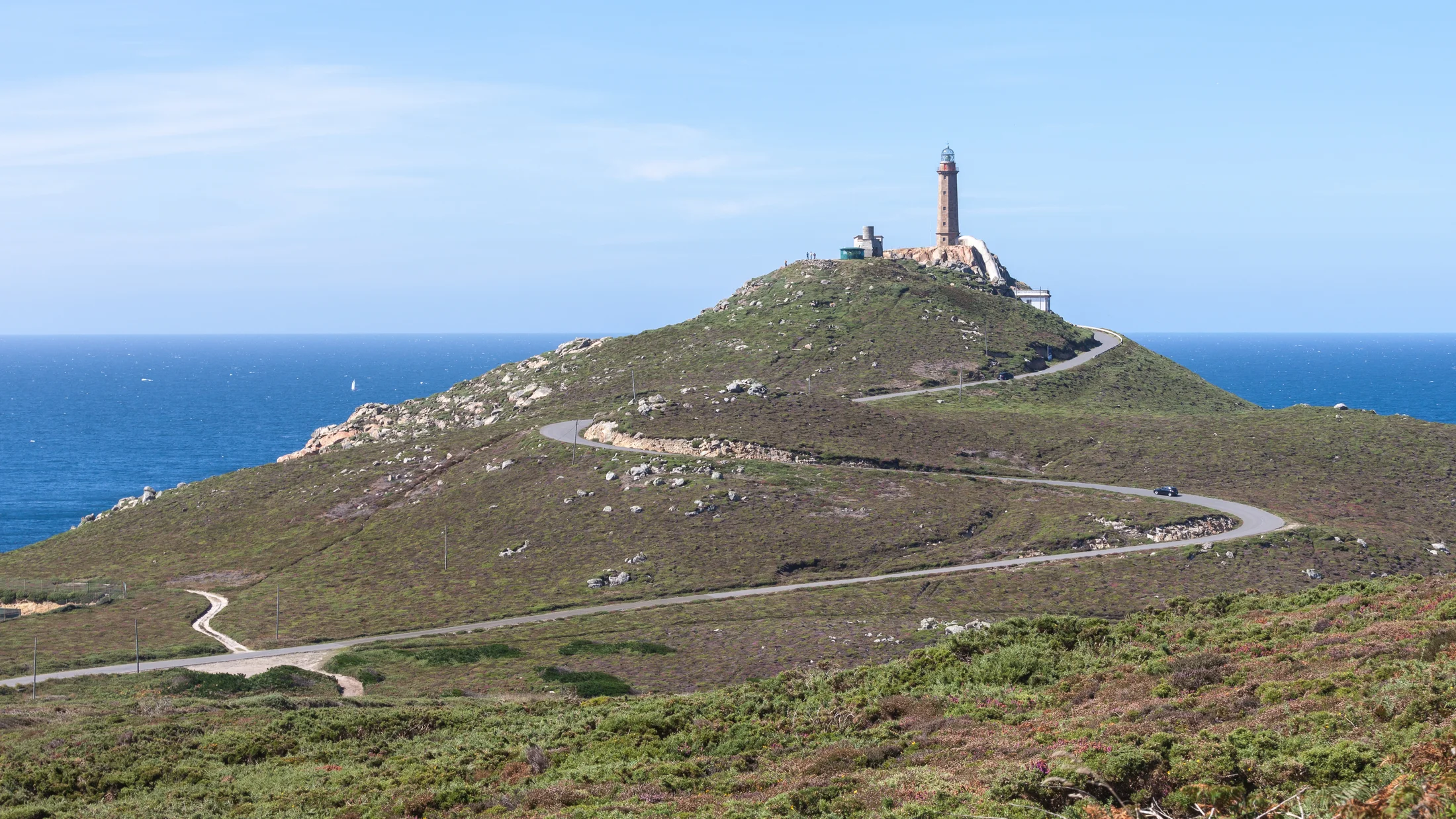
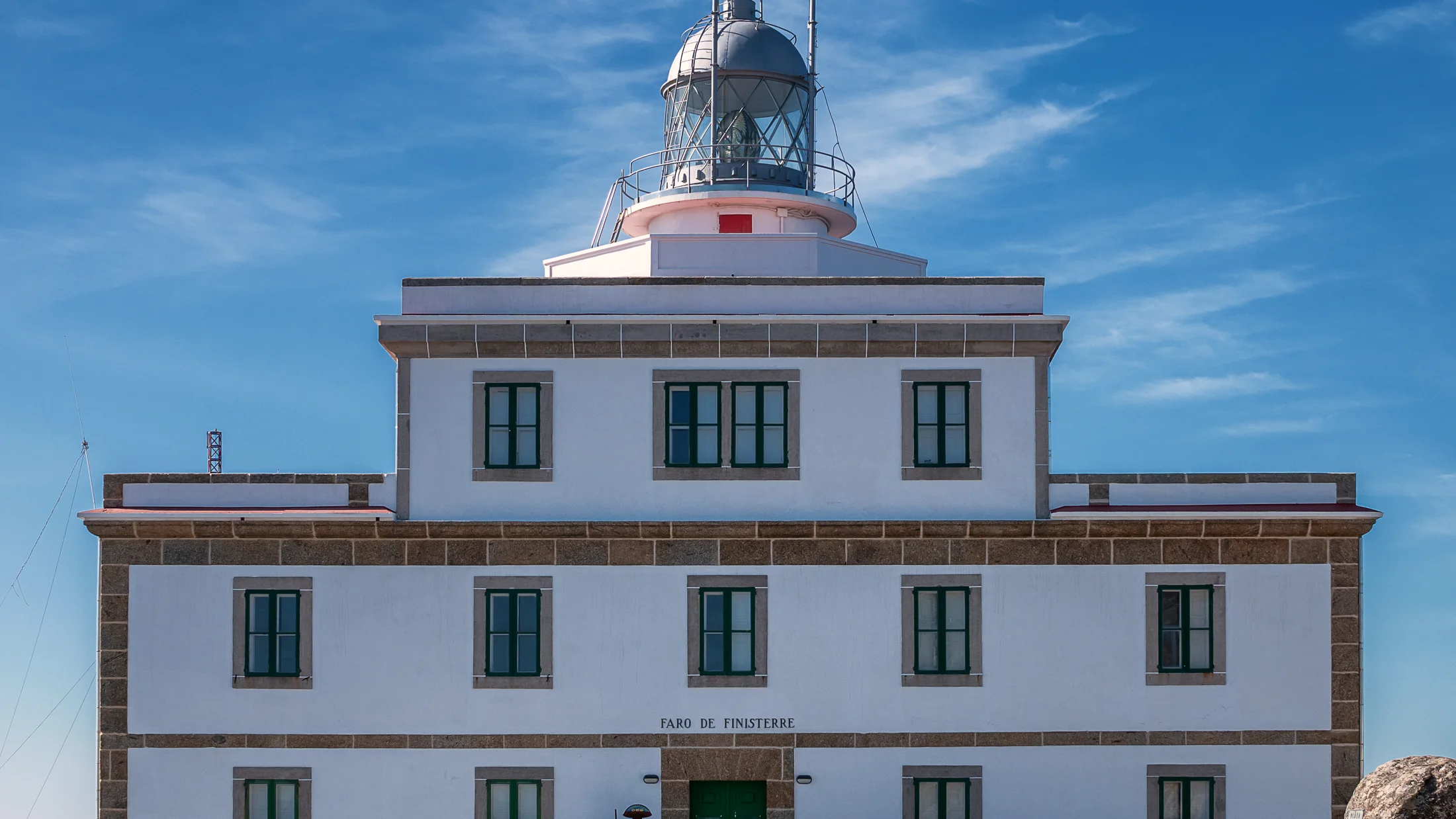
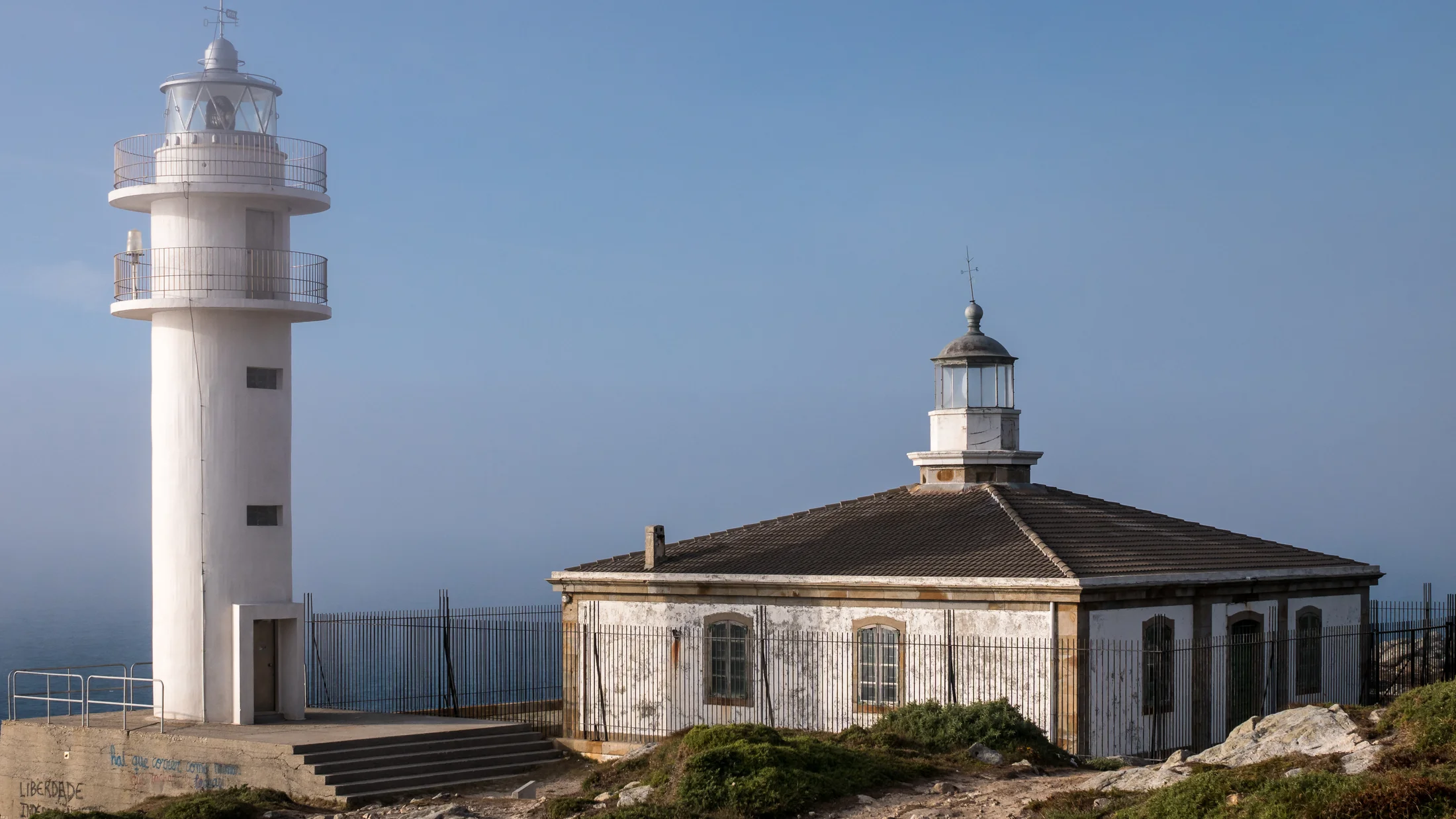
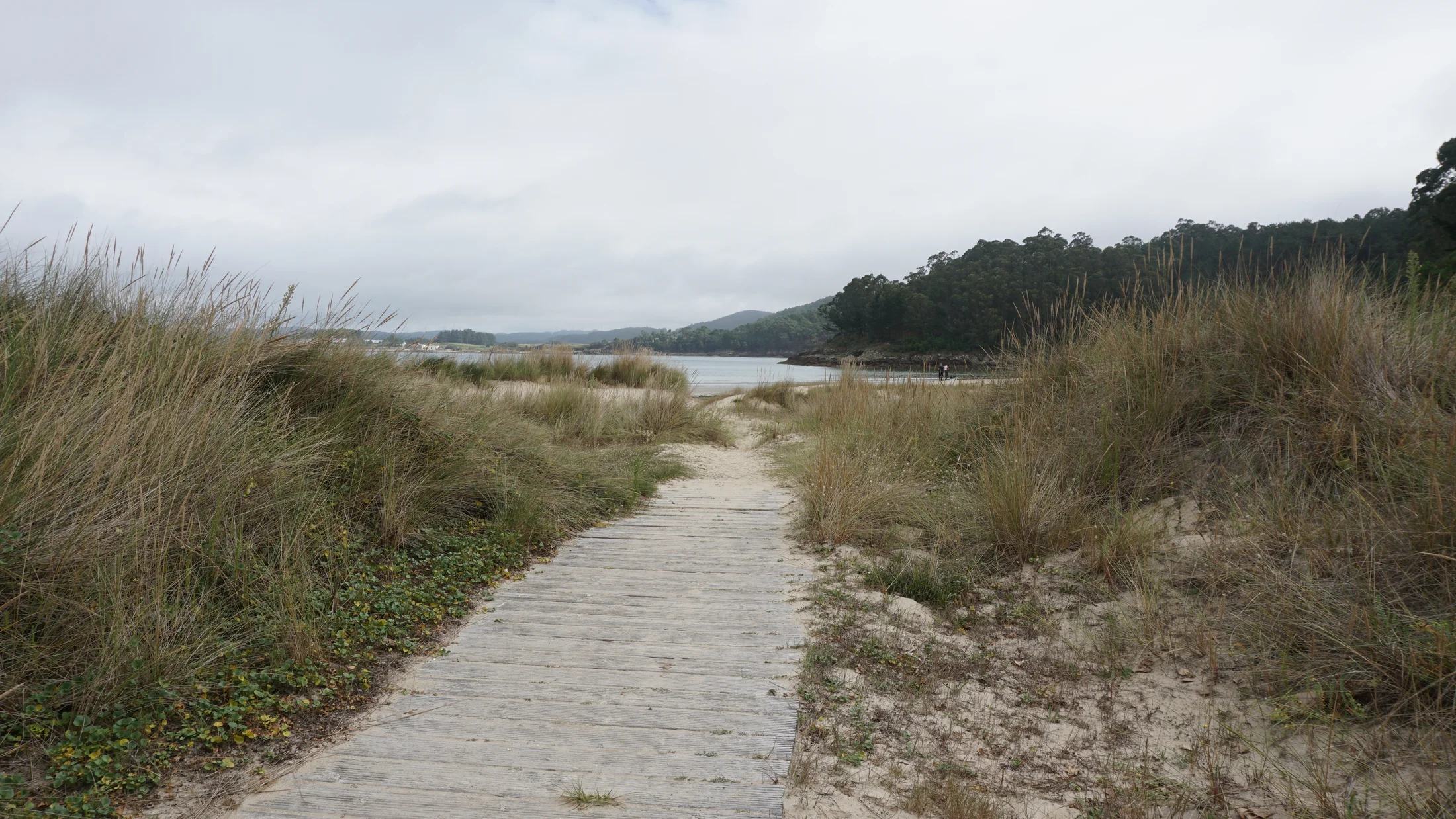
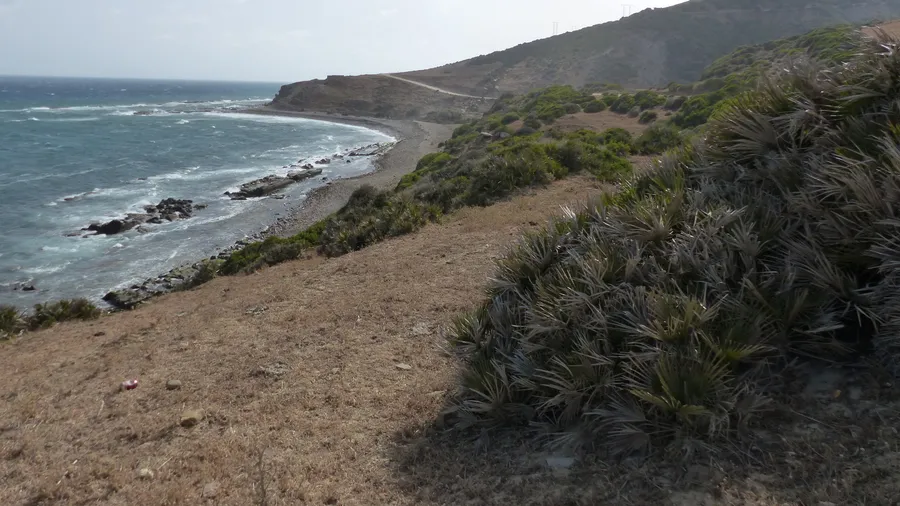
Between Malpica and Fisterra, the Atlantic coastline remains almost untouched: cliffs, dunes, wild beaches and fishing villages without large resorts.
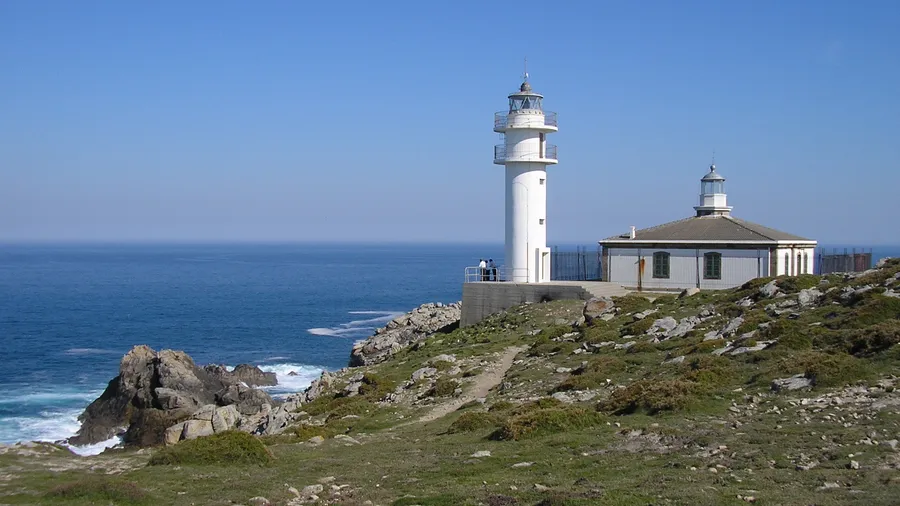
Roncudo, Punta Nariga, Vilán (1896, the peninsula’s first electric lighthouse), Camelle, Trece, Touriñán and Fisterra among others — each stage marked by a light.
In 1890 the British training ship sank at Punta do Boi; 172 sailors died. Their cemetery remains there, on the dune, as a landmark along the way.
Fisterra (Finis Terrae) was the known edge of the Roman world. Walking 8 days to end up gazing at the Atlantic from the lighthouse carries that historical weight.
An editorial showcase of what the destination offers. Nothing to book here - we shape it when you write to us.
Backpack essentials: boots, layers, headlamp, and the basics.
Where you sleep - inns, rural houses, hotels with character in the valley.
Getting there, getting back, and internal transfers - so you only have to walk.
Day by day: distance, elevation, and where you sleep at the end of each stage.
Shorter or longer versions depending on days available and the group's level.
May-June and September: fewer tourists and reasonably stable weather. July-August: more people and possible morning fog. Winter: very strong northwest wind and dangerous exposed sections — not recommended.
You should book overnight stays in advance, especially in Camariñas, Muxía and Fisterra during high season. There is no official network like the one for Compostela: it consists of guesthouses, rural houses and hostels independently.
Rain cape is essential (not a light rain jacket), well-worn hiking boots, trekking poles, headlamp, water for the entire stage (there aren't always fountains), sun protection and cap. Backpack 30-40 L.
The Camiño dos Faros is NOT an official GR route: it is marked by the Asociación Camiño dos Faros with green arrows. There is no credential or stamp like on the Camino de Santiago.
May-June and September are the most stable windows. Even so, Costa da Morte has an oceanic climate – you should expect 1-2 rainy days per week at any time of year.
Yes, several private services in Camariñas, Muxía and Fisterra offer luggage transfer to the next accommodation (15-20 €/stage). Recommended if you are short on time.
On your own in each town: guesthouses, rural accommodations, hostels. There is no centralized system like the pilgrim shelters on the Camino de Compostela. Book 2-3 months in advance during summer.
Yes, most of the route is dog-friendly (beaches and coastal trails), but you need to confirm accommodation individually – not all accept pets.
Yes: the most spectacular stages are Camariñas → Muxía (Vilán lighthouse, Cemetery of the English, Trece beach) and Muxía → Nemiña. They can be done in 2-3 separate days.
Quick filters
We'll shape it around you
Tell us how you travel - dates, group, pace, budget - and we'll design the trip exactly the way you need it.