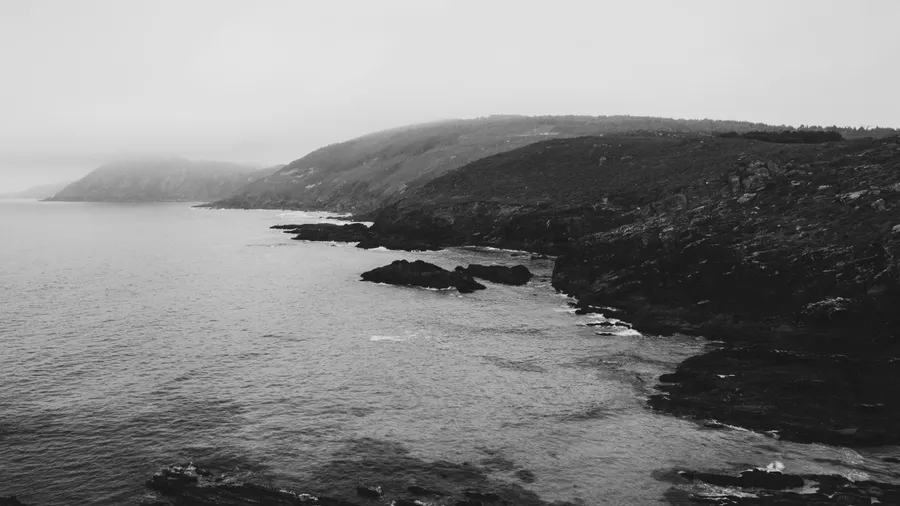
The empty Cameros
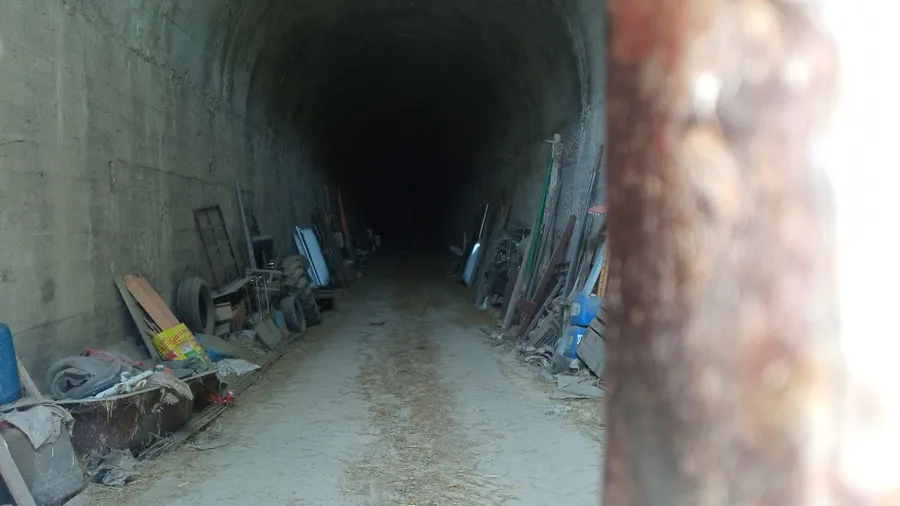
A region that lost 90% of its people during the 20th century. You walk through villages with five inhabitants, locked churches and stone houses left standing because no one was around to pull them down.
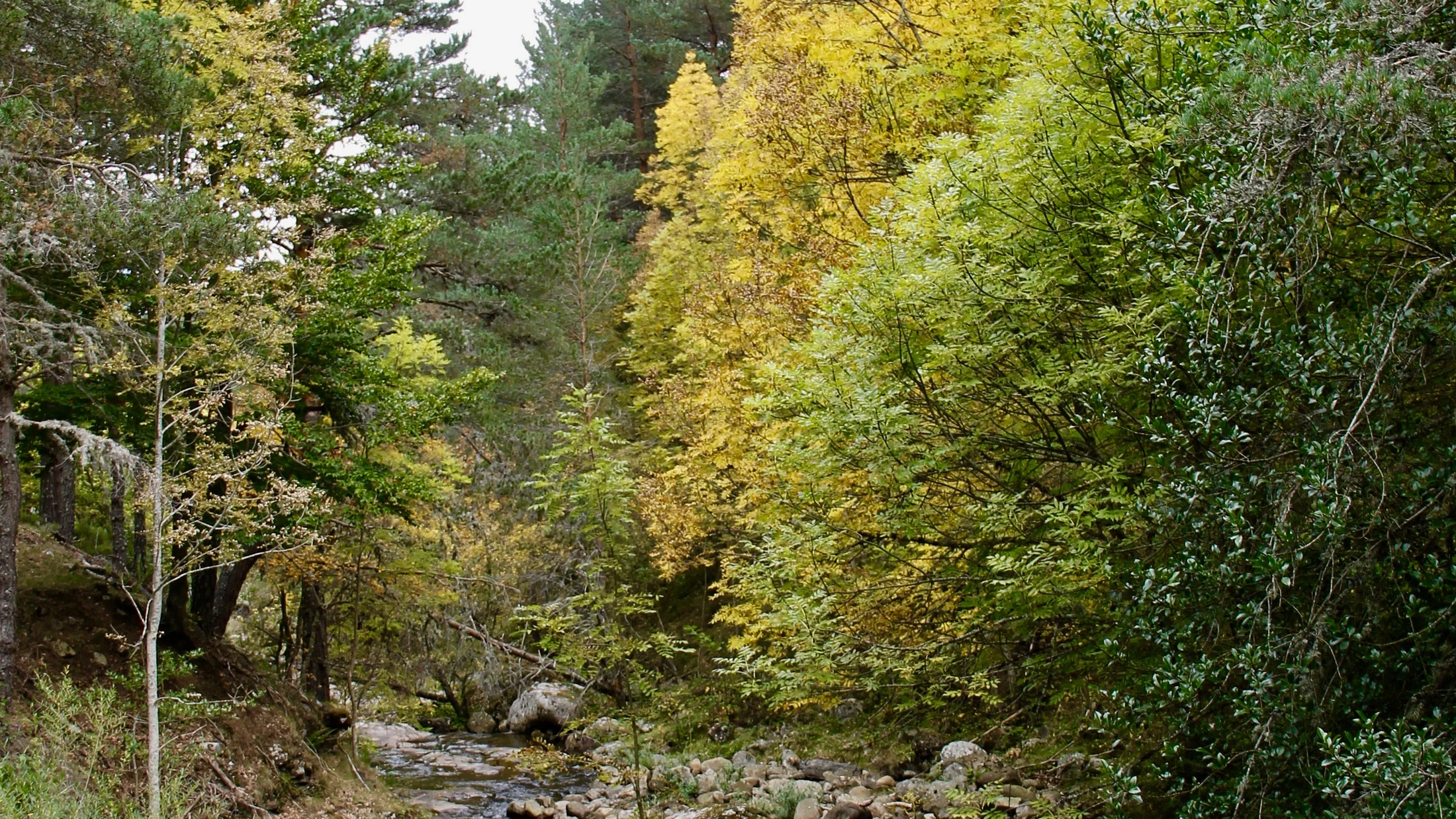
Four-day trek across the Iberian System in La Rioja: Cebollera, Demanda and the Cameros valleys. Mid-mountain, depopulation and quiet.
From 395 € /person
No commitment · We design it with you
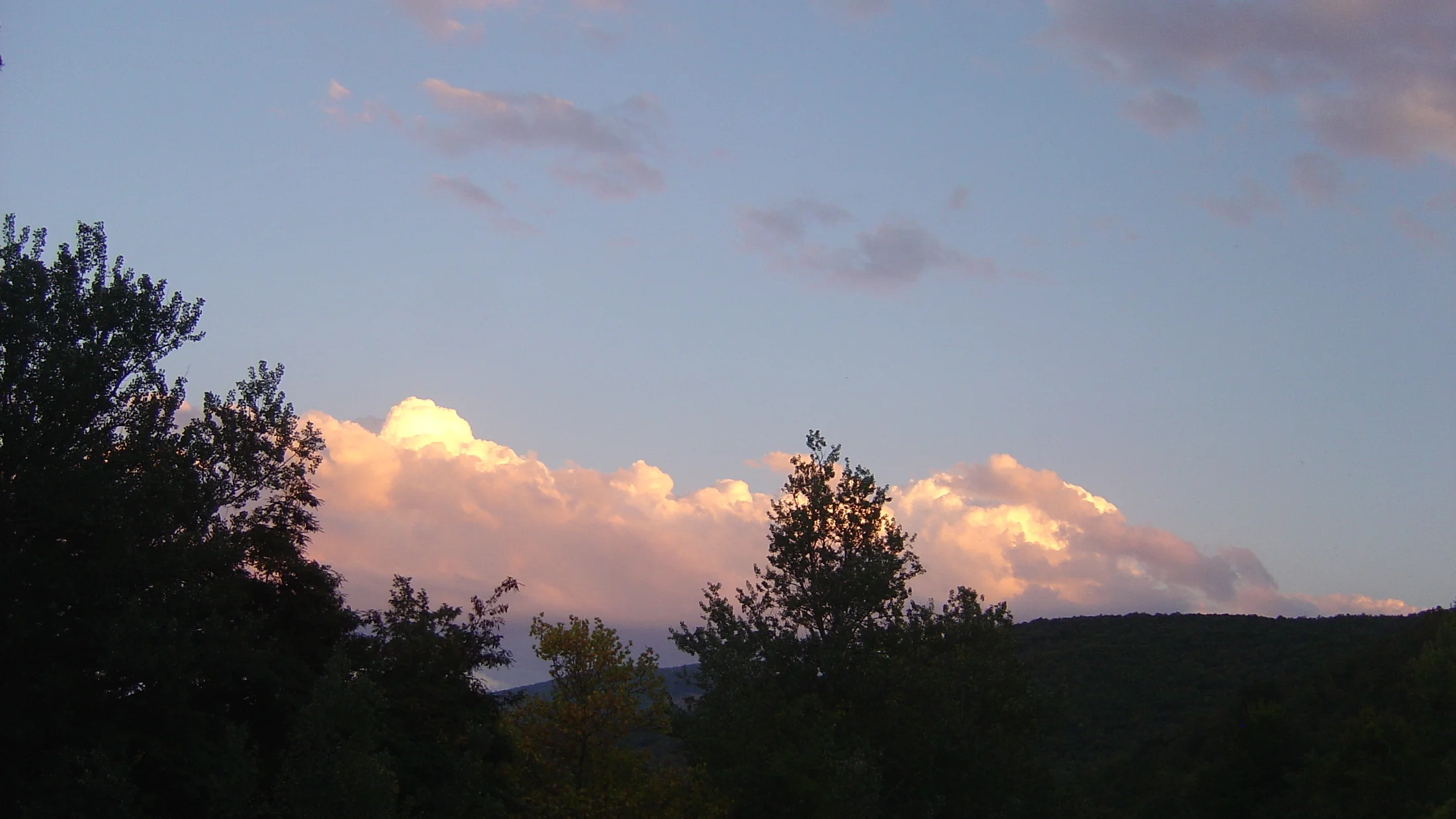
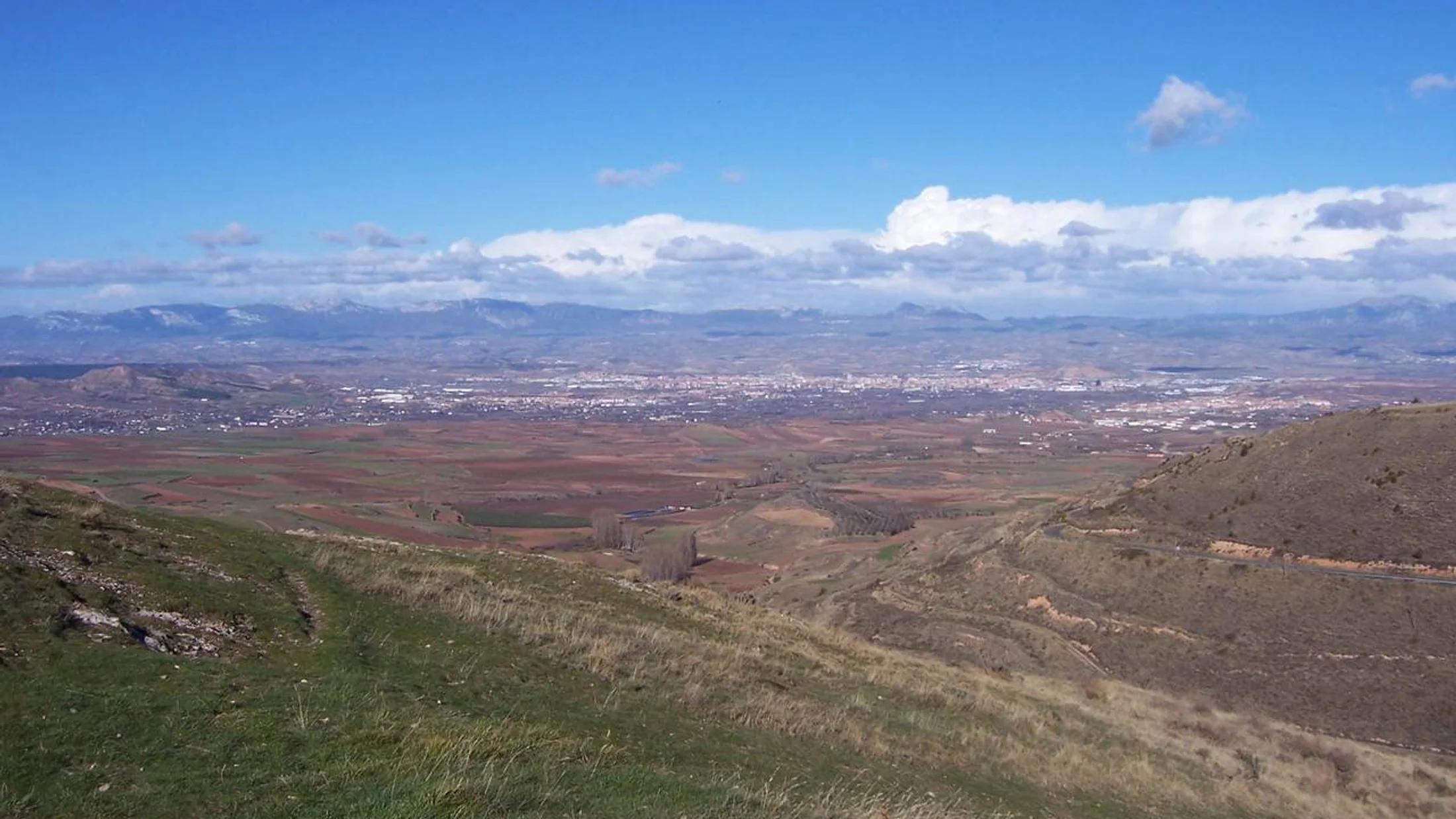
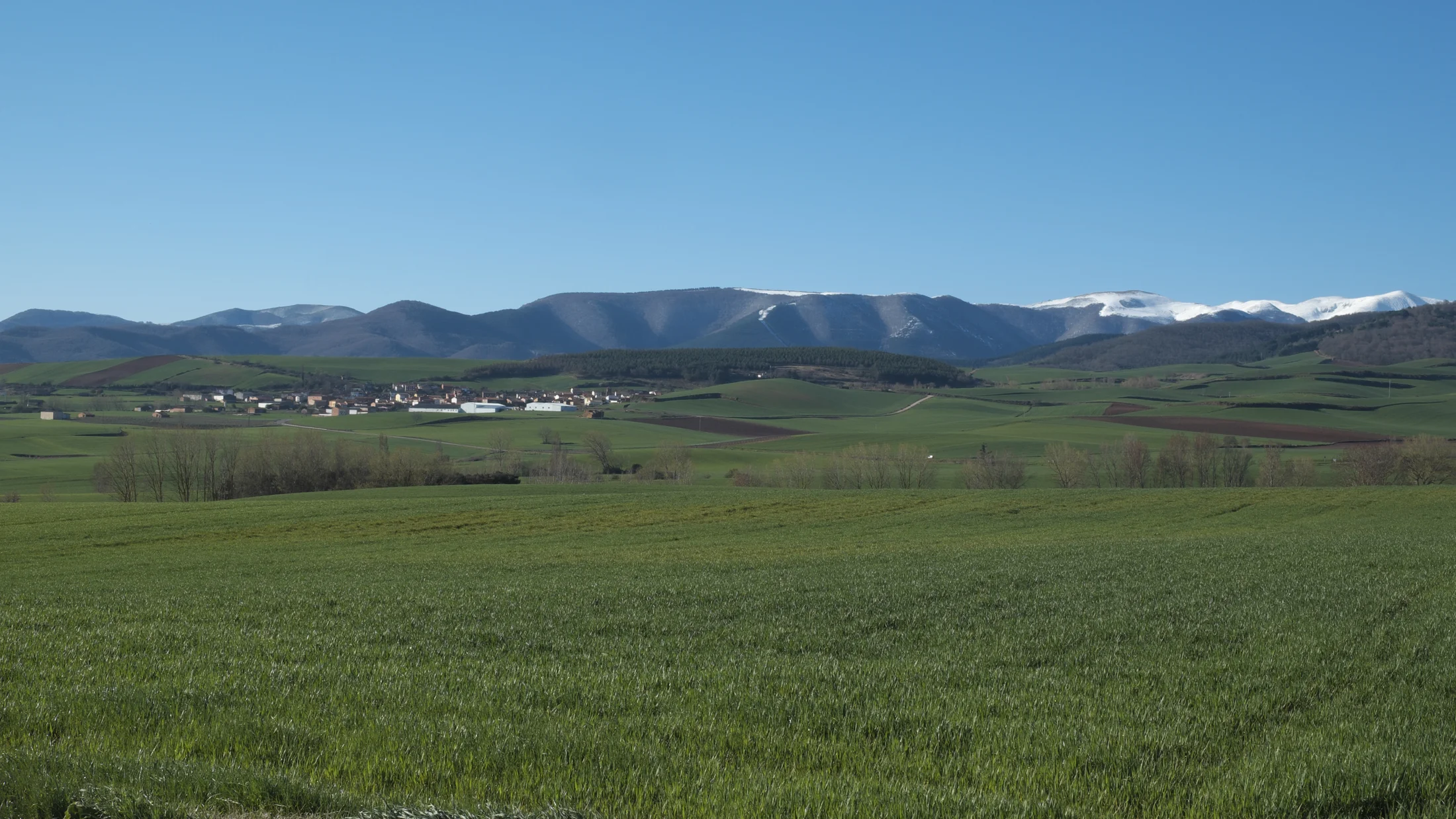
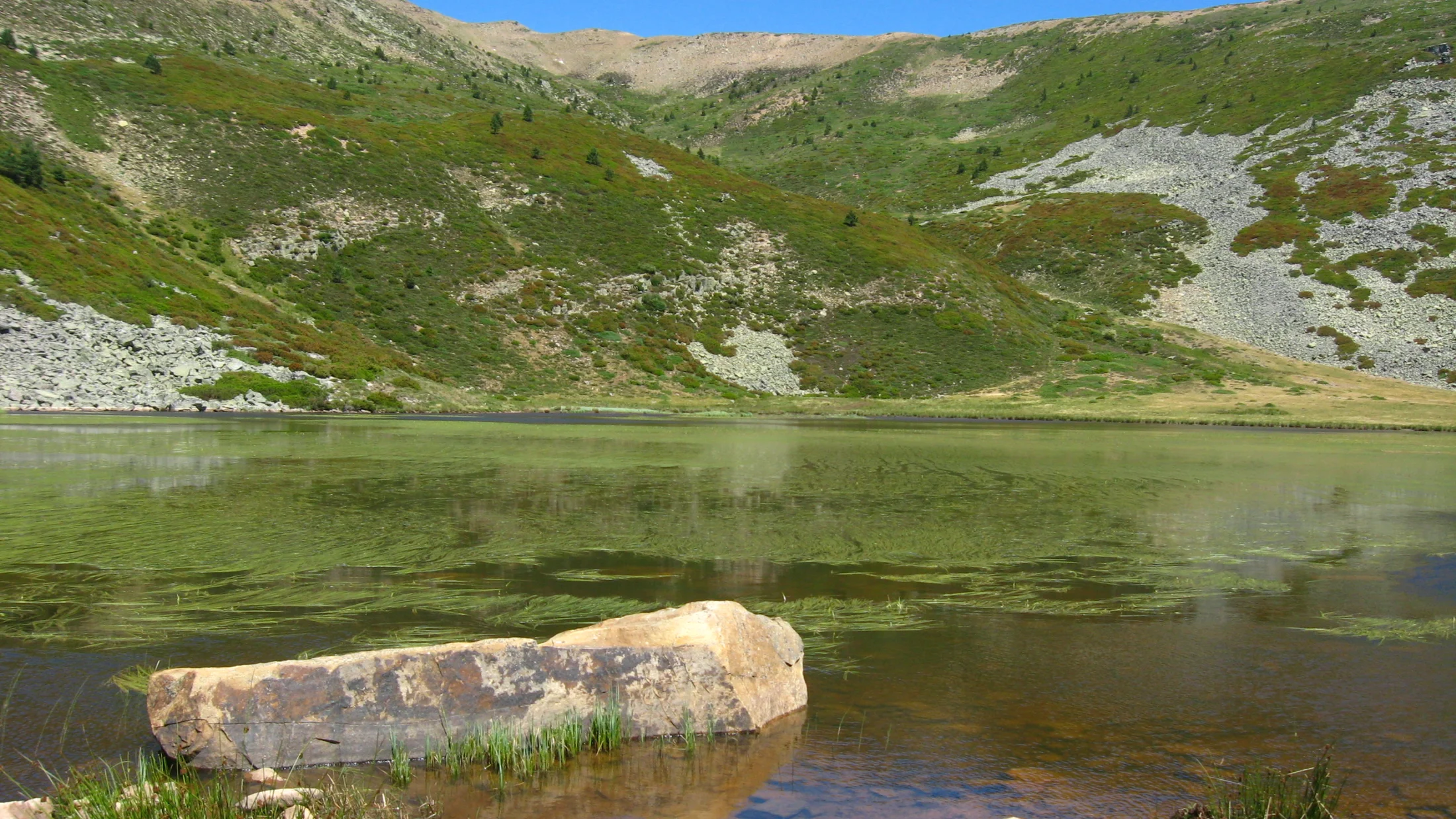
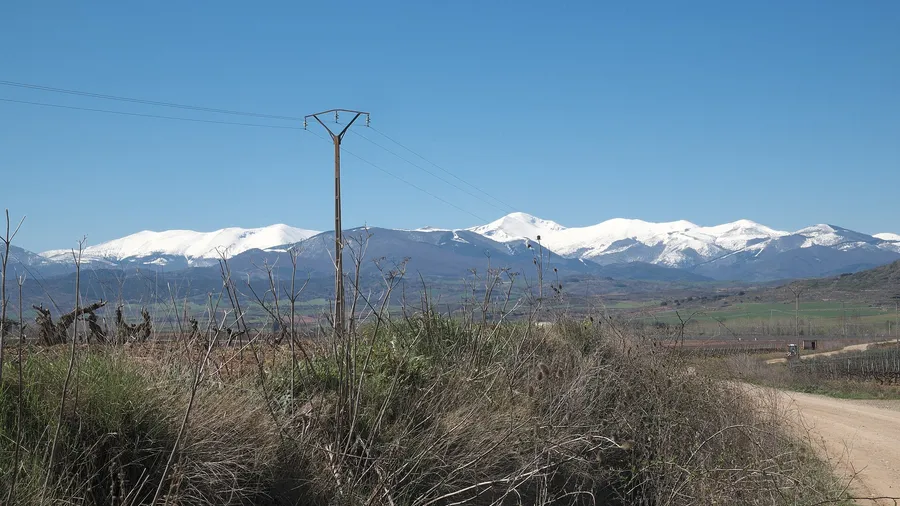
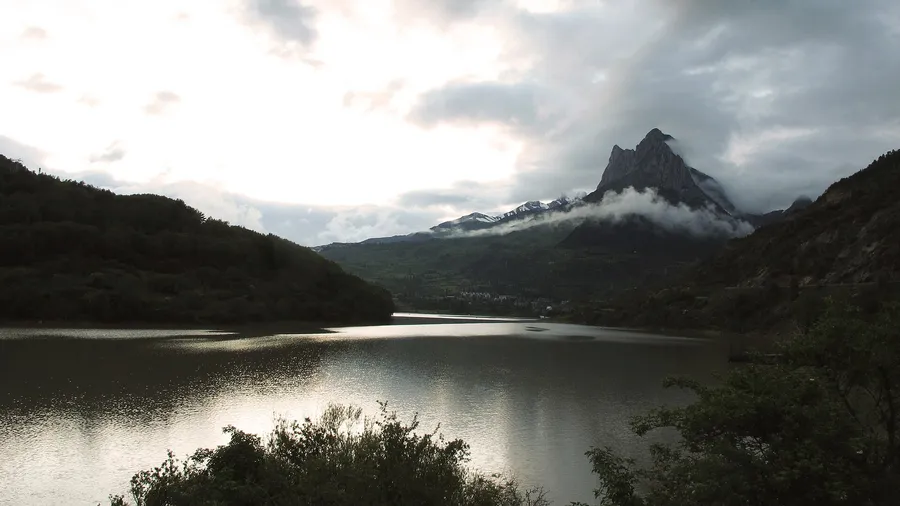
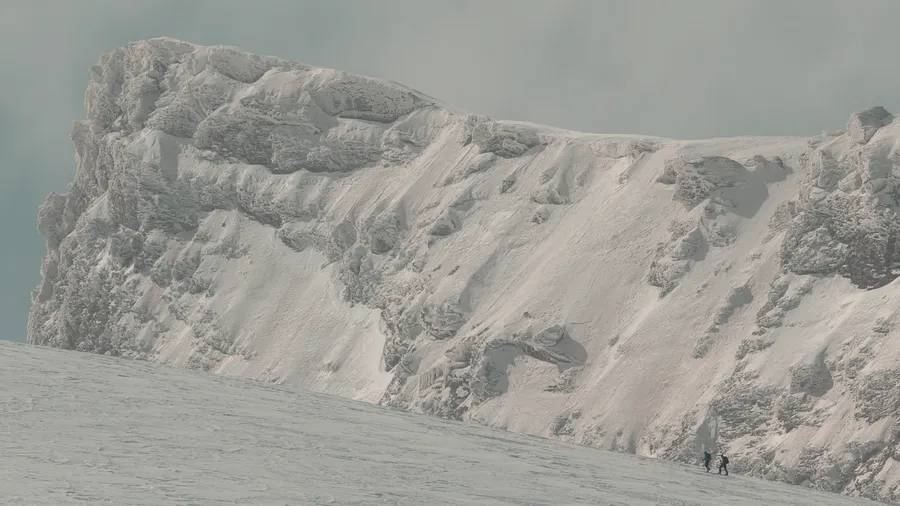
Mid-mountain —altitudes of 1,500 to 2,262 m in San Lorenzo— shaped by Quaternary glaciers. Without alpine steepness but with forest extension and a network of valleys that the Pyrenees does not have.
The Cameros region lost 90% of its population in the 20th century. Walking here means crossing villages with populations in the single digits and intact rural heritage that no one could demolish.
The Sierra Cebollera receives a fraction of the visitors of Picos or the Pyrenees, although the natural park covers 23,640 ha. In La Demanda you can walk a day without crossing paths with anyone outside the shelters.
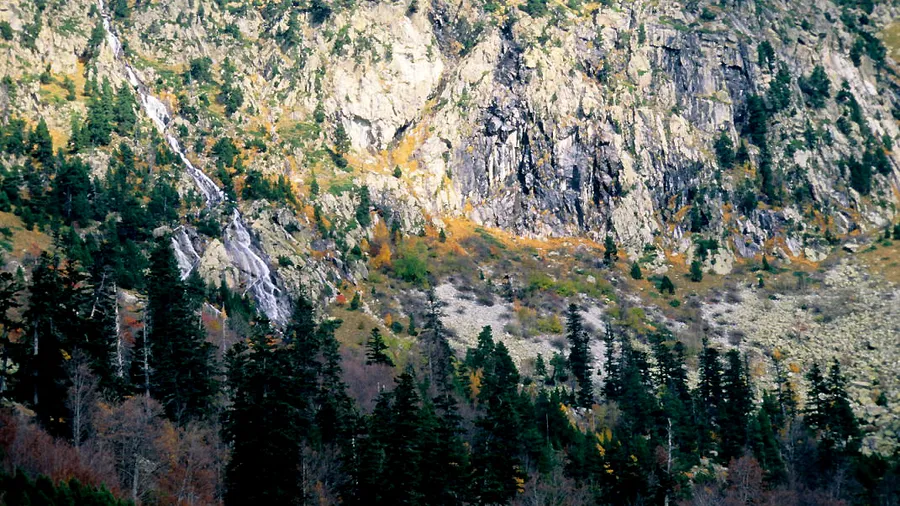
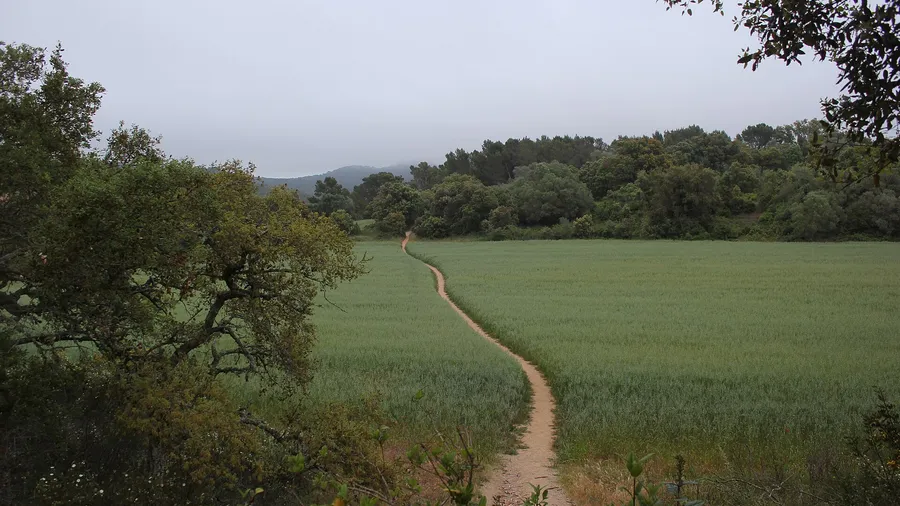
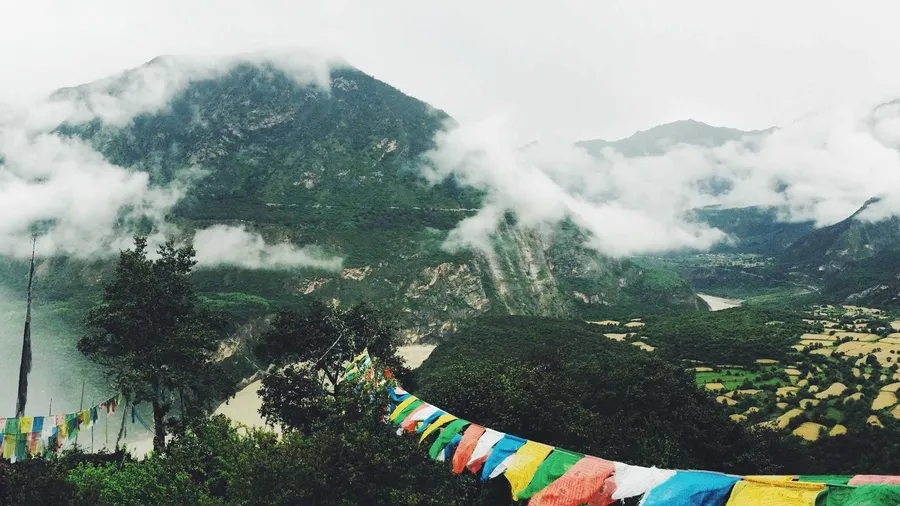
Dominant white pine, but also relict beech forests – Atlantic relics deep within the Iberian Peninsula – and oak groves. The vegetal transition between Cebollera and Demanda is one of the best botanical showcases in the north.
Good fit if: you've already done the obvious —Picos, Pyrenees, Sierra Nevada— and you want terrain with a lighter tourist footprint. You can walk six or seven hours a day without fuss, you prize sustained landscape over photogenic peaks, and the cultural angle of depopulation interests you.
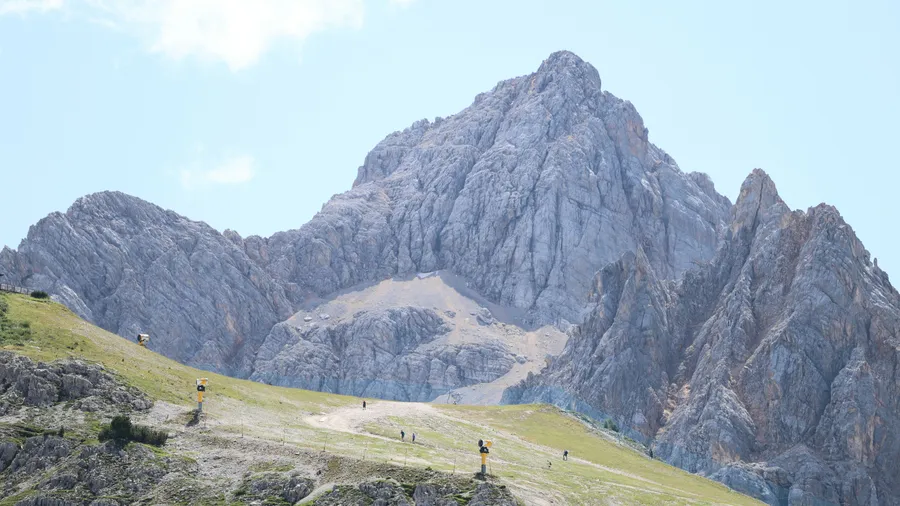
Not a fit if: you want airy ridges and alpine-postcard scenery (go to the Pyrenees), if you need constant trailside services (villages here are empty), or if you're travelling in deep winter: November to April brings snow and many guesthouses close. For that, see our Pyrenees or Picos hubs.
An editorial showcase of what the destination offers. Nothing to book here - we shape it when you write to us.
What makes this place different: heritage, crafts, local history.
Backpack essentials: boots, layers, headlamp, and the basics.
Getting there, getting back, and internal transfers - so you only have to walk.
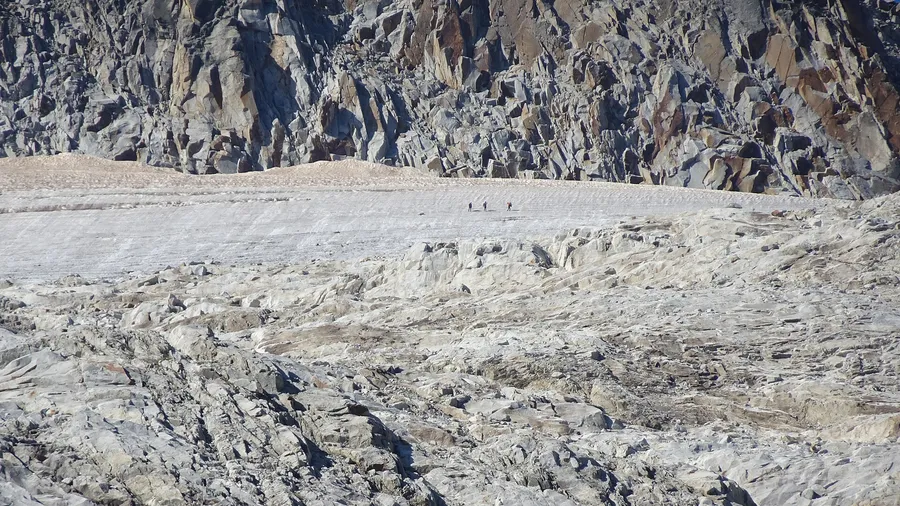
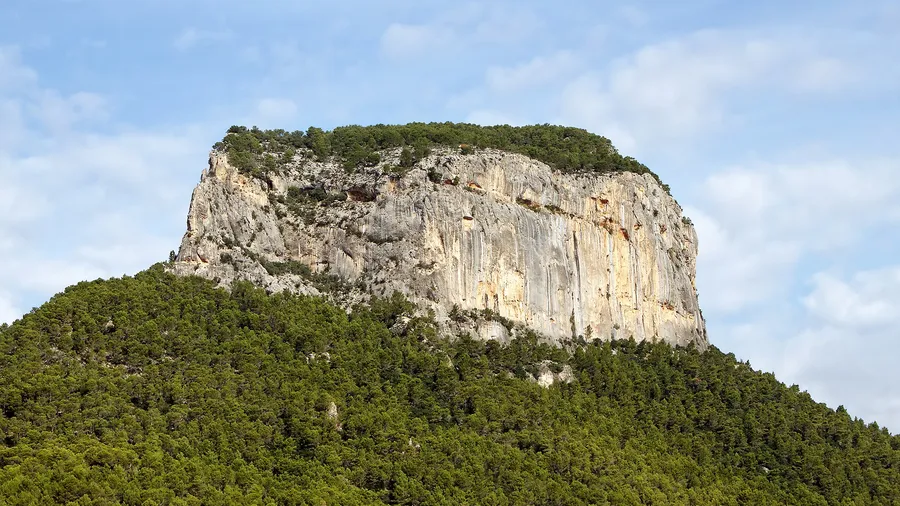
Landscape unfiltered: what you see on foot, without the car.
Day by day: distance, elevation, and where you sleep at the end of each stage.
Shorter or longer versions depending on days available and the group's level.
Moderate fitness. Stages of 5 to 7 hours, 15-22 km a day and 600 to 1,000 m of positive gain. No exposed passages or technical terrain, but a few long descents test the knees. If you can walk 20 km on a weekend without ending wrecked, you'll be fine.
From May to October. June and September are the sweet spot: long days, manageable heat, beech forests in their best colour late in summer. July and August are dry and hot in the lower elevations. Snow falls from 1,500 m in winter and many rural guesthouses close.
Broken-in mountain boots, a waterproof shell (afternoon storms are common in summer), trekking poles, minimum 2 L of water —springs exist but become unreliable late summer— and a headlamp. A 30 L pack is enough if you use logistical support between stages.
Bilbao or Logroño (Recajo) airports, AVE to Logroño-Casco Antiguo. Daily buses run from Logroño to Pradoluengo and Ezcaray; further south into the Cameros, public transport is barely existent. Own car or arranged transfers are the realistic options.
Mobile coverage is patchy in the valleys and absent on the Demanda ridge. Plan for offline stretches during the daily stages.
Start in Cebollera to ease into the rhythm with gentler stages, finish in the Demanda which demands more endurance. If you're doing three days, drop the Demanda before Cebollera —the natural park concentrates the forest contrast. Book accommodation well in advance: the Cameros have few beds and they fill up on September and October weekends. Carry cash: small bars and guesthouses don't always have card terminals.
Not mandatory, but signposting in the Cameros is patchy and the cultural layer comes alive with someone who knows the area. Going solo, a 1:25,000 IGN map and GPS with downloaded tracks are non-negotiable.
Yes, by dropping the Demanda climb. The short version stays in Cebollera and descends via the upper Iregua. You lose landscape contrast but keep the essence in one less day.
Marked springs in some villages and recreation areas, not in every stage. Carry a minimum of 2 L in summer and refill when you can. High-elevation springs are unreliable from July to September.
Easier technically —no airy passes, no alpine terrain— but stages are long. It's endurance, not technique. Hikers who struggle on short steep climbs feel more comfortable here than in Picos.
Yes. The route crosses grazing land with livestock-guarding dogs (mastines): keep your dog on a lead and check seasonal restrictions in the natural park during breeding season.
Guesthouses and small hotels in villages like Villoslada de Cameros, Ortigosa, Ezcaray or Pradoluengo. A double room normally costs 60-90 €. Book well ahead for autumn weekends.
Quick filters
We'll shape it around you
Tell us how you travel - dates, group, pace, budget - and we'll design the trip exactly the way you need it.