Alcázar and Arab Baths
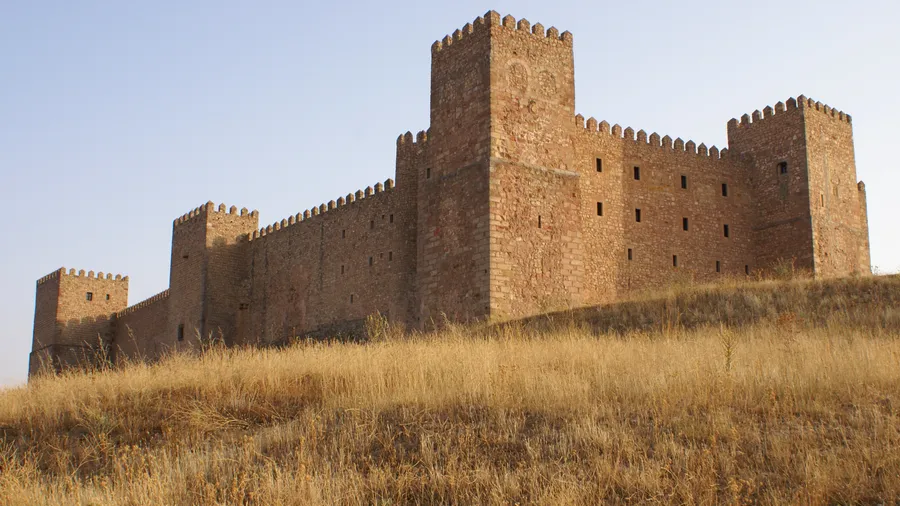
Tour of the 12th c. Mudejar Alcázar, the Arab mosque turned chapel, the Caliphal baths and gardens overlooking the city. 1h30-2h.
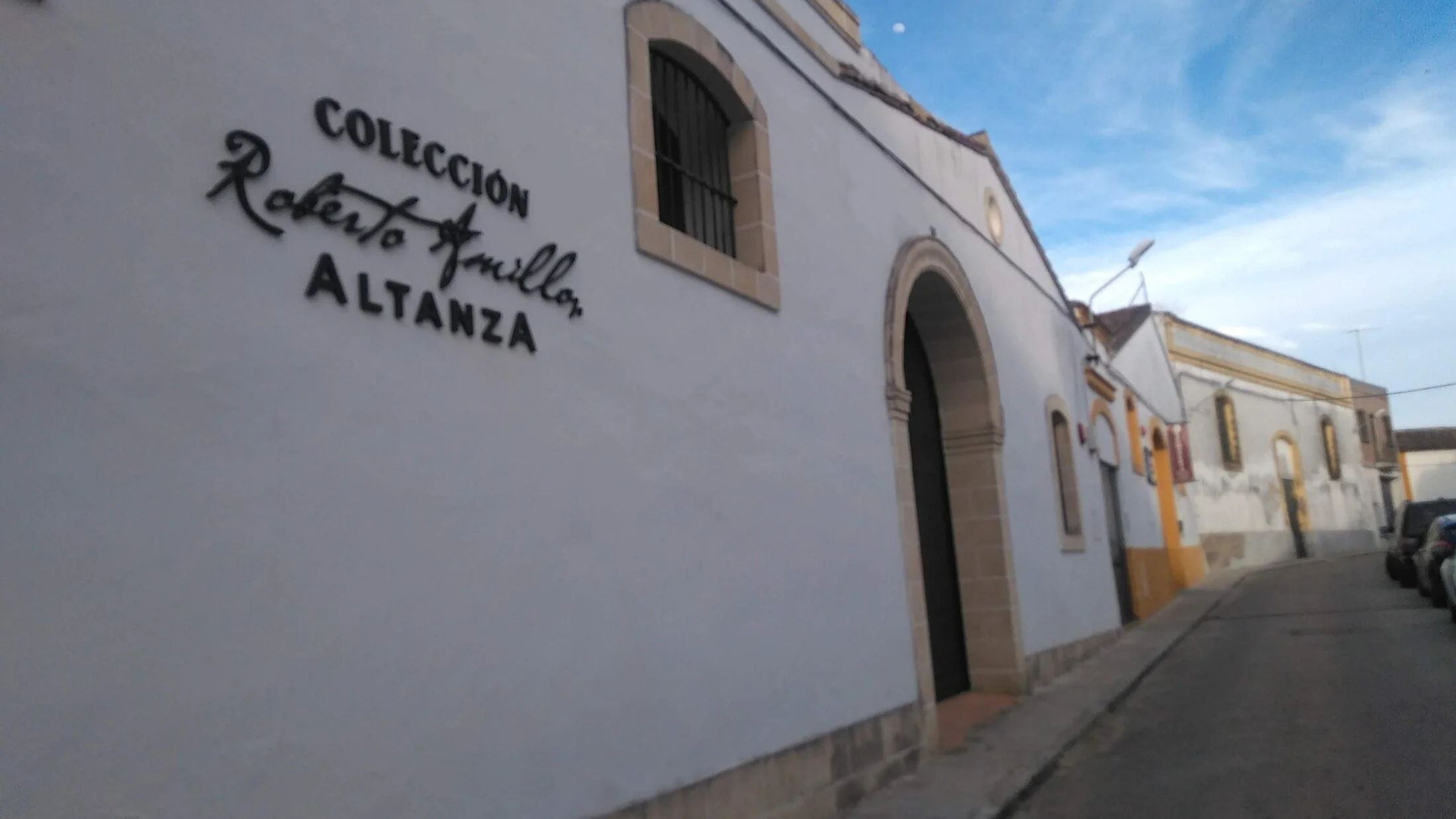
Cradle of the world's most singular fortified wine, of serious flamenco and the Cartujano horse. Centuries-old wineries and Mudejar-courtyard haciendas.
From 70 € /person
No commitment · We design it with you
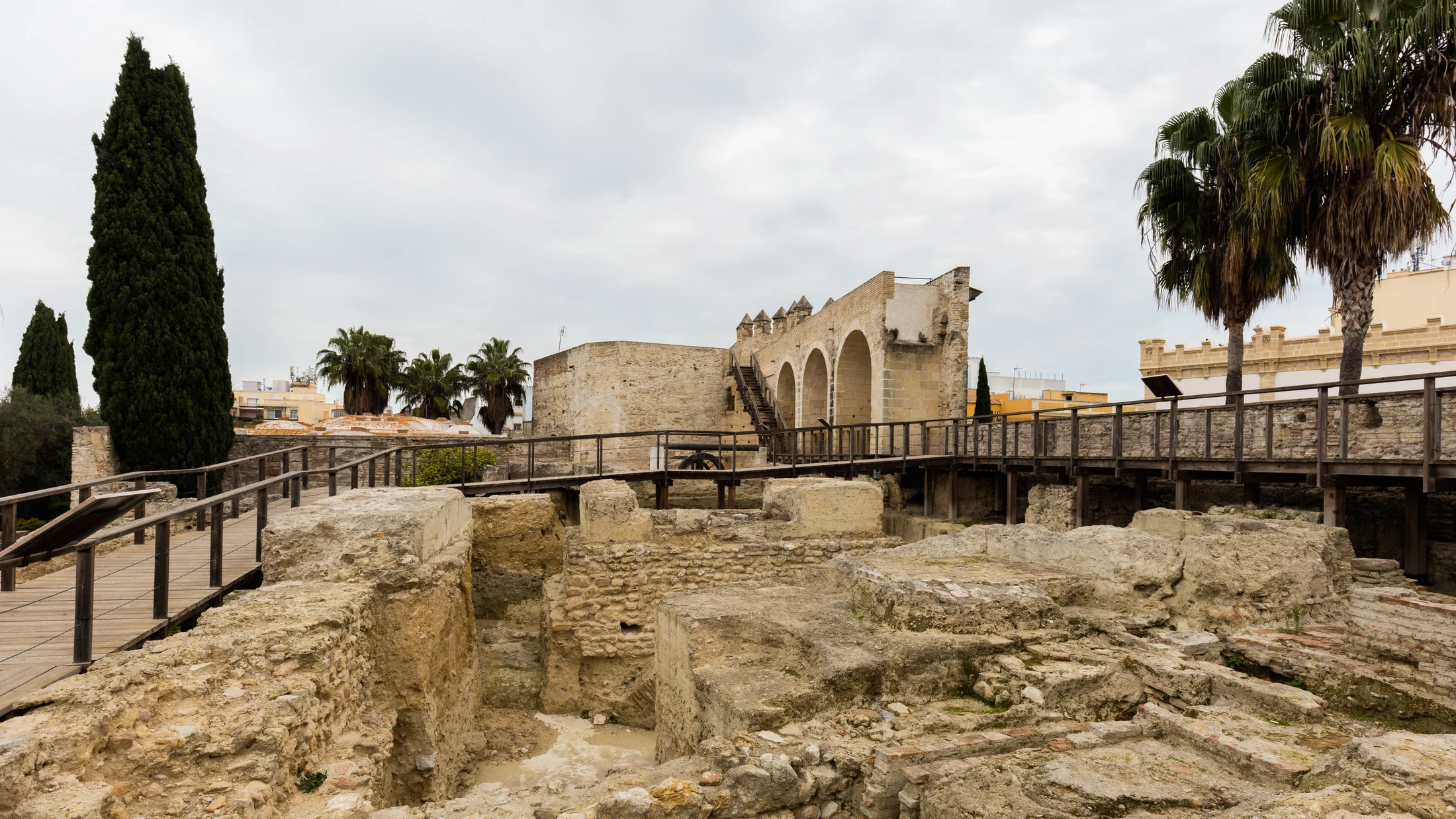
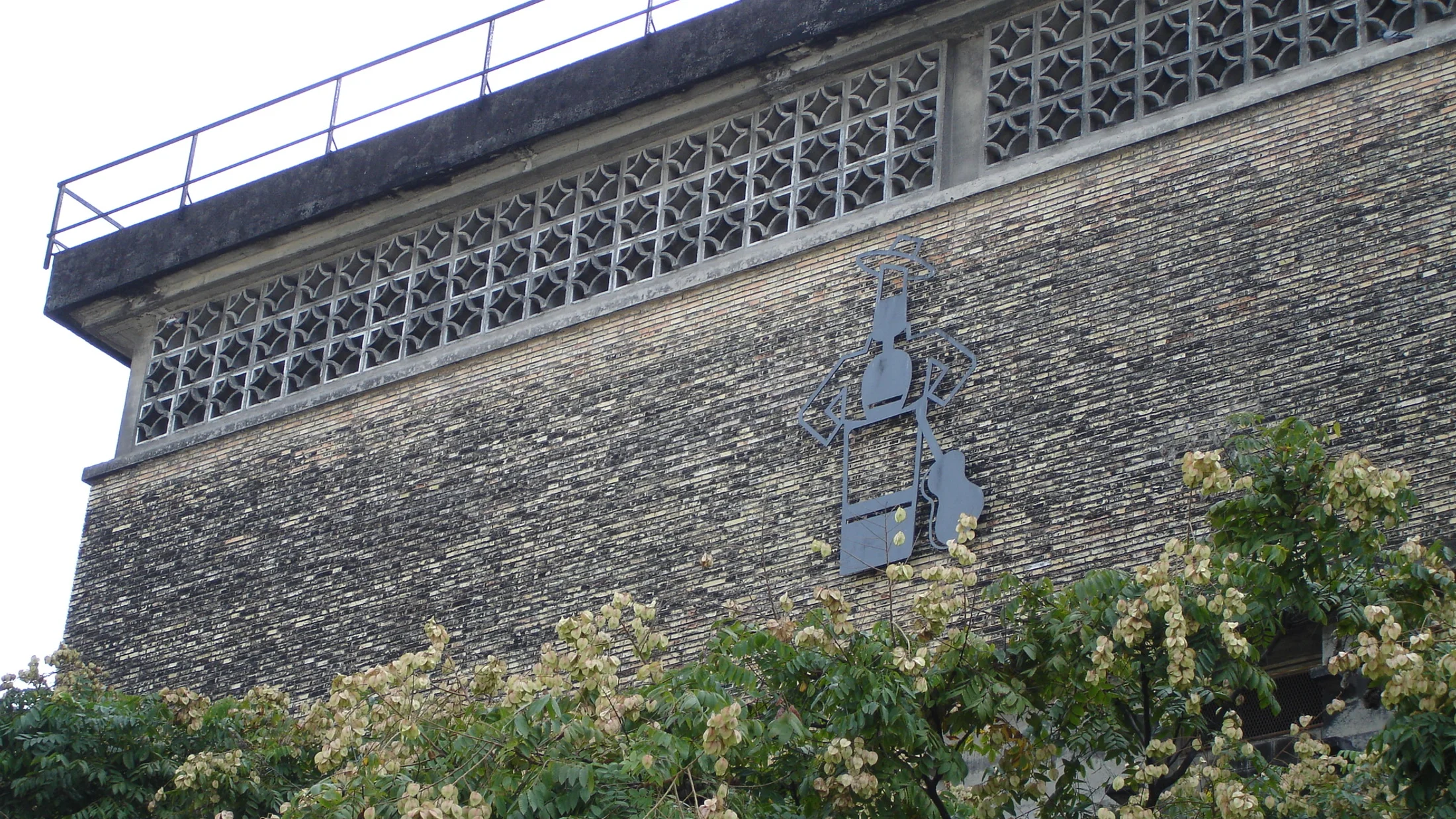
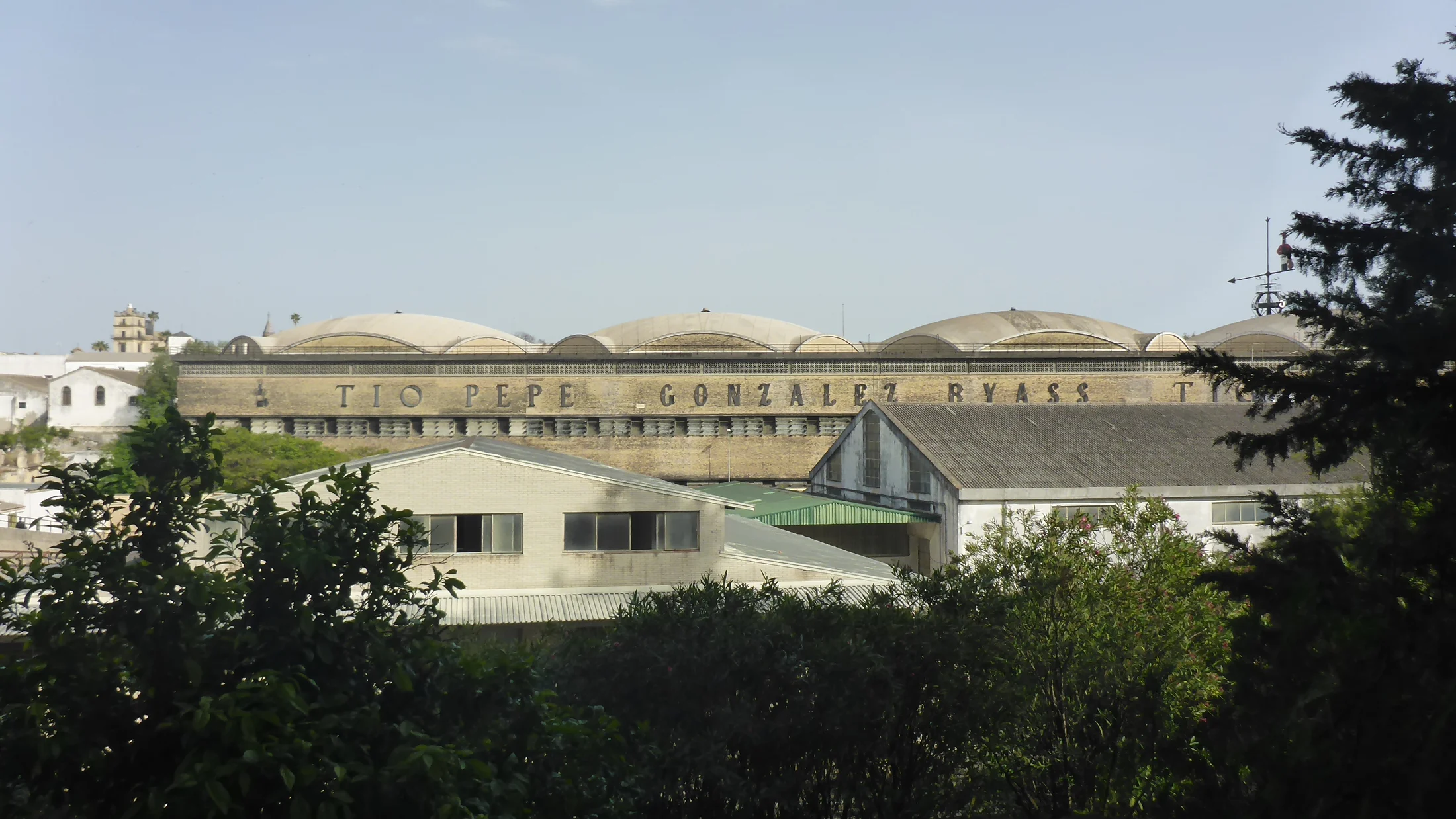
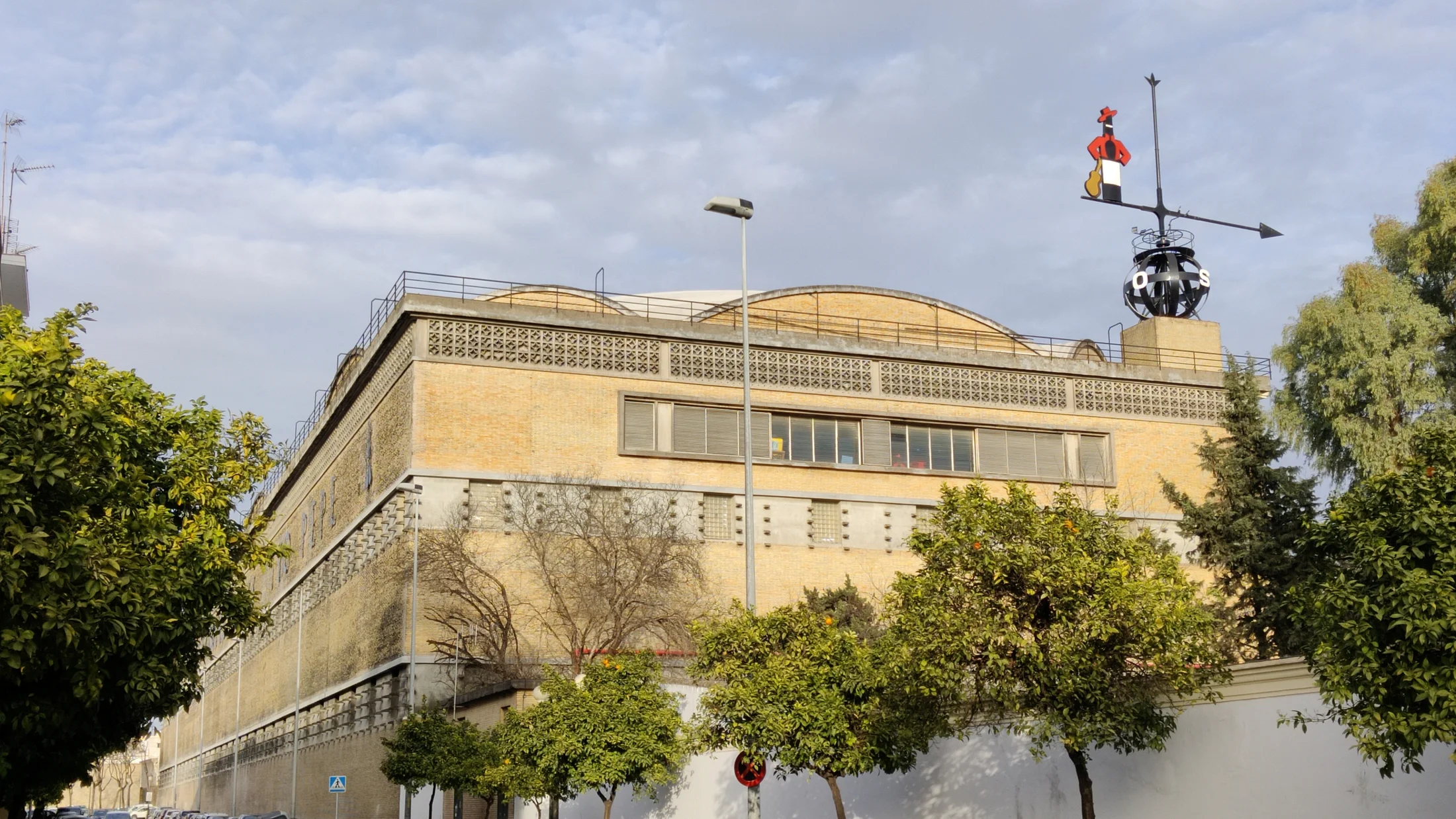
In Jerez, wine is not made by vintage year: the botas are arranged in rows (criaderas) and only drawn for sale from the bottom row (solera), replenishing with the upper level. A glass may contain a blend of harvests spanning 50-100 years.
Manuel María González Ángel founded the winery we now call González Byass in 1835. The solera of Tío Pepe began in 1844 and remains active: it is one of the oldest finos in the world in continuous production.
The Carthusian monks of the Santa María de la Defensión monastery have been selecting a breed of purebred Spanish horse since 1484. The Cartuja Stud Farm (state) preserves it with documented pure blood – the Carthusian horse.
Jerez is the documented origin of bulería, a fast flamenco style (12 beats) that emerged in the late 19th century in the Santiago and San Miguel neighborhoods. Families like the Sordera, Agujetas and Terremoto keep it alive in the flamenco clubs.
It fits if you care about wine with history and character (not just reds), seek dense cultural Andalusia beyond beach sun, and enjoy courtyards, flamenco and Mudejar architecture. Works as a couple, with wine-loving friends or as a child-free cultural escape.
It does NOT fit if you're with small kids (tasting is the heart of the plan), want wild nature or adrenaline (try parque-natural-alcornocales), or need to be on the beach: Jerez is 25 km from the coast.
An editorial showcase of what the destination offers. Nothing to book here - we shape it when you write to us.
What makes this place different: heritage, crafts, local history.
Eating well without the manual - local product, village pace.
Where you sleep - inns, rural houses, hotels with character in the valley.
Half-hour side trips if you've time left or it rains.
When to go: spring (March-May, Horse Fair in May), autumn (September-November, harvest) and winter are perfect. Avoid July-August: 38-40°C is the norm.
How to get there: Jerez airport (XRY) with direct flights from Madrid, Barcelona and London. AVE train Madrid-Jerez 3h45. By car, A-4/AP-4 from Sevilla (1h) or Cádiz (30 min).
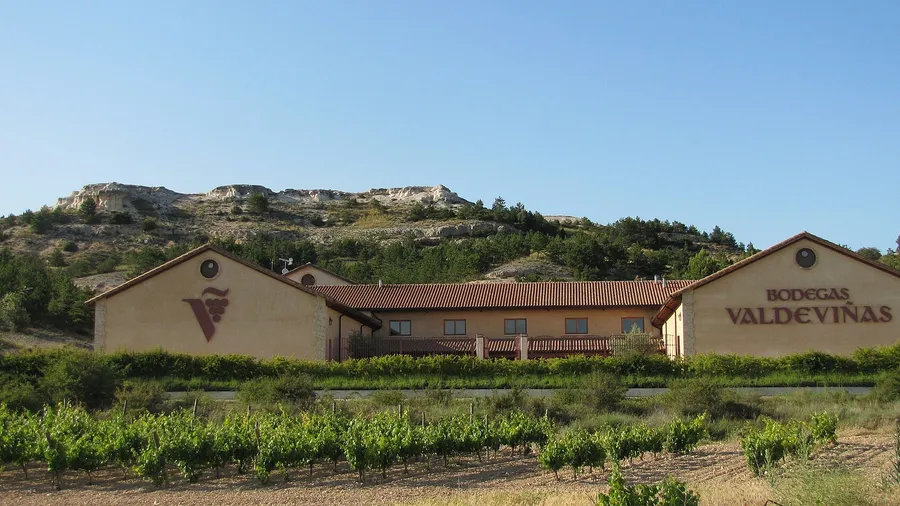
Wineries: González Byass (Tío Pepe) opens year-round with 1h30 guided visits (from €19); Lustau and Fundador work by reservation. Many close Sunday afternoons.
Two in a weekend. One large (Tío Pepe, Fundador) for the commercial history, and one more intimate (Lustau, El Maestro Sierra) to go deeper into styles.
The classic trilogy: Fino (dry, Palomino, biological ageing), Amontillado/Oloroso (oxidative) and Pedro Ximénez (sweet, sun-dried harvest). Some wineries add Jerez brandy.
No. Guided visits are designed for beginners. The solera system is counter-intuitive but well explained by guides; you leave knowing more than half of trainee oenologists.
Tío Pepe and the Royal Andalusian School have ramps and adapted toilets. The Alcázar and older haciendas keep original cobblestones and steps. Check each operator first.
Large wineries are in the city centre, 10-15 min walking apart. For country haciendas (lodging) you need a car or taxi (10-15 min).
A peña in the Santiago neighbourhood opens from 22:30 on Thursday or Friday (try peñas like La Bulería or Tío José de Paula). It's not a tourist show: local atmosphere, palmeo and bulería cante.
Quick filters
We'll shape it around you
Tell us how you travel - dates, group, pace, budget - and we'll design the trip exactly the way you need it.