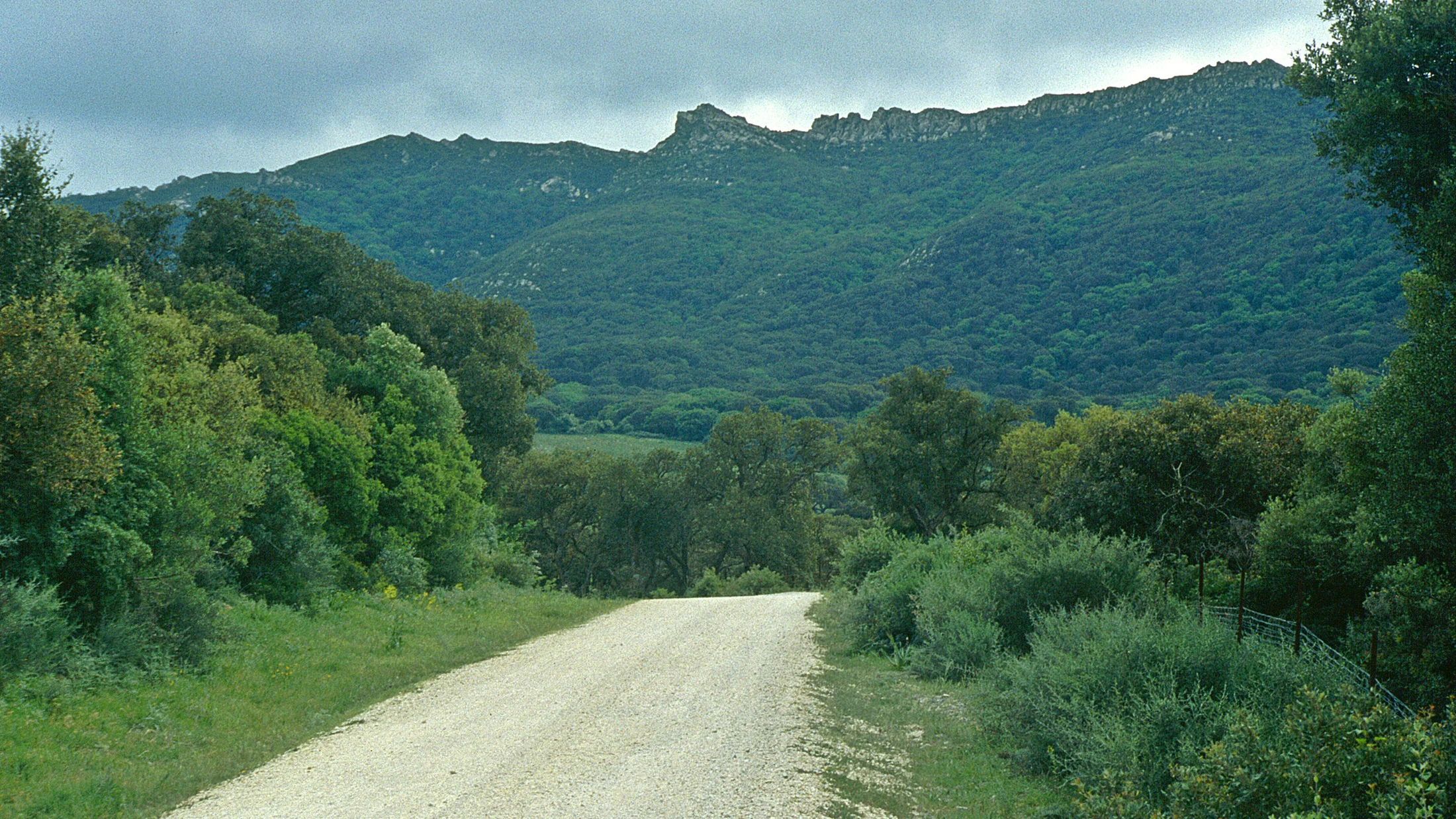
Parque Natural de los Alcornocales covers 170,000 hectares across the southern province of Cádiz and the northern edge of Málaga, stretching from the foothills of Sierra de Grazalema to the cliffs that drop toward the Strait of Gibraltar. It is the world's largest cork oak forest — a fact that becomes tangible once you walk among its ochre trunks and fern-covered slopes, where tree ferns reach heights of over a metre. Cork has been harvested here continuously for centuries, and the whitewashed harvest dates painted on each stripped trunk serve as living inventory tags. In summer, when the cork harvest is underway, the air carries the combined scent of damp earth, tannic wood and fresh resin.
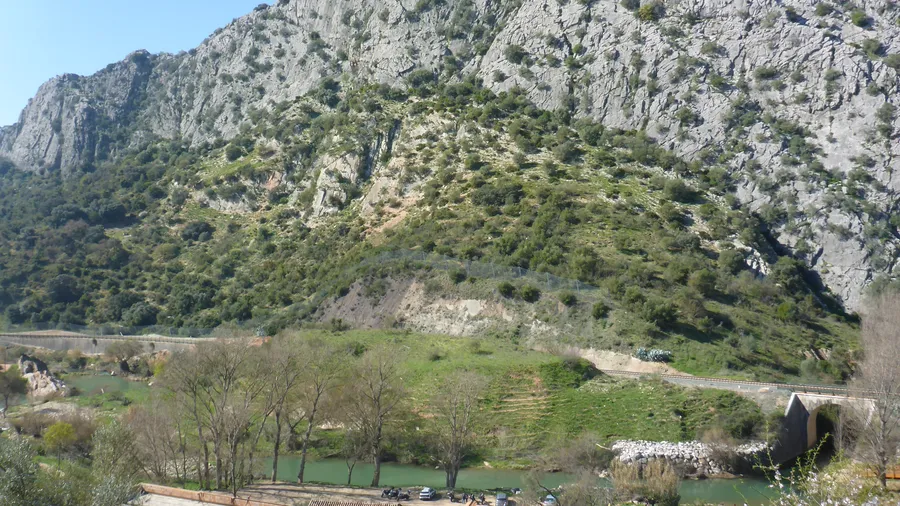
The park's topography is shaped by several parallel ridges — Sierra del Aljibe, Sierra del Niño, Sierra de Montecoche — separated by narrow, moisture-laden ravines called canutos. These sheltered north-facing gorges preserve a fragment of laurisilva, the subtropical Atlantic forest that covered much of southern Europe millions of years ago. Laurels, alders and relict ferns including the rare Diplazium caudatum survive here because temperatures at the ravine floor can be 5–6°C lower than on exposed slopes, maintaining a Palaeogene microclimate within a Mediterranean landscape.
The wildlife is notable. The Iberian lynx uses the park as a dispersal corridor, its population in the Campo de Gibraltar area having grown through reintroduction programmes. The black vulture nests on the crests of Sierra del Aljibe, with colonies exceeding one hundred pairs. During spring and autumn migration, the Tarifa viewpoints become one of Europe's premier raptor-watching sites: black storks, Egyptian vultures, booted eagles and Eleonora's falcons pass in significant numbers. The Río de la Miel and Río Palmones drain toward the coast through riparian corridors supporting otter and kingfisher.
The trail network includes the GR-7 long-distance route crossing the park north to south, local PR paths connecting the white villages of Alcalá de los Gazules, Jimena de la Frontera and Castellar de la Frontera to traditional droving routes. Rock climbing on sandstone is practised in the Cañones del Río de la Miel sector. Canyoning in the canutos requires a specific permit and a local guide, given the technical terrain and the sensitivity of the relict habitat.
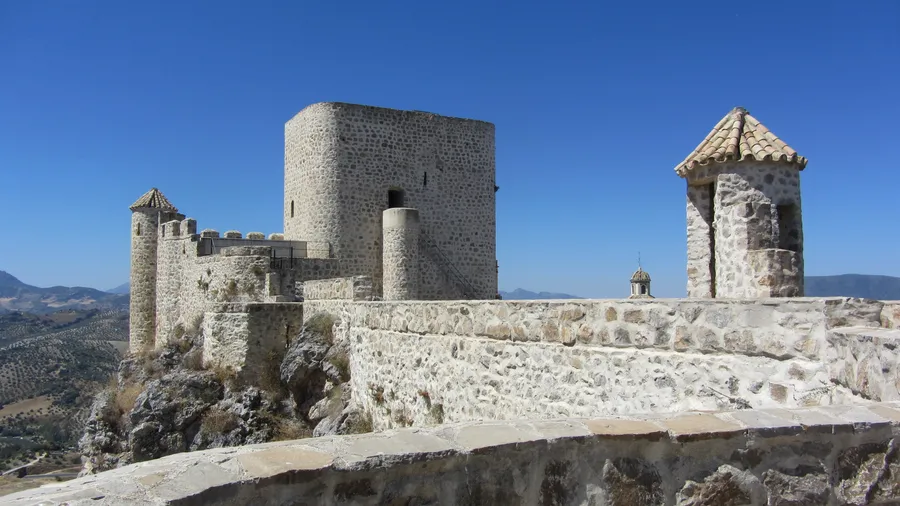
The traditional economy of the surrounding villages intertwines with the landscape in ways that remain visible today. Cork harvesting sustains dozens of family businesses across the Campo de Gibraltar, and the cork itself, graded according to porosity and thickness, feeds the wine-stopper industry from Bordeaux to the Douro Valley. Free-range retinto cattle and Iberian pigs in montanera—fattening on acorns through late autumn—graze the dehesas at the park's margins, keeping the understorey open in a land management system that dates to Roman times. The white villages perched on the ridges—Alcalá de los Gazules with its Moorish castle keep, Jimena de la Frontera with its three-towered fortress overlooking the Río Hozgarganta—offer accommodation, local food and starting points for the longer GR-7 traverse across the full length of the park.