Highlights

  • • 100-meter deep natural gorge
  • • 18th-century Puente Nuevo spanning the ravine
  • • Panoramic views of the Guadalevín River and city
  • • Viewpoints overlooking hanging houses and historic center
  • • Free access and open space for strolling

Description

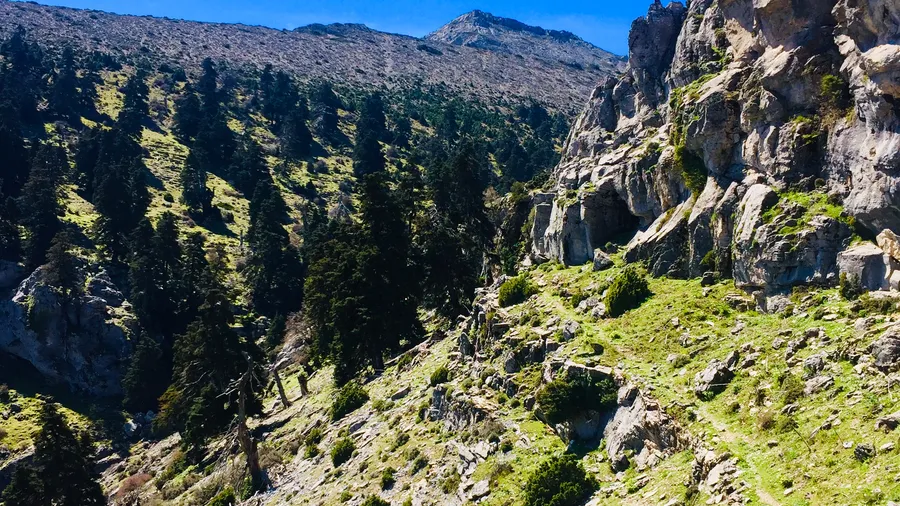
The Tajo de Ronda is a deep natural gorge approximately 100 meters deep that cuts through the city of Ronda in Málaga province. This geological formation has been sculpted by the Guadalevín River over thousands of years, creating a landscape of great natural and visual value. The contrast between the vertical rocky walls and the accompanying vegetation offers a sensory experience where the sound of water and fresh air combine with panoramic views.

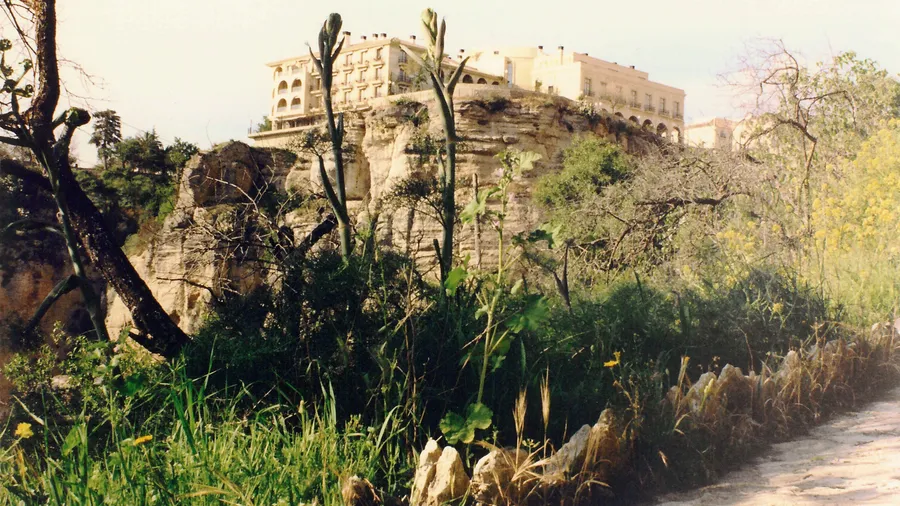
When visiting the Tajo de Ronda, you can admire the iconic Puente Nuevo, an 18th-century structure that connects the two parts of the city separated by the ravine. This bridge, with its robust arches and imposing height, is a remarkable example of engineering from the era and a key spot to observe the Guadalevín River and the surrounding landscape. Additionally, from several nearby viewpoints, you can appreciate the hanging houses and the historic center of Ronda, integrated into a unique natural setting.

The Tajo de Ronda has a history linked to the urban and strategic development of the city. The gorge served as a natural defense and influenced Ronda's growth, which settled on both sides of the ravine. The Puente Nuevo, built between 1751 and 1793, replaced earlier bridges and facilitated communication and trade. The area has witnessed historical events and is a symbol of Andalusia's cultural and natural heritage.

Visiting the Tajo de Ronda requires no entrance fee, as it is an open public space. Comfortable footwear is recommended to explore the viewpoints and nearby trails. Accessibility is medium, with some areas potentially challenging for people with reduced mobility. The site is suitable for children and pets, always under supervision. No reservation is needed to access, though during peak season there may be considerable crowds. The visit can last between 1 and 2 hours, depending on how much time is spent exploring the surroundings.

Key Information

Visit Duration

1-2 hours

Recommended Seasons

Spring, Autumn

Pricing

Free

Accessibility

Medium

Kid-Friendly Pet-Friendly No Booking Required

Related Destinations

Guide

Essential information for visiting Tajo de Ronda

Location

In this area

Practical Information
Pricing
Free
Visit Duration
1-2 hours
Features & Services
  • Accessibility:Medium
  • Kid-Friendly:Yes
  • Pet-Friendly:Yes
  • Booking:No Booking Required
Planning Information

Recommended Seasons

Spring · Autumn

Best Time to Visit

Spring and autumn are the best seasons to visit the Tajo de Ronda, offering pleasant temperatures and fewer crowds.

Visitor Tips

To make the most of your visit to the Tajo de Ronda, wear comfortable shoes and bring water, especially in summer. The viewpoints offer different perspectives, so take time to explore them. Avoid midday heat during summer. Although access is free, respect signs and avoid approaching unprotected edges. If visiting with children, keep them supervised near cliffs.

Historical Facts

The Puente Nuevo, spanning the Tajo de Ronda, was built between 1751 and 1793 to connect the two parts of the city separated by the ravine. This bridge replaced earlier structures and is a notable example of 18th-century engineering in Andalusia.

Frequently Asked Questions

Get answers about Tajo de Ronda

Yes, the Puente Nuevo is open to pedestrians and offers views from its walkway.
Yes, there are public parking lots in central Ronda, within walking distance of the Tajo.
Accessibility is medium; some viewpoints may be difficult to reach without assistance.
Yes, the Tajo is open all year, though spring and autumn offer better weather.
Yes, pets are allowed as long as they are controlled and their waste is collected.