5 Farms for Kids Near Barcelona: Hours, Prices and Tips for Your Visit
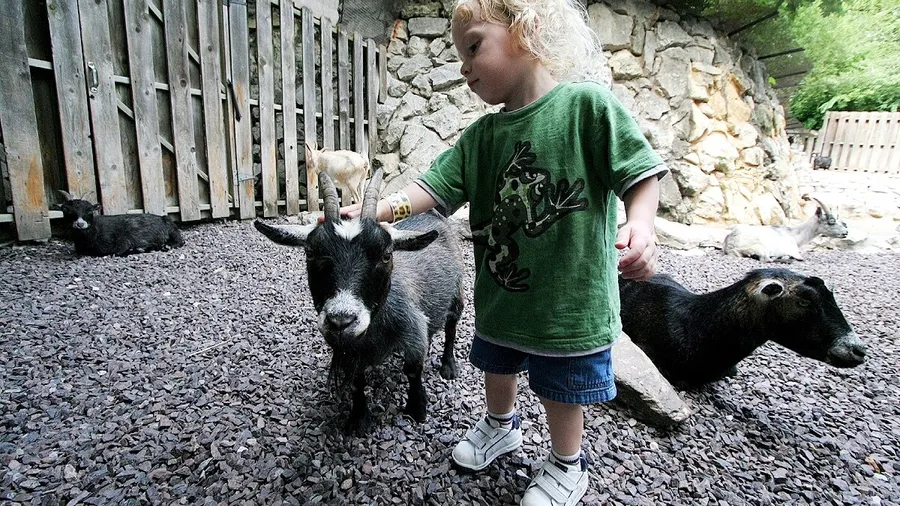
5 farms to visit with kids near Barcelona: hours, verified prices, activities by age and practical tips.
NatureAventuraCosta
Los mejores artículos seleccionados para ti
Descubre contenido por temáticas
Explora todos nuestros contenidos de aventura y viajes
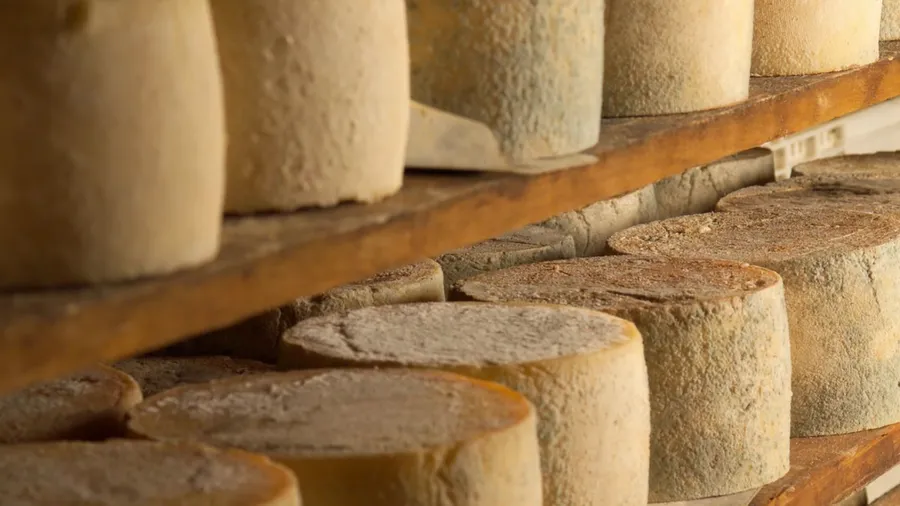
Some Spanish artisan cheeses simply refuse to travel, and that is their magic.
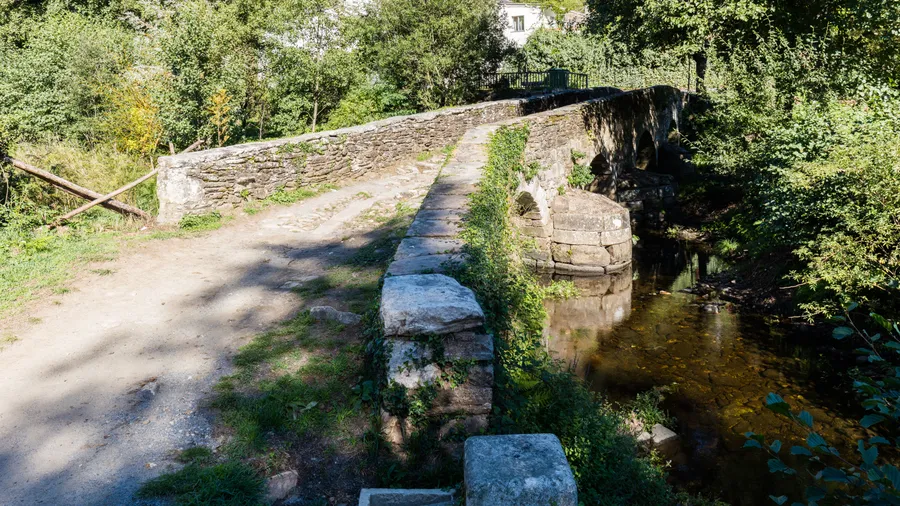
Vigo sits at a sweet crossroads where Galicia brushes the Minho and Portugal unfolds just down the coast, so if you’re craving getaways under 2 hours from Vigo this list shows beaches, market towns and national park valleys within easy reach.
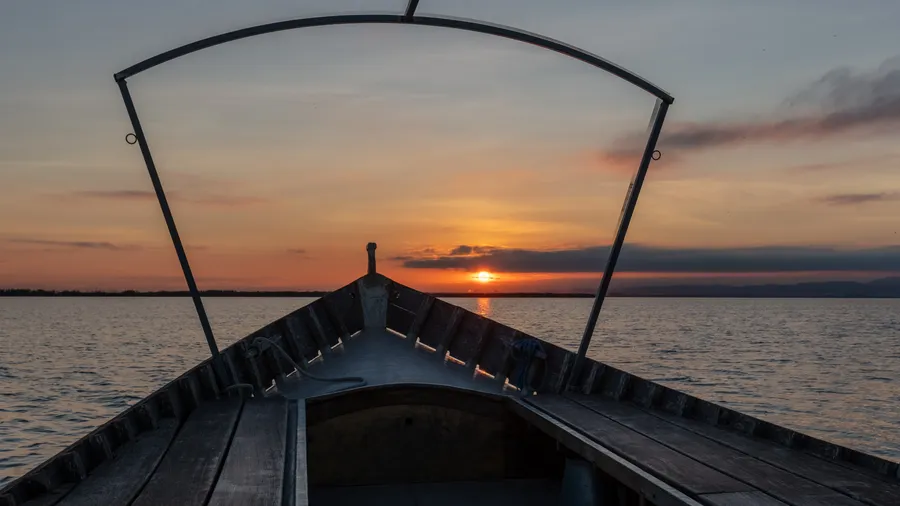
You don’t need a long drive to feel far away: getaways under 2 hours from Valencia take you to limestone canyons, turquoise rivers, thermal pools, vineyards and charming hill towns for easy day trips or last-minute weekend escapes.
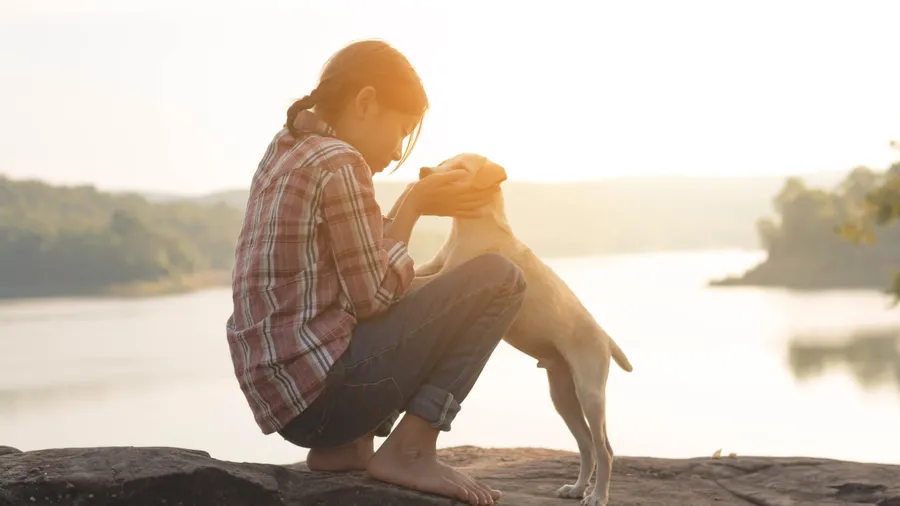
You want weekends that include your dog, not workarounds that exclude them, and across Spain pet-friendly getaways have grown as more travelers choose fresh air, quieter nights, and easy trails in rural areas.
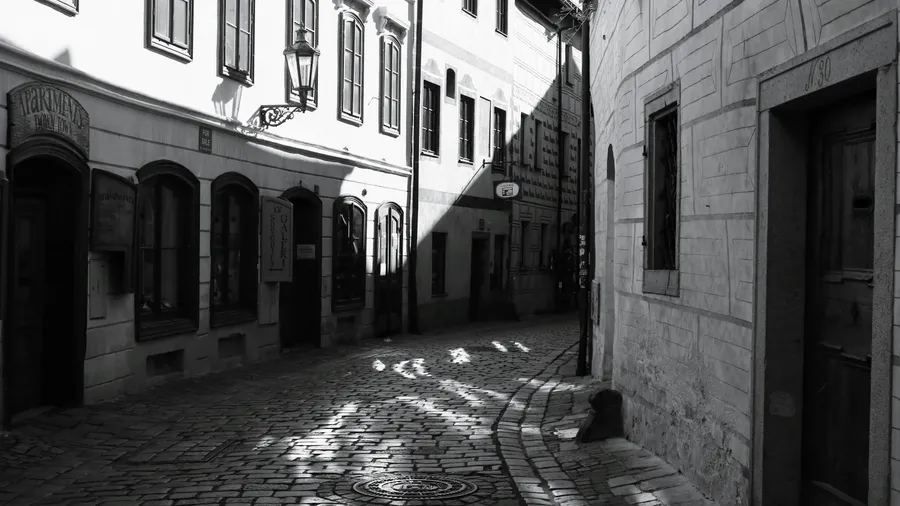
You crave places where time slows and stone streets still hold stories, and Spanish villages that look like another era pull you in with preserved architecture, quiet plazas, and routines shaped by land and seasons.
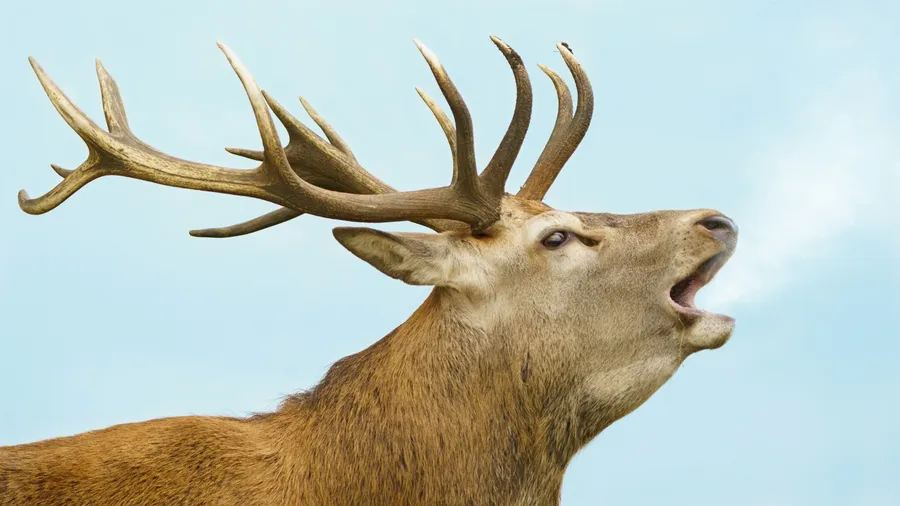
The deer rut in Spain is one of Europe's most stirring natural events, and it deserves your respect.
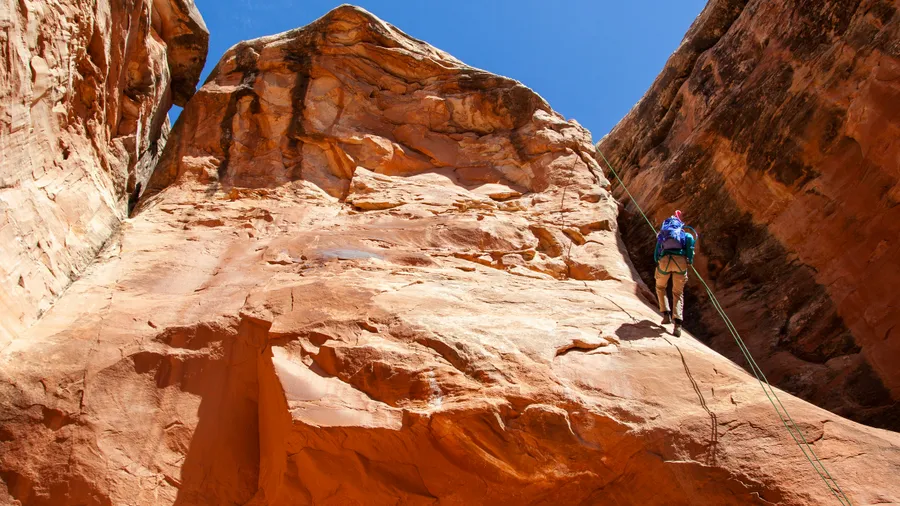
Canyoning for beginners blends hiking, swimming, and rope work to follow a stream through gorges, pools, and small waterfalls.
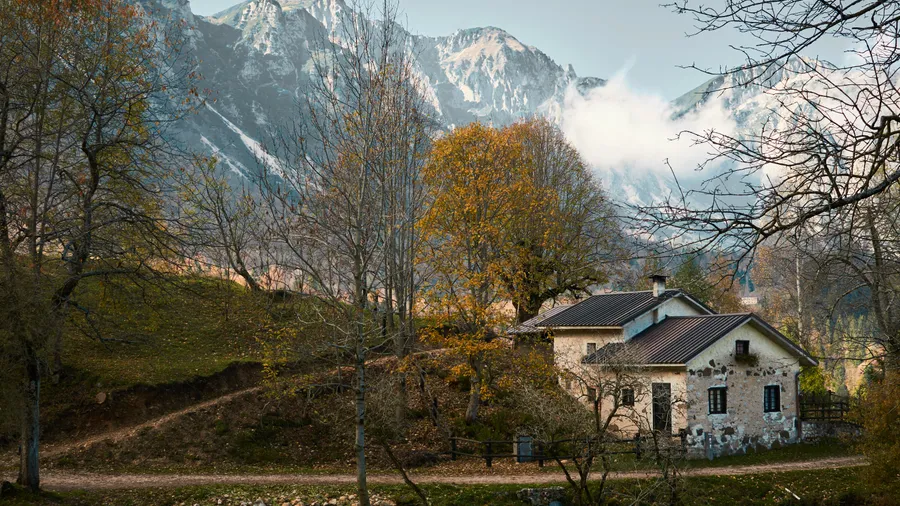
You can plan a rural getaway without a car and feel your pace slow the moment you arrive, as choosing public transport to the countryside cuts emissions, reduces stress, simplifies logistics, eases budgets, and deepens contact with local communities.
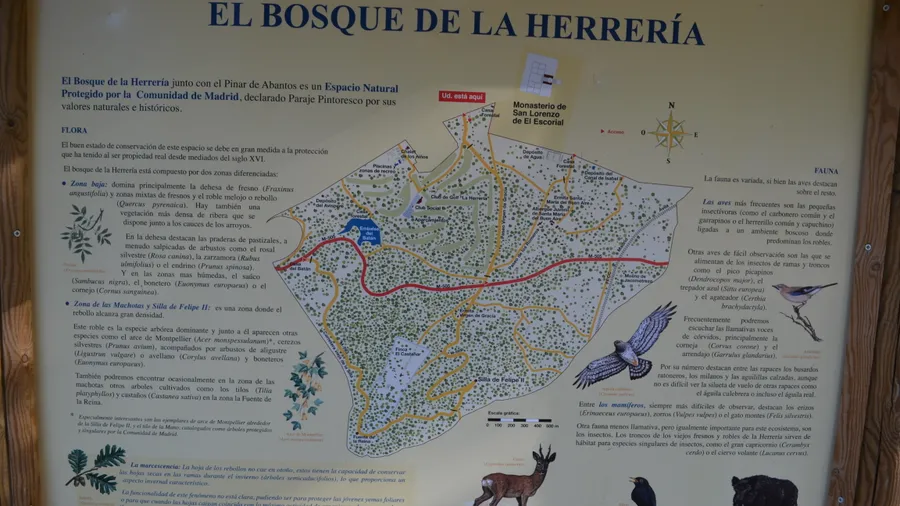
You want nearby getaways from Madrid that feel fresh, simple, and doable this week, with solid info—times, prices and how to get there—without losing the thrill of discovering somewhere new.
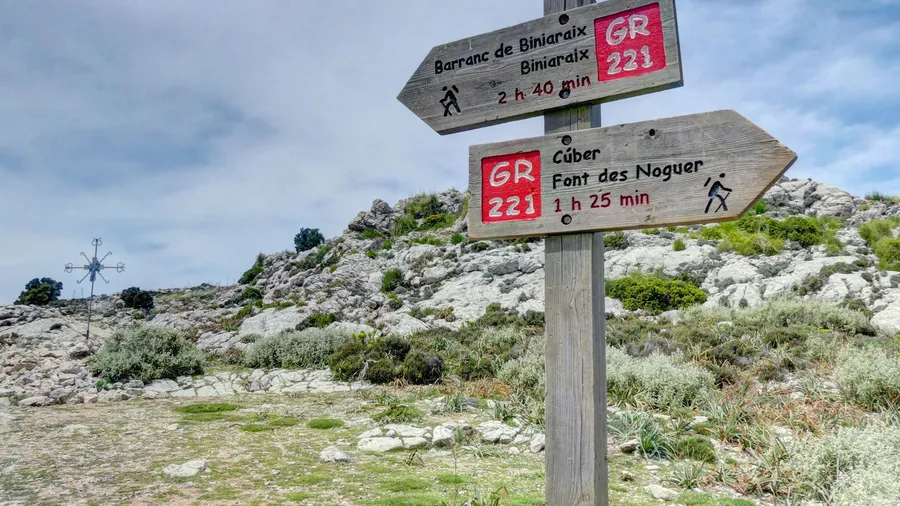
You want the mountains to welcome you and bring you back safely, so in Spain learning to read trail markers Spain is a simple skill that pays off in orientation, safety and respect for the land and its people, because a flash of paint on a rock can mean 'keep straight' or 'wrong way' and often spares you an hour of backtracking.
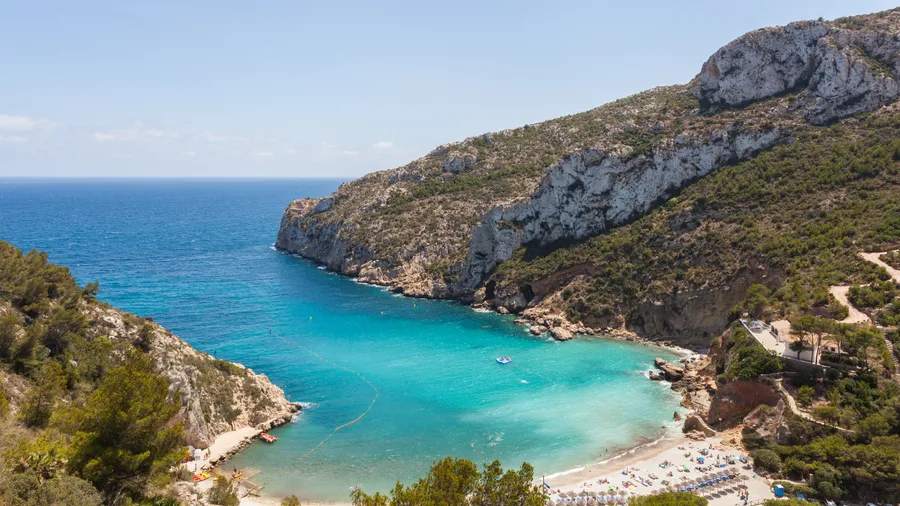
You don't need a long holiday to reset; you need a smart plan, because sea breeze, mountain light and orchard scents sit within two easy hours of the city.
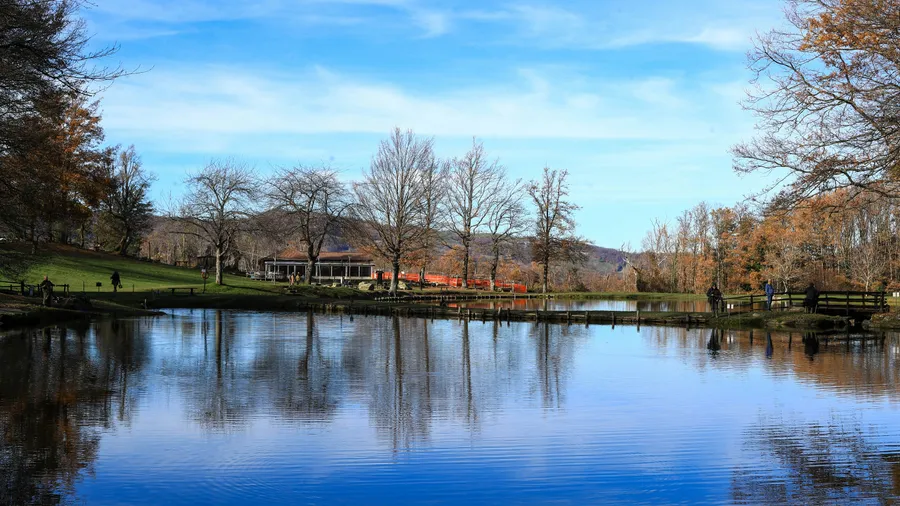
If you're hunting for getaways under 2 hours Zaragoza that feel fresh, close, and easy, this list is for you.