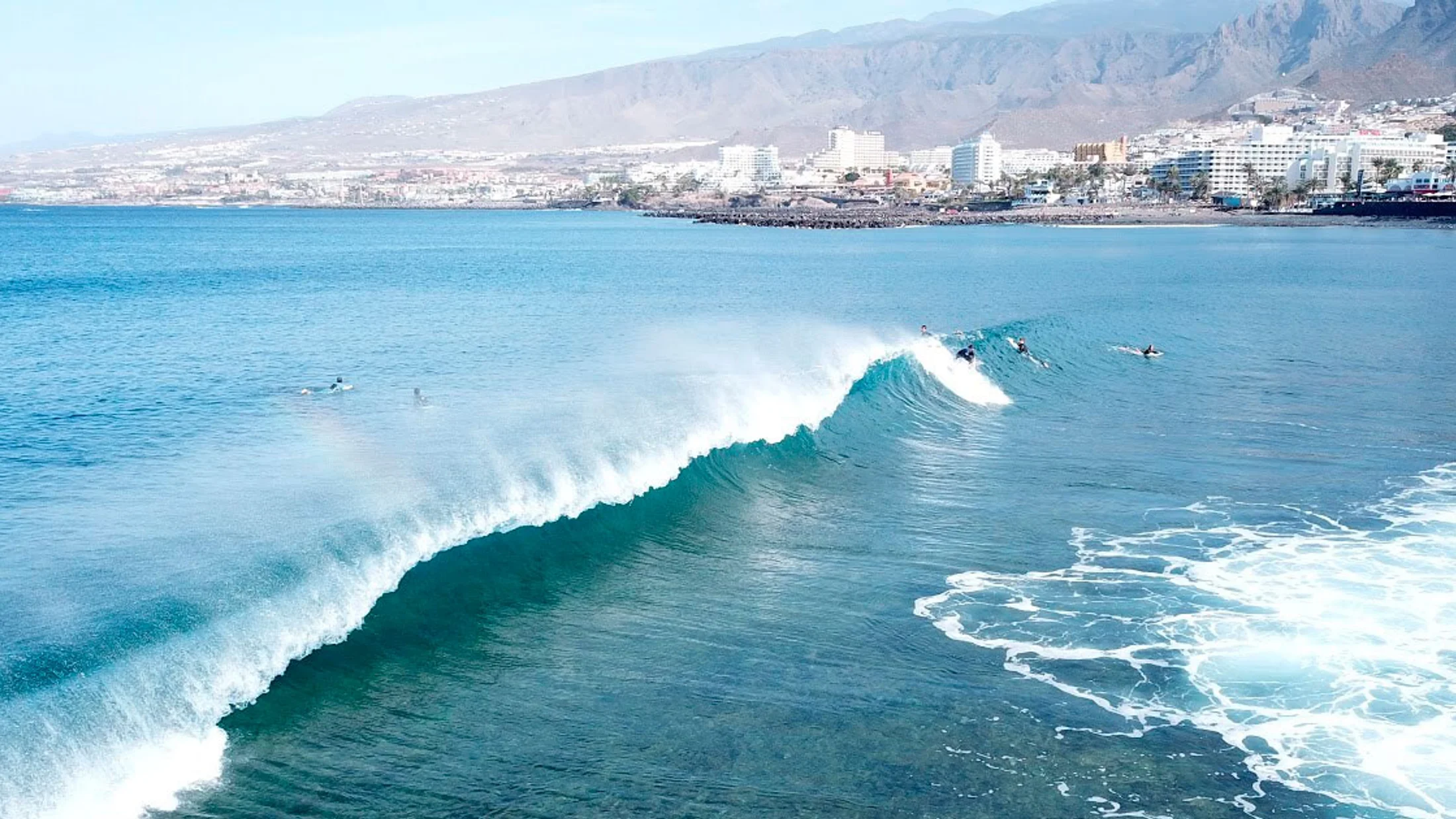
Why the Canary Islands Are a Year-round Surf Bet
The surf context that makes these islands stand out
If you want surf Canary Islands conditions that deliver almost every week of the year, this Atlantic archipelago is hard to beat. The trade-wind climate keeps air temperatures roughly 20–28°C and sea temps about 18–23°C, with winter northerly groundswells and summer wind swells (AEMET long-term averages). You’ll find beach breaks for soft learning curves and volcanic reef/point setups for precision lines within a 30–90 minute drive on most islands.
Winter (October–March) is prime on northern coasts for consistent swell, while spring and autumn balance cleaner winds with manageable size. Summer suits beginners on many beach breaks, with mornings typically calmer before trades rise. The audience spans first-timers, independent intermediates, and chargers seeking low-tide reef bowls, which is why you’ll hear surfers cite the “best surf spots Tenerife,” classic Famara surf sessions in Lanzarote, and the breadth of Fuerteventura surf spots in one breath. The key is choosing a spot that matches your experience and the day’s tides, wind, and swell.
One moment you’re paddling under ochre cliffs and the next you’re rinsing salt beside aloe hedges.
We selected each spot and local learning options by wave quality and consistency, safety access, nearby surf schools/camps, and fair value for lessons and rentals.
What you’ll take from this guide
- Identify 7 proven spots with nearby schools and camps across Tenerife, Lanzarote, and Fuerteventura.
- Choose surf camps Canary Islands options that fit your level, schedule, and budget (what’s included, what’s not).
- Compare lesson and rental price ranges and know when to book.
- Get logistics right: boards, wetsuits, ferries/flights, car hire, and where to stay close to the breaks.
- Stay safe with local etiquette, rip-current basics, and reef awareness.
- Use our interactive map and printable checklist to plan sessions and reserve with confidence.
A faint vanilla of wax on warm deck grips your palms as you scan the next set.
Picuco te puede ayudar
Does something here catch your eye?
Tell us.
Write to us on WhatsApp or email: we answer questions, find the best options and help you sort out the booking.
Top 7 Spots and Where to Learn, Island by Island
1) Famara, Lanzarote: a long, forgiving beach break for all levels
Famara sits on Lanzarote’s northwest, framed by Risco de Famara cliffs and 6 km of sand that catches a wide range of swells. It’s a classic beach break with multiple peaks, mellow on small days and punchier on larger winter pulses, which is why “surf Lanzarote Famara” is a staple search for beginners and returning intermediates. Mornings often bring lighter winds; afternoons can turn cross/onshore with trades.
- Location: Caleta de Famara, northwest Lanzarote.
- Break type: Beach break with shifting sandbanks.
- Best season: Year-round; Oct–Mar for consistency, May–Sep for smaller learner-friendly days.
- Level: All levels; beginners near the inside reforms, inter/adv on bigger days and better banks.
- Lessons and rentals: Group lessons 45–65 € p.p.; board rental 15–25 € day; wetsuit 5–10 € day (confirm with operator or see Picuco for options).
- Schools/camps: Multiple surf schools Lanzarote operate daily lessons, week courses, and surf camps with accommodation in town.
- Beyond surf: Cliff walks, La Graciosa ferry day trips from Órzola, Timanfaya National Park.
Sea mist hangs low at sunrise while crumbly lefts and rights peel across the bay.
2) El Cotillo, Fuerteventura: beginner-friendly beaches with nearby reef alternatives
On Fuerteventura’s northwest, El Cotillo offers sandy coves and open beach sections that favor learners on small-to-moderate swells, with nearby reef options as you progress. “Surf Fuerteventura El Cotillo” works best in lower-to-mid tides for many banks, and early sessions often beat afternoon winds; close reefs add challenge on cleaner winter days.
- Location: El Cotillo area, northwest Fuerteventura.
- Break type: Beach breaks, with accessible reef alternatives nearby.
- Best season: Sep–Apr for consistency; summer mornings can be fun on smaller swells.
- Level: Beginners on the beach sections; inter+ can try neighboring reef peaks in suitable conditions.
- Lessons and rentals: Group lessons 45–60 € p.p.; board rental 15–25 € day; premium/epoxy 25–35 € day (confirm locally).
- Schools/camps: Several operators run daily classes and multi-day surf camps Canary Islands style from Cotillo or Corralejo bases.
- Beyond surf: Lagoons and coves for snorkeling, lighthouse sunsets, easy tapas in the old harbor.
Warm sand squeaks underfoot as turquoise shorebreak arcs into tidy whitewater lines.
3) Playa de Las Américas, Tenerife: punchy reef walls and a lively surf scene
On Tenerife’s south coast, Las Américas is a concentration of reef breaks with quicker, hollower sections than the island’s beaches. It’s best for confident intermediates and advanced riders, often favoring mid-to-high tide and mornings before winds pick up; winter brings consistent swell, while shoulder seasons offer windows of clean performance surf.
- Location: South Tenerife around Playa de Las Américas.
- Break type: Volcanic reef with several named peaks; faster takeoffs, shallow zones at lower tides.
- Best season: Oct–Mar most consistent; spring/autumn for cleaner spells; dawn patrol year-round.
- Level: Inter/adv; lessons available for strong beginners on mellower nearby reforms.
- Lessons and rentals: Private coaching 70–120 € session; group 45–65 € p.p.; rental 20–35 € day (confirm locally).
- Schools/camps: Multiple schools cater to step-ups, technique clinics, and video analysis; camps combine lodging in town with coaching blocks.
- Beyond surf: Coastal promenade runs/cycling, whale-watching departures, Teide National Park day trips.
You’ll hear the sharp hiss of a reef lip pitching as sun flashes off glossy faces.
4) El Médano, Tenerife: friendly learning beach with wind-sport energy
El Médano, east of Tenerife South airport, is known for steady trades that build wind sports, yet it offers learner-friendly beach zones and reforms on smaller swells. It’s perfect for first-timers and progressing beginners who want to combine surf with kitesurf or windsurf, especially at earlier hours before winds intensify.
- Location: Southeast Tenerife, near Granadilla de Abona.
- Break type: Sandy bottom with mixed banks; wind-influenced surface.
- Best season: Year-round for beginners; spring–summer most consistent for wind sports.
- Level: Beginners and low intermediates; inter+ can scout nearby reefs when conditions align.
- Lessons and rentals: Group sessions 40–60 € p.p.; rental 15–25 € day; softboards widely available (confirm locally).
- Schools/camps: Schools run “surf schools Tenerife” style beginner courses, with options to add kite/wind modules and camp lodging.
- Beyond surf: Kite/wind hubs on the beach, volcanic cones to hike, laid-back cafés and bakeries.
Salt-sweet air and flapping kites color the horizon as gentle reforms fold toward shore.
5) La Santa, Lanzarote: advanced-only reef power with a proud local rhythm
La Santa is Lanzarote’s famed reef/point complex for experienced surfers who respect heavy water and sharp lava ledges. It requires precise entry/exit, timing, and etiquette; winter swells and light winds are ideal, with some breaks working on specific tides. Come prepared, scout from shore, and never paddle out alone if you’re unsure.
- Location: Northwest coast near the village of La Santa.
- Break type: Volcanic reef/point; shallow sectors; strong currents possible.
- Best season: Oct–Mar with long-period N–NW swell; early/late for wind windows.
- Level: Advanced only; helmets and booties advised for lower tides.
- Lessons and rentals: Advanced coaching 80–140 € session; video feedback often included; rentals 25–40 € day (confirm locally).
- Schools/camps: Specialist coaches and advanced clinics run seasonally; select camps focus on reef skills and safety briefings.
- Beyond surf: Fishermen’s bars, coastal running track, nearby lava tube walks.
The low boom of waves on lava echoes across the village as sets feather in the channel.
6) Corralejo, Fuerteventura: a cluster of breaks with strong options for intermediates
Around Corralejo in the island’s northeast, a network of beach and reef breaks offers remarkable variety within short drives. Intermediates thrive here, stepping from beach peeling sections to friendlier reef shoulders as confidence grows, while winter lights up exposed reefs and sheltered bays depending on wind.
- Location: Northeast Fuerteventura, from town beaches to northshore tracks.
- Break type: Mix of beach and reef; tide and wind vary conditions spot by spot.
- Best season: Sep–Apr for consistent surf; summer mornings can work for learners.
- Level: Beginners (inside beach), intermediates (primary audience), advanced (select reefs when clean).
- Lessons and rentals: Group 45–65 € p.p.; private 70–120 €; rentals 15–35 € day (confirm locally).
- Schools/camps: Popular area for multi-day courses, surf camps with shared villas, and video-coached progression weeks.
- Beyond surf: Dunes Natural Park, boat trips to Lobos Island, volcanic cone hikes.
Warm offshore breezes brush your shoulders as glassy shoulders ripple down the line.
7) Playa del Socorro, Tenerife North: wild, powerful beach for adventurous riders
On Tenerife’s rugged north coast near Los Realejos, Playa del Socorro is a powerful beach break known for stronger rips, shorebreak thump, and heavier winter energy. It’s best reserved for capable intermediates to advanced surfers who read currents well; lifeguards patrol in season, and you should always observe before paddling out.
- Location: North Tenerife, near Los Realejos.
- Break type: Potent beach break with strong paddle-outs and shifting peaks.
- Best season: Oct–Mar most consistent; shoulder seasons offer manageable windows; summer can be smaller but still punchy.
- Level: Inter/adv; not ideal for first lessons.
- Lessons and rentals: Coaching for experienced surfers 70–110 €; rentals 20–35 € day; check in with local schools that occasionally operate here in suitable conditions.
- Schools/camps: North-coast coaches run targeted sessions when conditions are safe; most beginner courses happen elsewhere.
- Beyond surf: Mirador vistas, banana-terrace strolls, nearby historic towns like La Orotava.
The deep thud of shorebreak rolls up the black sand as spray hangs in the cool trade wind.
Schools, Camps, and Where to Base Yourself on Each Island
Lanzarote, Tenerife, and Fuerteventura each offer distinct teaching styles, accommodation setups, and shore access, so match your base to your level and plans. In Lanzarote, Famara concentrates surf schools Lanzarote options with daily beginner to intermediate lessons, softboards, and weeklong packages that often include accommodation in shared apartments or surf houses. Camps commonly run 5–7 nights with 4–6 coached sessions, daily transport, equipment, and optional video analysis; expect 350–700 € depending on inclusions and season, and confirm details before booking. Intermediates seeking reefs can base near La Santa or drive from Famara, timing early windows for lighter winds.
Tenerife splits its offer: in the south, best surf spots Tenerife for learning and progression cluster near El Médano and Las Américas, where you’ll find group classes, private coaching, and surf-and-stay packages in town. Those after heavier waves can day-trip to north coast options like Playa del Socorro when forecasts line up, but remember that conditions are punchier and currents stronger. Choose accommodation along the south coast for walkability, nightlife, and non-surf activities, or pick quieter villages for rest and early starts.
Fuerteventura leans into variety and value: Corralejo and El Cotillo together cover beginners through intermediates, with plenty of surf camps Canary Islands packages that bundle airport transfers, shared villas, and video coaching weeks. The island’s open exposures can get windy by midday, so focus on morning lessons and keep afternoons for rest, snorkel lagoons, or technique workshops. Across all three islands, you’ll find private (1
or 1), small-group (1–1), and intensive week formats; compare student-to-instructor ratios, rescue certifications, insurance, and included transport to spots. Fresh wax and a rinsed wetsuit on the balcony rail promise an early paddle tomorrow.Interactive Map of Spots and Schools
Use our interactive map to pinpoint the seven featured spots, nearby surf schools, surf camps, board rental shops, lifeguard posts, parking, and beginner-friendly zones. Filters let you sort by island, level (beginner/intermediate/advanced), break type (beach/reef/point), lesson format (private/group), and services (rentals, video coaching, storage). Tap a spot icon to see tide notes, typical wind directions, access paths, and nearby amenities like showers or cafés; toggle “swell size” guidance to shortlist places that match your confidence. Save favorites to plan a two-island itinerary and plot ferry or flight hops, then estimate drive times to hit dawn sessions at the right tide. When ready, use the provider cards to check schedules and reserve lessons suited to your dates. A thin line of whitewater edging the map’s coastline hints where your next paddle-out awaits.
How to Choose a School or Surf Camp: Key Questions and a Handy Checklist
Before you book, ask targeted questions that reveal safety, teaching quality, and true value.
- Instructor credentials: Are coaches certified (e.g., national surf federation, lifesaving)?
- Ratios: What’s the student-to-instructor maximum in water? (Aim for 1–1 in groups.)
- Safety: Do they brief rip currents, entry/exit, and reef hazards? Is rescue gear on-site?
- Insurance: What liability and accident cover is included?
- Equipment: Which boards and wetsuits are included, and can you change sizes/models midweek?
- Spot choice: How do they pick the beach/reef daily (swell, wind, tide criteria)?
- Transport: Is hotel or camp pickup included for lessons?
- Video feedback: Do they film sessions, and how often?
- Cancellation: What’s the deadline and refund policy?
- Camp schedule: How many coached days, free-surf days, and rest options?
Printable checklist to compare options side by side:
- Level match: beginner | intermediate | advanced coaching
- Ratio promised: ____ : ____
- Included: lessons | gear | transport | video | photos | meals | airport transfer
- Accommodation: shared | private | distance to surf: ____ min
- Total hours in water: ____ | Theory sessions: ____
- Price per day of coaching: ____ € (divide total by coached days)
- Flexibility: weather plan | board swaps | make-up sessions
Don’t chase the lowest sticker price; calculate cost per coached hour and factor in inclusions like daily transport and board swaps. Pen tapping the page, you’ll spot the package that fits your goals and timeline.
Practical Tips: Rentals, Wetsuits, Getting Around, and Places to Stay
Board and wetsuit rental without surprises
Most shops and schools rent by the day or week, with weekly discounts of 20–30% common. Typical price ranges: soft-top boards 15–25 € day, standard epoxy/fiberglass 20–35 € day, premium/performance 35–45 € day; wetsuits 5–10 € day; storage/lockers 3–5 € day. Always inspect for dings and clarify “damage deposit” terms before leaving the shop, and confirm exact prices with the operator or via Picuco listings.
Match board to level and spot:
- First-timers: soft-top 7’6”–9’ for stability on beach breaks.
- Progressing intermediates: funboard 7’–7’6” or fish 5’10”–6’4” in smaller, cleaner surf.
- Advanced reef days: your shortboard or step-up; consider booties at shallow lava ledges.
Wetsuit guide for the Canaries:
- Winter (Dec–Mar): 4/3 mm; booties recommended in the north and on reefs.
- Shoulder seasons (Apr–May, Oct–Nov): 3/2 mm, sometimes a spring suit on warm days.
- Summer (Jun–Sep): 2/2 mm shorty or 3/2 mm early mornings; many surf in trunks + top at midday.
Schools—especially in hubs like Famara, Corralejo, or “surf schools Tenerife”—usually include suit and board swaps as you progress.
The faint neoprene scent and waxed rails cue your muscles for that first pop-up.
Transport and where to sleep near the waves
Island-hopping is straightforward: inter-island flights run 30–60 minutes and ferries link major ports in 30–180 minutes depending on route. Renting a car (often 25–40 € day) unlocks dawn windows and tide checks; add soft roof racks or hard bars and bring tie-down straps. Airlines and ferries accept surfboards for a fee—policies vary, so pack in padded bags, protect noses/tails with bubble wrap, and photograph the board pre-check-in.
Stay choices by goal and budget:
- Surf hostels: 20–35 € night in dorms, social vibe, kitchen access, close to breaks.
- Apartments/studios: 60–120 € night, ideal for couples and families, walk-to-beach options in El Médano, Las Américas, Famara, Corralejo, and El Cotillo.
- Surf camps: 5–7 nights, 350–700 € with lessons, equipment, and often transport; great value for structured progression.
- Quiet rural stays: fincas and guesthouses a short drive from the coast for rest between sessions.
The rattle of wax in the glove box and a pink dawn line suggest you’ll score the first glass-off.
Safety and Local Norms: Rips, Respect, and Lineup Etiquette
Start every session with a shoreline check: watch sets for 10–15 minutes, note entry/exit channels, and identify rips (darker, calmer ribbons between whitewater). If caught in a rip, stay calm, paddle parallel to shore to exit, then in with the waves. Signal for help with one arm raised if needed. Reefs demand extra care—time entries on lulls, avoid jumping into dry rocks, and consider booties and a helmet at shallow ledges.
Observe lineup etiquette to keep things friendly and safe:
- Priority to the rider closest to the peak; don’t drop in.
- Don’t snake by paddling inside repeatedly.
- Hold onto your board; controlled wipeouts prevent injuries.
- Call “left” or “right” on takeoff in crowded peaks.
- Share waves and be courteous to locals; they steward these breaks year-round.
Environmental respect matters: stay off tide pools and seagrass, pack out trash, and avoid nesting areas or tide-sensitive reefs in protected zones. Island notes: Tenerife’s north-facing beaches often have stronger rips and heavier shorebreak; Lanzarote’s reefs are sharp at low tide—check tide charts; Fuerteventura’s trades can create surface chop by midday—plan early sessions for cleaner conditions. The ocean’s low roar and the gulls’ calls remind you to read, respect, and then ride.
Frequently Asked Questions About Surf in the Canary Islands
When is the best time for beginners?
Late spring to early autumn offers smaller surf and mellow beach breaks, especially mornings at Famara, El Cotillo, and El Médano. In winter, choose protected beaches or book lessons that match daily conditions.
What should I pack for a week of surfing?
Bring reef-safe sunscreen, rash guard, 3/2 mm wetsuit (4/3 mm in winter), booties for reefs, hat, towel, spare leash string, and basic first aid. Most gear is rentable—pack light if you prefer.
How much does a surf camp cost for a week?
Typical 5–7 night packages run 350–700 € including lessons, board/wetsuit, and shared lodging; add private rooms or extra coaching if needed. Compare inclusions and coach ratios, and confirm prices on Picuco or with operators.
How do Tenerife, Lanzarote, and Fuerteventura differ for surfers?
Tenerife mixes learner zones and punchy reefs, Lanzarote balances Famara’s beach with advanced reefs like La Santa, and Fuerteventura offers the widest spread of learner-to-intermediate options near Corralejo and El Cotillo.
Can I get around without a car?
Yes in town hubs like Las Américas, El Médano, Famara, and Corralejo, where schools provide transport to teaching beaches. For reef hunting and dawn patrols, a rental car is a strong advantage.
Do I need special insurance?
Travel insurance that covers surfing and medical care is recommended. Ask schools if lesson insurance is included and what it covers outside coached hours.
Book your experience — discover outdoor activities in Spain with providers verified by Picuco.
Conclusion
Choosing surf in the Canary Islands means reliable swells, warm water, and quick access to beaches and reefs that match every stage of your progression. If you’re new, start with Famara, El Médano, or El Cotillo; for intermediates, Corralejo’s variety and Las Américas’ performance walls shine; advanced surfers can target La Santa or north-coast windows on Tenerife. Use the map above to plan sessions by level, tide, and wind, and lean on our checklists to compare schools and surf camps Canary Islands options transparently. With tides noted and a fair board under your arm, you’re a few paddles from your best session of the year.