Introduction
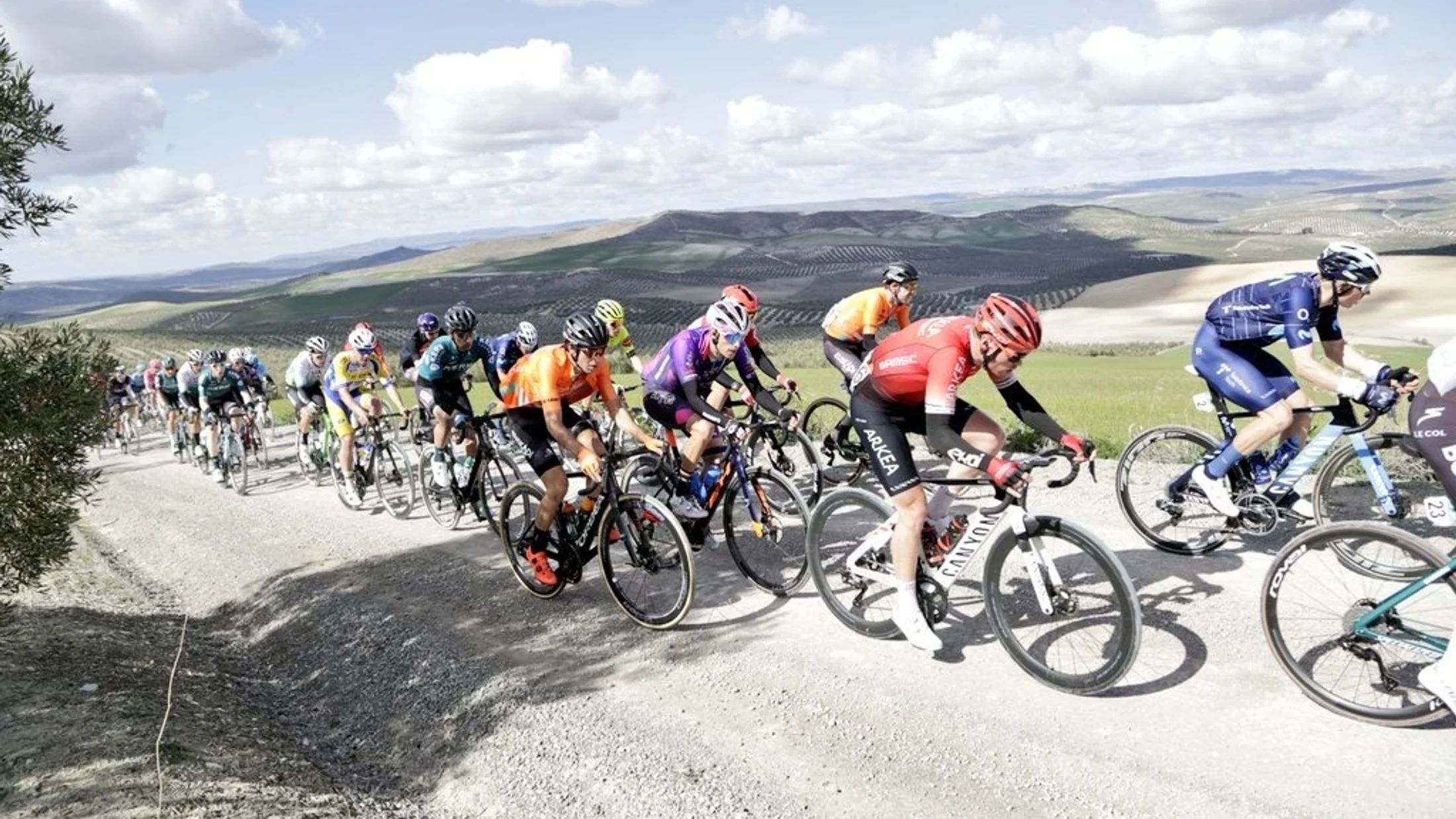
A sunrise departure, wheels on rough asphalt and a mountain pass ahead: this is how cycling tours begin in Spain. Every event blends sporting challenge, landscape and community in the same pedal stroke.
This guide brings together 10 events chosen for their history, participation volume, quality of organisation, route profile (elevation gain, mountain passes, safety), value for money and the reviews of those who have already completed them. There are different distances, so that both beginners and gran fondo lovers can find their place.
In each event, you will see where it is located, how to get there by train, plane or car, when to go depending on the weather and what to expect at the finish line: feeding stations, mechanical assistance and atmosphere. You will also find recommendations for staying in nearby rural settings and supporting local economies.
Distances and elevation gains are provided in ranges, so confirm them on the official website of each tour before registering. The same applies to the dates: they depend on the organisation and local permits. Many registrations open between autumn and winter of the previous year and sell out quickly, so it is advisable to have the date at hand.
Picuco te puede ayudar
Does something here catch your eye?
Tell us.
Write to us on WhatsApp or email: we answer questions, find the best options and help you sort out the booking.
How to make the most of this list
Ten cycling tours spread across Spain and a clear way to choose yours. Before looking at dates, decide what type of cyclist you are and how much time you have to prepare for it.
If you are a beginner, look for tours with short or medium routes and moderate elevation gain. If you already have endurance, go straight for the gran fondos and high mountain tests.
Read each entry by first identifying the location and how to get there from your starting point. Then check distances and elevation gain to match your level and objectives, and assess dates and weather to choose the most stable season.
Confirm prices and registration (early bird vs. regular): it is necessary to book in advance. The "best time", "ideal public" and "services" lists help you filter quickly between the ten proposals.
Below there is a map of locations to cross-reference departures, accommodation and transport. The frequently asked questions section resolves doubts about bib numbers, cancellations and logistics, with a focus on planning well for 2026.
Ten essential tours in Spain
Desafío Lagos de Covadonga: classic Asturian climb
The Desafío Lagos de Covadonga ends next to the lakes, in the Picos de Europa National Park, in the surroundings of Cangas de Onís. The final ascent to Lagos is the main attraction of the event.
There are two routes, of 99 km or 111 km, with that final climb and demanding mountain pass ramps. The route remains closed to traffic and more than 3,000 cyclists participate. It is a tour designed for climbers and cyclists with experience on long mountain passes.
Watch out for the time control: if you exceed the maximum time limit and the green flag motorcycle overtakes you, you are out of the event. The organisation provides basic mechanical assistance.
Registration has limited spots, so book in advance. It is also advisable to book accommodation in Cangas de Onís weeks in advance and arrive early at the car park. Bring a short gear ratio for the toughest ramps and a lightweight waterproof jacket for sudden weather changes.
Respect the signage and local wildlife, and visit Covadonga and Los Lagos during non-peak hours. To get there, follow the A-8 and the N-634; by train, you can go as far as Oviedo or Gijón and take a bus to Cangas.
3 Nations March: border crossing and high mountain
The 3 Nations March crosses Spain, Andorra and France in a single day, with 140 km and 2,100 m of positive elevation gain. It is a 100% Pyrenean gran fondo, with the start and finish in Puigcerdà.
The route is circular and passes through Andorra and France before returning to the starting point. The date is 6 June 2026, starting at 07:30 at the Puigcerdà sports area.
The capacity is 2,500 participants and it usually sells out, so it is worth checking registrations in autumn. The prices are 65 € for the first 500 registrations until 25 January 2026, 70 € from 501 to 1,250 or until 28 March 2026, and 80 € from 1,251 until sold out or until 29 May 2026.
The march is perfect for those looking for a gran fondo and climbs above 1,500-2,000 m. There are reinforced refreshment stations and assistance throughout the entire route.
The best time is late spring or summer, but keep an eye on the changing weather in the high mountains. Wear layered clothing and long gloves for the cold descents, even in summer. Stay overnight in the valley, in Puigcerdà or La Seu d'Urgell, and check your personal documentation for passing through Andorra and France.
You can reach Puigcerdà by train on the Catalunya R3 line or by local road.
Bilbao-Bilbao: Basque classic for endurance and cycling atmosphere
The Bilbao-Bilbao starts and ends in Bilbao, in Bizkaia, and brings together a multitude of cyclists among green hills and the Cantabrian Sea. It is a non-competitive cycle touring march, designed to enjoy the route and the atmosphere.
There are three routes of 85, 115 and 125 km, with short ramps and climbs through the Basque hills. The layout passes through Getxo, Sopelana and Plentzia and goes into the inland valleys.
It is held every March, with variable weather: it can rain and the Cantabrian breeze can blow. Bring a lightweight waterproof jacket and front and rear lights for visibility in fog.
The march is suitable for cyclists looking for a crowded atmosphere and manageable difficulty, also for groups and clubs. The signage is clear, refreshment stations are frequent and the local volunteer support is strong.
Registration is done online; it is worth checking the 2026 options. The bus station (Termibus) is near the San Mamés stadium, and it is difficult to park for free in the centre, so it is practical to use the paid underground car parks.
Take advantage of the weekend to visit the Casco Viejo or the Guggenheim and recover with local gastronomy.
Mediterranean Epic Gran Fondo: coast and varied terrain
The Mediterranean Epic Gran Fondo travels along the peninsular Mediterranean strip with salt marshes, pines and the sea always nearby. It combines the coast and the interior in a cycle touring event with mixed terrain: flat sections, climbs and some mountain passes.
Choose between 198 km and 3,600 m of elevation gain, 160 km and 2,600 m or 110 km and 1,700 m. The route includes the Serratella and Ares mountain passes. It is the 3rd largest cycling event in Spain and its ambassador is Perico Delgado.
The diverse profile suits teams with varied paces, and there is mobile mechanical assistance on the route. Train with crosswinds and prepare a relay strategy if you are going in a group. Fit tyres resistant to cuts from sand and salt, and adjust pressures for the variable asphalt.
Registration is open from 4 November 2025 and the deadline ends on 14 April 2026. The event is scheduled for 25 April 2026. The price scales by date and there are packages that may include a jersey: check the updated conditions and prices.
Spring or autumn give you long days and help you avoid the peak heat. You can combine the plan with nearby fishing villages, rice fields or coves, and support local family restaurants and accommodation on the coast. Access is easy via the AP-7 and there are nearby airports, so book in advance.
Millars Gran Fondo (Castellón): route of contrasts and tradition
Millars Gran Fondo crosses the Mijares/Millars river territory, between orchards, mountains and limestone stretches, with a Mediterranean identity of dryland and sea. The long route totals 156.6 km and 2,211 m of elevation gain, and includes the Aín and Salto del Caballo mountain passes.
It is an event for lovers of long routes with technical descents and climbs. Choose a gear that allows you to maintain cadence on the short climbs and save strength for the final third. The event has assistance and chip timing.
Registration has levels by date and bib numbers with or without a jersey, with discounts for clubs; non-federated riders pay a €12 supplement. You can sign up until 19 February 2027 at 18:00 or until places are exhausted. The top 25% of each age group qualifies for the Gran Fondo World Championship and receives a UCI medal.
The best time is spring and autumn, with mild temperatures on the coast and cooler ones in the interior. In spring, the scent of orange blossom accompanies the climbs in the interior.
You arrive by train in Castelló de la Plana, with regional connections. It is advisable to stay in villages in the interior or on the coast to combine the beach and the mountains.
Teide Loop (Tenerife): altitude, volcanoes and stable weather
The Teide Loop is a circular ride through a lunar landscape of lava, Canary Island pines and Atlantic viewpoints, with the silhouette of the volcano present throughout the route.
The main modality covers 175 km with 4,400 m of positive elevation gain. The medium modality drops to 95 km with 2,000 m of positive elevation gain. The route includes the ascent to Masca at kilometre 80 and a 28 km ascent to Teide.
The ride is suitable for cyclists looking for high-altitude training and long climbs. Hydrate more than usual and calculate your pace according to the altitude: the wind at the summits can be decisive. Use compact gearing and a wide cassette to maintain a constant cadence.
Registration has options with and without a tour package, including accommodation and transfers; it is advisable to check conditions and insurance. Add extra days to explore the forest crown, support local guachinches and crafts, and respect the National Park regulations.
Specialized 4 Cims: four climbs and technical challenge
Four climbs from the Catalan Pre-Pyrenees in a single day: that is how the Specialized 4 Cims is presented. Usual departures are in the Bagà/Alp area (Berguedà/Cerdanya), with signposted car parks.
The route links Coll de la Creueta, Collada de Toses, Coll de Merola and Coll de Pal. La Creueta and Pal are the epic points of the day. In the middle of the ramp, the sharp click of gear shifts sounds and it smells of resin under the shade of the firs.
You have three route options:
- 162 km and 3,700 m of elevation gain for those who want the full challenge.
- 126 km and 3,200 m of elevation gain, finishing at Coll de Pal at 2,100 m.
- 112 km and 1,800 m of elevation gain, the most accessible of the day.
The edition takes place on Sunday 29 June. Registration has limited spots, so it is advisable to register soon. The price is medium-high and the jersey is optional.
The ride requires trained cyclists, with descending technique and good pacing on consecutive climbs. Fit 25-28 mm tyres to gain grip and comfort on long descents, and check your brake pads before setting off.
Go in early summer and watch out for afternoon storms in the mountains. Read the regulations in detail: route adjustments and schedules for the edition are published with the tag "cycling tours 2026". Plan your overnight stay in nearby valleys and try mountain cuisine in family-run inns.
Gran Fondo Pirineus (Camprodon): landscapes and Pyrenean climbs
The Vall de Camprodon (Girona) brings together alpine meadows, stone villages and long, steady climbs. The Gran Fondo Pirineus is designed for those who enjoy climbing at a steady pace, with open views in every section.
The scheduled edition is on 12 June 2027. You need to be 18 years old on the day of the event and there may be cutoff points.
The best time is summer and high summer, when the snow has already retreated from the high passes.
Climb calmly and descend sensibly: the weather can change quickly. Staying in rural houses in the valley allows you to support the local economy and enjoy mountain cuisine.
You arrive via the C-38/C-26 road, or by train to Ripoll with a road connection.
Sierra Nevada Límite Gran Fondo: altitude and extreme weather
The Sierra Nevada Límite Gran Fondo ends at 2,100 metres, at the Sierra Nevada Ski Station. Before that, the route climbs long passes with gradients that stretch towards 2,000 m and more, in the surroundings of Granada.
The race totals 119 km with 3,319 m of positive elevation gain. It is a testing ground for highly trained climbers and cyclists. The return section consists of 25 km of continuous descent, with 50 m of ascent and 1,454 m of descent.
The maximum time is 7h 30min, with the finish line closing at 15:30h. The Guardia Civil de Tráfico closes the traffic with a safety bubble. The costs are medium-high due to the logistics at altitude: check policies and mandatory equipment.
The best time is late spring or early summer, with a risk of heat or dry storms. Train for heat and altitude, use high-factor sunscreen and a cap under your helmet, and carry a windbreaker vest for the long descents. To get there, the AVE to Granada and local transfers will sort out your trip.
Sesé Bike Tour: tradition and routes for all levels
In the Sesé Bike Tour, locals applaud the participants by name as they leave the village. It is an Aragonese cycle touring event with a charitable soul: every year it raises funds for various collectives.
The atmosphere is like a large cycling club, with the scent of freshly baked bread and thyme in the verges. The start is from Urrea de Gaén, although the location varies depending on the edition, so it is worth checking the 2026 venue.
It has short and long routes with moderate elevation gain, suitable both for beginners and for building endurance. There are modalities for families and clubs.
The best time is spring, to avoid the strong heat of summer in the valley. Services include generous refreshments and agile bib collection.
If you are starting out, choose the short route and ride in a group to find your rhythm. Book rural accommodation in nearby regions to extend your weekend.
Location map
An interactive map lets you see at a glance where the ten races start and end. With it, you can locate the start and finish of each one, calculate times from your city, and find accommodation nearby.
The map can include layers with the distance of each route, highlighted altitude points, and nearby transport stations. This way, you can compare the races before deciding which one suits you.
To build it, use Google My Maps or Leaflet with start and finish markers, approximate refreshment points, an altitude layer (mountain passes, viewpoints) and train stations, airports, and park and ride car parks. Add notes with indicative dates and the link to the official website of each race for 2026.
Share the map with your group and edit it with the logistics: restaurants, workshops, and water points. With this resource, you can plan reconnaissance routes, adjust schedules, and reduce unforeseen events.
How to choose your ride
Choose your ride based on what you can pedal today, not what you would like to be able to do in three months. Adjust distance, elevation gain, and weather to your fitness level and your goals, and think about finishing with good sensations rather than abandoning.
If you are starting out, aim for routes of 60-100 km and moderate elevation gain, avoiding long climbs. With some experience, look for 100-150 km with one or two mountain passes and work on your nutrition during the ride. For a gran fondo, consider 150-200+ km with climbs and very measured pace management.
The objective is in command. If you want to enjoy and get to know the territory, prioritise landscapes, services, and simple logistics. If you are looking for a personal challenge, choose iconic mountain passes and gran fondo events with clear time cuts. And if you are preparing for another race, look for profiles with similar altitude, heat, and wind.
The weather changes significantly depending on the coast. In the Cantabrian Sea and the Atlantic, there is drizzle and cool temperatures: bring lightweight waterproof clothing. In the Mediterranean, wind and early heat rule: hydrate and move your departure time earlier. In high mountains, it is cold during descents even in summer, so pack gloves and a windbreaker vest.
Logistics should be sorted before you leave. Calculate transport times and consider alternatives such as train + bike or plane + rental. Book accommodation in advance and prioritise places with early breakfast. In your budget, include your race number, travel, accommodation, food, and bike maintenance.
Before you register, review three things:
- Check that the distance and ascent match your current training and that you have a plan B with layered clothing.
- Confirm transport and accommodation (schedules and cancellations) and review the insurance and cancellation conditions of the organisation.
- Check lights, spares, appropriate gearing, and brakes.
For the 2026 gran fondo cycling tours in Spain, block your fitness peaks in your calendar and alternate weeks of training load with rest. And respect the territory: share the road, leave the towns better than you found them, and consume locally.
Practical tips for competing and enjoying
Arriving at the start with your bike ready and a clear head is worth more than any extra watt. Pace, nutrition, and respect for the environment and the community hosting you make the difference in a cycle touring event.
For a medium-distance event, reserve 8-12 weeks of base training; for a long-distance event, 12-16. Include a weekly long ride that gradually increases and work on strength 1-2 days per week. Also train the profiles that await you: mountain passes, wind, and technical descents.
Check your bicycle before travelling: clean drivetrain, up-to-date brakes, and 25-28 mm tyres. Dress in layers with a jersey, vest, arm warmers, and a lightweight waterproof jacket. In your pocket, carry two spare tubes or tubeless plugs, a multi-tool, a quick link, and a pump or CO2. Add lights, ID, a mobile phone with battery, and some cash.
In a long-distance event, practise a strategy of 60-90 g of CHO per hour during training, combining gels, bars, and fruit. Drink before you feel thirsty and add salts if it is hot or there is altitude. Eat every 30-40 minutes and do not try anything new on the day of the event.
Book accommodation, preferably rural and near the start, and confirm the cancellation policy. Plan for parking, bib collection, and access times. Carpool or use the train when viable, take your waste to the finish line, and support local producers by eating and sleeping in the territory.
Adapt all of this to your level: if you are a debutant, shorten the distance and ride in a group; if you are looking for a personal best, fine-tune your nutrition and aerodynamics.
Frequently asked questions
When will registrations open for 2026?
Most events open registrations between autumn 2025 and winter 2026. If you have a date in mind, check the event website from September.
Activate alerts and subscribe to the newsletter of each event. This way, you can get into the first phase, which is usually more economical.
What happens if I cannot attend and need to cancel?
If you cannot attend, check the event regulations: many offer a change of holder, postponement, or partial refund depending on the date. The sooner you check, the more options you will have.
Keep your receipts and write to the organisation in advance. This way, you can prove the reason and adhere to the deadlines set by each event.
How do I transport my bicycle if I travel by train or plane?
On long-distance trains, check the bicycle transport conditions beforehand: covers and permitted dimensions. Each operator sets its own rules, and it is advisable to check them when buying your ticket.
By plane, use a specific bicycle case and protect the gears, the derailleur hanger, and the wheels. Take out bicycle insurance when travelling by plane.
Can I participate with companions or family members?
Yes. Most events set up entertainment areas and publish estimated schedules so that companions know when the peloton passes.
Before setting off, coordinate accessible public points with them and take traffic closures into account. Also respect the areas reserved for the organisation.
How and where do I collect my bib?
You collect your bib the day before or on the morning of the event, at the runner's fair or at the official tent. Bring your ID or passport and your registration receipt.
Before heading out for collection, check the schedules to avoid queues.
Is there a limit on participants and time cuts?
Yes. The races have a participant quota and time cuts for safety and permit reasons.
Before you sign up, check the official quota and time cuts for the event. If you think you might be running tight on time, choose the shorter distance or set off with a sufficient pace margin.
What safety measures should I expect?
The races feature signage, volunteers at crossings, medical assistance, and basic mechanical support. This network covers you throughout the route, but it does not replace your attention to the handlebars.
Each participant is responsible for their own riding: respect the rules, signal your manoeuvres, and take extreme precautions on descents. That is where most of the scares occur.
Book your experience — discover active tourism activities in Spain with providers verified by Picuco.
Conclusion
Choosing your race is choosing a story. Define your level, assess the weather and logistics, and book in advance: spots for the most popular events sell out.
Prioritise the events that fit your objectives and your calendar. Confirm profiles and prices on the official website and book your accommodation in advance.
Respect and thank those who look after these roads: they belong to everyone.
Subscribe to the Picuco newsletter to receive registration alerts and news about 2026 cycle touring races, and save this article. Share the guide with your group, tell us about your favourite race in the comments, and update your impressions if you participate in 2026.