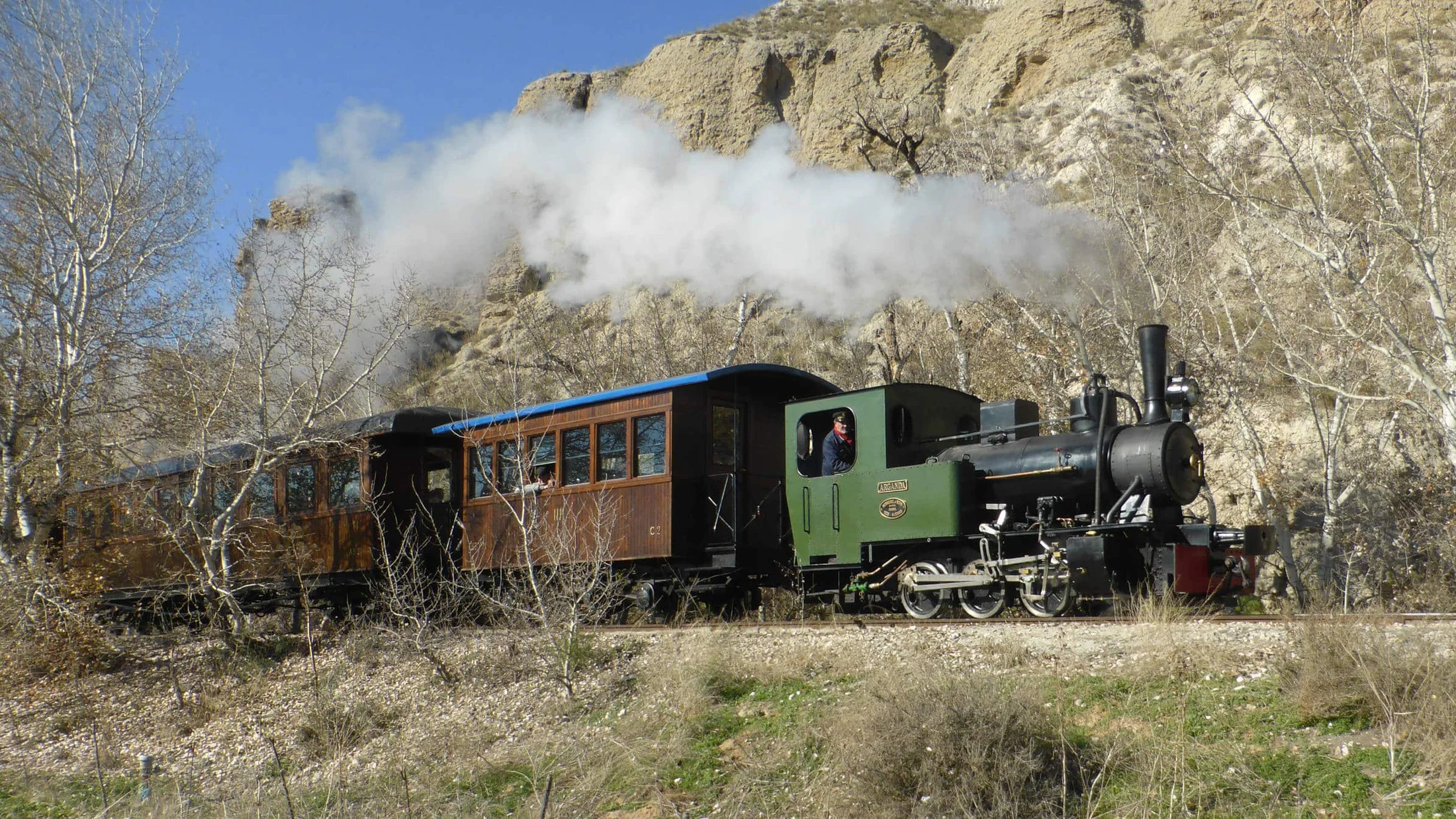
Why travel on non-luxury historic tourist trains
Hop into a restored carriage, sit by the window, and let the landscape drift slowly by. Non-luxury historic tourist trains focus on the experience and the essentials: the window, the seat, and the landscape.
They are affordable and transport hundreds of people with a low carbon footprint, at a human pace and connected to the territory. Unlike luxury trains with suites and high-end gastronomy, here restored carriages, classic locomotives, and the living history of the railway rule.
The journey begins before the first tunnel: you hear the rattling again and smell the waxed wood. They are perfect for spending a different kind of day with children, for a weekend getaway, or for celebrating an anniversary with a trip that tells a story.
By travelling on them, you support museums, associations, and public operators that preserve century-old material. This guide brings together routes, clear advice, and ideas to combine trains, nature, and culture.
A bit of context: heritage on rails in Spain
Spain has over 170 years of railway history, starting from the Madrid–Aranjuez route inaugurated in 1851. That heritage lives on in museums and associations across the country.
From there, nostalgic routes emerge with "costa" wooden carriages, classic diesel locomotives and, occasionally, steam.
The objective is twofold: to disseminate railway heritage and to make you feel how people travelled in the past. Light smoke, a bell on the platform, and handkerchiefs in the air before departing.
Demand is growing because these trains combine education, family leisure, and local tourism, with affordable prices and departures on weekends or specific seasons.
If you are interested in the subject, in Madrid you have railway museums where you can start documenting your visit.
What you will find on these pages
Seven train trips through Spain with nostalgia as the common thread. Here you have the description of each route, its duration, the best times to do it, and the reason why it is worth it, so you can choose quickly.
There are one-day plans to leave from the city, weekend getaways, and proposals for the mountains or the coast for all ages. Each route comes with nearby activities, accommodation next to the stations, and practical tips for booking.
To organise yourself, compare seasons, note the departure points, and plan for 1–2 nights where the train leaves you. At the end, you will find essential information about schedules and how to get there, an accommodation and logistics guide, and a block of frequently asked questions about safety, luggage, accessibility, pets, and fares.
When you finish reading, you will know when to go, what to bring, how to buy tickets, and how to combine each route with walks, visits, or local markets.
Picuco te puede ayudar
Does something here catch your eye?
Tell us.
Write to us on WhatsApp or email: we answer questions, find the best options and help you sort out the booking.
Seven nostalgic trips to feel the country through the window
Seven routes on historic tourist trains traverse Spain with a clear criterion: their heritage value, the landscape they cross, and how easy it is to hop on them. There are journeys for all tastes and for different ages.
Each trip has its own pace. The rattling on the tracks accompanies landscapes and stories that change from one line to another, and that is why it is worth choosing according to what you want to see and the time you have.
Each route comes with its verified data and a brief tip, so you can decide in two minutes which one suits you.
1) Strawberry Train: a classic day trip from Madrid
The Strawberry Train is the dean of Spanish railway escapes. It connects Madrid with the Royal Site of Aranjuez, declared a UNESCO World Heritage Site, via the first line of the Community of Madrid, inaugurated in 1851.
The journey is made in historic wooden carriages, with stewardesses in period costumes and steam, diesel, or historic electric locomotives. The duration is around 45–60 minutes each way, and the tasting of Aranjuez strawberries is offered on the return trip to Madrid.
In Aranjuez you can visit the Royal Palace, the Casa del Labrador, and the Isla Gardens, as well as the Tagus and its river plain. It is a full-day plan without a car: the station and the town centre are within walking distance.
Prices are 32 € for adults, 24 € for children between 1 and 1.40 m, and free for children under 1 m (without a seat). There are different types of packs depending on the route and the activities included.
It departs from the Madrid-Delicias station on spring and autumn weekends. If you bring a camera, look for the manoeuvring moment in Aranjuez, with the train set against the light.
2) Sóller Railway: among sweet orange trees and the Mediterranean
The Sóller Railway, with its polished wooden carriages and period seats, remains a living symbol of historic tourist trains.
Inside the train, the seats are interchangeable: you can sit facing other passengers or facing the journey, and the first-class carriage has sofas instead of seats.
Filtered light in the tunnels, the scent of orange peel when crossing the orchards, and blue glints from the sea upon arriving at the Port.
The journey lasts approximately 1 hour each way between Palma and Sóller. The first morning departure or mid-afternoon are the best times to avoid groups.
Prices are 23€ for one way and 30€ for return from Palma to Sóller; 11€ for one way and 19€ for return from Bunyola to Sóller. The Palma station is next to Plaza de España.
3) La Robla: Mountainous north, tunnels and working-class memory
The La Robla line was born in 1894 to carry Leonese coal to the Basque industry. Today it is the longest narrow-gauge line in Western Europe and crosses mountains, valleys, and a sequence of tunnels and viaducts.
Some associations programme occasional heritage runs.
It is worth it for its railway engineering in the heart of the mountains, its small stations with history, and its villages with bars for slow conversation. At your destination, you can add local museums, riverside walks, and viaduct viewpoints. If you like technical profiles, count the tunnels and study the original route with historical maps. From Matallana, visits to the Valporquero Cave are included.
Go from May to October, when the days are long and the rain subsides. On working days there are 30 daily frequencies; check the current schedules at Renfe Ancho Métrico before setting off.
4) Bear Train (Asturias): green, occasional steam and a peaceful valley
The Bear Train is in Asturias, and the Senda del Oso is a 22 km greenway with more than 30 tunnels and two gorges. It goes from Entrago (Teverga) to Tuñón (Santo Adriano), with a branch from Quirós, and crosses the municipalities of Proaza, Teverga, Quirós and Santo Adriano.
The route follows the old mining train platform, with an average slope of 1.5%: it is almost flat and is perfect for cycling with children. Going downhill from Entrago it is 18 km, about 2-3 hours with stops. When you open the windows, the air brings the smell of wet leaves and old coal.
On special dates, historic trains or special services are scheduled in Asturias, and several mining museums offer trips on restored industrial railways.
Spring and summer are the best time: the brown bears in semi-freedom in the Proaza enclosure show themselves to be active and there are more days with historic equipment. Combine it with Cabrales or Afuega’l Pitu cheese, a visit to the nearby gorges and a rest at the old stations. If you travel with family, the path is a comfortable option for cycling.
5) Tren dels Llacs and Catalan Pyrenees routes: mountains and reservoirs
The Tren dels Llacs crosses 41 tunnels and 31 bridges between Lleida and La Pobla de Segur, about 89 km alongside the Sant Llorenç de Montgai and Camarasa reservoirs.
As the Pyrenees appear, the smell of resin and hot slate enters through the window.
The journey works like a living manual of geology and public works, with villages hosting craft fairs and rivers where you can organise kayaking or riverside strolls.
If you do a round trip in one day, book seats on the river side for the photos. If you stay for 1–2 nights, use La Pobla de Segur or Tremp as a base and combine gentle hiking, visits to wineries and forest bathing.
Book in advance, especially in summer and during bank holidays; when booking you can request optional stops in Cellers or Tremp. The train accepts bicycles and has group rates for 20 people or more.
7) Mountain Train: industrial heritage and mining landscapes
The Mountain Train is the last trip on this list and the shortest: one hour or an hour and a half per trip, depending on the interpretive stops.
The route passes by old stations, workshops and metal bridges. These elements tell the story of how mining and the railway changed entire regions.
On board there are simple seats and open windows, and during the journey they explain the history and geology of the place to you. The pace is low or medium: the journey is the main activity.
Autumn and spring are the best times, with moderate temperatures. You can complete the day with visits to mine-museums, viewpoints and short marked routes.
Where they are, when they run and how to get there without getting lost
Before booking, choose the type of trip: a city excursion with a same-day return or an escape with 1–2 nights. Pay attention to the departure station, nearby roads and public transport options.
The peak seasons for historic runs are spring and autumn, with extensions in summer in destinations such as Mallorca or the Pyrenees. Many departures are on alternate weekends and on special dates, such as fairs or anniversaries, so book in advance on high-demand days.
The Strawberry Train covers Madrid–Aranjuez on spring and autumn weekends, with wooden carriages with a century of history. The journey takes approximately 1 hour, includes an onboard guide and requires prior booking due to limited seats. In Aranjuez, the Royal Site is a UNESCO World Heritage Cultural Landscape.
In Mallorca, the historic Palma–Sóller train is on a winter break and resumes service after that break ends. During high season, it is advisable to book in advance or go early in the morning.
Lleida–La Pobla de Segur is operated by FGC: the historic train travels through the lakes of Lleida to La Pobla de Segur and departs on Saturdays from late April until late October. To get to Lleida from other cities you can use AVE/ALVIA; in Lleida there is parking and car rental to move around the valleys.
The La Robla line has active sections and is operated by Renfe Ancho Métrico.
For public transport, prioritise train + local bus combinations, because many destinations coordinate schedules on weekends. If you are departing from another city, connect with the historic or regional service from the main hub.
In events in the north (La Robla) the calendars are variable, so subscribe to museum and operator newsletters to find out about special runs.
Check calendars and schedules on the websites of the Madrid Railway Museum, the Spanish Railways Foundation, public operators (Renfe, FGC) and regional tourist offices. Check if there are transfers included (bus or tram) and free time at the destination, bring cash for small expenses in rural stations and markets, and note the return times and a plan B by bus in case the weather changes.
Sleeping near the stations: where to stay and how to get around
Staying ten minutes away on foot from the station reduces transfers and gives you time for your journey. Combine that accommodation next to the platform with easy local mobility: on foot, by bus, by bike or by taxi.
In the Pyrenean valleys of Tremp and La Pobla de Segur, and in the mining and pasture regions, rural houses work well. Choose those that serve an early breakfast. In La Pobla de Segur, the old town retains the structure of a closed medieval village, with Casa Orteu and the gates of the Orteu (south) and Parrau (north) walls.
Apartments with kitchens, near urban and rural stations, allow you to prepare picnics and snacks. If you are travelling with children, look for accommodation with a patio or a small garden for after the journey.
In the villages there are few taxi licences, so book in advance to connect with trails or visits. Ask your accommodation for trusted contacts and approximate rates. Marked trails also set off from the stations or within 10–20 minutes on foot: confirm the distance and elevation gain with your host.
Regional buses stop near the stations. Download the updated timetables and save an offline copy. In Palma, the metro and urban buses connect with the Estació Intermodal and the peripheral neighbourhoods; the station is in Plaza de España and is open from 5:30 to 1:30, from Monday to Sunday.
There are round-trip plans without sleeping away: the Strawberry Train with a visit to the Palace and its gardens, lunch in the river plain and return before sunset. If your historic train leaves early or returns late, confirm the check-in and check-out times and ask to store your luggage.
What to do besides boarding the train: ideas that add up
The visit does not end when you get off the carriage: at each stop you can combine heritage, nature and dining. Choose two or three plans per day and leave the rest for another getaway.
Add walks along the banks of the Tajo, historic piers and seasonal strawberries in the markets.
Coastal walks are gentle and there are nearby coves for an evening swim.
Regional museums tell the history of mining and industry, and the bars serve hearty stews and mountain cheeses.
The Tren dels Llacs passes near the Sant Llorenç de Montgai and Camarasa reservoirs. The paths between high-altitude vineyards lead to family wineries.
Traditional fairs and markets include demonstrations of crafts.
In the mountain range, museum-mines have visitable galleries and there are viewpoints over the open-cast quarries. Bring your camera for the red landscape and the metal bridges, and choose short interpretive routes.
Railway fairs and events celebrate line anniversaries with special services, exhibitions of rolling stock and family activities. During steam days at railway and mining museums, there are workshops for little ones.
The food changes with the landscape. In the mountainous north there is cured meat, cheeses, beans and traditional pastries; in the Pyrenees, cured meats, mountain oil and honey. In the mountain range, Ibérico ham, miner's stews and local wines.
Organise 90–120 minute blocks between train, walk and meal so you don't rush and can make use of the light for photos.
Practical tips for travelling without setbacks
Prepare your trip in advance: on a historic train journey, planning makes all the difference. Book with plenty of time and check the timetable before leaving home.
Keep your backpack zipped and ready before boarding. This way you can settle in without rushing, at the train's pace.
Luggage and daily preparation
Vintage carriages have limited space, so choose compact and functional luggage. For a day trip, a soft 20–30 L backpack is enough; if you are staying for 1–2 nights, a small suitcase. Avoid hard edges that might get in the way in the overhead racks.
Dress in layers: a light jacket, a sweatshirt, and a technical t-shirt. The train's heating or cooling can vary. The warm breeze comes through the window and blows your paper map around.
Bring reusable water (0.5–1 l) and simple snacks for the day. On routes with open windows, add sunglasses, a cap, and sunscreen. A camera or mobile phone with an extra battery: photos from platforms or windows are the best souvenir.
Include wipes and hand sanitiser, as the toilets can be basic. Bring a textile bag for waste and leave the carriage as clean as you found it. If nostalgic train journeys inspire you, add a notebook to jot down sounds, places, and technical details.
Accessibility and reduced mobility
Historic trains are not always adapted: high steps, narrow aisles, and small toilets are common. It is worth knowing this before booking, especially if you are travelling with a wheelchair, a cane, or a walker.
Ask when booking about mobile platforms, wide doors, or priority seating in the first carriage. Station and onboard staff usually collaborate if you ask for help in advance. Climbing slowly, with support on each step and the cold handrail under your hand, changes the experience.
These phrases will help you when writing or calling:
- "I am travelling with a folding wheelchair; is there a ramp or platform at the station and assigned space on board?".
- "Can I board with a cane/walker and a seat near the door?".
- "Is there an accessible toilet or an intermediate stop with facilities?".
On routes with a punctual historic train, consider arriving by modern train to a nearby accessible station and completing the final stretch by taxi. In mining museums, check if they have adapted carriages and off-peak schedules to board calmly.
Bookings, fares and when to buy tickets
Historic trains run with limited seats and dates, so buy your tickets in advance. As a general rule, do so 2–6 weeks before in spring–autumn, and 6–8 weeks before if you coincide with bank holidays or special events.
Buy on the websites of public operators and museums and avoid unofficial intermediaries that add commissions. Before paying, compare options: some journeys offer a combined ticket with visits (palaces, museums) or tram sections.
Ticket offices are useful for regular services (Sóller), but during high season you might run out of seats if you go late. Families, children, groups, and seniors usually have specific fares: read the conditions.
Check the change and cancellation policies before paying: historic trains rarely allow last-minute changes without cost. If you are travelling in a group, book in advance.
The relief comes when you receive the confirmation email and hear the click of "booking completed".
Seasons, climate and how to avoid crowds
Spring and autumn offer the best weather for a historic train: mild temperatures and clear light. In October, the amber light enters through the window and paints the countryside in gold.
In summer, choose the early morning or the end of the day and prioritise weekdays. To avoid crowds, take the first departures and mid-day trips during the week.
Buy your ticket in advance and arrive 30–40 minutes early to board without rushing. In the north, such as La Robla, bring a light raincoat: brief showers are common. In the mountains and mining areas, the sun is intense in spring and summer, so wear a cap and sunscreen.
If you are interested in special events, expect more crowds: allow extra time, book your lunch, and prepare alternative routes after the train. Keep local buses and a nearby walk in mind in case there are delays or conditions change.
Frequently asked questions
Are historic tourist trains safe to travel with children?
Yes, they are safe if basic rules are followed and children are supervised. Historic rolling stock operators perform periodic maintenance and inspections and carry staff on board.
Children travel in seats next to an adult, do not walk through the aisles during manoeuvres, and do not stick hands or heads out of the windows. At stops, get off calmly and always maintain eye contact with the child. Little hands pressed against the glass, watching the countryside pass by.
Before travelling, check if there is a changing table in the toilets or space for folded strollers. Bring snacks and water, because the onboard offering is usually limited on a non-luxury tourist train. If the child gets motion sickness, choose forward-facing seats and bring wristbands or ginger sweets.
Note down the operator's emergency number and locate the exits before sitting down.
Do I need to book far in advance?
Yes, and the sooner the better: the amount of notice you need depends on the route and the season. For special excursions, such as the Tren de la Fresa, book in advance: it only runs during the season and has limited seats.
Always buy from the official websites of public operators, museums, or authorised ticket offices, and avoid unclear intermediaries.
If a last-minute getaway comes up, call to confirm availability or wait for weekdays. During special events, seats fly: subscribe to newsletters and activate alerts to find out about new departures.
Can I bring a bicycle or a pet on board?
The conditions for bringing a bicycle or a pet change depending on the operator and the type of historic carriage. Check them before travelling, because rules are different on each heritage train.
In many heritage trains, there is no space allocated for bicycles: the aisles are narrow. When permitted, it is usually limited to 1–2 per carriage and requires prior booking. If they do not allow them, rent one at your destination or look for nearby greenways.
For pets, the norm is small animals in approved carriers, not occupying a seat, and with up-to-date health documentation. A calm pet, the carrier on the floor, and a curious look through the grate: that is how you travel in these carriages. Some routes have carriages or schedules more suitable for bikes, and others allow guide dogs free of charge.
Before booking, call the operator and confirm what your specific train allows. If you are travelling with a bike, also ask about booking a space for it.
What level of comfort should you expect on a non-luxury historic train?
On a non-luxury historic train, charm carries more weight than extras. You will find wooden or firm upholstered seats, tight space for luggage and variable air conditioning.
Opening windows, small tables and simple toilets complete the experience. In return, the authentic sound, the period textures and the photos you can't get anywhere else are the reward. If you are looking for absolute silence or spacious high-speed style seats, this is not the right experience for you.
Prepare for the journey with layered clothing, a water bottle, tissues and a light cushion if your lower back appreciates it. Golden reflections on wooden slats while the carriage creaks on a gentle curve.
Where can you find updated information on schedules and special events?
Historic train schedules change every season, so it is worth checking before planning your trip. Start with the websites of the Museo del Ferrocarril de Madrid, the Fundación de los Ferrocarriles Españoles, public operators like Renfe or FGC and local tourist offices.
Follow railway museums and associations on social media: they announce steam days, anniversaries and special compositions weeks in advance. Subscribe to their newsletters to receive direct alerts on your mobile.
Create a shared calendar with the options that interest you. When the definitive dates are published, book immediately so you don't miss out on a spot.
Book your experience — discover active tourism activities in Spain with providers verified by Picuco.
Conclusion: book wisely and travel without rush
Choosing non-luxury historic trains is betting on an authentic experience: you pay for the ticket, board the carriage and the territory and the community tell you their history. There are day, weekend and mountain options for nature and industry.
If you are travelling as a family and looking for a well-rounded and easy day out, the Tren de la Fresa fits perfectly due to its schedules, entertainment and heritage at the destination. If you prefer mountains and geology, the Tren dels Llacs offers tunnels, reservoirs and living villages where you can stay overnight.
Book in advance during peak seasons, confirm schedules through official sources and have a simple plan B in case the weather changes. Pack light, dress in layers and take water and sunscreen: historic carriages have tight spaces and the charm is in the details, not in the extras.
If you want to combine the train with walks, bikes or local visits, note down your dates and look at activity options on Picuco to finalise your plan.