Introduction
Spain brings together more than 8,000 villages with fewer than 5,000 inhabitants, and each one has its own character. A rural getaway serves to reconnect with landscapes shaped over centuries by local hands, from the Picos de Europa to the Alpujarras.
This guide covers 20 outstanding rural destinations for 2026, organised by region. You'll find charming accommodation, nature activities and planning tips.
Choose the destination according to your pace: mountain or coast, absolute silence or local life, hiking or wine tourism. You can also follow the thread of the history of each village.
Each destination has its ideal moment depending on the season. In high season, book in advance.
Book activities in Picos de Europa
Picuco can help you
Does something here catch your eye?
Tell us.
Write to us on WhatsApp or email: we answer questions, find the best options and help you sort out the booking.
Write to us
We guide you based on the type of plan you have in mind and reply by WhatsApp or email.
Green North: Cantabria, Asturias and the Basque Country
Picos de Europa: Mountains and Livestock Tradition
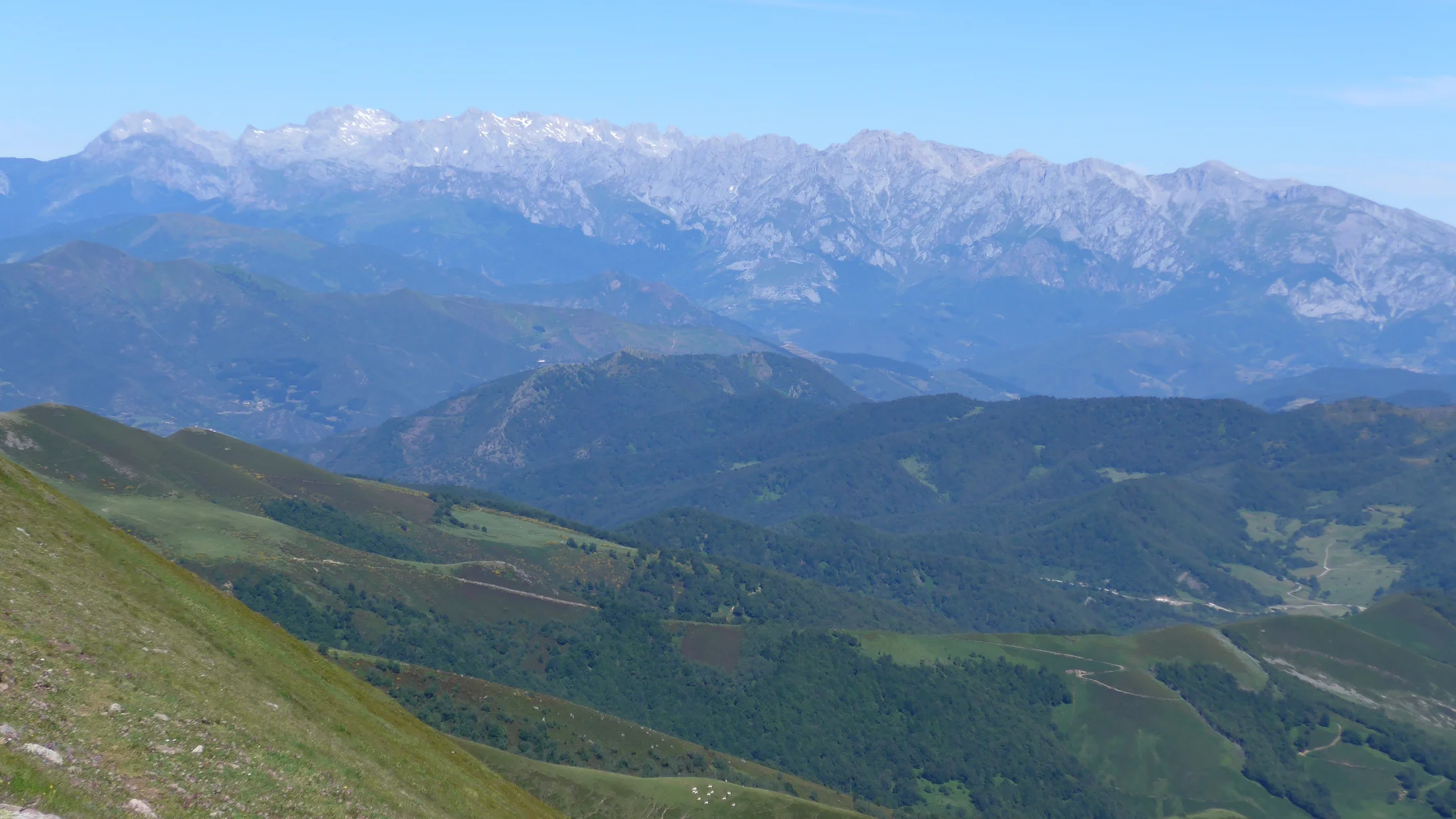
The Picos de Europa form a limestone massif shared between Asturias, Cantabria and León, with peaks that exceed 2,600 metres. The trail network allows routes from half a day to treks of several days, with mountain refuges managed by the Mountaineering Federation. Villages such as Sotres (1,050 m of altitude) and Bulnes (accessible by funicular from Poncebos) preserve traditional stone architecture.
Cattle and goat farming shape the landscape. In the high summer pastures, between May and October, the shepherds make cheeses such as Cabrales DOP in natural caves. The smell of fresh grass and the sound of cowbells accompany the routes. The rural houses here are usually old stone manor houses with a fireplace, ideal for groups or families.
For hikers, the Ruta del Cares (12 km, medium difficulty) is a must. Places are booked in high season. Viewpoints such as the Ordiales viewpoint offer panoramic views without any technical effort. In winter, the snow closes some access points, turning the park into a destination for snowshoeing and mountain skiing.
Pasiego Valleys: Unique Architecture and Sobaos
Rolling green meadows and two-storey stone cabins: that's what the Pasiego Valleys are like, located in Cantabria just 17 km from Santander. In those houses, the livestock occupied the ground floor and the family lived upstairs.
Many cabins have been restored as rural accommodation and keep their original aesthetic. Sleeping in one of them brings you closer to a landscape that changes colour in autumn, when the contrast of greens and ochres transforms everything.
The sobao pasiego is an artisan sponge cake with a Protected Geographical Indication that has been made here since the 19th century. Visits to sobao and quesada workshops include an explanation of how they are made and a small tasting, and are offered every day except Thursdays. For breakfast, the quesuco pasiego, a fresh uncured cheese, is accompanied by heath honey.
Hiking routes connect valleys through mountain passes with views of the Cantabrian Mountains. The GR-74 crosses the Hornijo and Alto Asón massifs, the Pasiego Valleys and the area around the Ebro Reservoir, although its safety is compromised by a lack of maintenance. The rural inns round off the day with menus of local products: cocido montañés and tudanca beef.
The Pasiego Valleys are 17 km from Santander and 7 km from Cabárceno Nature Park, and you can get there by car, bus or train. It's a comfortable getaway to go with the family and spend one or two days among meadows, cabins and workshops.
Inland Basque Coast: Villages with Caseríos
Basque caseríos are stone buildings with pitched roofs, and many now operate as rural accommodation with a character of their own. Some still keep up farming: apple orchards for cider, organic vegetable gardens and tastings for anyone staying or dropping by.
Lekeitio and Ondarroa are fishing ports next to green valleys. In Lekeitio you enter between San Nicolás island, on the left, and the Punta Amandarri breakwater, on the right, keeping close to the one on the right. At the Lekeitio fish market there is a fish sale daily, except on Sundays.
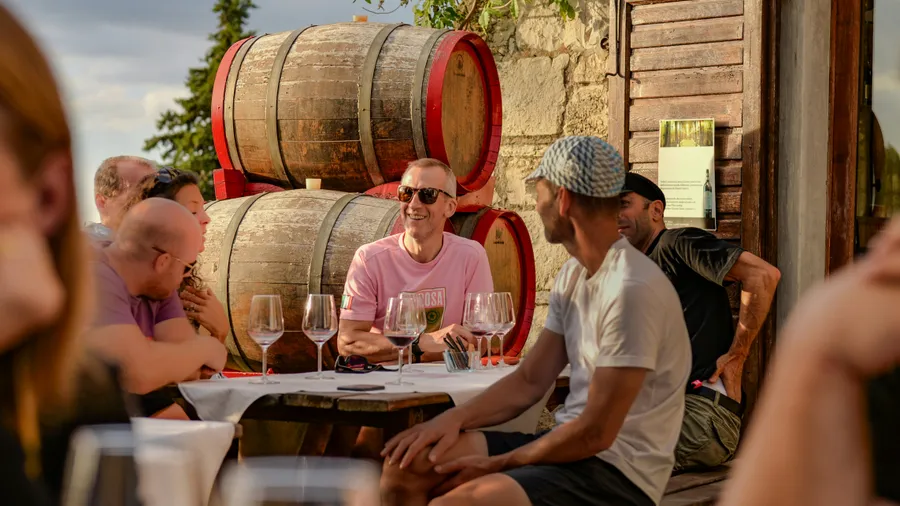
Txakolí is a slightly sparkling white wine with the Getariako Txakolina or Bizkaiko Txakolina DO, produced in hillside vineyards with views of the sea. The wineries organise tastings and visits where the manual harvest in October is explained.
The trails of the Zumaia Flysch run along cliffs with rock strata 60 million years old.
Traditional cider houses open in season (January-April) for the txotx: a ritual of drinking cider straight from the barrel while food is cooked on the grill. Book a table on those dates if you want to experience the full season.
Galicia: Pazos, Rías and Atlantic Forests
Ribeira Sacra: Vineyards
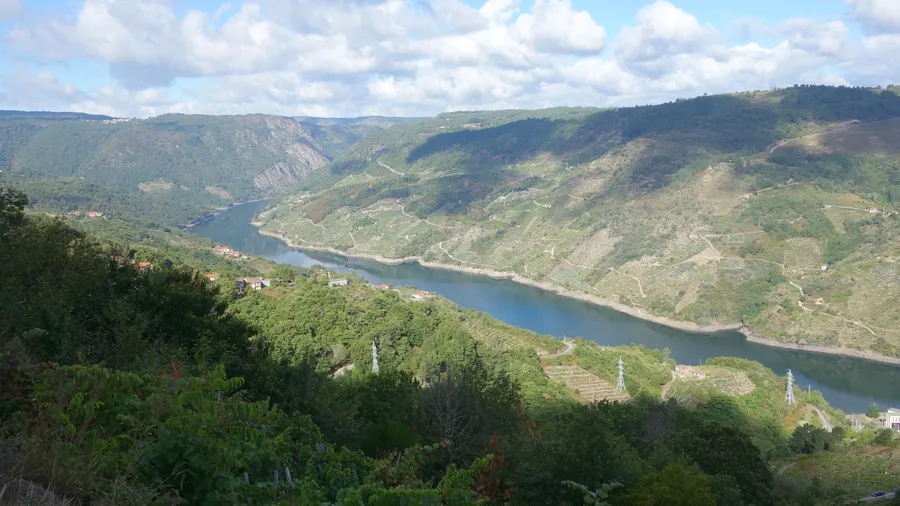
In Ribeira Sacra, in the south of Lugo and the north of Ourense, the vineyards grow on stone terraces held up by centuries-old walls. Ribeira Sacra stretches across the south of Lugo and the north of Ourense, and family wineries offer tastings at viewpoints over the river.
For sleeping, the Galician pazos work as upmarket rural accommodation: old stone manor houses with a heraldic coat of arms, and some include a private chapel and gardens with century-old camellias. The Pazo de Sistallo, in Cospeito (Terra Chá, Lugo), is Baroque in style and dates from the 18th century; it is privately owned and the interior cannot be visited.
The Camino Natural del Sil brings together monasteries such as San Vicente del Pino and San Estevo de Ribas de Sil, both converted into Paradores de Turismo. It is covered along routes: Route 1 goes from Parada do Sil to the Monasterio de Santa Cristina, and Route 2 from Alto de Couso to the Estación de San Estevo. Romanesque monasteries dot the territory and you reach them along signposted paths; the Romanesque church of Santo Estevo de Atán formed part of a monastery that no longer exists.
In autumn, the vineyard is tinged with ochres and reds. Ribeira Sacra was declared a Biosphere Reserve on 15 September 2021, including the Oribio and Caurel mountain ranges.
Costa da Morte: Cliffs and Lighthouses
The Costa da Morte runs from Cape Roncudo to Cape Finisterre, in the province of A Coruña, between granite cliffs and wild beaches. It is a coast of lighthouses and fishing villages, good for walking and for eating seafood.
The Touriñán lighthouse, with a focal height of 65 m and a support of 14 m, is the westernmost on the peninsula. The Fisterra one closes the Camino de los Faros, which is reached by pilgrims who extend the Camino de Santiago to the coast.
At the port, fish is sold daily, except Sundays, at the fish market. The gooseneck barnacle, gathered by hand from rocks battered by the waves, is the star product; local restaurants serve caldeirada and «pulpo á feira».
Hiking routes link deserted beaches with natural viewpoints. The Ruta dos Faros is 200 km long, divided into stages, and skirts the whole coast, from Malpica to Finisterre. In winter, Atlantic storms raise waves of more than 10 metres.
The forests of gum and Atlantic pines create contrasts of intense green. For sleeping, the rural houses are usually stone buildings with a hórreo, a few kilometres from the coast. Book in advance if you go in summer and choose your stage of the Ruta dos Faros according to how far you want to walk.
Fragas do Eume: Protected Atlantic Forest
The Fragas do Eume, in A Coruña, form one of the best-preserved Atlantic forests in Europe. The natural park protects 9,000 hectares of oak woodland, where ferns more than a metre tall grow.
The Monastery of Caaveiro, founded in the year 934, is reached by a signposted path. The routes let you spot Eurasian otters, roe deer and more than 100 species of birds. The Eume viewpoints offer panoramic views of the valley with no technical difficulty. In spring, the undergrowth blooms with yellow gorse.
Rural houses in Pontedeume and As Pontes de García Rodríguez serve as a base. Some include activities such as canoeing on the Eume reservoir or guided nature photography routes. Autumn dyes the forest in ochres and browns, ideal for walks without the heat.
Castilla y León: Dehesas, Sierras and Charming Villages
Sierra de Francia: Stone Villages and Sweet Chestnuts
La Alberca was the first Spanish village declared a historic-artistic site, in 1940.
The stone and adobe houses with wooden balconies form narrow, cobbled streets. The Batipuerto, a log that blocks the passage of free-roaming pigs, is a typical element of local architecture.
The sweet chestnut groves cover the slopes and produce chestnuts with the Sierra de Francia Guarantee Mark. The paths between sweet chestnuts give shade in summer and leave a carpet of leaves in autumn. In October, the traditional chestnut harvest is celebrated with fairs where chestnut cream, liqueur and cured meats are sold.
Book activities in Castilla y León
La Peña de Francia (1,723 m) has a sanctuary at the summit, known for its black Virgin, Nuestra Señora de la Peña de Francia. Road access may be closed in winter because of snow or strong winds for safety. There is a large influx of visitors in summer and especially on 8 September, the day of the patron saint.
The rural inns occupy old restored houses and keep granite fireplaces and sweet chestnut beams. On their menus you'll find hornazo, farinato and wines from the DO Sierra de Salamanca, a protected designation of origin entitled to the mention Vino de Calidad. The DO covers municipalities such as Miranda del Castañar, Mogarraz, Sequeros, Sotoserrano, San Martín del Castañar, Las Casas del Conde, Herguijuela de la Sierra, Garcibuey, Valero, Montemayor del Río and Cepeda, among others.
Spend at least two days: one on the villages and another on La Peña de Francia. Book accommodation in La Alberca or Mogarraz in advance if you go in October or on 8 September.
Jerte Valley: Cherry Blossom
Between the end of March and the beginning of April, two million cherry trees blossom at the same time in the Jerte Valley and the valley is dyed white. It's a rural getaway in Cáceres with a clear date on the calendar.
The Garganta de los Infiernos is a Nature Reserve and has pools for swimming in summer, at the end of hiking routes. In the Los Pilones spot, river erosion has carved giant potholes in the rock.
Park next to the N-110 roundabout: there is a charge from mid-March to the end of October and it is free the rest of the year. Parking is prohibited between the Jerte football pitch and the Valle del Jerte campsite.
In autumn the sweet chestnuts and oaks turn ochre and red. The Jerte cherry has a PDO and is sold fresh, preserved or as liqueur; in the local restaurants try the Extremaduran gazpacho, the migas with cherry and the cake.
Gredos: High Mountain and Glacial Lakes
Almanzor, at 2,592 m, is the highest summit of the Sistema Central and marks the roof of the Sierra de Gredos. The sierra acts as a natural barrier between the Duero and Tagus basins.
The Gredos glacial cirque holds the Laguna Grande, a route of medium-high difficulty. To sleep near the summits you have the Elola and Victory mountain refuges, with capacity for 16 people. In the high areas you will easily see Spanish ibex, the symbol of the sierra.
The pine forests of Hoyos del Espino and Navarredonda serve as a base for the routes. In winter, the La Covatilla ski resort, in the Sistema Central, and the snowshoe routes attract mountaineers. The gorges of Gredos —the Gredos gorge, the Pinar gorge, the Gargantón and the de las Pozas— flow into the Tormes river.
Arenas de San Pedro, in the south of the province of Ávila, is the capital of the Valle del Tiétar district and part of its municipal area belongs to the Sierra de Gredos Regional Park. Its highest point is La Mira peak, at 2343 m above sea level, and it celebrates its patron saint festivities on 8 September and 19 October. It is 81 km from the capital of the province of Ávila.
The villages in the area offer accommodation from simple inns to rural hotels. The gastronomy includes Ávila chuletón (avileña-negra ibérica beef with PGI), Barco beans (with PGI) and patatas revolconas. The wineries in the area make Méntrida and Cebreros wines, with vineyards on granite, siliceous and slate soils at different altitudes and whites from the albillo real grape variety.
Andalusia: From Sierra Nevada to Cabo de Gata
Alpujarras: White Villages and Berber Architecture
The Alpujarras occupy the southern slopes of the Sierra Nevada and the Lújar, La Contraviesa and Gádor mountain ranges. Its white villages are connected by mule tracks, and many preserve the Berber imprint in the whitewashed stone, the flat launa roofs and the cylindrical chimneys.
Pampaneira, Bubión and Capileira form an ensemble declared a Site of Cultural Interest. They are settlements of medieval origin with a Berber stamp from the Andalusian period, with steep narrow streets, tinaos and stepped cone-shaped chimneys. Around them, the terraces of traditional farming are still irrigated by Arab irrigation channels that yield vegetables, almond trees and sweet chestnuts.
Book activities in the Sierra Nevada
The local larder has two names of its own. Trevélez ham is cured at more than 1,200 m of altitude, has a PGI and is made in natural drying houses. The textile cooperatives keep alive the tradition of the jarapas, brightly coloured hand-woven wool rugs.
For walking, the routes run through ravines with water such as the Poqueira and link villages among sweet chestnut woods. From the Alpujarra you can also climb Mulhacén, the second highest peak in Spain after Teide, in the municipalities of Capileira, Güéjar Sierra and Trevélez.
The restored cortijos used as rural accommodation offer silence and views over the valleys. Spring brings the thaw and the fields of almond trees in blossom, so it is a good time to book in advance and plan the stages calmly.
Cazorla: Natural Park and Source of the Guadalquivir
In Jaén, the Sierras de Cazorla, Segura y Las Villas Natural Park is the largest protected area in Spain: 214,000 ha of gorges and waterfalls formed by the Guadalquivir and Segura rivers, which are born here.
The best-known route is the Cerrada de Elías, a narrow canyon with walkways over the Borosa river: 10 km there and back, moderate difficulty, well signposted and about 7 hours. It is currently temporarily closed due to damage to the walkways after the storms of January and February 2026, so confirm the reopening before you go.
The black pine forests, endemic to these mountain ranges, cover slopes up to 2,000 m, with red deer, wild boar, Spanish ibex and more than 140 species of birds. In autumn, the red deer rut can be heard in the valleys at dawn, a draw for nature photographers.
The mountain cortijos adapted as rural houses preserve stone water tanks and livestock pens. On the table there is segureño lamb, brown trout, gachas and game products, and the extra virgin olive oil of the Sierra de Cazorla has a PDO.
Arrive by car along the Tranco road A-319.
Cabo de Gata: Desert, Coves and Salt Flats
In Almería, the Cabo de Gata-Níjar Natural Park has the most arid landscape in Europe: volcanic rocks form cliffs that drop into the Mediterranean and create coves of fine sand and crystal-clear water.
Playa de los Genoveses is one of the icons of the Cabo de Gata-Níjar Natural Park. The cove retains a wild feel, with eroded walls of fossil dunes on both sides.
The Cabo de Gata salt flats have been worked since Phoenician times and are home to greater flamingos that feed on crustaceans. The Cabo de Gata Lighthouse marks the south-easternmost point and is built on the ruins of the Castle of San Francisco de Paula (1861); on clear days there are views of Africa.
San José, Las Negras and Agua Amarga retain their architecture of whitewashed houses and narrow streets. Agua Amarga stands on the shores of the Mediterranean, inside the natural park, near the tower and lighthouse of Mesa Roldán, Cala de Enmedio and Cala del Plomo.
The Almerian country estates converted into accommodation have patios with bougainvillea and sea views. The cuisine is based on fish from the market (gilt-head seabream, European seabass, red mullet) and garden produce.
The semi-arid climate gives 300 days of sunshine a year; in spring, the scarce rains bring the flowering of the indian-figs. To see caves and cliffs inaccessible by land, sign up for a kayak route along the coast. And if you're looking for a quiet beach, book your accommodation well in advance in summer.
Levante: Farmhouses, Rice Fields and Mountains
Els Ports: Stone Farmhouses and Artisan Cheese
Els Ports is a limestone massif in the interior of Castellón, shared with Tarragona and Teruel. Its stone villages and traditional farmhouses with livestock yards now operate as isolated rural accommodation.
Morella retains medieval walls and stone houses clustered on the hillside. In Ares del Maestre, the Templar castle stands on the "mola", with Arab walls and Iberian remains. The historic complex has been a Site of Cultural Interest since April 2012 and includes the old Lonja (Els Perxes), a civil Gothic building that houses the Town Hall, and the 13th-century prison, possibly linked to the Templars.
In the barranco dels Molins de Ares del Maestre, a group of five 17th-18th-century water mills is preserved. Tronchón cheese is made mainly with goat's milk, although there are also ewe's and mixed versions, and it is mentioned in El Quijote.
Hiking routes run through ravines with hazel and walnut trees, and the GR-7 crosses Els Ports from north to south, connecting farmhouses and hermitages. In winter the snow isolates some farmhouses, so it's worth finding out before heading up. Local restaurants serve shepherd's stew, roast rabbit and black truffle in season (December-March).
Sierra de Espadán: Cork Oaks and Moorish Villages
In the Sierra de Espadán, in Castellón, centuries-old cork oaks set the pace of the getaway. The villages of Moorish origin and the restored stone houses complete a rural plan for a weekend.
The cork oaks are stripped of their bark every 9 years, and that custom keeps a traditional cork industry alive. At weekends, local groups organise guided cork oak woodland interpretation routes to understand how the land is worked.
You can visit the Arab castle or Benialí Castle, declared a Site of Cultural Interest.
Autumn is the mushroom-picking season, especially saffron milkcaps in the pine woods. In the rural houses, old restored stone dwellings, features such as water cisterns and livestock pens are preserved.
Local gastronomy includes game (wild boar, rabbit) and artisan cured meats. Agricultural cooperatives produce extra virgin olive oil and almonds.
Aín is 35 km from Castellón, so the sierra is close by for a two-day getaway. Book the rural house in advance if you go in autumn, in the middle of mushroom season.
L'Albufera: Rice Fields and Sunsets
L'Albufera, 10 km from Valencia, is a coastal lagoon separated from the Mediterranean by the Dehesa del Saler. The rice fields surround the water, creating a landscape of green grids. Paella, a dish born in these lands, is cooked in restaurants over sweet orange wood. The rice with the Valencia Designation of Origin is grown using traditional techniques.
Trips in a traditional boat (albuferenc) show you the interior of the lagoon at sunset. The boatmen explain the history of eel and grey mullet fishing. El Racó de l'Olla, an interpretation centre, organises birdwatching routes: more than 300 species of birds migrate through L'Albufera.
Some function as charming rural accommodation. The gastronomy includes all i pebre (eel stew), esgarraet (pepper and cod) and fartons with horchata. The sunsets over the lagoon, with the rice fields in the foreground, are picture-postcard.
Rural getaways with Picuco
Explore rural tourism and nature all over Spain. See options →
Aragón: The Pyrenees, Deserts and Castles
Aragonese Pyrenees: Valleys and Stone Villages
The Aragonese Pyrenees bring together valleys with a character of their own, and the Benasque Valley is a valley of the Aragonese Pyrenees declared a Site of Cultural Interest. There stands Aneto, the highest peak in the Pyrenees and the second highest in the Iberian Peninsula, within the Posets-Maladeta Natural Park.
Benasque, Cerler and Anciles preserve stone villages with slate roofs. In the rural houses the bell-shaped chimneys and the converted stables still stand.
The Ordesa and Monte Perdido Valley is a World Heritage Site and has routes for all levels: from flat walks to technical ascents of Monte Perdido (3,355 m). The route to the Cola de Caballo starts from the Pradera de Ordesa car park, 8 km from Torla. In high season (summer, Easter, bank holiday weekends and some weekends in October) you must use the bus from the Torla Visitor Centre; in low season you can drive in. In autumn, the beech woods of Ordesa change colour and dye the valley in ochres and yellows.
The Tena Valley, in the Aragonese Pyrenees, has one of its villages in Formigal and others such as Sallent de Gállego. The ibones dot the high ground, such as Bachimaña, at 2,190 m of altitude, with a dam that turns it into the Bachimaña Bajo reservoir, and Respomuso. The bordas, stone buildings for livestock, some restored as accommodation, are part of the rural landscape of these valleys.
To eat, look for ternasco de Aragón (PGI lamb), chireta and Somontano wines. Allow several days if you want to combine Benasque, Ordesa and the Tena Valley, and book accommodation in advance in summer and on bank holiday weekends.
Monegros: Steppe Desert
Between Huesca and Zaragoza stretch the Monegros, a steppe landscape found nowhere else in Europe: rolling plains of clay soil beneath immense skies. The sparse vegetation (thyme, rosemary, white wormwood) withstands the extreme summer heat and the winter cold. The scattered villages preserve Mudejar churches and adobe architecture.
The Sariñena Lagoon is a protected wetland of 206 ha and 8 km of perimeter, with a depth of between 0.5 m and 2.35 m, located at 281 m of altitude between the Flumen and Alcanadre rivers. Its refuge covers 604 hectares and has been a Special Protection Area for Birds since 2001; it hosts an important population of Eurasian bitterns. Herons, ducks and greater flamingos pass through here on migration, and the birdwatching routes are done at dawn, when activity is greatest.
The masadas, isolated farmhouses in the middle of the desert, some adapted as rural accommodation, offer absolute silence. The skies, free of light pollution, allow astronomical observation with extreme clarity. In spring, the brief rains bring the flowering of corn poppies that dyes the landscape red for days.
Agricultural cooperatives produce Bajo Aragón olive oil, almonds and dryland cereals. In the local restaurants try the shepherd's migas, the longaniza de Graus and the Cariñena wines. Book accommodation in advance if you go in spring or during migration season, and get up early for the bird routes.
Matarraña: Medieval Villages and Olive Groves
The Matarraña region, in the north-east of Teruel, brings together medieval villages such as Valderrobres, Beceite and La Fresneda. The cobbled streets climb between stone houses with Gothic portals.
The centuries-old olive groves produce extra virgin olive oil with the Bajo Aragón PDO. The traditional mills open their doors to show the milling process. The almond trees in blossom (February) tint the landscape white and pink. The cooperatives sell local products: oil, honey, wine from the land of Bajo Aragón.
The stone farmhouses, some from the 17th century, operate as charming rural accommodation. The signposted trails run through ravines with Mediterranean vegetation. The cuisine includes cod a la llauna (baked), rabbit with snails and carquinyolis (almond biscuits).
Navarra and La Rioja: Forests, Vineyards and Castles
Irati Forest: Pyrenean Beech-Fir Forest
The Irati Forest, in the Navarrese Pyrenees, is the second most extensive beech-fir forest in Europe after the Black Forest.
The Irabia Reservoir, at the head of the Aezkoa valley, reflects the firs in calm water. The signposted routes let you walk without getting lost, and in autumn the beech forest becomes a palette of ochres, yellows and reds.
In winter, the routes with snowshoes open up the snowy forest. The interpretation centres organise guided wildlife routes: red deer, roe deer and white-backed woodpecker.
The local cuisine includes mushrooms in season (October-November), Roncal PDO cheese and river brown trout. The rural inns preserve wooden beams and stone fireplaces.
Book accommodation and guided routes in advance if you go in autumn or in the snow season.
La Rioja Alta: Vineyards and Century-Old Wineries
Its origin is linked to the railway and to the phylloxera crisis of the 19th century.
La Rioja Alta is the subzone of the Rioja DOCa where the century-old wineries are concentrated, with historic underground cellars where barrels of French and American oak rest. The hillside vineyards, with clay-limestone soil, produce structured wines: tempranillo is the main variety, accompanied by garnacha, graciano and mazuelo.
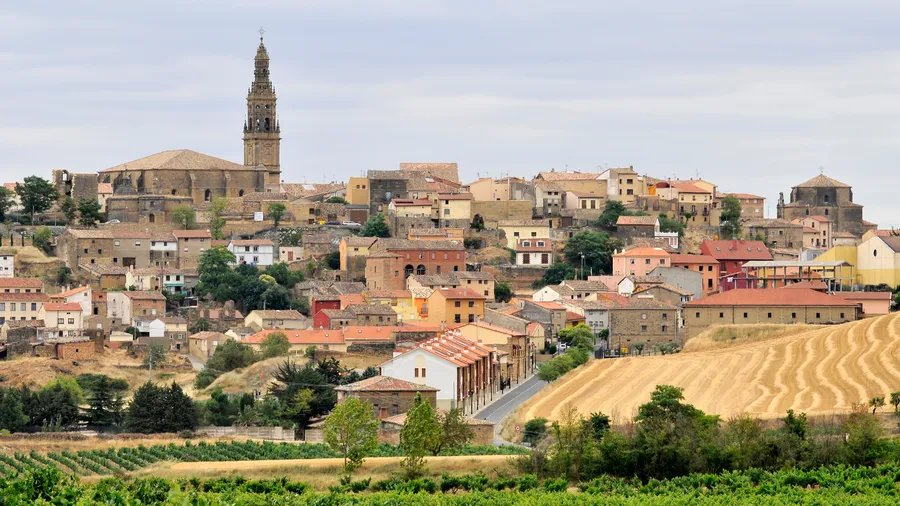
The villages preserve the traditional architecture of stone houses and cave-wineries dug into the hillside. Briones, on top of a hill 80 m high, has views of the Ebro and is part of the Association Los pueblos más bonitos de España.
To get around between wineries, the bicycle routes along paths between vineyards connect them. Sleep in rural houses in old restored dwellings that preserve features such as stone wine presses, and try the chuletillas al sarmiento, the patatas a la riojana and the pochas with common quail.
Bardenas Reales: A Film-Set Desert
In the south of Navarra, clay, gypsum and sandstone draw fairy chimneys and ravines: the Bardenas Reales are a semi-desert natural park declared a Biosphere Reserve.
The park is arranged from north to south in three areas: El Plano, the Bardena Blanca and the Bardena Negra. Its altitude ranges from 280 m to 659 m, and the sparse vegetation (shrubby russian thistle, white wormwood) withstands the aridity and gives refuge to birds of prey such as the golden eagle and the griffon vulture.
Only travel along the signposted routes: you may not leave with vehicles or on footpaths, nor climb the slopes or summits of the formations, in order to preserve the landscape.
Its rural houses serve as a base for exploring the park, and at the table you'll find vegetable menestra, lamb chilindrón and Navarra rosé.
Arrive via the regional road NA-134 or via the local road that leads to the Natural Park. Book your accommodation in the surrounding villages and set aside a full day to travel the tracks.
Catalonia: Farmhouses, Inland Costa Brava and the Pyrenees
La Garrotxa: Volcanoes and Beech Forests
Book activities in Costa Brava
La Garrotxa, in Girona, protects 40 volcanic cones and 20 lava flows in the Natural Park of the Volcanic Zone. El Croscat, a volcano with an open crater, shows its internal structure after the extraction of greda. La Fageda d'en Jordà, a beech forest on a lava flow, creates a unique horizontal forest, with trees growing on volcanic soil.
Santa Pau preserves a castle from the 13th-14th centuries, declared a Historic-Artistic Monument. The stone farmhouses, some from the 15th century, serve as charming rural accommodation. The volcanic kitchen gardens produce Santa Pau beans (PDO), potatoes and pumpkin.
Viewpoints such as the Mirador de Santa Margarida show the crater with a Romanesque chapel in the centre. The cuisine includes recuit (curd cheese) and fesols de Santa Pau (stewed beans). Artisan cheese dairies make tupí, a typical fermented cheese.
El Priorat: Vineyards on Slate
In El Priorat, the vines grow on black slate. That rock, the llicorella, stores heat during the day and releases it at night, and produces cult wines in Tarragona.
The region is explored among steep terraces of Garnacha and Cariñena, with vines that in some cases are more than 90 years old. The DOQ Priorat, the highest Spanish wine category, brings together wineries that blend tradition and modernity and has its headquarters in Torroja.
Gratallops, Torroja del Priorat and Poboleda are villages in the Priorat region, in Tarragona. In Escaladei, within the municipality of La Morera de Montsant, are the ruins of the Scala Dei Monastery, from the 12th century, the origin of the region's name and the first charterhouse on the Iberian Peninsula. You can see the baroque portal of the Mother of God, the church and a reconstructed cell with monastic furniture.
The scattered farmhouses, some converted into accommodation, offer silence and views of the hillside vineyards. The wineries organise vertical tastings, with several vintages of the same wine, and pairings with Siurana DOP oil, hazelnuts and goat's cheese. Local restaurants serve menus with game, snails and Priorat wines.
To get around between villages, the dirt tracks are travelled by bicycle among the vineyards. If you go in September, the manual harvest is celebrated with festivals where grapes are trodden in stone presses. Book the tastings and accommodation in advance: the wineries work with small groups.
Catalan Pyrenees: From the Vall de Boí to La Cerdanya
The Catalan Pyrenees bring together valleys with their own identity. The Vall de Boí, a World Heritage Site, contains 9 Romanesque churches from the 12th century with mural paintings (the originals in the MNAC in Barcelona). The villages (Taüll, Erill la Vall, Boí) retain stone and slate architecture.
La Cerdanya, a wide, sunny valley, has a continental climate with more than 300 days of sunshine. The villages (Puigcerdà, Llívia, Bellver de Cerdanya) preserve stone houses with wooden balconies. The green meadows contrast with snow-capped peaks in winter. The centuries-old farmhouses, some with a private chapel, operate as upmarket accommodation.
The Parc Nacional d'Aigüestortes i Estany de Sant Maurici protects glacial lakes (up to 80) and high-mountain cirques. The ibones reflect peaks of more than 3,000 m. The cuisine includes trinxat (cabbage and potato), xai (lamb) and coca de recapte. Artisan cheese dairies make formatge de tupí and mató.
Islands: Mallorca, Tenerife and Island Getaways
Mallorca Inland: Fincas and Serra de Tramuntana
The Serra de Tramuntana runs along the north-west of Mallorca with peaks that rise above 1,400 m. It is a World Heritage Site and shapes the landscape of the whole region. On its slopes, stone villages such as Valldemossa, Deià and Sóller cluster among centuries-old olive trees.
The historic fincas, former manor estates, now operate as upmarket agrotourism accommodation. Many produce extra virgin olive oil from thousand-year-old olive trees, wines with the Binissalem-Mallorca DO and sobrasada with PGI. The traditional oil mills open for visits and show their stone mills, and the organic market gardens supply restaurants with seasonal vegetables.
For walking, the Ruta de Pedra en Sec (GR-221) covers 150 km of the Tramuntana and links villages along traditional paths. The dry-stone sections, built without mortar, show a centuries-old construction technique.
The Mirador de ses Barques offers views of the Mediterranean among pines and holm oaks; on clear days you can see the outline of the Cap de Formentor peninsula. You reach it by a short flight of steps up to the platform. Parking is limited, with only a few spaces beside the road, and there are public bus stops nearby, on the line between Sóller and Fornalutx, with infrequent frequencies.
The terrain at the viewpoint is steep and the stepped access is not suitable for wheelchairs or pushchairs. Spring and autumn are the best seasons for pleasant temperatures and fewer crowds; in winter it can be windy, with a lower perceived temperature.
At the table, try the frit mallorquí, the tumbet and the artisan ensaimada.
Rural Tenerife: From Anaga to Teno
In Anaga, in the north-east of Tenerife, giant ferns grow among the sea of clouds.
The villages of Anaga such as Taganana and Chamorga preserve traditional architecture, with stone houses and tiled roofs. To the north-west, the Teno Rural Park is a massif of deep ravines and vertical cliffs. Masca serves as a starting point for canyon routes that descend to the sea.
The rural houses in these villages offer silence and views over valleys. On the slopes, terraced vineyards produce wines with the Tacoronte-Acentejo and Valle de la Orotava DO, with varieties such as listán negro and negramoll. Family wineries make them on volcanic soils.
To eat, papas arrugadas with mojo, gofio escaldado and fish from the market. Book accommodation in the villages in advance and devote a day to each park: Anaga and Teno are at opposite ends of the island.
Menorca: Camí de Cavalls and Hidden Coves
Menorca is a Biosphere Reserve and preserves a rural landscape without large tourist developments. The Camí de Cavalls goes all the way around the island along an old coastal watch path: 185 km divided into 20 stages that link secluded coves with traditional villages.
The route is signposted with square posts every 50-100 metres and with information panels at the start of each stage. In total it accumulates an elevation gain of 4000 m and reaches a maximum altitude of 125 m. Bear in mind that you have to cross more than 100 gates because of the livestock farming in the area.
The northern sections cross cliffs and the southern ones skirt white-sand beaches. The coves in the south, such as Turqueta and Macarella, are picture-postcard, but they attract the most visitors.
The inland villages (Es Mercadal, Ferreries, Alaior) keep whitewashed houses with green shutters. Some traditional estates, some of them from the 18th century, operate as farm stays.
The food includes common spiny lobster stew, cheese with sobrasada and Mahón gin. The artisan Mahón-Menorca cheeses with PDO are made with Minorcan cow's milk.
To plan, choose the stages according to your time and book accommodation in the inland villages if you are looking for peace and quiet. In summer, get up early at the southern coves to avoid the crowds.
Extremadura: Dehesas, Reservoirs and Villages with History
Las Hurdes: Untamed Landscape
Las Hurdes is slate and mountain north of Cáceres, with the Hurdano river and its tributaries opening up narrow valleys. Pinofranqueado, Caminomorisco and Casares de las Hurdes cluster in those valleys, among slate houses with tiled roofs that preserve the traditional architecture of the region.
Water sets the pace of the visit. El Chorro de la Meancera falls about a hundred metres, and El Chorrituelo drops about 50 metres and leaves a pool at its feet where you can bathe in summer. The short route to El Chorrituelo starts from the main square of Ovejuela, where there is an information panel: 3.5 km there and back, about 1 hour at a normal pace, running alongside the river and crossed several times by bridges.
The signposted routes go through oak and sweet chestnut woods. Another highlight is the Meandro del Melero, a horseshoe bend of the Alagón river that you can see from the Mirador de la Antigua viewpoint. You get there along a forest track from Riomalo de Abajo and there is parking next to the steps that go down to the viewpoint. The route adds up to just over 7 km there and back, of low difficulty, with a paved section and a descent to the riverbank.
For sleeping, the rural houses are old restored stone dwellings that keep their yards and chimneys. On the table there is roast kid, stews and chestnut honey, and the cooperatives sell olive oil, chestnuts and cured meats. The inhabitants keep traditions such as the ritual of Los Negritos at Christmas.
Book activities in Extremadura
Inland Extremadura: Between Dehesas and Reservoirs
The Extremadura dehesa is a landscape of scattered holm oaks over pasture, and that is where the Iberian acorn-fed pork with the Dehesa de Extremadura PDO comes from. That designation certifies exclusively products from 100% Iberian pigs.
On the label, the black seal identifies 100% Iberian acorn-fed products, raised free-range and fed exclusively on acorns during the montanera. The green seal marks Iberian free-range fed products, fed with feed and natural resources from the dehesa. Several livestock estates open for visits to show how Iberian pigs are managed free-range.
Jerez de los Caballeros and Fregenal de la Sierra preserve castles and arcaded squares. In Fregenal de la Sierra, the church of San Bartolomé stands out, in the early Gothic style and remodelled in the Baroque, along with the arcaded square of the town hall. There you eat roast lamb and drink Pitarra wine.
Water also shapes the region: the Gabriel y Galán Reservoir allows water activities in summer and birdwatching. Alqueva, the largest reservoir in Western Europe, is on the Guadiana River, in the Alentejo (Portugal), near the border with Spain. The birdwatching routes let you see common cranes in winter and black storks in summer.
The rural houses and cortijos keep stone architecture with interior courtyards, and the Ribera del Guadiana wineries make wines with native varieties.
On the table there is room for Extremadura migas, Torta del Casar PDO and Iberian acorn-fed ham. The villages hold fairs where livestock is auctioned and local products are tasted.
To plan, book accommodation in cortijos and rural houses in advance on long weekends and in summer, and ask at the estates about guided visits. Watching common cranes calls for winter; watching black storks, summer.
Practical Tips for your Rural Getaway
When to Book
On the December, Easter and October long weekends, occupancy in established areas exceeds 90%. If you are going on those dates, book accommodation 2-3 months in advance.
The weekends of May and October concentrate demand in mountain areas. Low season (January-February and November) has reduced prices and empty accommodation, although some destinations close establishments out of season.
Before finalising the plan, check the activity schedules. Guided nature routes are cancelled in bad weather and wineries usually close in August for holidays.
Spring brings blossoms, such as the cherry trees of the Jerte and the almond trees of the Alpujarras, and autumn brings colours, such as the beech woods of Ordesa and the vineyards of Rioja. In winter there is snow in the mountains but passes are closed; in summer all routes are open, with heat in the south.
Book activities in the Alpujarras
What to Bring
On a rural getaway, your footwear decides the morning: boots with ankle support for the mountains and trekking shoes for flat routes. The rest of the backpack changes depending on the terrain and the season.
In high mountains, take warm clothing even in summer: temperatures drop 6°C for every 1,000 m of altitude. If you go to the north (Cantabria, Asturias, Galicia), a waterproof layer is essential, because there it rains more than 150 days a year.
To set off at dawn or return at dusk, a head torch solves the stretch for you. Trekking poles help on descents and protect your knees, and binoculars improve wildlife watching: birds, red deer, goats.
In summer, a water bottle of at least 1 litre is essential. The basic first-aid kit comes down to plasters, anti-inflammatory cream and sun cream. A camera with a versatile lens is useful for landscapes and details.
Before you set off, download GPS tracks and offline maps (Maps.me, Wikiloc): they work without coverage.
How to Get Around
Your own car gives you total flexibility on rural routes. On mountain roads, allow generous times: tight bends make every stretch take longer than the map suggests.
Fuel is scarce in isolated areas, so fill up before you enter them. Bear in mind too that mountain passes can close because of snow between November and May depending on altitude.
Public transport reaches the main district towns, but not the small villages. The train reaches tourist towns such as Canfranc and Ronda, though not the isolated valleys. In high season, some tourist routes run coaches from the cities.
If you travel without a car, car-sharing apps such as BlaBlaCar connect travellers on popular routes. Rural taxis exist in organised districts, but they require booking in advance by phone.
Plan the trip with room to spare: check the state of the passes before you set off and confirm transport in high season.
Accommodation: Types and Features
In a country house you can have the whole house for your group or share it with other guests and with the owners. That first decision shapes the rest of the getaway: it changes the price, the privacy and the type of trip.
Houses rented as a whole have an equipped kitchen, a living room with a fireplace and multiple bedrooms. They are the usual option for families and groups who want to organise themselves at their own pace. Those rented by the room include breakfast, a family atmosphere and local information, and they suit you if you're travelling as a couple or with fewer people.
Rural hotels are establishments with more than 6 rooms and hospitality services. Some occupy restored historic buildings, such as pazos, masías or casonas, which keep original features. They offer a restaurant, spa and organised activities, and prices range from 80-200€ per night depending on the category.
If you're looking for nature and a tight budget, rural campsites let you camp in natural surroundings with basic services such as toilets, showers and electricity; some have bungalows or wooden cabins. For high mountain there are the refuges: basic accommodation with shared bunk beds and no hot water. They work by prior booking and are run by mountaineering federations, so it's worth calling before you set off.
Choose the type of accommodation according to who is travelling and how much time you're going to spend inside. In high season, book weeks in advance, especially if you want a whole house or a refuge.
Sustainability: Responsible Tourism
Rural tourism has an impact on small communities: respect for neighbours and customs is essential. Avoid noise during rest hours. Ask before photographing people or private property. Shop in local businesses instead of supermarkets in the city. Small shops keep life in villages with an ageing population.
The waste generated is managed with difficulty in villages without services. Take a bag for your rubbish and put it in the bins. Leave no trace on hiking routes: pick up wrappers, cigarette ends, organic waste. Fire is prohibited in protected natural areas except in designated areas.
Water is a scarce resource in mountain and dryland areas. Use it in moderation when showering and washing. Respect signage in protected areas: restricted-access areas protect sensitive wildlife (nesting birds of prey, rearing of ungulates). Waymarked paths prevent erosion: don't take shortcuts across slopes.
Conclusion
Rural Spain brings together 20 very different destinations, from Picos de Europa to Tenerife, among mountain ranges, coasts, deserts and Atlantic forests. Each one calls for a particular season and a particular type of trip.
If you're looking for demanding hiking, Picos de Europa and Gredos have routes lasting several days. For charming villages and good food, the Sierra de Francia and the Matarraña combine heritage and local produce. On the coast, Cabo de Gata and Costa da Morte keep their beaches secluded.
The green north (Cantabria, Asturias, Galicia) works well in summer, when the rest of Spain suffers extreme heat. The inland mountain ranges (Gredos, Cazorla) shine in spring and autumn, with mild temperatures. The south (Alpujarras, Cabo de Gata) allows winter getaways in the sun.
Today's rural accommodation combines authentic character with comfort: Galician pazos, Andalusian cortijos, Catalan masías and Basque farmhouses. Book in advance to secure availability on key dates.
Rural tourism benefits local communities through purchases in small shops, consumption of local produce and hiring local guides. Respecting the environment ensures that these landscapes are preserved.
Book activities in Picos de Europa
Explore all rural getaways in Spain with Picuco.