Why Asturias Is Built for Active Days Outdoors
The landscape that makes it possible
Active tourism Asturias thrives because sea, mountains, and rivers sit shoulder to shoulder. You can wake to limestone walls in the Picos de Europa and end the day with salt on your skin from the Cantabrian Sea. One breath later, the scent of wet fern and chestnut rolls up from the valley after rain.
Asturias squeezes big geography into a small space: rugged massifs rise to 2,650 m at Torre Cerredo, surf breaks form on sandy and rocky bottoms, and rivers like the Sella and Deva drop fast from karst springs. AEMET reports an Atlantic climate with frequent fronts and orographic rain, so conditions shift by valley and season; annual rainfall often tops 1,000 mm inland. That mix means hiking in Asturias stays green year-round while surfing Asturias often peaks in autumn and winter swells.
You will find short family trails near the coast and committing ridge traverses, mellow estuary paddles and spring snowmelt rapids, and cliff routes for coasteering when the sea allows. Think of this article as a tool to pick the right window for your plan. The breeze on a mirador, the cool rock under your palm, and the distant crash of a breaker will help you judge the moment to go.
We focus on what’s practical: where to go, how hard it is, when conditions cooperate, and how to join certified local operators. Use the quick-reference sheets to compare prices and seasons, and use the map advice to mark trailheads, parking, and meeting points. You’ll move at your own pace and with respect for the people who keep these paths open.
How we chose the activities
We selected activities that balance excitement with safety and access. Cool spray on your face after a jump is worth it only if the landing is checked.
Our criteria were:
- Safety and certifications: guides with rescue training, helmets and harnesses tested to EN standards, and clear briefings.
- Accessibility: reasonable approaches, public transport options, and routes for multiple levels.
- Seasonality and reliability: best months for water levels, swell, or stable weather.
- Operator experience: established local teams with small group ratios and solid reviews.
- Environmental impact: low-footprint routes, leave-no-trace practices, and respect for closures.
Prioritize based on your goals: if you’re building confidence, choose beginner-friendly, short-duration activities with easy exit points; if you’re chasing challenge, aim for longer lines with sustained effort and mandatory skills. Glancing at the sea state or river gauge should guide your final call.
Picuco te puede ayudar
Does something here catch your eye?
Tell us.
Write to us on WhatsApp or email: we answer questions, find the best options and help you sort out the booking.
Six Unmissable Active Experiences Across Coast and Mountains
1.Hiking the Picos and coastal cliffs
Start with giants: the Cares Gorge from Poncebos to Caín (about 24 km round-trip, 6–8 hours) hangs above a turquoise river cut through limestone. Your boots dust white as goat bells echo across the walls.
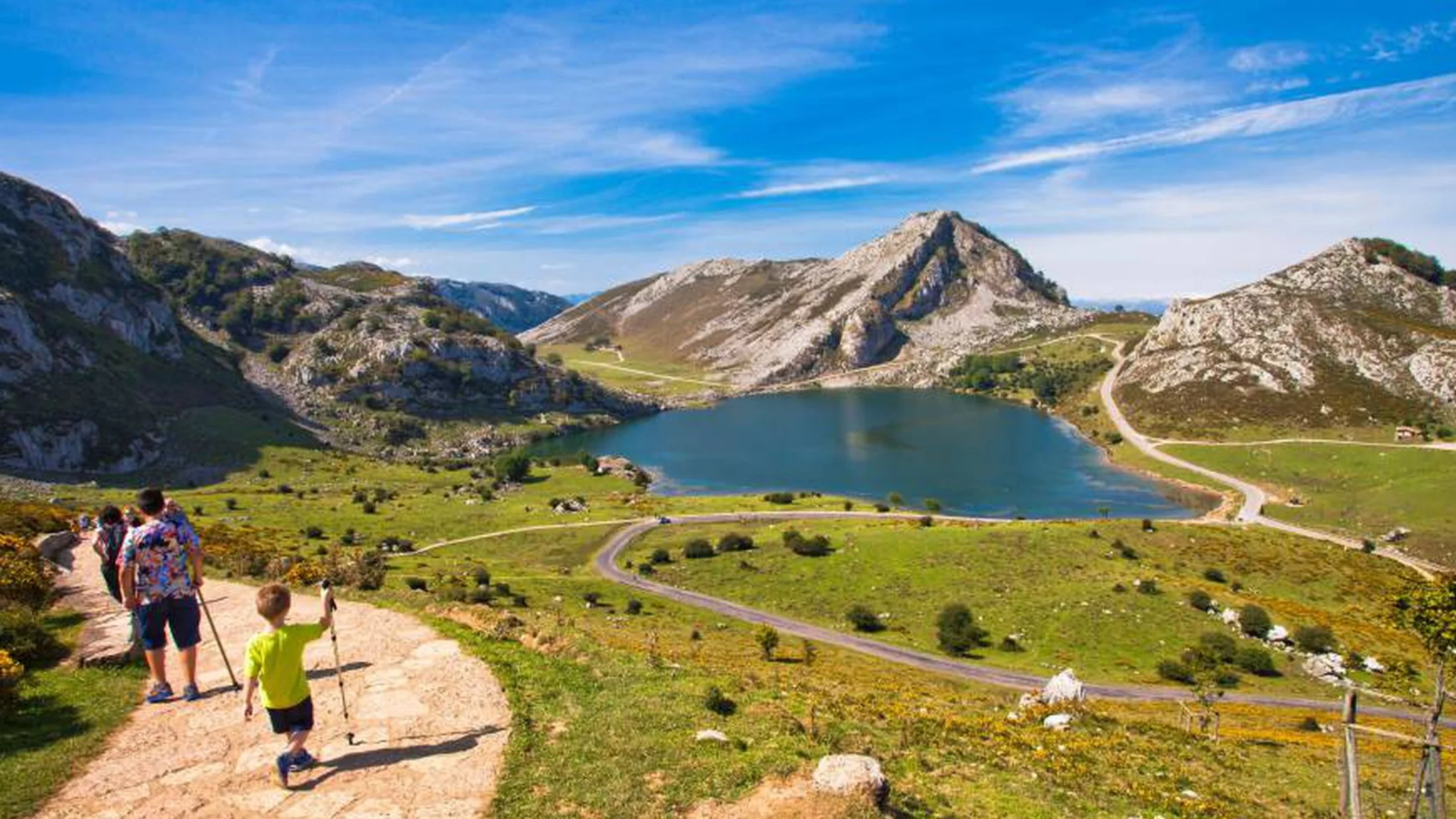
This classic needs sure footing but no technical gear; summer heat and crowds demand early starts, and parking fills fast at Poncebos. Nearby, the Lakes of Covadonga trails weave around Enol and Ercina with 1–3 hour loops, and access often uses shuttle buses on peak days to limit traffic. On the coast, the northern trail network offers clifftop walking from Llanes to Ribadesella, where blowholes (bufones) surge in winter storms.
For hiking in Asturias, bring layered clothing, waterproofs, and grippy shoes; pack 1–2 L of water and snacks, and check park advisories. Families can pick shorter segments of the Cares or lake circuits, while experienced hikers add summits like Peña Santa’s approaches. Local mountain leaders run small-group days; confirm ratios (1
2.Surf on Rodiles and Salinas
Asturias funnels Atlantic energy into consistent beach and reef setups. The taste of salt and a damp neoprene collar signals a good session.
Rodiles, near the Villaviciosa estuary, offers powerful lefts when sandbanks align; it suits intermediate to advanced surfers on bigger days but has inside peaks for learners in summer. Salinas, west of Avilés, spreads multiple peaks across a long beach and hosts festivals, making it a safe bet for varied levels. Spring and autumn bring regular swells and lighter crowds; winter powers up with thicker rubber (4/3–5/4 mm with boots/gloves), while summer is friendlier for lessons.
For surfing Asturias, respect lineup etiquette: priority to the surfer closest to the peak, avoid dropping in, and paddle wide. Schools operate at both beaches, offering classes, rentals, and soft-tops; verify ISA-certified instructors and rescue cover. Watch tides and rips—Rodiles currents near the estuary can run strong on outgoing tides. Check local surf reports the night before and carry warm layers for post-session winds.
3.River descents and paddle: from calm meanders to fun rapids
Asturian rivers carve playful lines from karst to coast. Cool spray freckles your forearms as the bow lifts over a small wave train.
The Sella is the classic river descents Asturias option, famous for the annual International Descent each August; outside race day, you can paddle mellow stretches from Arriondas to Ribadesella in 2–4 hours, choosing exit points by distance. For whitewater, early spring snowmelt or rainy spells raise levels on sections of the Deva-Cares and upper Nalón, where qualified guides lead rafting or inflatable kayak (“duckie”) runs at grades II–III (easy-moderate).
Operators supply PFDs (buoyancy aids), helmets, and wetsuits; bring quick-dry layers and closed shoes. Confirm minimum ages, flow thresholds for cancellation, and shuttle logistics. Late spring to early autumn offers the most reliable recreational flows on the Sella; technical whitewater depends on rainfall. If you’re new, pick shorter sections and practice eddy turns; intermediate paddlers can seek livelier rapids under guide supervision. Always heed dam-release schedules and local notices.
4.Canyoning in shaded gorges
Canyoning means descending a watercourse using jumps, slides, and rope techniques like abseiling. The moss smells earthy where water beads on polished limestone.
In Asturias, barrancos range from family-friendly, summer-warm pools to committing, roped descents with cold flows. You’ll find short half-day options near the foothills of the Picos and more vertical lines inland, with 2–5 hour durations. Typical obstacles include 3–8 m jumps (always optional), natural slides, and rappels up to 20–30 m. Wetsuits (5 mm), helmets, harnesses with double lanyards, and canyon-specific shoes are standard; guides carry ropes and rescue kits.
For canyoning Asturias, choose operators who brief every obstacle, set backup anchors, and adapt to water levels. Ideal season runs late spring to early autumn; heavy rain can spike flows quickly, so trips pivot or cancel for safety. Minimum fitness includes confident swimming and steady footing on slick rock. Families should pick dry or low-flow slots, and advanced groups can target longer multi-pitch descents under certified leadership.
5.Coasteering along wave-carved cliffs
Coasteering links scrambling, swimming, and cliff jumps along the intertidal zone. The sea’s breath hisses in blowholes before a set thumps the ledge.
On the Costa Verde, limestone and sandstone cliffs around Llanes and Ribadesella shape ledges, channels, and pools perfect for guided routes. A short walk meets a traverse in a buoyant wetsuit, low-tide swims across coves, and optional jumps (often 2–6 m) vetted by the guide. Timing is everything: moderate swell, slack tides, and good visibility create the safest windows.
Coasteering Asturias operators supply helmets, buoyancy aids, and thick neoprene; you bring trainers with grip and a swimsuit. Ask about sea-state limits (significant wave height, period), group size (small is better), and exit points. Summer mornings can be calmest; spring and autumn work when forecasts cooperate. Respect fishing spots and nesting birds, keep voices low near villages, and leave the shore as you found it—locals share these cliffs with care.
6.Via ferrata and climbing from sea to summits
Steel-cabled via ferratas let beginners sample exposure, while classic limestone offers superb trad and sport lines. Your fingertips find tiny edges that warm under sun.
Coastal crags give short, scenic pitches with sea views, while mountain sectors near Picos de Europa host longer multi-pitch routes. Recently installed via ferratas in Asturias feature graded itineraries suitable for novices through seasoned scramblers, typically 1.5–3 hours on-route plus approach. Standard kits include helmet, harness, and a certified via ferrata lanyard with energy absorber; clip both carabiners to the cable and move one at a time.
Good practice: check rock dryness, avoid storms, and keep a helmet on at the base. Mixed days work well—morning ferrata, afternoon swim, or a short climb combined with a canyon the next day. Book with local instructors for belay refreshers or introductory days and confirm weather back-up plans. If you borrow gear, verify inspection logs and retire anything with visible wear.
Quick-reference Sheets for Each Activity
Hiking: quick facts you can act on
Wind is cooler at 1,000 m, so pack a light layer even in July.
- Location areas:
- Picos de Europa (Cares Gorge, Lakes of Covadonga loops)
- Coastal paths between Llanes and Ribadesella
- Cost:
- Free if self-guided; parking 2–10 € in some lots
- Guided day: 30–60 € p.p.; confirm on operator site or consult Picuco
- Best months:
- April–June and September–October for stable temps
- July–August for long days but more crowds; winter for lowland coast
- Ideal for:
- Beginners to fit hikers; choose routes by distance and elevation
- What to do:
- Start early, carry map/GPS, 1–2 L water, snacks
- Check shuttle access to Covadonga Lakes on peak days
- Keep 2–3 points of contact on narrow ledges, especially on coastal cliffs
For hiking in Asturias, always respect closures and livestock gates left as found.
Surf: quick facts for beach days
Neoprene rinsed in fresh water lasts longer and smells less of kelp.
- Recommended beaches:
- Rodiles (Villaviciosa), Salinas (Castrillón), San Antolín (Llanes)
- Cost:
- Group lesson: 30–45 € for 1.5–2 hours
- Board + wetsuit rental: 20–35 € per half day; confirm locally or via Picuco
- Season:
- Autumn–winter for stronger swells (intermediate/advanced)
- Spring for variety; summer best for learners and smaller waves
- Ideal for:
- All levels with a lesson; intermediates choose shoulder seasons
- What you’ll do:
- Warm-up on sand, pop-up drills, lineup brief on rip currents
- 60–90 minutes in water with feedback, exit before fatigue
- Respect priority rules and flagged areas
River descents: quick facts for paddlers
River stones feel cool and slick, so step mindfully at put-ins.
- Recommended sections:
- Sella: Arriondas to Ribadesella (choose 7–15 km variants)
- Deva-Cares: guided whitewater sections at grades II–III
- Cost:
- Recreational Sella descent: 20–35 € p.p. with gear + shuttle
- Rafting/kayak whitewater: 40–65 € p.p.; confirm availability with flow
- Best time:
- Late spring to early autumn for Sella leisure runs
- Rainy periods/spring melt for whitewater; check river gauges
- Ideal for:
- Families and beginners (calm sections); intermediates for grade II–III
- Typical day:
- Safety talk, kit-up (PFD, helmet, wetsuit), shuttle to put-in
- 2–4 hours paddling with optional stops
- Return shuttle and hot shower at base if available
Mention “descenso de ríos Asturias” when asking locals; they’ll point you to classic stretches.
Canyoning: quick facts to choose the right gorge
Cold water wakes the senses, so tight wrist seals help keep warmth in.
- Location areas:
- Foothills near Picos de Europa and central-eastern valleys
- Duration and cost:
- Half-day 2–3.5 hours: 45–65 € p.p. with guide and gear
- Full-day advanced: 70–100 € p.p.; confirm details ahead
- Best season:
- Late spring to early autumn; avoid post-storm spikes
- Ideal for:
- Confident swimmers; families on low-flow routes; fit adventurers for longer lines
- What you’ll do:
- Walk-in, safety checks, progressive obstacles
- Optional jumps (always inspected), slides, and 10–30 m abseils
- Exit on foot, debrief, and gear rinse
For canyoning Asturias, ask about water temperature, jump policies, and backup exits.
Coasteering: quick facts to time the tide
The sea tastes metallic on windy days; tuck your chin to breathe clean air.
- Coastal zones:
- Llanes and Ribadesella sectors with accessible exits
- Cost:
- 45–65 € p.p. including wetsuit, helmet, buoyancy aid
- Conditions:
- Best at mid-to-low tide, moderate swell, and good visibility
- Ideal for:
- Strong swimmers comfortable in open water; beginners with close supervision
- What you’ll do:
- Shore approach, gear check, traverse ledges, swim coves
- Optional 2–6 m jumps, cave peeks if safe, and timed exits
- Post-session warm-up and debrief on local hazards
Coasteering Asturias operators should brief wave period and “set” timing—ask them to teach you to read it.
Via ferrata and climbing: quick facts for vertical days
Warm limestone grips better after the morning shade lifts.
- Sectors:
- Mountain ferratas near Picos; coastal crags with short approaches
- Cost:
- Guided ferrata: 45–70 € p.p.; intro climbing day: 55–90 € p.p.
- Season:
- Spring and autumn ideal; summer mornings; avoid storm days
- Ideal for:
- Newcomers to exposure; climbers seeking coaching or scenic multi-activity
- What you’ll do:
- Gear fit (helmet, harness, lanyard), movement practice
- 1.5–3 hours on-route with rests and viewpoint stops
- Option to combine with a hike or swim nearby
Bring finger tape and a thin wind layer; coastal breezes can chill belays even in summer.
Map of Locations and Access
Start by pinning reliable meeting points and trailheads so your day flows. The crunch of gravel under tires at the right parking spot sets a calm tone before you shoulder a pack.
Create a custom map in Google My Maps and add separate layers by activity: hiking, surf, rivers, vertical routes. For each point, include a short note with seasonality and contact details for operators or Picuco listing IDs. Prioritize these practical anchors:
- Trailheads and parking:
- Poncebos for the Cares (
43.30°N, -4.82°W) - Covadonga Lakes access lots (check shuttle days and closures)
- Llanes coastal path starts (e.g., near
43.42°N, -4.75°W)
- Poncebos for the Cares (
- Surf meeting points:
- Rodiles car park (
43.53°N, -5.39°W) - Salinas middle peaks access (
43.58°N, -5.97°W)
- Rodiles car park (
- River bases and put-ins:
- Arriondas for Sella descents (
43.39°N, -5.19°W) - Deva-Cares meeting spots near Panes (
43.34°N, -4.59°W)
- Arriondas for Sella descents (
- Access roads and public transport:
- Main coastal road
N-634and motorwayA-8 - Picos access via
AS-114andAS-262 - FEVE narrow-gauge rail stops near coastal towns; ALSA buses to Arriondas and Cangas de Onís
Add practical layers: difficulty grades, time-on-task, and emergency info (hospital in Arriondas for river corridor, local rescue numbers). Embed icons for seasonal constraints: Covadonga’s shuttle-only days, coastal path closures in heavy swell, and river level thresholds after storms. When you embed the map on a trip plan, include links to AEMET regional forecasts and the Picos de Europa National Park notices so you can pivot if wind, rain, or snow blocks your first option. Respect signed restrictions for nesting seabirds and grazing land—detours protect both wildlife and livelihoods.
- Main coastal road
How to Choose the Right Activity, Level, and Local Operator
Match your fitness and skills to the day’s demands before you book. The soft burn in your calves on a test hill is a better gauge than optimism over coffee.
Start with honest inputs:
- Cardio and stamina: Can you walk 4–6 hours with 600 m ascent, or do you prefer 2–3 flat hours?
- Water confidence: Comfortable swimming 50 m in a wetsuit and handling chop?
- Head for heights: Exposure okay with a cable, or do you tense up on ladders?
Translate that into activity choices: - First-timers or families: coastal hikes, Sella recreational paddle, entry-level coasteering on calm days, beginner ferratas.
- Intermediate: Cares out-and-back, shoulder-season surf at Salinas, grade II–III rafting, mid-length canyons with short rappels.
- Experienced: Long ridge hikes, winter surf at Rodiles, advanced canyons, multi-pitch climbing with a guide.
Evaluating operators is straightforward when you know what to ask: - Insurance and permits: liability cover, accident insurance, and access permissions.
- Qualifications: UIAGM/AEGM mountain leaders, canyon and rope-rescue certifications, ISA surf coaches, river rescue credentials.
- Ratios and communication: small groups (often 1–1), briefings in your language, clear cancellation and weather policies.
- Equipment: CE/EN-certified PPE, recent inspection logs, sized suits/helmets, rescue kit on every trip.
- Reviews and transparency: current feedback, realistic itineraries, and posted minimum ages/requirements.
Value isn’t the lowest price; it’s time on task with safety margins and local knowledge. Ask what’s included (photos, shuttles, hot showers, spare layers), the exact route choices for the day’s conditions, and how they decide to turn back. For sustainability: - Choose human-powered options when possible and shuttles that consolidate transport.
- Stay on paths, pack out litter, and step on durable surfaces.
- Keep noise low near villages and grazing herds; buy post-activity meals in local bars to return value to the community.
A final filter—weather. Check AEMET the evening before and at dawn; wind, swell height and period, and river gauges should confirm your plan or push you to Plan B without drama.
Frequently Asked Questions
What age and fitness do I need?
Most beginner activities accept ages 8–12+ with adult supervision; check minimums per operator. A brisk 30–45 minute walk without stopping and the ability to swim 25–50 m are typical baselines.
Is it safe to join if I’m a first-timer?
Yes, if you choose entry-level routes and certified guides supplying helmets, PFDs, and briefings. Safety improves with small groups, conservative conditions, and honest self-assessment.
Do I need to book in advance?
From June to September and holiday weekends, book 1–2 weeks ahead. Shoulder seasons can allow 48–72 hours’ notice, but canyoning and coasteering depend on specific sea and flow windows.
What should I wear and bring?
- Hiking: grippy shoes, waterproof, warm layer, 1–2 L water, sun/rain protection.
- Surf: wetsuit matched to season, sunscreen, bottle of warm water for after.
- River/canyoning/coasteering: swimsuit, synthetic base layer, closed-toe shoes; operators provide neoprene and PPE.
- Ferrata/climb: comfortable sportswear, thin gloves optional, snacks.
What about insurance and liability?
Ask operators for liability and accident cover details; many include basic insurance. Bring your health card/ID and consider travel insurance that covers outdoor activities.
How do cancellations work?
Weather and water levels can force changes; reputable teams offer rescheduling or refunds per policy. Confirm cutoffs (e.g., river height, wave size) before paying and keep a flexible Plan B.
Can I bring kids or pets?
Children can join family-rated activities with fitted PPE and calmer conditions. Pets are generally not allowed on guided sessions; for hikes, check park rules and keep dogs leashed near livestock.
How do I travel without a car?
Use ALSA buses to Arriondas, Cangas de Onís, and coastal towns; FEVE trains serve many beaches. Share taxis for trailheads or choose operator meeting points near public transport.
Book your experience — discover active tourism activities in Spain with providers verified by Picuco.
Conclusion
Asturias rewards curiosity with compact variety: cliffs, peaks, and rivers close enough to mix in a single weekend. The smell of pine on a ridge and the sting of salt after a jump stitch your memories to a living landscape cared for by its communities.
Choose an activity that fits your present skills, aim for the right season and conditions, and lean on local expertise when the sea or rivers speak louder than forecasts. A balanced plan might look like this:
- Weekend: Cares hike on Saturday, Sella paddle on Sunday, sidra in the evening.
- Weeklong multi-adventure: surf introduction, canyoning on a warm day, coastal hike, and a via ferrata finale.
Confirm gear, ratios, insurance, and weather back-ups before you send payment, and book rural stays near your start points to cut travel time. To compare options and lock dates, explore activities and accommodations curated by region and difficulty on Picuco, and move from idea to itinerary with a few clear choices. The mountains and the sea will be there; meet them prepared and unhurried.