Why Rural Crafts Belong In Your Weekend
Why rural crafts matter today
You want skills that feel real in your hands and useful at home. A rural crafts weekend delivers practical know-how, time outdoors, and contact with people who keep landscapes alive. From shepherding to pot throwing, these are not nostalgia acts; they are skill sets tied to sustainability, local economies, and small-scale entrepreneurship. The primary keyword appears here naturally: planning a rural crafts weekend is one of the most grounded ways to unplug and learn.
Rural crafts preserve culture while solving everyday needs: food storage, shelter, tools, and livestock care. In Spain, interest in weekend workshops has grown alongside eco-tourism and short-format learning, where you can test a craft before committing to longer training. According to Spain’s Ministry of Agriculture (MAPA, 2023), the country supports one of Europe’s largest sheep populations and the EU’s highest number of beehives, which means real contexts for learning from working professionals. Think of these workshops as entry points to skills that reduce waste and deepen place-based knowledge. The earthy smell of wet clay, the wax-sweet aroma of hives, or the resin of fresh willow make learning tangible in the best way.
Takeaways matter: a basket you use weekly, jars of preserves you share, or the confidence to start a micro-hive. These weekend formats balance theory and practice so you make something, understand why it works, and know what to do next.
How we selected these workshops
We looked for weekend-friendly formats (10–16 total hours across two days) with a clear practical core. Each option includes safety briefings, materials or rentals, and small groups (often 6–12 people) for hands-on time. We prioritized experienced instructors with local ties, reasonable prices (roughly 90–250 € per person for two days), and accessible rural locations reachable by car or public transport plus a short taxi ride.
Our must-haves: a defined outcome by Sunday, transparent safety protocols, and guidance for continuing at home (tools list, suppliers, next courses). Nice-to-haves included accommodation options on-site or nearby, seasonal scheduling aligned with the craft, and community connections—cooperatives, shepherd schools, craft centers. Picture a notebook flecked with sawdust or beeswax—a small sign that you truly did the work.
Picuco te puede ayudar
Does something here catch your eye?
Tell us.
Write to us on WhatsApp or email: we answer questions, find the best options and help you sort out the booking.
Six Rural Crafts You Can Learn In A Weekend
1.Shepherding and basic flock handling — key facts
This is about reading animals, moving as a group, and caring with confidence. Over a weekend, you learn safe flock movement, basic feeding, pasture rotation, and calm handling techniques. Most workshops mix short theory indoors with field sessions alongside a working shepherd.
- Typical locations: Castilla y León (meseta farms), Aragón (pre-Pyrenees), Navarra and Asturias (green valleys), Extremadura (dehesa).
- Price range: 140–220 € per person (2 days), often including lunch and insurance.
- Best season: spring and autumn; less heat, active grazing.
- Ideal for: families with teens, smallholders, outdoor learners, and curious foodies.
- Physical effort: moderate; 6–10 km walking over two days, uneven ground.
- Safety: closed boots, long trousers, sun protection; follow handler’s spacing rules around rams and lambs.
What you’ll do:
- Learn flock behavior basics and low-stress handling (moving as a calm “wall,” not chasing).
- Practice paddock moves, gate work, and simple penning.
- Review feed and water needs, minerals, and signs of stress or illness.
- Try a short herding demo if dogs are part of the farm routine.
Practical benefits include better animal reading, safer family farm visits, and a foundation for volunteering on farms. Spain keeps around 15 million sheep (MAPA, 2023), so real contexts are plentiful, and shepherd schools in Asturias and Andalucía offer seasonal programs or taster days. Dust rises in soft puffs as the flock fans through a gate and the bell notes fade into the slope.
Continue after the weekend:
- Join local farm-volunteer days.
- Read the WOAH (formerly OIE) animal welfare basics for small ruminants; apply calm handling.
- If you plan a smallholding, shadow a local shepherd once per season.
2.Basic beekeeping — key facts
Beekeeping condenses beautifully into a weekend introduction with hive anatomy, bee biology, and a guided inspection. If nectar flow aligns, you may do a simple honey extraction. Many providers brand these as “learn beekeeping weekend” or, in Spanish, “aprender apicultura fin de semana.”
- Typical locations: Andalucía (Málaga, Sierra de Cádiz), Castilla-La Mancha, Extremadura, Valencia inland, Catalonia pre-coastal hills.
- Price range: 150–250 € per person (2 days), including suit rental and smoker fuel.
- Best season: spring to early summer; shoulder sessions in warm autumn.
- Ideal for: gardeners, sustainability seekers, teachers, and aspiring hobbyists.
- Physical effort: light to moderate; standing with some lifting (10–15 kg supers if extraction occurs).
- Safety: veil and suit mandatory, gloves recommended; disclose allergies, carry an auto-injector if prescribed, follow instructor spacing and calm movements.
What you’ll do:
- Identify brood, honey, and pollen frames; spot eggs and larvae.
- Perform a guided inspection: opening a hive, using a smoker, reading bee mood.
- Discuss varroa basics, hive siting, and legal registration steps in Spain.
- If timing allows, uncap and spin frames in a simple extraction.
Spain hosts roughly 3 million beehives—the highest in the EU (MAPA, 2023)—so training opportunities are widespread through cooperatives and beekeeper associations. Expect to leave knowing how to choose gear, read seasonal tasks, and plan costs for a first hive. Warm air smells of propolis and smoke as the frames hum in your hands.
Continue after the weekend:
- Join a local beekeeping association for mentoring and swarm alerts.
- Start with one or two colonies; log each inspection.
- Use national guidance on disease control and register hives per your comunidad’s rules.
3.Express pottery — key facts
A pottery workshop weekend compresses hand-building or wheel basics into achievable projects. You’ll learn clay preparation, centering (on the wheel), simple forms, and basic glazing. Some studios bisque-fire midweek and glaze-fire later; others teach cold finishes you can take home immediately.
- Typical locations: Manises (Valencian Community), La Rambla (Córdoba), Totana (Murcia), Talavera de la Reina (Toledo), artisan studios in rural Catalonia and Galicia.
- Price range: 120–220 € per person (2 days), clay and firings often included; extra pieces may incur small fees (3–8 € per item).
- Best season: year-round; avoid extreme heat in uncooled studios.
- Ideal for: creative pairs, gift experiences, and anyone needing a tactile reset.
- Physical effort: light to moderate; standing, wedging clay, and wheel posture.
- Safety: wear closed shoes and an apron; tie hair; avoid breathing dry clay dust; clean with a damp sponge, not sweeping.
What you’ll do:
- Hand-build a mug or pinch pot; or throw small bowls/cups on the wheel.
- Learn joining and trimming; add handles or simple textures.
- Apply a basic glaze; studio schedules bisque and glaze firings.
Studios often label short courses as “alfarería fin de semana,” and you’ll likely make 2–4 pieces. Plan logistics: fired work may be ready 2–4 weeks later, so arrange pickup or shipping. A low hum from the wheel and the cool slip against your fingers ground you in the moment.
Continue after the weekend:
- Buy a 5–10 kg bag of stoneware, simple tools, and air-dry practice clay for home drills.
- Book open-studio hours or a follow-up course to refine centering and wall thickness.
- Explore regional traditions—Manises for lustre heritage, Totana for utilitarian ware—to guide your forms.
4.Basketry and fiber braiding — key facts
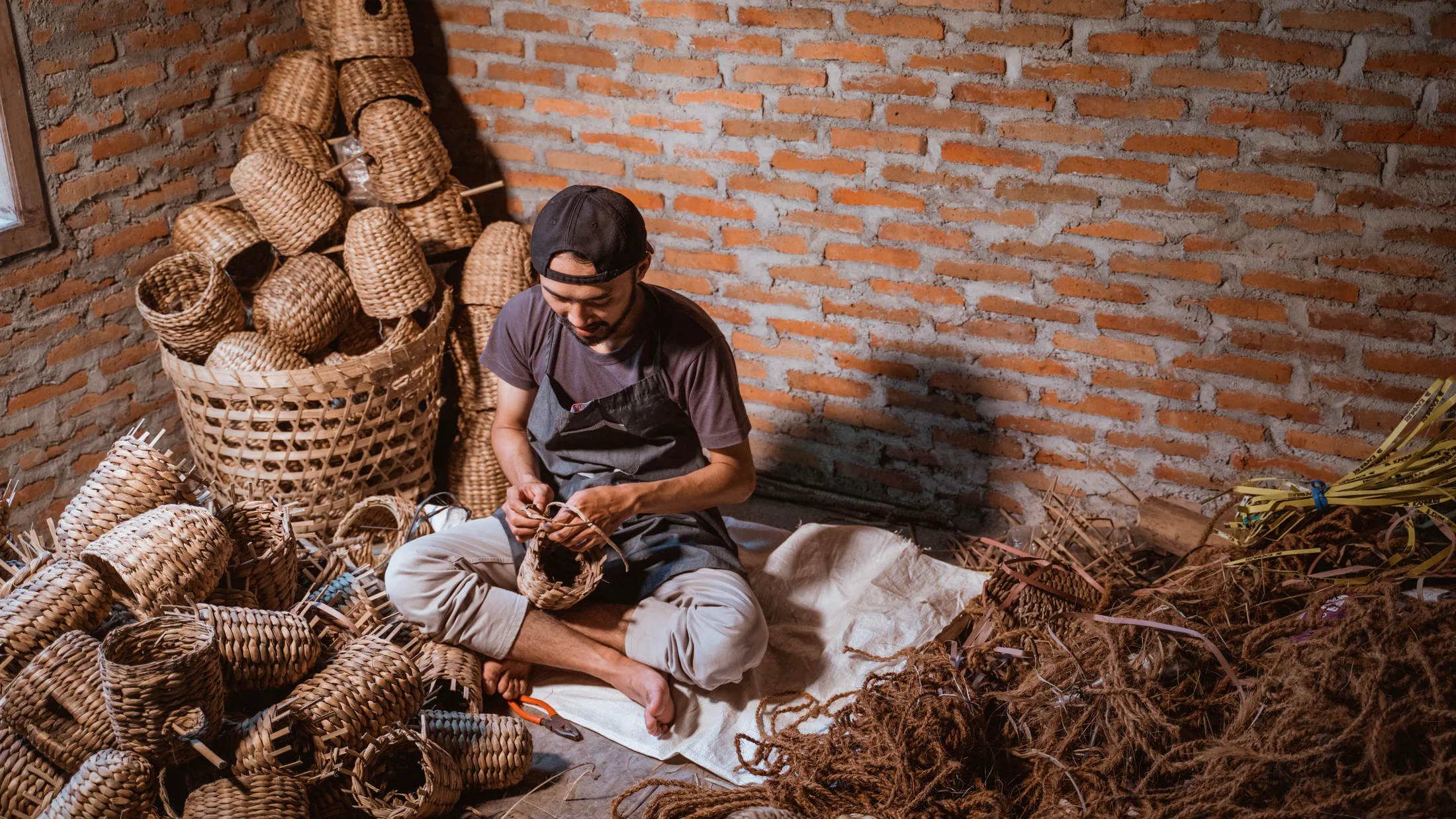
Basketry turns local plants into objects you use daily: market baskets, trays, and foragers’ caddies. A weekend class covers willow (mimbre) basics, coiled grasses, or Mediterranean palm (pleita) braids, depending on region and season. Search terms like “basketry class Spain” or “cestería taller” reveal options hosted by craft centers and rural artisans.
- Typical locations: Galicia and Asturias (willow and reed), Aragón and Navarra (willow), Castilla-La Mancha and Murcia (esparto palm), Balearic Islands (palm work).
- Price range: 90–180 € per person (2 days), materials included.
- Best season: autumn and spring; winter for pre-soaked willow indoors.
- Ideal for: slow-makers, hikers/foragers, design lovers.
- Physical effort: light to moderate; repetitive hand pressure on wet or soaked fibers.
- Safety: finger protection, eye care when snapping willow, hydrate and stretch hands.
What you’ll do:
- Prepare and soak materials; learn ribbed or stake-and-strand bases.
- Weave walls and rims; finish with handles.
- Start a second, smaller project to repeat the technique.
You leave with one or two finished pieces and the confidence to attempt repairs or custom sizes. Keep basketry pieces out of direct sun; lightly mist dried willow to reshape, then air-dry fully to avoid mold. Damp willow smells faintly of riverbanks as it bends under your thumbs.
Continue after the weekend:
- Source willow rods from local growers or order pre-soaked bundles.
- Practice on placemats or trays to perfect tension before larger forms.
- Learn seasonal harvesting ethics if you gather wild materials.
5.Preserves and traditional rural cooking — key facts
A preserves-and-countryside cooking weekend gives you year-round flavor with less waste. Expect safe water-bath canning for high-acid foods, simple ferments, rustic breads, and a couple of regional recipes tied to local produce.
- Typical locations: rural cooking schools, farm co-ops, and agri-tourism fincas across Navarra, La Rioja, Catalonia, Valencia, and Andalusia.
- Price range: 120–200 € per person (2 days), ingredients included; you usually take home 2–6 jars.
- Best season: harvest windows—spring for strawberries and artichokes, late summer for tomatoes and peppers, autumn for apples and quince.
- Ideal for: food lovers, zero-waste households, hikers wanting trail-friendly staples.
- Physical effort: light; standing, chopping, and jar handling.
- Safety: follow tested recipes; ensure jars are spotless; respect pH 4.6 cutoff for water-bath canning (USDA, EFSA guidance) and use pressure canning for low-acid foods.
What you’ll do:
- Prep fruit/veg; learn hot-pack and raw-pack methods.
- Practice brines and basic lacto-fermentation with safe salt ratios.
- Bake a simple country loaf or flatbread; cook a local stew or tortilla variation.
You finish with labeled jars and a clear flow for repeating at home, plus storage and shelf-life rules. Steam beads on kitchen windows as the canner rattles gently on the boil.
Continue after the weekend:
- Keep a kitchen log of batch dates, pH, and notes.
- Start small (2–3 jars) to test flavors before scaling.
- Join a local food co-op for shared bulk buying and seasonal calendars.
6.Sheep shearing and flock care — key facts
If you want to go deeper into livestock skills, a sheep shearing workshop focuses on technique, animal welfare, and post-shear hygiene. Many providers frame it as a spring intensive tied to real farm schedules, and some list it as “sheep shearing workshop” or, in Spanish, “esquilado ovejas taller.”
- Typical locations: Castilla y León, Aragón, Castilla-La Mancha, Extremadura, and Basque Country farms.
- Price range: 160–300 € per person (2 days), gear either provided or rentable.
- Best season: spring (March–May); cooler mornings and annual shearing rhythms.
- Ideal for: smallholders, farm volunteers, veterinary students, and strong hobbyists.
- Physical effort: high; repeated squatting, back control, and handling 50–80 kg animals with guidance.
- Safety: proper PPE (gloves, eye protection), ear protection around machines, first-aid on hand; follow welfare guidelines to minimize stress and avoid cuts.
What you’ll do:
- Learn machine setup, comb/ cutter maintenance, and safe body positioning.
- Practice the standard shearing pattern to roll off the fleece cleanly.
- Handle animals calmly into and out of position; check teeth, feet, and body condition.
- Skirt, roll, and bag fleeces; clean tools and disinfect nicked skin per protocol.
Expect a strong emphasis on welfare and biosecurity. Instructors will show how to plan a shearing day, set up pens, and coordinate hands for efficient, quiet flow. Wool falls in a warm, lanolin-scented sheet that thumps softly to the mat.
Continue after the weekend:
- Strengthen core and legs; practice with a mentor each season.
- Volunteer during local shearing days to build speed.
- Learn fleece grading if you plan to sell to mills or hand-spinners.
Where These Workshops Are In Spain
Use our map to spot clusters by craft and season. Shepherding and shearing concentrate in Castilla y León, Aragón, Navarra, Asturias, and Extremadura, where transhumance routes and dehesa landscapes still shape farm life. Beekeeping weekend workshops appear broadly, with strong hubs in Andalusia, Valencia’s inland comarcas, and Catalonia’s pre-littoral hills—areas with diverse nectar flows.
Pottery is easy to find near historic centers like Manises (Valencian Community), La Rambla (Córdoba), Totana (Murcia), and Talavera de la Reina (Toledo), while basketry thrives in Galicia, Asturias, Aragón, and southeast esparto country. Preserves workshops pop up wherever harvests peak—La Rioja and Navarra for orchards and peppers, Valencian citrus belts, and Catalan apple zones.
Choose by proximity first, then season: spring for hives and flock work, autumn for willow and preserves, year-round for pottery. If you travel by train, target provincial capitals and add a short taxi or bus to the rural venue. Ask hosts about shared rides or on-site rooms to keep logistics simple.
How To Choose The Right Workshop
Match ambition with time. In 10–16 hours, you can complete one or two tangible outcomes: a finished basket, 2–4 pottery pieces, 4–6 jars of preserves, a guided hive inspection, or flock handling staples. For high-effort crafts like shearing, expect foundational technique rather than speed.
Check level and prerequisites. Intro courses welcome beginners; if a workshop lists “intermediate,” look for required skills like basic wheel centering or prior hive handling. Confirm what the price includes: materials, gear rental (bee suits, shears, clay and firings), meals, liability insurance, and take-home items. Transparent inclusions prevent surprise costs.
Prioritize safety. Ask about PPE (personal protective equipment), first-aid availability, and instructor-student ratios. For food classes, verify tested recipes, pH rules, and sterilization steps. For livestock and bees, disclose allergies or health concerns and confirm insurance coverage during practicals.
Sort accommodation and transport early. Rural venues often list nearby casas rurales or camping; some offer rooms on the farm. If arriving by public transport, plan the last-mile taxi and return schedule. Pack for weather: closed boots, layers, hat, and a refillable bottle; bring notebooks, labeled containers for preserves, and a small towel or apron.
Book smart. Reserve 3–6 weeks in advance for peak seasons (spring hives, autumn basketry). Read reviews for details on pacing, instructor clarity, and real outcomes; value comments that describe what people actually made or learned, not just how “nice” it was. After shortlisting two or three options, email instructors with your goals (e.g., “I want to start one hive next year”) and pick the one that answers clearly and specifically. If you want curated options and dates, browse Picuco to compare weekend workshops Spain side by side and plan around seasonality.
Frequently Asked Questions
Do I need previous experience?
No. All workshops listed are beginner-friendly unless stated otherwise. Providers explain basics first, then supervise hands-on practice so you hit a clear outcome by Sunday.
What clothing and tools should I bring?
Wear closed-toe shoes and layers you can get dirty. Bring a water bottle and notebook. Specialized gear—bee suits, shears, clay, canning jars—is usually included or rentable; confirm in advance.
Are there age limits?
Many accept ages 12+ with an adult for pottery, basketry, and preserves. Livestock and beekeeping often require 16+ or 18+ for safety. Always ask the host for exact policies.
What if I have allergies or accessibility needs?
Disclose bee or food allergies and carry prescribed medication. For mobility or sensory needs, request seating options, reduced walking routes, or adapted tasks; many providers can accommodate with notice.
Do workshops provide certificates?
Some issue attendance certificates, useful for continuing education or insurance purposes. These are not formal qualifications but can document training hours.
What are the cancellation policies?
Typical policies allow free changes 7–14 days before the start; closer cancellations may incur fees. Weather-related postponements are common for livestock and hives; hosts usually offer a new date.
Can I bring children?
Yes for many crafts—basketry, pottery, and preserves often welcome families with age-appropriate tasks. Livestock and apiary sessions have stricter age rules for safety; confirm before booking.
What Happens When You Try A Craft For A Weekend
A rural craft weekend compresses learning into something you can hold: a basket by the door, jars lined like jewels, a clay cup you reach for each morning. You also carry new awareness—how to read a flock, how bees “speak,” how acidity keeps food safe—and that knowledge changes how you live. These oficios rurales exist because communities tend them; when you learn, you join that chain.
Start with one craft that fits your season and energy. Book a date, pack practical clothes, and give two days to doing, not just watching. If you want curated dates, trusted hosts, and seasonal suggestions, explore Picuco and reserve a spot ahead of harvest, hive, or shearing time. The scent of wood smoke, wet clay, or fresh herbs might follow you home—and point to the next weekend you’ll spend learning.