Highlights

  • • Paleolithic Upper rock art of female deer
  • • Stamping technique using red and ochre pigments
  • • Declared UNESCO World Heritage Site
  • • Located in Ramales de la Victoria, Cantabria
  • • Guided visits with mandatory reservation
  • • Cool and humid cave interior atmosphere

Description

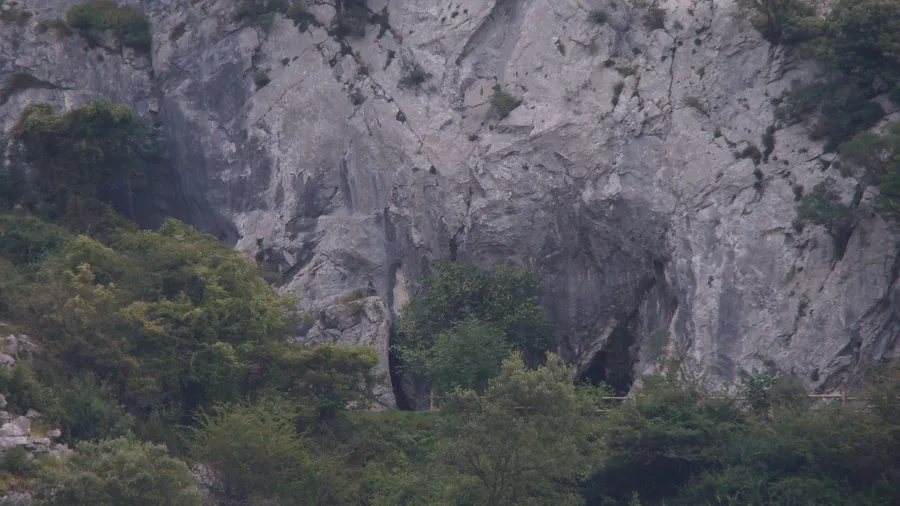
The Cueva de Covalanas, located in Ramales de la Victoria, Cantabria, is a significant Paleolithic rock art site. This natural cave houses paintings dating back approximately 14,000 years, from the Magdalenian period. The cave is renowned for its depictions of female deer, created using the stamping technique, which involves applying pigment with small touches to produce a soft, detailed effect.

Visitors to Covalanas can observe animal figures that reflect the relationship between early humans and their natural environment. The images, mainly of female deer, are painted on the rocky walls with red and ochre pigments. The interior atmosphere is cool and humid, with dim lighting that highlights the contours of the paintings, offering a visual experience that connects with the distant past.

This site is part of the Cantabrian cave art ensemble, declared a UNESCO World Heritage Site in 2008. These paintings provide a window into the art and culture of the human groups who inhabited the region during the Upper Paleolithic, showcasing their symbolic and artistic skills. Preserving Covalanas is essential for the study of prehistory and art history.

Access to the cave requires a guided tour reservation, as visitor numbers are controlled to protect the paintings. The visit lasts about one hour. Comfortable footwear and appropriate clothing for the cave's cool interior are recommended. The cave is not accessible to people with reduced mobility. Entry is free, but prior booking is mandatory. Pets and unguided access are not allowed.

Key Information

Visit Duration

1 hour

Recommended Seasons

Spring, Autumn

Pricing

Free

Accessibility

Low

Kid-Friendly Pet-Friendly Booking Required

Related Destinations

Guide

Essential information for visiting Covalanas Cave

Location
Practical Information
Pricing
Free
Visit Duration
1 hour
Features & Services
  • Accessibility:Low
  • Kid-Friendly:Yes
  • Pet-Friendly:No
  • Booking:Booking Required
Planning Information

Recommended Seasons

Spring · Autumn

Best Time to Visit

The best time to visit the Cueva de Covalanas is during spring and autumn, when Cantabria's weather is mild and pleasant for traveling around the region.

Visitor Tips

To make the most of your visit, book in advance and arrive punctually at the meeting point. Wear comfortable shoes and clothing suitable for the cave's cool, humid environment. Follow the guide's instructions and avoid touching the walls to preserve the paintings. Flash photography and any photos inside the cave are not permitted.

Historical Facts

The Cueva de Covalanas contains Upper Paleolithic rock paintings created about 14,000 years ago. These artworks reflect the life and beliefs of the Magdalenian human groups inhabiting the Cantabrian region, representing a notable example of prehistoric parietal art.

Frequently Asked Questions

Get answers about Covalanas Cave

Yes, visits are guided and require prior reservation to control capacity and preserve the paintings.
The guided tour lasts approximately one hour.
Yes, children can visit as long as they can follow the guided tour.
No, the cave is not accessible due to its natural structure.
No, photography is prohibited to protect the rock paintings.