Seville

What to do in Seville

Plans, activities and things to see in Seville

Discover Seville

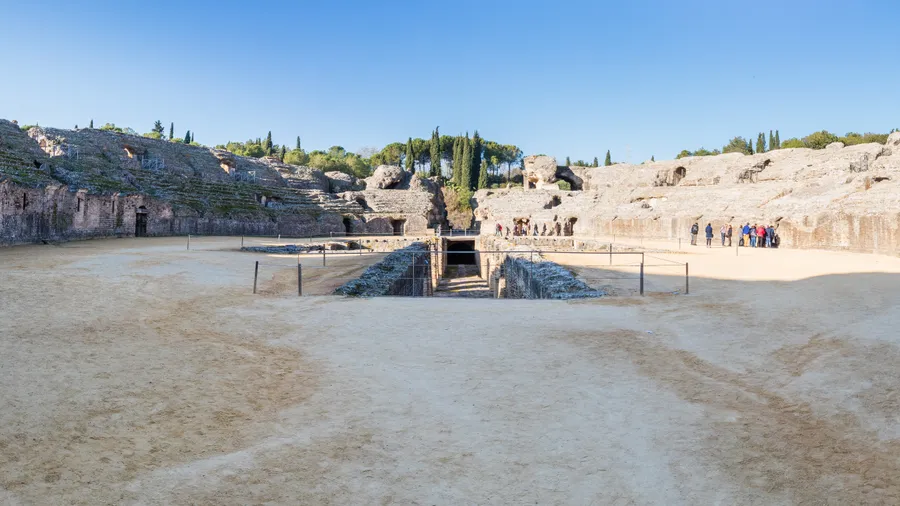
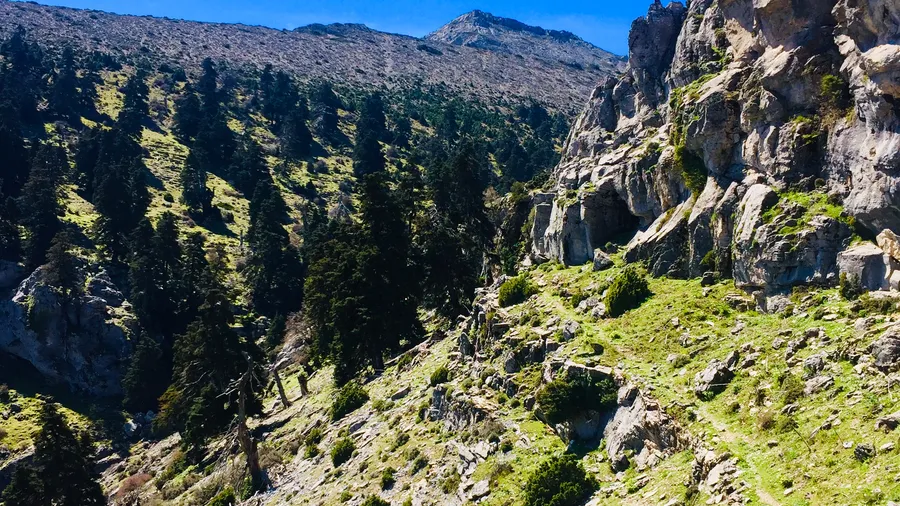
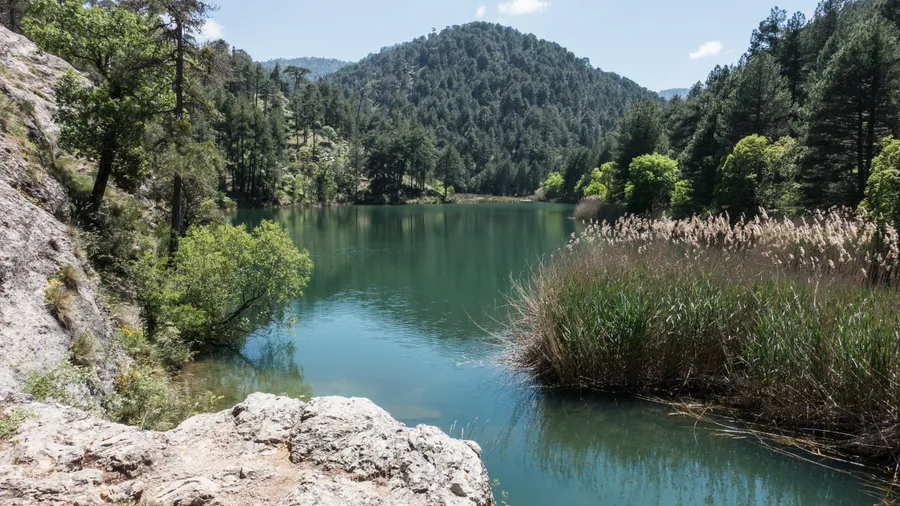
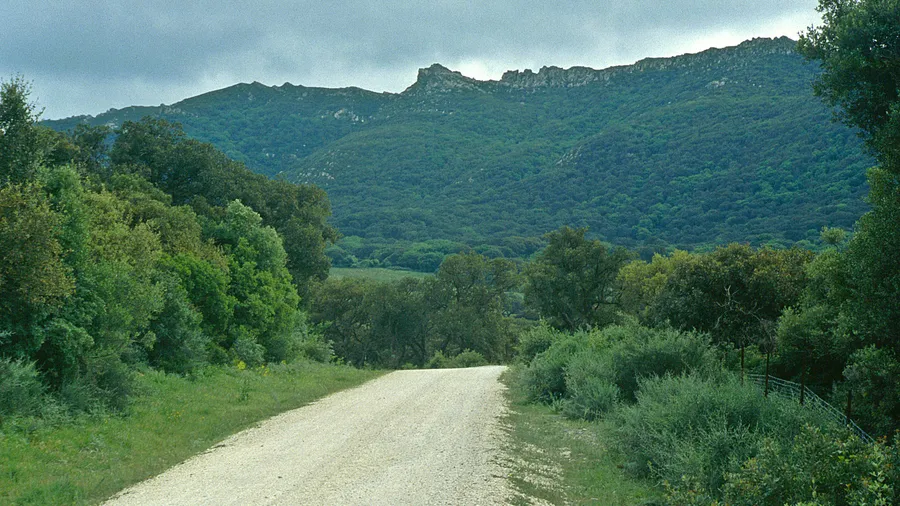
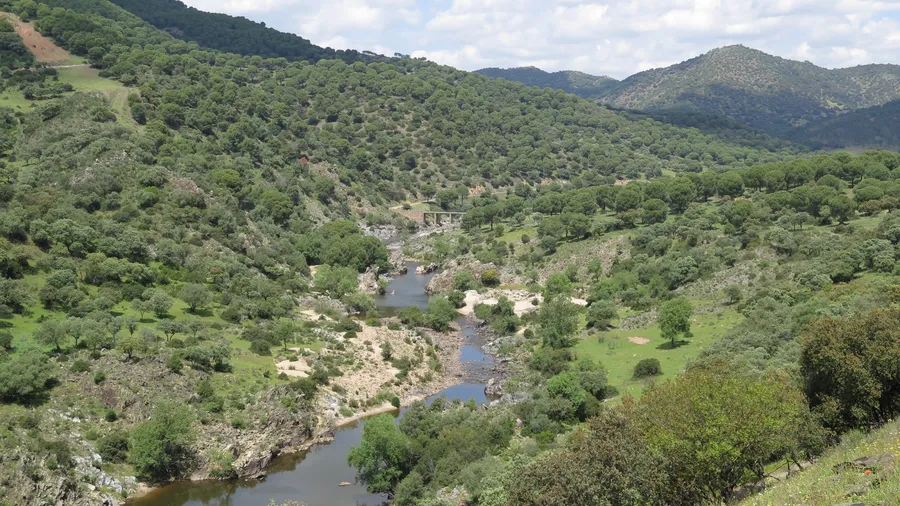
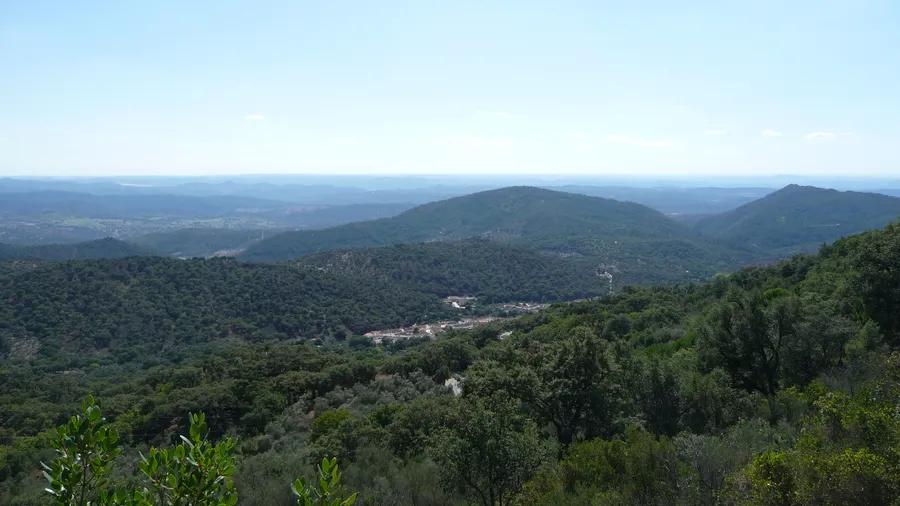
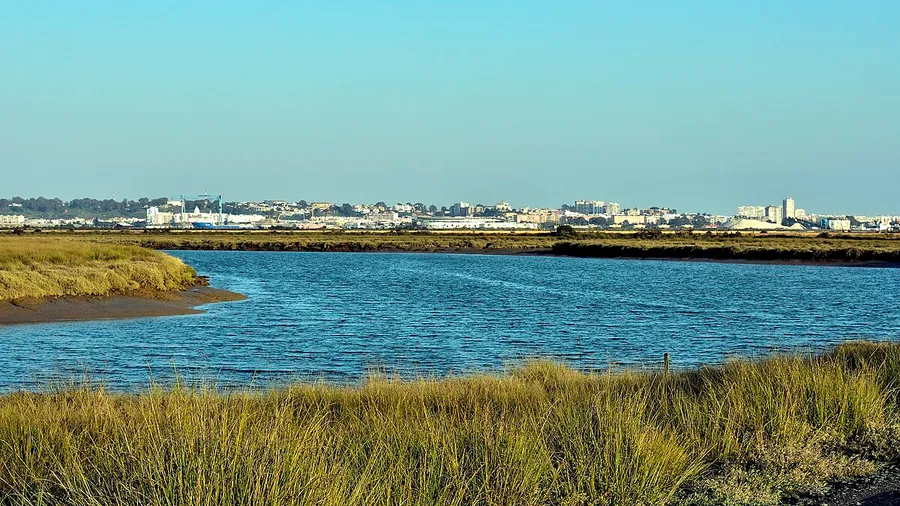
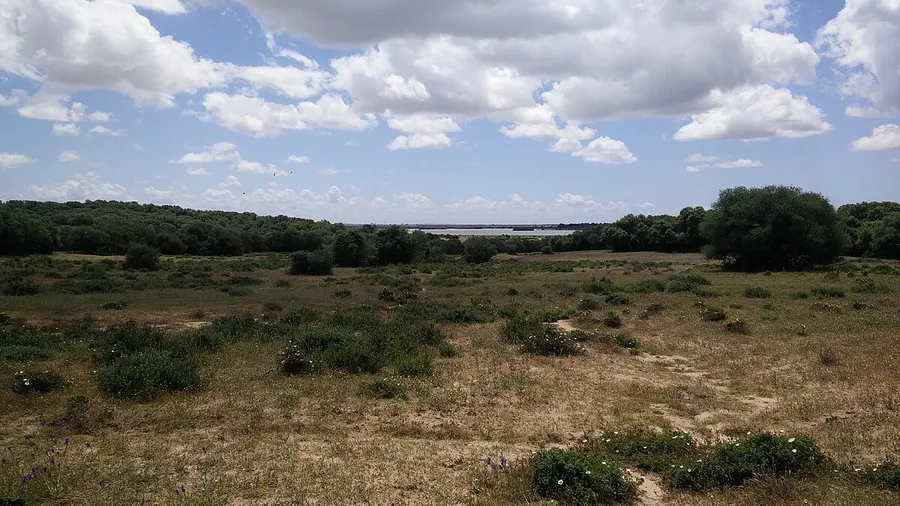
The province of Seville combines a city with centuries of history and a diverse natural environment stretching from the cork oak forests of the Sierra Norte to the northern access to Doñana National Park. The Sevillian Sierra Norte, with its oak woodlands, offers hiking routes connecting medieval villages with dehesas where fighting bulls and Andalusian horses graze: the Sierra del Viento route and the Guadiamar green corridor are the most frequented itineraries, with moderate gradients suitable for families. The Vía Verde de la Sierra Norte converts an old railway into a cycling axis crossing the sierra between Cazalla de la Sierra and Guadalcanal, with 22 km of well-maintained platform and several viaducts over black pine gorges. To the southwest, the area around Italica, a few kilometres from the city, combines the largest Roman ruins in Spain with paths through the Aljarafe and the Guadalquivir river, where kayak descent is gaining followers on the stretches between Alcalá del Río and Brenes. The northern access to Doñana, from the villages of El Rocío and Almonte, offers horse riding and guided 4WD routes through the Guadalquivir marshes, where over 300 bird species concentrate during migration seasons. The Carmona area and the estate farms of the Aljarafe are the usual setting for equestrian activities and horse riding routes combining agricultural landscape with ancient olive groves. Equestrian tourism in this province has deep roots and a network of local operators with Spanish-bred horses.

Highlights

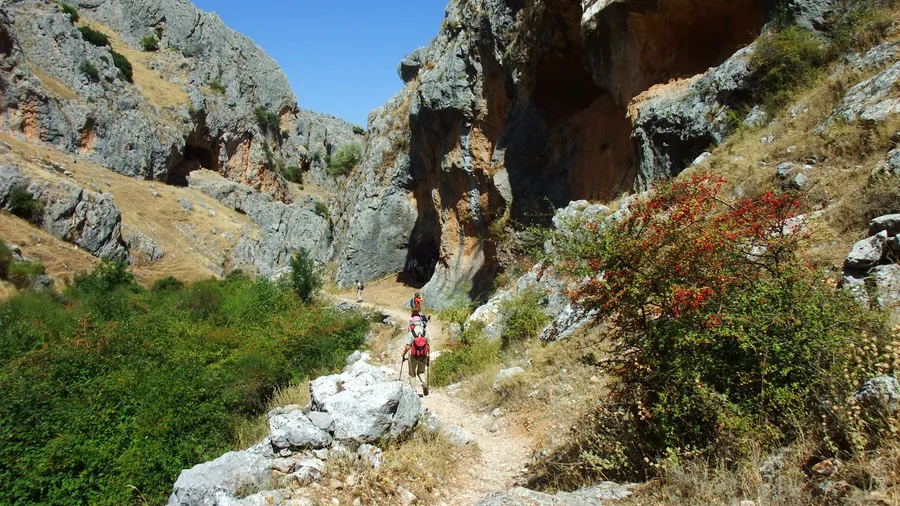
  • • Sierra Norte hiking: oak forests and dehesas with native fauna
  • • Vía Verde Sierra Norte: 22 km cycling over viaducts and pine forests
  • • Horse riding in Carmona and the Aljarafe with century-old olive groves
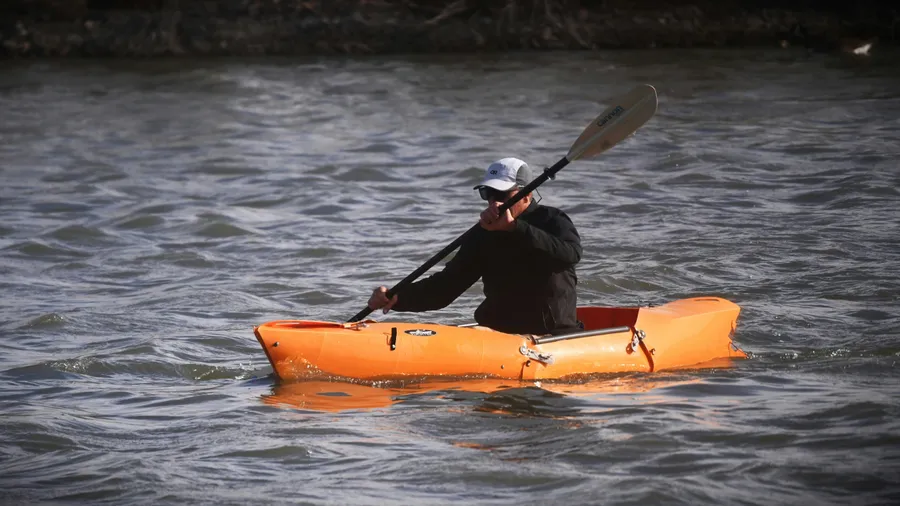
  • • Kayaking on the Guadalquivir between Alcalá del Río and Brenes
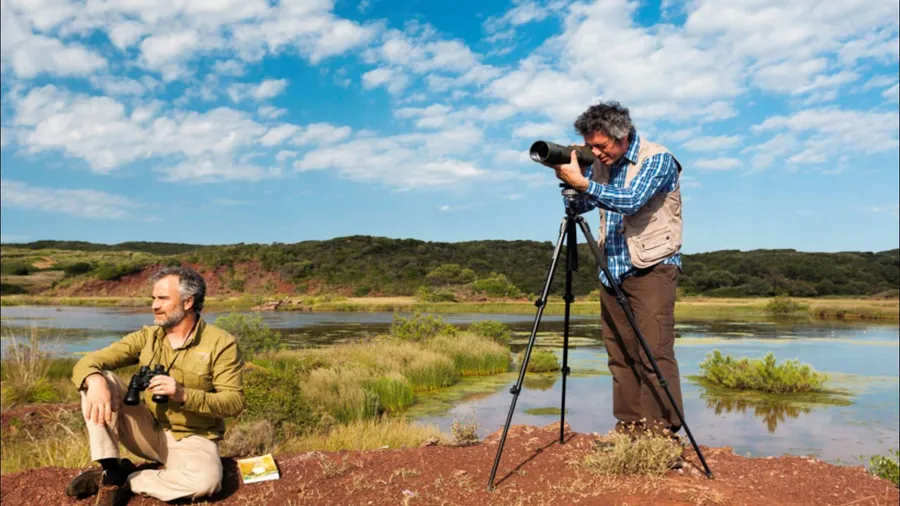
  • • Birdwatching in Doñana (northern access): 300+ species in the marshes
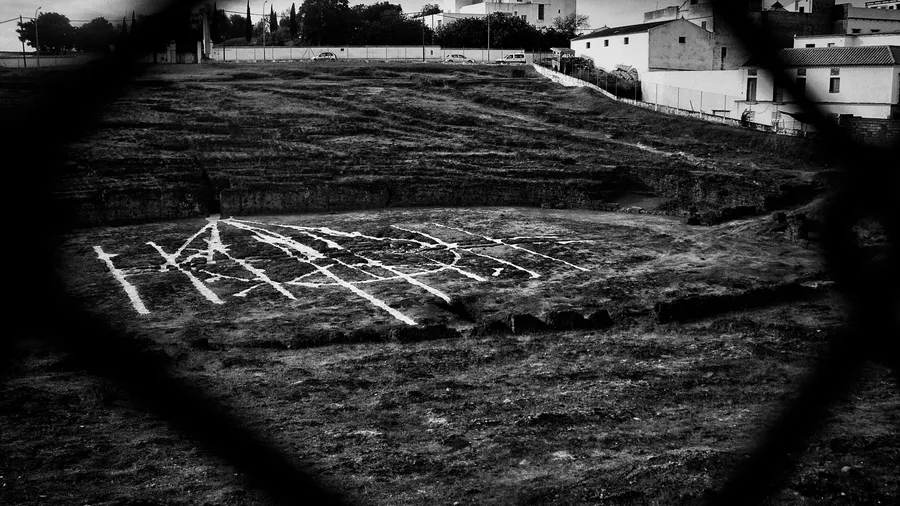
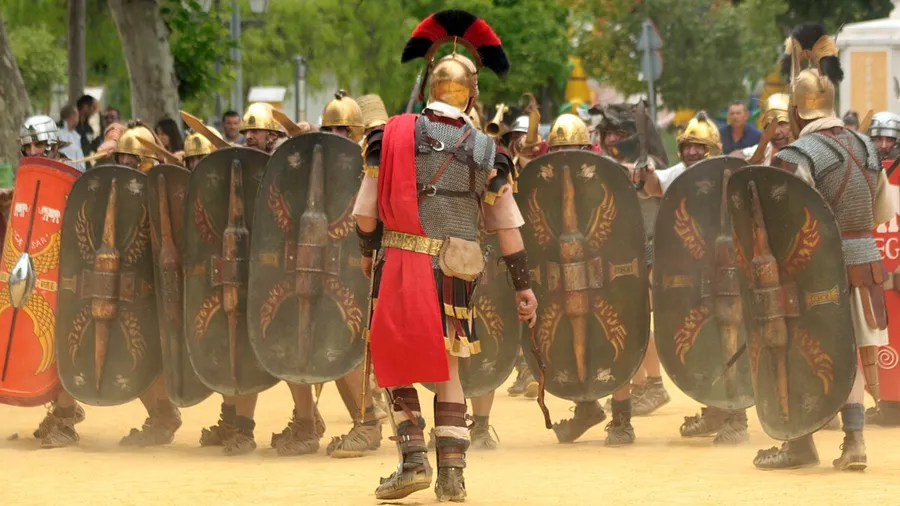
  • • Hiking near the ruins of Italica: Spain's largest Roman amphitheatre

Best time to visit

Autumn (Sep–Nov) and winter (Dec–Feb) for Doñana birdwatching and cycling the greenway. Spring (Mar–May) for hiking and horse riding with the sierra in bloom. Summer inland can be very hot (38–42 °C).

Practical tips

To enter the Doñana core zone, book an official guided visit in advance (limited spaces, online reservation). For horse riding in Carmona, local stables offer half-day rides with cortijo snack included. For Guadalquivir kayaking, the current is gentle but access may be regulated in stretches within the Corredor Verde Natural Park.

Plans and activities en Seville

Las mejores experiencias y planes disponibles en Seville

60

What to see en Seville

Rincones, lugares y puntos de interés que no te puedes perder

Destinations & areas

Zonas y destinos turísticos en Seville

Frequently asked questions sobre Seville
Autumn and winter (Oct–Feb) bring the highest concentrations of migratory waders and waterbirds. Spring is best for breeding species. The northern access from El Rocío allows reaching the park boundary by vehicle or on horseback.
Basic routes through the Carmona and Sierra Norte dehesas are suitable for riders with minimal experience (guided riding). Paths are wide and undemanding. For multi-day routes along the Mozarabic Way of St James, intermediate experience is recommended.
The stretch between Alcalá del Río and Brenes (15 km, gentle current) and the Brenes–Villaverde del Río section are the most common. Some operators run descents from La Algaba toward the city with pickup included.
Yes. The Italica site (Santiponce, 9 km from Seville) is adjacent to trails on the Cerro de San Antonio and through the Aljarafe. A circular route of about 3 hours allows visiting the ruins and hiking through dehesas with views over the Guadalquivir valley.
The surface is well maintained and suits mountain, gravel or hybrid bikes. Road bikes with thin tyres are not recommended as some sections are dirt track. The most impressive viaducts are between Cazalla and El Pedroso.

Related articles sobre Seville