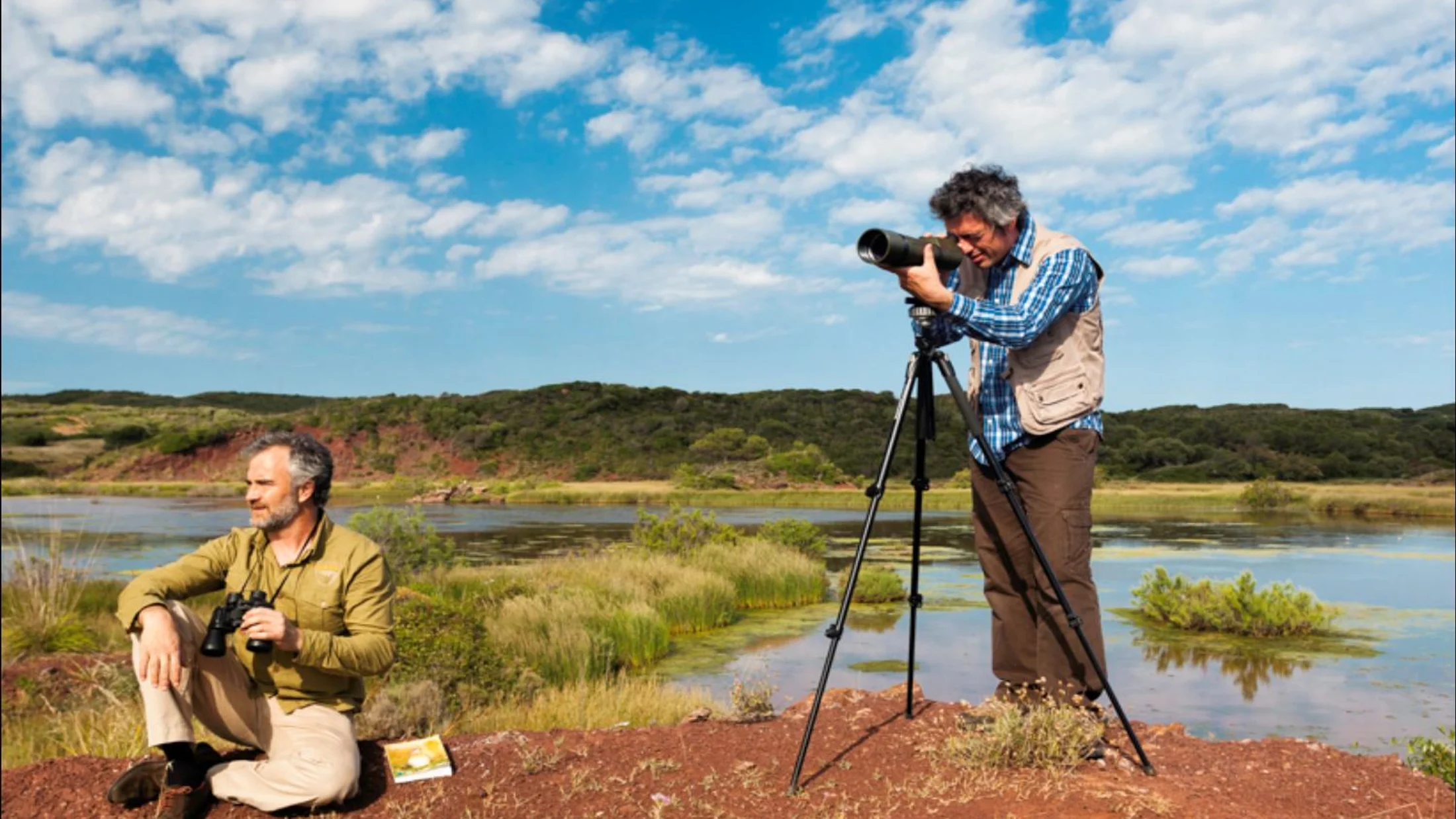
Why Birdwatching in Spain Belongs on Your Travel Map
Spain sits at the crossroads of two great flyways, so birdwatching Spain means witnessing migrations that thread Africa and Europe twice each year. From Atlantic marshes to Mediterranean salinas and highland lagoons, habitats shift every few kilometers and with them the species you can see. SEO/BirdLife reports more than 600 species recorded in Spain, and many of the country’s wetlands are internationally protected as Ramsar sites and Important Bird Areas. Picture dawn mist lifting off a marsh as silhouettes wheel against a pale sky. In this list, you’ll find twelve outstanding parks and wetlands chosen for accessibility, conservation value, seasonal highlights, facilities, and reliable viewing points. Each entry tells you when to go, how to get around, where to stand, what to expect, and how to enjoy responsibly. Use it to plan a weekend escape or a multi-stop route, matching peak seasons—like spring passage or winter roosts—to your goals, whether photography, a family outing, or adding lifers to your list. We include local advice from visitor centers and park authorities, plus reminders to respect farmers, fishers, and rangers who keep these places alive. Take it slow, pack patience, and let the birds set the pace.
Picuco te puede ayudar
Does something here catch your eye?
Tell us.
Write to us on WhatsApp or email: we answer questions, find the best options and help you sort out the booking.
How to Use the List
Each destination follows a simple, repeatable structure so you can scan quickly and act confidently. You’ll see: location (region/province), best seasons and times, ideal visitor profiles (photographers, families, migration watchers), signature species, top viewing points, access and transport, on-site facilities (visitor centers, hides), and practical behavior rules. Imagine a wooden hide creaking softly as a marsh harrier quarters the reeds. If there’s an entrance fee, permit, or guided-visit requirement, we note it and where to confirm updates with official park centers. Accessibility matters: look for references to boardwalks, adapted hides, and parking. For travel, we indicate nearest towns, road access, and when a bicycle or boat makes sense. You’ll also find tips on local etiquette: staying on marked trails, keeping distance during breeding, avoiding trampling in rice paddies and dunes, and using quiet voices around hides. Treat these sites as working landscapes—rice farmers, salt workers, shellfish gatherers—and you’ll help ensure birds and people thrive together.
Spain’s Top Wetlands and Parks for Birdwatching
1.Doñana: marshes, dunes, and epic migrations
Doñana is the Mediterranean’s marquee wetland, a UNESCO World Heritage site whose marshes, pinewoods, and dunes shelter over 300 recorded species and anchor autumn and spring passage. At first light, a veil of fog hovers above the marisma as flamingos whisper across the flats.
- Why it matters: It sits on the East Atlantic flyway, concentrating waders, waterfowl, raptors, and elusive specialities like the Spanish imperial eagle in the wider region.
- Best times: February–April (passage and breeding waders/herons), October–December (waterfowl influx), and winter for osprey and cranes in surrounding fields.
- Species to watch: Greater flamingo, purple heron, glossy ibis, red-knobbed coot (scarce), osprey, Spanish imperial eagle (rare), marbled duck (scarce).
- Best viewing points: El Acebuche visitor center and boardwalks, La Rocina trails, Dehesa de Abajo (edge of the park), and beach-dune interfaces near Matalascañas.
- Access and visits: Main road
A-483links Almonte–Matalascañas; visitor centers are free; 4x4 tours into restricted areas are ticketed and must be booked with authorized operators. - Local tips: Arrive at hides before sunrise; in summer, heat shimmer reduces visibility after 10:00.
- Respect: Stay on paths, no playback, and never approach nests; Doñana’s water balance is fragile—follow park staff guidance.
2.Ebro Delta: rice, salinas, and superb waterbird viewing
The Ebro Delta is a mosaic of rice fields, lagoons, and saltworks that hosts one of Europe’s richest wetland bird communities, with over 300 species recorded annually. Warm light glints off flooded paddies like a sheet of hammered brass.
- Why it matters: Intertidal flats and rice rotations create year-round foraging, from winter ducks to breeding terns and late-summer shorebirds.
- Best times: March–May (breeding herons/terns), August–October (post-breeding shorebirds), and December–February (waterfowl).
- Species to watch: Slender-billed gull, Audouin’s gull, avocet, Kentish plover, purple swamphen, flamingo, marsh harrier.
- Best viewing points: Punta del Fangar (gulls, terns, shorebirds), Trabucador sandbar (sea- and lagoon-side species), Encanyissada and La Tancada hides, and boat trips to Buda Island (restricted access; guided only).
- Access and visits: From Deltebre and Sant Carles de la Ràpita via local roads (
TV-3405), free access to most viewpoints; guided “Delta del Ebro birdwatching” outings available seasonally. - Local tips: Respect rice cycles—fields may be off-limits during planting/harvest; dust and wind pick up in the afternoon—bring lens protection.
- Respect: Keep off dune fronts and closed tracks; avoid flushing roosting flocks on narrow sandbars.
3.Gallocanta Lagoon: Spain’s famed crane spectacle
Gallocanta is Europe’s largest natural saline lagoon and Spain’s emblematic crane site, with autumn and late-winter staging often reaching tens of thousands of birds. The pre-dawn chill rings with bugling calls as silhouettes stream from the roost.
- Why it matters: It concentrates common crane migrations along the Iberian interior flyway, with reliable sunrise/sunset movements.
- Best times: Late October–November and February–early March for peak “Gallocanta cranes”; winter also brings raptors and steppe birds nearby.
- Species to watch: Common crane, hen harrier, merlin, golden plover, dotterel (nearby highlands in season).
- Best viewing points: Fixed observatories around Bello, Tornos, and Las Cuerlas; the Alcañiz–Daroca road corridor has multiple signed pull-outs.
- Access and visits: Reach via
A-211andA-1507; visitor centers in Gallocanta and Bello provide daily counts and route advice; access is free on public viewpoints. - Local tips: Arrive 45–60 minutes before sunrise or an hour before sunset for mass movements; a scope is invaluable to scan the central roost.
- Respect: Do not approach the shoreline on foot; stay behind viewing screens to prevent flushes; winter fields are private—use signed tracks only.
4.Fuente de Piedra: flamingo nurseries on a grand scale
Fuente de Piedra in Málaga province hosts the Iberian Peninsula’s largest breeding colony of greater flamingos in good water years, set on a vast endorheic salt lake. Mid-morning heat waves shimmer above a pale-pink ribbon of distant birds.
- Why it matters: A classic Mediterranean saline lagoon supporting flamingos, stilts, avocets, and larks on surrounding steppe.
- Best times: March–May for courtship and nesting in wet years; October–February for waterfowl and passage waders; water levels vary by rainfall.
- Species to watch: Greater flamingo, black-winged stilt, avocet, shelduck, gull-billed tern (late spring), Calandra lark (fields).
- Best viewing points: Visitor center boardwalk and Mirador de la Vicaría; circuits around Cantarranas and Laguneto for closer waterfowl views.
- Access and visits: Free access to hides and center; reach via
A-92(Sevilla–Granada) and local roads; guided walks run seasonally through the visitor center. - Local tips: Bring a spotting scope for the main colony; combine with Antequera’s dolmens and El Torcal for a full day.
- Respect: Stay off the salt crust and closed embankments; avoid drones which disturb colonies.
5.La Albufera (valencia): rice, reedbeds, and easy urban access
A short hop from Valencia, La Albufera mixes a shallow coastal lagoon with an extensive rice system that cycles habitat through the year. Evening brings glassy water and the resin scent of pine from Devesa dunes.
- Why it matters: It’s a living landscape of farmers and fishers that hosts abundant waterfowl, herons, grebes, and passage shorebirds.
- Best times: November–February for ducks and grebes; April–June for herons, terns, and passerines; August–October for waders on drawdown paddies.
- Species to watch: Red-crested pochard, purple swamphen, whiskered tern, little bittern, glossy ibis, black-tailed godwit (passage).
- Best viewing points: Perimeter ricefield tracks (respect closures), Racó de l’Olla interpretation center hides, boat trips from El Palmar for sunset viewing.
- Access and visits: Reach via
CV-500; most hides are free; small fees apply for boat rides operated by licensed local fishers. - Local tips: Pair birding with a late paella in El Palmar; weekday dawns are quieter on tracks.
- Respect: Keep vehicles on paved or signed routes; slow down for tractors; do not step into paddies.
6.Tablas de Daimiel: a rare riverine wetland in La Mancha
The Tablas de Daimiel National Park protects a scarce “tables” wetland where the Guadiana and Cigüela rivers spread across flatlands, creating reedbeds, islands, and open pools. The boardwalk thuds softly underfoot as whiskered terns chatter overhead.
- Why it matters: It offers close, family-friendly viewing via wooden walkways, with classic Iberian marsh species and winter ducks.
- Best times: November–March (waterfowl), April–June (herons, terns, passerines); summer heat reduces activity midday.
- Species to watch: Red-crested and common pochard, gadwall, purple heron, squacco heron, whiskered tern, bearded reedling.
- Best viewing points: Isla del Pan boardwalk circuit, Laguna Permanente, and multiple hides accessible from the main visitor center.
- Access and visits: Free entry; main access from Daimiel town via local roads; the visitor center provides current water-level info and trail updates.
- Local tips: Arrive at opening time for undisturbed light; bring insect repellent in late spring.
- Respect: Water levels depend on careful management—stay on boardwalks and avoid off-trail shortcuts that erode banks.
7.Aiguamolls de l’empordà: beaches, dunes, and migration gateways
On Catalonia’s northeastern coast, Aiguamolls de l’Empordà mixes coastal marshes, meadows, and dune systems, funneling migrants along the Mediterranean rim. A sea breeze carries the tang of salt as swallows skim over mirror-still pools.
- Why it matters: It’s a reliable stopover in both spring and autumn, with well-maintained hides and flat trails.
- Best times: March–May and August–October for passage; winter for ducks and raptors; June for breeding waders and terns.
- Species to watch: Avocet, little and sandwich terns, glossy ibis, wood sandpiper (passage), osprey (passage/winter), purple swamphen.
- Best viewing points: Cortalet visitor center hides, Estanys del Tec and Vilaüt, and beach-adjacent marsh edges near Empuriabrava (respect closed dune areas).
- Access and visits: Reach from Girona or Figueres; free access to most routes; guided walks run regularly from park centers and local associations.
- Local tips: Late afternoon light is excellent from west-facing hides; summer crowds thin near sunrise.
- Respect: Keep dogs leashed; dunes and breeding zones close seasonally—obey signage.
8.Marismas del Odiel: Atlantic tides and winter richness
Near Huelva, the Odiel estuary’s tidal channels, mudflats, and saltpans draw large numbers of wintering shorebirds and flamingos, plus raptors patrolling the edges. Wind ruffles brackish creeks where grey plovers pick at the tide line.
- Why it matters: It’s a UNESCO Biosphere Reserve with easy roadside viewpoints and signposted trails through varied estuarine habitats.
- Best times: October–March for waders, flamingos, and ospreys; April–May for terns and passage waders; late summer for post-breeding gatherings.
- Species to watch: Osprey (regular wintering), spoonbill, flamingo, grey plover, bar-tailed godwit, Caspian tern (passage).
- Best viewing points: Calatilla de Bacuta, tidal channels by Salinas del Odiel, and designated hides along the main reserve tracks.
- Access and visits: Short drive from Huelva city; visitor center provides tide tables, which are critical for timing; access is free in marked areas.
- Local tips: Plan for mid-falling or rising tides to maximize exposed feeding flats without stranding birds too far out.
- Respect: Saltworks are working sites—follow permitted paths; avoid blocking narrow service roads.
9.Salinas de Santa Pola: saltworks, lagoons, and elegant waders
Between Alicante and Santa Pola, these Mediterranean salinas and adjacent pools are a magnet for flamingos and a suite of shorebirds adapted to saline waters. Heat haze turns distant mounds of salt into bright-white dunes.
- Why it matters: Evaporation ponds and shallow lagoons support high invertebrate loads, feeding large flocks of waders year-round.
- Best times: September–April for mixed shorebirds and winter ducks; April–July for breeding stilts, avocets, and terns.
- Species to watch: Flamingo, black-winged stilt, avocet, little stint, curlew sandpiper, sandwich tern.
- Best viewing points: Hides along the N-332 corridor, El Pinet beach boardwalk (respect closed areas), and edges near the Salt Museum for interpretation.
- Access and visits: Easy access by public road pull-offs; many stops are free; check with the Natural Park’s information points for seasonal restrictions.
- Local tips: Morning backlight can be harsh on east-facing ponds—plan for late afternoon in select spots.
- Respect: Do not enter service tracks without authorization; avoid kites or drones, which disturb roosting birds.
10.Mequinenza Reservoir: waterfowl and raptors along the Ebro
Nicknamed the “Sea of Aragón,” the Mequinenza reservoir and adjoining Ebro stretches mix open water, steep shores, and riparian woodland that favor wintering ducks and fishing raptors. A cormorant chain dries wings on half-sunk branches as the river slides past.
- Why it matters: Large water bodies concentrate diving ducks and grebes; cliffs and ridges nearby hold raptors year-round.
- Best times: November–February for waterfowl; March–May for raptors on thermals; late summer for herons and egrets on drawdown margins.
- Species to watch: Great crested and black-necked grebes, pochard, goosander (scarce winter), osprey (passage/winter), Bonelli’s eagle (region).
- Best viewing points: Shoreline pull-outs near Mequinenza and Caspe, marinas for safe scanning (keep clear of anglers), and elevated road bends for raptors.
- Access and visits: By road from Zaragoza/Lleida; boating requires permits from the Confederación Hidrográfica del Ebro; guided boat outings operate seasonally.
- Local tips: Calm mornings are best for scope work; pair with a visit to the Ebro Delta for a two-habitat weekend.
- Respect: Watch footing on rocky banks; stay off private docks unless invited.
11.Ría de Arousa (galicia): rich estuaries and working shores
The largest of Galicia’s Rías Baixas, Arousa blends intertidal flats, mussel rafts, and islands, attracting wintering waders and passing seabirds. The air smells of salt and seaweed as oystercatchers pipe across a silvered tide.
- Why it matters: Productive upwelling and extensive sandflats fuel diverse feeding grounds, with traditional marisqueo (shellfishing) shaping access and rhythms.
- Best times: October–March for waders and gulls; September–November and March–May for seabird passage offshore; summer for resident shags and terns.
- Species to watch: Eurasian oystercatcher, bar-tailed godwit, dunlin, Mediterranean gull, gannet (offshore), European shag.
- Best viewing points: Intertidal zones at Cambados and A Illa de Arousa, dune systems at Corrubedo (nearby), and boat trips around mussel rafts for gulls and cormorants.
- Access and visits: Easy from Santiago and Vigo; tidal planning is key—ask local tourist offices or park centers for tide tables; boat tours run year-round weather-permitting.
- Local tips: Time visits for mid to low tide to pull birds close; fog can roll in fast—bring layers.
- Respect: Keep clear of shellfish harvesters’ work areas and gear; follow island reserve rules.
12.Lagunas de Ruidera: clear-water chains and inland birdlife
In Castilla–La Mancha’s interior, fifteen turquoise lagoons step down the valley, mixing reed-fringed pools, karst waterfalls, and dry-country edges perfect for passerines. Sunlight dapples through poplars onto ripples alive with grebes.
- Why it matters: Freshwater species meet steppe birds in nearby fields, giving varied lists in a compact area with family-friendly access.
- Best times: November–March for ducks and grebes; April–June for herons, nightingales, bee-eaters, and rollers; summer midday can be quiet and hot.
- Species to watch: Little and great crested grebes, gadwall, grey heron, European bee-eater, hoopoe, red-rumped swallow.
- Best viewing points: Laguna Colgada and Laguna de la Lengua shores, cliff viewpoints near the Castillo de Peñarroya (permitted zones), and picnic-area edges at quieter hours.
- Access and visits: Good roads link the chain; parking near major lagoons; visitor centers provide trail maps; swimming is allowed in designated areas—avoid peak wildlife zones.
- Local tips: Early and late light is best; pair birding with short hikes to waterfalls between lagoons.
- Respect: Keep dogs out of reedbeds; pack out litter from picnic sites immediately.
Interactive Map
An embedded interactive map should mark all twelve locations with clear pins and include habitat layers (marsh, salinas, lagoon, estuary) to visualize differences at a glance. One tap should reveal best viewpoints, seasonal highlights, and links to local visitor centers plus GPS coordinates. Filters by season (spring, autumn, winter) and by iconic species (flamingo, cranes, terns, raptors) help you plan. Integrate on-page with an accessible, mobile-friendly embed and offer a full-screen external map for offline prep. Ensure high-contrast pins, alt text for markers, and keyboard navigation. Include safety notes where tidal timing or permits affect access.
Practical Tips to Choose a Destination and Plan Your Outing
Match your goals to the calendar first, then fine-tune by habitat. For winter ducks and easy paths, pick Daimiel or La Albufera; for crane drama, Gallocanta’s sunrise is unbeatable; for breeding herons and terns, the Ebro Delta and Aiguamolls shine in spring. If photography is your aim, choose sites with boardwalks and hides that set you close without disturbance, and scout sun angles the day before. Beginners and families often prefer short loops with facilities; seasoned listers may chase rarities on drawdown mudflats. For logistics, confirm parking, hide access, and any permits for boats or restricted zones; tidal sites like Odiel and Arousa require tide tables. Public transport reaches some hubs (Valencia for La Albufera; Huelva for Odiel), but rural stops are limited—consider rental cars. For multi-stop birdwatching Spain, combine Delta del Ebro birds with Mequinenza in two days, or pair Doñana birdwatching with Odiel. Book local guides or small-boat outings in advance for migration peaks and weekends, and always check official park pages or visitor centers for closures and fire-risk restrictions.
Where to Stay and How to Find Local Guides
Base yourself close to dawn viewpoints to save light and energy. Good options include rural guesthouses near marsh edges, eco-lodges embedded in farmland, and campgrounds with early gate access; look for properties that respect quiet hours and offer early breakfasts or packed lunches. Near large wetlands, visitor centers often list licensed guides, boat tours, and adapted hides; ask about group sizes, optics provided, and seasonal specialties. In places like the Ebro Delta or La Albufera, traditional boat trips run by local fishers add cultural insight and stable shooting platforms. Book early for spring weekends and key winter dates when cranes or flamingos peak. Wherever you stay, support family-run places that live with the marsh’s rhythms, and confirm check-in flexibility for sunrise departures.
Essential Gear and Responsible Fieldcraft
-
Optics: 8x–10x binoculars; a 60–80 mm spotting scope on a stable tripod for distant flocks.
-
Photography: telephoto lens (300–500 mm), beanbag or gimbal, rain cover, microfiber cloths.
-
Clothing: muted layers, hat, windproof shell; waterproof boots for boardwalk spray.
-
Navigation: offline maps, spare batteries, headlamp for pre-dawn, and a basic first-aid kit.
-
References: a pocket field guide and an ID app for quick checks.
-
Field behavior: keep to paths, use hides, and hold a minimum 30–50 m from birds; never flush flocks for photos.
-
Sensitive zones: avoid stepping on dunes, reedbeds, and rice paddies; obey seasonal closures and no-drone rules.
-
Safety: check tides and weather; carry water; tell someone your route; respect private land and working salinas.
-
Impact: pack out all waste, keep noise low, and leave sites better than you found them.
Frequently Asked Questions
When is the best time to visit each site?
Winter (Nov–Feb) favors Daimiel, Albufera, Odiel, and Arousa for waterfowl and waders. Spring and early summer (Mar–Jun) suit Ebro Delta, Aiguamolls, and Fuente de Piedra in wet years. Gallocanta peaks late Oct–Nov and Feb–Mar.
Do I need permits or tickets?
Most hides and trails are free. Guided 4x4 routes in Doñana, restricted Buda Island access, and boat outings require tickets; confirm with official visitor centers and park authorities before you go.
Are these places accessible for limited mobility?
Several sites offer adapted hides, boardwalks, and close parking (Daimiel, La Albufera’s Racó de l’Olla, some Odiel viewpoints). Contact the visitor center for current accessibility details and assistance.
Is winter birdwatching safe and worthwhile?
Yes, winter is often the richest season. Dress warmly, watch footing on frosty boardwalks, and plan shorter sessions around daylight; many species are more approachable in cold months.
How should I behave near nesting birds?
Keep well back, never cross rope lines, and avoid playback. If a bird alarms or changes behavior, retreat immediately. Use hides and long lenses to minimize disturbance.
Can I combine sites in one trip?
Yes. Examples: Ebro Delta + Mequinenza in two days; Doñana + Odiel in a long weekend; Albufera + Aiguamolls on a coastal road trip. Build buffer time for weather and tides.
Where can I find official updates?
Check park visitor centers, regional environment departments, and SEO/BirdLife for seasonal closures, counts, and codes of conduct. Local centers post water levels, tide charts, and species news.
Book your experience — discover nature activities across Spain with vetted local providers on Picuco.
Conclusion
Spain’s wetlands and parks reward patience and care, offering crane dawns, flamingo colonies, and quiet reedbeds alive with song. Choose a site that fits your season and style, respect working landscapes and protected zones, and you’ll be welcomed by both birds and the communities who steward their habitats. If a destination here sparked your curiosity, pick a date, gather your kit, and start planning; sharing this article with your travel companions is a simple first step to turning plans into an unforgettable morning in the marsh.