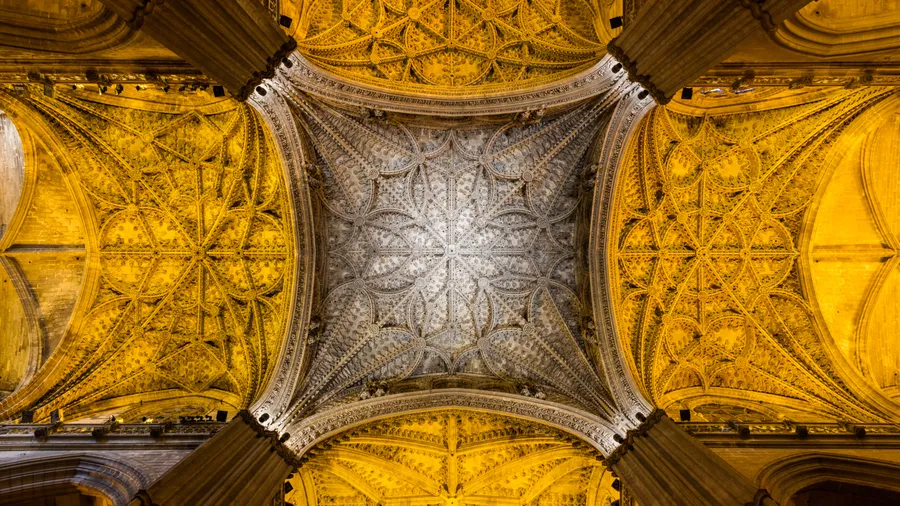
Seville Cathedral
Highlights
- • Main altarpiece with wood-carved biblical scenes
- • Historic tomb of Christopher Columbus
- • La Giralda: former minaret and bell tower with views
- • Patio de los Naranjos, remnant of the Almohad mosque
- • Declared a UNESCO World Heritage Site
- • Chapels featuring Renaissance and Baroque art
Description
Key Information
Visit Duration
1.5-2 hours
Recommended Seasons
Spring, Autumn
Accessibility
Medium
Guide
Essential information for visiting Seville Cathedral
Location
Practical Information
- Visit Duration
- 1.5-2 hours
Features & Services
- Accessibility:Medium
- Kid-Friendly:Yes
- Pet-Friendly:No
- Booking:Booking Required
Planning Information
Recommended Seasons
Spring · Autumn
Best Time to Visit
The best time to visit Seville Cathedral is in spring and autumn, when the weather is pleasant and there are fewer tourists than in summer.
Visitor Tips
To make the most of your visit, arrive early to avoid crowds, especially in spring and autumn. Wear comfortable shoes for exploring the interior and climbing La Giralda. Book tickets in advance on the official website to skip lines. Respect silence and photography rules inside the cathedral. Consider pairing your visit with a stroll through the nearby historic Santa Cruz neighborhood.
Historical Facts
Seville Cathedral was built between 1401 and 1506 atop the former Almohad mosque, preserving elements like La Giralda. Its construction symbolizes Seville’s transition from Islamic to Christian rule after the Reconquista in 1248. The cathedral houses Christopher Columbus’s tomb, though its authenticity has been debated. In 1987, it was declared a UNESCO World Heritage Site alongside the Archivo de Indias and the Alcázar.
Frequently Asked Questions
Get answers about Seville Cathedral