Why Doñana Matters And How To Choose Your Way In
Doñana at a glance: marshes, dunes and rare wildlife
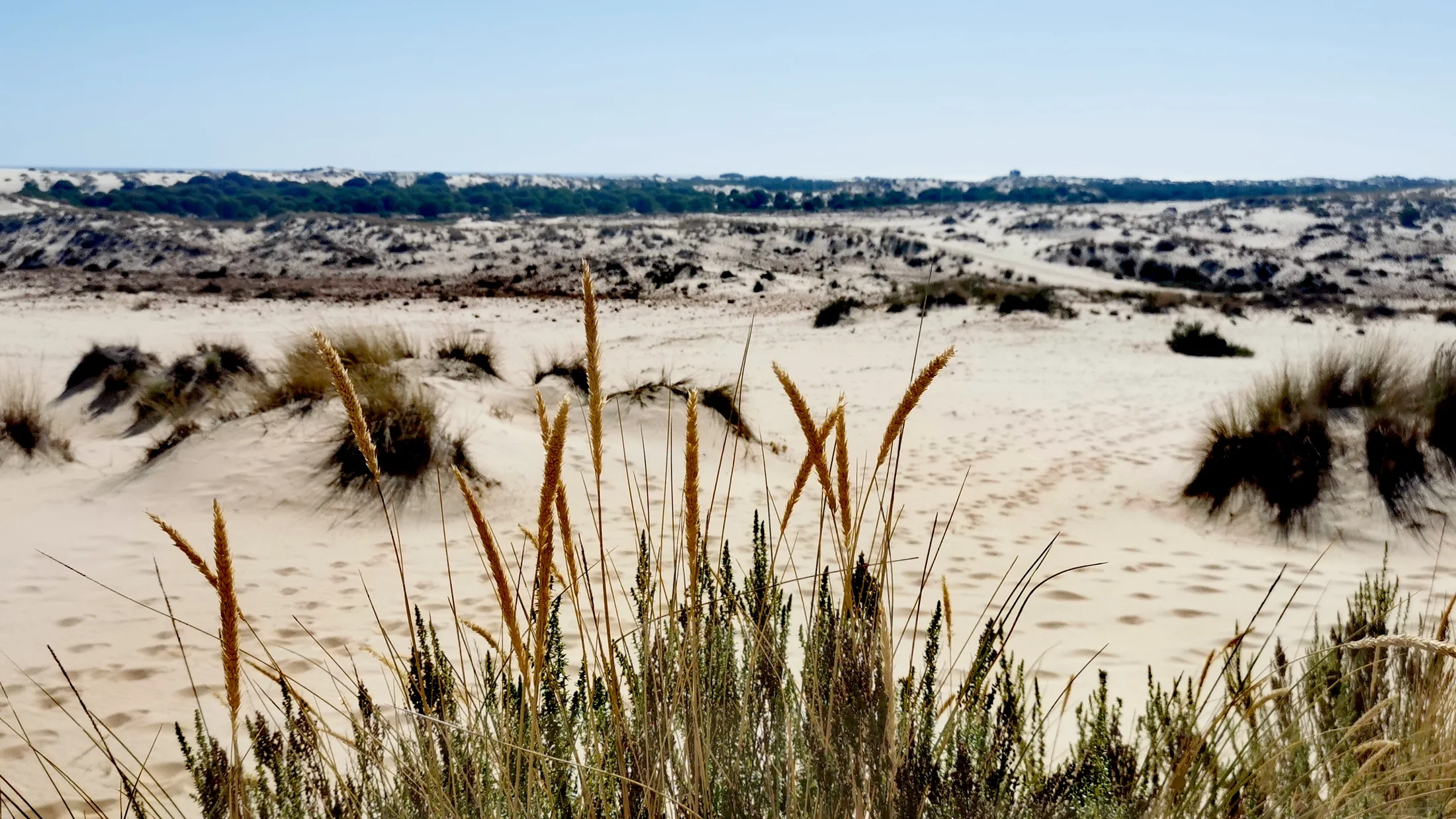
Doñana is Europe’s great wetland, a living delta where Atlantic light pools over marsh and pine. If you want reach and comfort, Doñana 4x4 tours, horseback rides and well-marked footpaths offer three distinct ways to cross this fragile landscape. The National Park covers about 54,252 hectares within a wider protected complex over 120,000 hectares that includes the marshes of the Guadalquivir, shifting dune systems, coastal beaches, and the legendary coto woodlands. You’ll share airspace with more than 300 bird species across the East Atlantic Flyway and step into the range of the Iberian lynx, one of the world’s rarest cats. The breeze smells of salt and rosemary as avocets needle the shallows. Access is tightly regulated to protect breeding and feeding grounds, and that is good news for wildlife and for you. Choose from licensed 4x4 routes that cross multiple habitats, gentle horseback rides along the shore, or short interpretive paths from visitor centers like El Acebuche and La Rocina. Visit with care: stick to marked routes, go with certified guides in sensitive zones, and keep your distance from wildlife. Sources: UNESCO World Heritage Centre (inscribed 1994), Spanish National Parks (OAPN), Junta de Andalucía.
How we picked the routes: safe, low-impact and rewarding
You’ll find only options that are legal, guided where required, and realistic for first-time visitors. We prioritized seasonal access, habitat variety, and a clear chance to see birds and emblematic species without stress. Picture the rattle of a 4x4 over boardwalks and the hush of reeds in a light onshore wind. Use these criteria to choose quickly:
- Seasonality and water levels: spring and autumn peak for birds; winter can be excellent if marshes fill; summer favors dawn/dusk.
- Access rules: core zones require certified guides; beach horseback segments follow tidal windows; hiking stays on signed paths.
- Fitness and time: 4x4 covers more ground in 3–4 hours; horseback rides last 1–2 hours; walks run 30–120 minutes.
- Wildlife goals: birding thrives on 4x4 circuits and hides; lynx is rare but possible at edges with specialist guides.
- Budget: shared tours are cheaper; private or specialist outings cost more; hiking is free near visitor centers. These points will steer you toward a Doñana 4x4 circuit, a coastal horseback ride, or a low-impact walk.
Picuco te puede ayudar
Does something here catch your eye?
Tell us.
Write to us on WhatsApp or email: we answer questions, find the best options and help you sort out the booking.
Quick Choices: 4x4, Horseback Or On Foot?
You can explore Doñana three ways, and the best one depends on how far you want to go, how close you want to feel, and what you hope to see. Think of the marsh at dawn, a silver sheet broken by spoonbills, while you decide what pace suits you best. Here’s a simple comparison to help you commit today.
| Mode | Reach and comfort | Best for | When it shines | Typical price (p.p.) | Notes |
|---|---|---|---|---|---|
| 4x4 (shared) | High reach, shade and seating | First visits, families, photographers | Spring/autumn migrations; winter after rainfall | 35–70 € (3–4 h). Confirm current prices in Picuco or with operators. | Licensed routes only; great for multi-habitat days |
| Horseback | Moderate reach, intimate pace | Couples, sunset seekers, riders | Spring and autumn; summer at dawn/dusk | 35–85 € (1–2 h). Check live availability. | Beach and dune edges; rides for beginners available |
| On foot | Low reach, maximum quiet | Bird hides, patient observers, budget | Year-round; spring for flowers; winter for waterbirds | Free on public trails; guided walks 15–35 €. | Stay on marked paths; bring binoculars |
If your main aim is birds, choose 4x4 for coverage and hides or pair a short walk with a licensed circuit. The creak of reeds and the click of camera shutters blend softly beside the water. Photographers love golden hour horseback rides or first-light 4x4 runs when heat shimmer is low. If you dream of the Iberian lynx, book specialist small-group tours that focus on quiet edges and teach track-reading basics; odds remain slim, but targeted time helps. Families often split a day: a morning 4x4 to understand the mosaic of habitats, then a short boardwalk loop where children can spot egrets on their own. For a light, low-carbon plan, base yourself in El Rocío, walk from visitor centers, and add one shared vehicle tour for deeper access. Make your choice based on water levels, tide and wind forecasts, and how much time you can give the marsh.
Seven Doñana Experiences To Book Or Follow
1.4x4 route — South zone (sanlúcar/bonanza): marshes and river mouth
Choose the south if you want estuaries, beaches, and big horizons in a single half-day. The salt on your lips and the soft hiss of surf frame flocks of sanderlings chasing the ebb. Departures typically meet in Sanlúcar de Barrameda (Bajo de Guía) or nearby Bonanza, with licensed 4x4 vehicles crossing into the protected beach corridor toward the Guadalquivir mouth. Most circuits run 2.5–4 hours and cover beach, mobile dunes, and esteros (tidal creeks), with frequent stops for birds.
What you’ll see and practicals:
- Landscapes: river mouth, Atlantic beach, dune toes, and outer marsh edges.
- Wildlife: terns, oystercatchers, Kentish plovers, osprey in winter, and migrating shorebirds spring/autumn.
- Best time: September–November and March–May for migratory peaks; winter if rainfall has flooded the marsh.
- Prices: 40–70 € per adult (shared vehicle, 3–4 h). Always confirm current Doñana tour prices on Picuco or with the operator.
- Accessibility: minimal walking; steps up into vehicles; shade onboard is common but not universal.
- Bring: hat, sunscreen, windbreaker, closed shoes, and binoculars; a telephoto lens (200–400 mm) pays off.
This route suits first-timers who want a Doñana 4x4 that includes the coast and broad open views. Aim for early or late departures to avoid glare and heat in summer, and check tide tables if your heart is set on long beach segments.
2.4x4 route — North zone (el Rocío/acebuche): inner cotos and birdlife
Head north if your priority is classic marsh vistas, pinewoods, and hides with patient wildlife watching. The resin scent of stone pines mixes with the damp earth of the marisma after rain. Most shared tours depart from El Rocío’s edge or the El Acebuche Visitor Centre, following licensed tracks through cotos (managed pine-oak woodlands), vera (marsh fringe), and open marisma. Expect 3–4 hours with scheduled stops at hides and lookout points.
Why it’s ideal for birders and how to plan:
- Habitats: woodlands, scrub clearings, marsh pools, and floodplains with seasonal lagoons.
- Species: flamingos, spoonbills, glossy ibis, purple heron, red kite, and raptors on migration; deer and wild boar sightings are possible.
- Seasons: peak in spring (nesting, song) and autumn (migration), with excellent winter days if water levels are high.
- Price and rules: 35–65 € per adult for shared departures; Doñana guided tours are mandatory inside core conservation zones.
- Duration/access: 3–4 hours; short walks from vehicles to hides; easy for children over 6 with breaks.
- Tips: bring a compact field guide or bird ID app and avoid strong perfumes to reduce insect attraction.
If you want time in hides and a shot at diverse species in one loop, this is the visit Doñana guided tours are built for. Book sunrise or late afternoon slots to improve light and activity, especially in warmer months.
3.Horseback rides (matalascañas and dunes): beach light and easy pace
Riding by the sea at Matalascañas is Doñana’s classic, slow way to feel the coast and the first fringe of dunes. Hooves drum softly on firm wet sand as gulls lift in loose spirals. Stables near the resort offer short, guided rides for beginners and longer dune-edge outings for experienced riders, often timed for sunrise or sunset to avoid heat and crowds.
What to expect and how to choose:
- Departure points: edges of Matalascañas with direct access to beach and dune corridors, always outside sensitive nesting zones.
- Levels: 1–2 hour beginner-friendly rides at walking pace; longer rides include gentle trot for confident riders.
- Best time: October–May for cool temperatures; in summer, book dawn or late-evening departures.
- Prices: 35–55 € (1 h), 50–85 € (1.5–2 h). Confirm current Doñana horseback riding rates on Picuco before you go.
- Safety: helmets provided; guides set group pace; tide and wind conditions may modify routes for horse and rider comfort.
- Bring: long trousers, closed shoes, light jacket in winter, and sunscreen; small waist pouch for phone/camera.
These routes are perfect for couples, families with teens, and anyone who values contact with landscape over distance covered. If you’ve never ridden, say so at booking; operators commonly match riders to calm horses and keep beach segments within permitted zones and times.
4.Walking routes (el Rocío, Coto Doñana): short trails, timings and permits
If you want to slow down and listen, choose a signed footpath from a visitor center and give yourself an unhurried hour. The reedbeds whisper when a purple swamphen steps through, and your boot creaks lightly on the boardwalk. Near El Rocío, the La Rocina area and the El Acebrón surroundings offer several easy loops with hides and interpretive panels; El Acebuche has flat paths to lagoons where you can sit and scan.
Planning your Doñana hiking:
- Trail types: boardwalks and sandy tracks, 1–5 km, with minimal elevation gain; suitable for most walkers.
- Time and difficulty: 30–120 minutes, easy; many loops can be shortened for small children.
- Wildlife: herons, egrets, marsh harriers, dragonflies; deer at dusk; extremely rare chance of lynx near scrub edges.
- Permits: no permits needed on signed public trails; permits or guided access are required for core zones beyond visitor paths. Check with visitor centers or the Junta de Andalucía before venturing further.
- Essentials: 1–2 liters of water per person in warm months, hat, insect repellent in late spring, and binoculars.
- Etiquette: keep to trails, whisper in hides, and observe minimum distances from animals; drones are prohibited in protected zones.
Guided walks (1.5–3 hours) led by local naturalists are a smart middle ground if you want deeper context without a 4x4. Ask specifically for Doñana guided tours that include time inside hides and basic bird ID coaching.
5.Combos and specialist tours (4x4 + tasting, birding intensives, lynx focus)
If you like a theme day, combine habitats and culture or book a specialist guide for a single objective. A warm almond note rises from the scrub as a bee-eater trills overhead. Popular combos pair a half-day 4x4 with a local tasting in the sherry triangle, a full day focused on birding with a scope, or a targeted lynx session on park edges and adjacent estates.
How these work and who they suit:
- 4x4 + tasting: morning marsh and dunes, afternoon cellar visit in nearby wine towns; 6–8 hours door to door.
- Birding intensives: small groups (4–8), guide brings scope and checklists; target species by season; 6–9 hours with picnic stops.
- Lynx focus: dawn and dusk stakes at known corridors, track-sign reading, and quiet optics; 4–6 hours split in two sessions; sightings never guaranteed.
- Prices: 70–120 € p.p. (combos with tasting); 90–150 € p.p. (birding days); 120–200 € p.p. (lynx specialist, very small groups). Always verify Doñana tour prices for your exact date.
- Inclusions: transport within the activity, guide, optics for shared use, and sometimes snacks; tasting fees vary.
- Best time: spring and autumn for birding; late winter–spring for peak lynx movement on the edges; avoid mid-day heat in summer.
Choose a combo if you want a structured day that reduces transfers and logistics while maximizing habitat variety. It’s also a great way to support local communities through food and wine stops that tell the human story of this landscape.
6.Private tours and restricted access: when they’re worth it and how to book
Private tours buy you light, silence, and the power to linger. The first frost of dawn tingles on your fingers as cranes trumpet from the marsh. These outings use licensed tracks in limited-access zones or run at unconventional hours—sunrise, late evening, even occasional night safaris focused on soundscapes and star fields near the coast. They’re not essential for a first visit, but they elevate your odds of meaningful encounters.
What to know before you invest:
- Formats: private vehicle with a guide-naturalist, custom route and timing; options for sunrise, sunset, or seasonal targets.
- Access: some sectors are quota-limited and require advance permits handled by the guide or agency.
- Prices: 180–400 € per vehicle for a 3–4 hour block; 90–160 € p.p. if priced per person in very small groups.
- Benefits: flexible pacing, better placement for photography, and improved chances to see shy species without crowding.
- Booking: contact local agencies well ahead for high season (March–May, September–November) and holidays; visits to Doñana from El Rocío are especially in demand around pilgrimages and weekends.
- Readiness: confirm vehicle type (open vs. closed), language, optics provided, and pickup location.
Choose private if you’re a keen photographer, traveling with small children and need full flexibility, or chasing a specific target list. Ask for contingency plans if water levels or weather shift.
7.Self-guided options and strategic rural stays
A self-guided plan gives you freedom to roam visitor paths, sit longer in hides, and set your own meal times. The scent of woodsmoke and orange blossom drifts through village streets at dusk. Base yourself close to trailheads to cut driving and increase golden-hour time in the marsh.
Three easy self-guided bases:
- El Rocío: park on sandy streets and walk to marisma viewpoints and La Rocina/El Acebrón loops; short drives to El Acebuche.
- Matalascañas: combine dawn beach walks with a late-morning visitor-center loop; add a sunset horseback ride.
- Sanlúcar/Bonanza: explore saltpans and riverside promenades, then join a south-zone shared 4x4 for dunes and beaches.
Planning tips and where to sleep:
- Itinerary sketch: day 1 walk El Acebuche loops (2–3 h) + afternoon 4x4 north zone; day 2 dawn horseback ride + free time on beach + evening boardwalk near El Rocío; day 3 south-zone 4x4 or birding intensive.
- Permits and safety: stay on public trails; never drive unauthorized sandy tracks; check daily fire risk in summer.
- Rural stays: look for family-run guesthouses, country inns, or casas rurales around Almonte, Villamanrique de la Condesa, and the outskirts of Sanlúcar to support local hosts.
- Essentials: bring your own binoculars and a small field guide; carry cash for rural cafés that fuel early starts.
Use Picuco to compare activity slots and align them with tides, sunrise times, and your chosen base town, then lock in just one vehicle tour to complement your walks.
Key Starting Points And How To Reach Them
Understanding where tours start saves time and stress on the day. Dust hangs briefly in the air as vans roll out and swallows scissor overhead. The three hubs are Sanlúcar de Barrameda (south access), El Rocío/El Acebuche (north and interior), and Matalascañas (coastal rides and western visitor paths).
Getting there and parking:
- By road: from Seville, reach El Rocío via the
A-49to Almonte and theA-483(about 75–85 km, 1–1.5 h). For Matalascañas, continue onA-483. To Sanlúcar, takeAP-4/A-4thenA-480/A-471(about 115 km from Seville, 1.5 h). - By train/bus: nearest rail hub for Sanlúcar is Jerez de la Frontera; transfer by bus or taxi. For El Rocío/Matalascañas, regional buses run from Seville and Huelva seasonally; confirm schedules in advance.
- Parking: El Acebuche and La Rocina visitor centers have free lots; El Rocío offers street parking on sandy avenues; Sanlúcar’s Bajo de Guía has public parking near the riverfront.
- Meeting points and coordinates (approximate): El Rocío
37.132°N, 6.488°W; El Acebuche37.095°N, 6.543°W; Matalascañas37.003°N, 6.555°W; Sanlúcar Bajo de Guía36.778°N, 6.351°W.
Plan to arrive 20–30 minutes early to handle check-in and bathroom breaks, and consider offline maps if mobile signal drops in rural stretches. Include a simple map in your trip folder marking meeting points and your parking choices.
Permits, Seasons, Gear, Sustainability And Safety
Doñana’s rules are designed to let you in while keeping nests and feeding grounds safe. The faint crunch of salt underfoot reminds you that this is a living wetland, not a theme park. Know when you need a guide and what to bring so you can relax and watch.
Permits and access essentials:
- Public trails at visitor centers are open without permits; check seasonal closures during high fire risk.
- Core conservation zones require certified Doñana guided tours by 4x4 or on foot with authorized staff.
- Special activities (night outings, restricted tracks) use quota systems; guides handle permits but need advance notice.
Best times by goal:
- Birds: March–May and September–November are top; winter (December–February) can be superb after rains fill the marisma.
- Lynx: late winter to spring offers slightly better odds on edges, never guaranteed.
- Horseback/beach: October–May are comfortable; in summer, stick to dawn/dusk and watch tides and wind.
What to pack by activity:
- 4x4: hat, sunglasses, light jacket, 1 liter of water, binoculars, and camera strap; soft-soled shoes.
- Horseback: helmet provided; wear long trousers, closed shoes, thin gloves in cool months, and sunscreen.
- Hiking: 1–2 liters of water, brimmed hat, insect repellent in late spring, compact first-aid kit, binoculars, and a small torch for pre-dawn walks.
Sustainability and etiquette:
- Keep 50–100 meters from large flocks; never bait or call wildlife.
- Stay on tracks; dune vegetation is fragile, and off-trail footsteps compound quickly.
- Pack out all waste; avoid single-use plastics; refill at visitor centers.
- Sound carries: stay soft-voiced near hides and breeding areas.
Safety for vehicles and riders:
- 4x4: buckle up; keep limbs inside; secure bags; listen to your guide during soft-sand sections and wildlife stops.
- Horseback: follow mounting instructions; keep spacing between horses; dismount only when told; rides may be adjusted or canceled for wind, heat, or storms.
- Weather: summer heat and winter storms both happen—carry layers, check hourly forecasts, and flex your timing.
Responsible visit reminder
Drones are prohibited, pets are restricted in many areas, and smoking is banned in and near forest and scrub. Ask at visitor centers for current advisories.
Frequently Asked Questions
How do I book tours and which departures fill first?
Shared 4x4 circuits and sunset horseback rides fill fastest in spring and autumn, especially on weekends and holidays. Reserve at least a week ahead in shoulder season and longer in peak periods, and compare options and times in Picuco to match tides, sunrise, and your base town.
What are typical cancellation and weather policies?
Most operators allow free cancellation up to 24–48 hours before departure and will reschedule or refund if weather makes the route unsafe. Read terms at booking and keep a backup plan—swapping a sunset beach ride for a morning walk can save the day.
Is Doñana accessible for travelers with reduced mobility?
Some 4x4 vehicles accept foldable wheelchairs, and several hides near visitor centers have ramps and level boardwalks. Tell the operator your needs in advance so they can assign suitable vehicles and stops, and aim for departures from El Acebuche or El Rocío where facilities are concentrated.
What are my real chances of seeing the Iberian lynx?
Sightings inside the National Park are rare and never guaranteed; lynx roam large territories and avoid disturbance. A specialist small-group tour at dawn/dusk on the park’s edges slightly improves odds, but go for the landscape and birds first and treat any lynx encounter as a gift.
What should I bring for bird photography?
A 300–400 mm lens, beanbag or compact clamp for hides, extra batteries, and a microfiber cloth for salt spray are ideal. Soft colors and quiet zippers help you blend in, and guides can suggest respectful distances for each species.
Are tours suitable for children?
Yes—shared 4x4 circuits with frequent stops work well for ages 6+, and many horseback operators offer gentle, short rides for families. Bring snacks, water, and a small field guide so kids can “tick” species at hides.
What happens if water levels are low?
Routes adapt to the best remaining pools and vera edges, and birding can shift toward raptors and waders. In drought years, prioritize early morning outings and consider specialist guides who know productive microhabitats.
Book your experience — find verified wildlife and outdoor activities across Spain with trusted local providers on Picuco.
Conclusion
Three ways in—Doñana 4x4 for reach, horseback for romance, and footpaths for quiet—let you shape the wetland to your pace. The low whistle of wind through reeds is your cue to slow down and look closer. If this is your first visit, pair a morning 4x4 from El Rocío or Sanlúcar with an afternoon boardwalk loop; couples often add a sunset ride from Matalascañas; committed birders choose a specialist day with a scope. Families thrive on short stops, nearby facilities, and early starts that beat the heat and the glare. Whatever you pick, check water levels, tides, and seasonal closures, and keep a soft footprint that honors the people who live beside these marshes and the species that depend on them. Choose a rural base close to the trailheads, confirm your times a day before, and carry simple essentials so all your attention can rest on what matters: the sweep of sky, the moving water, and the life that stitches them together.