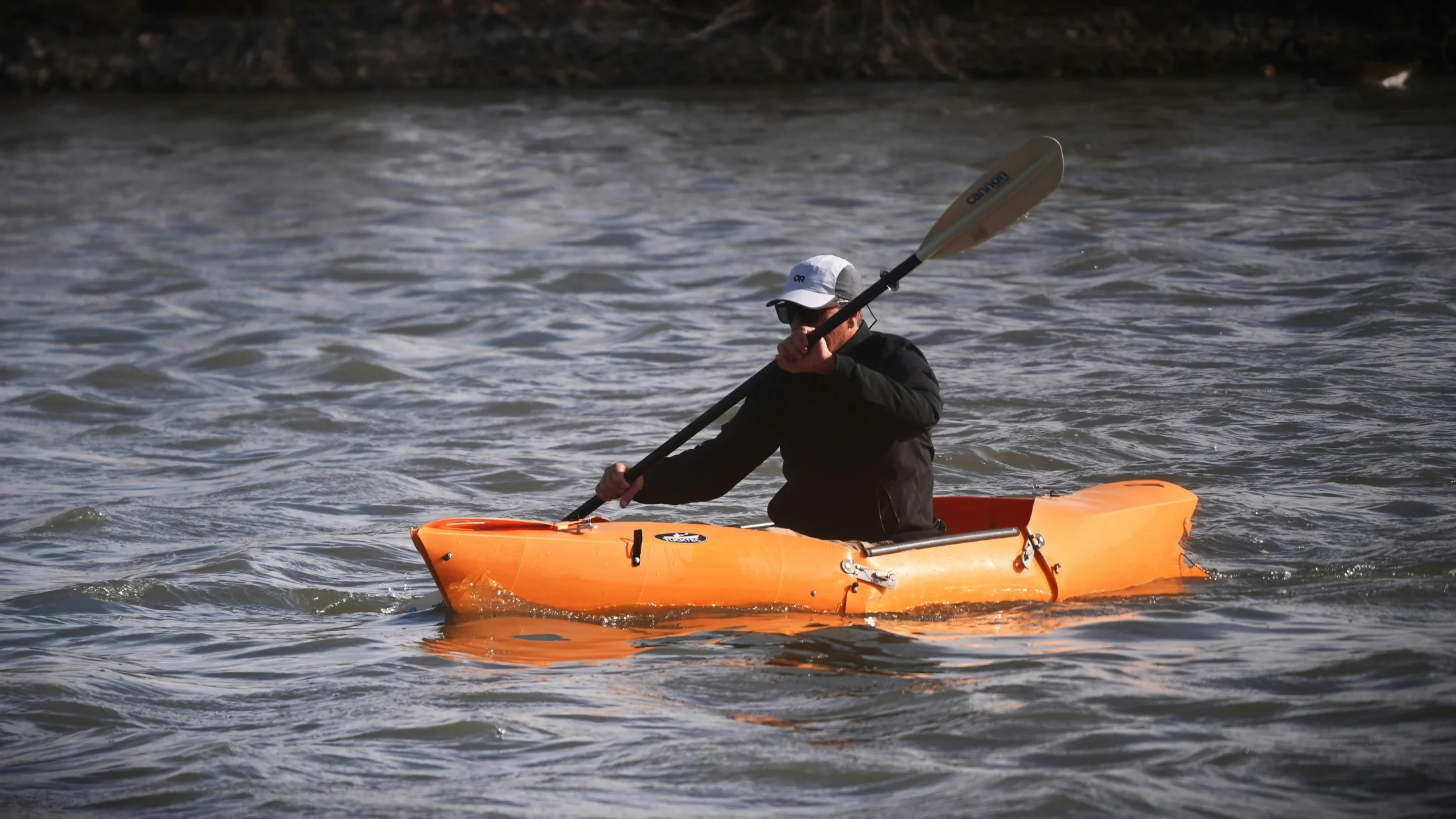
A Gentle Start: Where Beginner Paddlers Can Thrive
Kayaking is easier than you think when you pick waters that forgive first strokes. This guide spotlights beginner kayak routes Spain newcomers can enjoy safely, with short distances, easy access, and calm conditions. Picture your bow sliding across glassy water as swallows skim the surface.
You’ll find 10 easy kayak trips Spain-wide, split across slow rivers, reservoirs, estuaries, and sheltered coastline. We chose them for low technical demands, predictable conditions, nearby kayak rentals Spain, and scenic value. Expect clear logistics, seasons, safety notes, and family-friendly options that suit your rhythm. Use the quick facts and local tips to plan a first outing that feels relaxed, not rushed.
What ‘beginner friendly’ really means
Start on Class I rivers (slow current, no obstacles), reservoirs (still water), protected rías/estuaries (tide-affected but calm), or tucked-away coves on quiet coasts. That combination limits capsizes, navigation complexity, and fatigue. Think of water like a moving walkway: the slower it moves, the more control you have.
Common risks are simple to manage: sudden gusts on open water, faster current after rains, cold water in spring, and tide or wind-driven drift near inlets. Choosing easy routes keeps skills-building fun and reduces surprises. If you’re exploring river kayaking Spain for the first time, go short, go sheltered, and go with a plan. If you’re drawn to sea kayaking Spain, hug the shore and skip windy afternoons.
These picks also echo what readers search for—rutas de kayak España, kayak fácil España, and especially kayak routes Asturias—because they combine access, scenery, and supportive local communities. You’ll paddle through landscapes shaped by farmers, fishers, and park rangers who care for these waters.
What you’ll find below
Each route includes a short description, distance/time, best season, access and parking, options for rentals or guides, safety notes, and nearby things to do. Use the “Quick facts” bullets to compare at a glance. A location map helps you estimate travel times and select put-ins. One equipment list, a how-to choose section, and FAQs round things out. Pack a snack, check the weather, and keep reading to pick your first paddle with confidence.
Picuco te puede ayudar
Does something here catch your eye?
Tell us.
Write to us on WhatsApp or email: we answer questions, find the best options and help you sort out the booking.
10 Easy Kayak Routes for First-timers in Spain
1) Hoces del Duratón (segovia): quiet canyons and soaring vultures
High limestone walls and wide, reservoir-backed bends make this classic canyon relaxing for a first paddle. Expect flat, slow-moving water with calm eddies and the distant rustle of wings as griffon vultures circle above.
- Quick facts:
- Distance/time: 6–10 km out-and-back; 2–3 hours at an easy pace
- Water type: Still/very slow (reservoir influence)
- Difficulty: Beginner (Class I)
- Best time: Mid/late spring to early autumn; mornings for calmer winds
- Access and logistics:
- Usual launches near San Miguel de Bernuy or the Burgomillodo reservoir edge; roadside parking areas exist near put-ins.
- The natural park has seasonal restrictions and access rules; check the park’s official site before launching.
- Rentals and guides:
- Seasonal outfitters operate around Sepúlveda/San Miguel de Bernuy with sit-on-top kayaks and buoyancy aids; return to base is simple.
- Expect 20–35 € p.p. for 2–3 hours; confirm current prices with operators or via Picuco.
- Safety and extras:
- Watch for cool water in spring and breezes funneled by the canyon.
- Binoculars add a lot—vulture nests, herons, and cliff flora are easy rewards.
- Combine with short hikes to viewpoints and lunch in Sepúlveda’s historic center.
This pick appears on many rutas de kayak España lists because it’s scenic, sheltered, and kind to first-timers.
2) Descenso del Sella (asturias): the classic, on its easiest stretch
The Sella is famous, but you don’t need to do the full descent to enjoy it as a beginner. Choose a short section with gentle riffles and calm pools, and listen to your paddle drip steady as you float past riverside meadows.
- Quick facts:
- Distance/time: 7–12 km; 2–3.5 hours depending on stops
- Water type: Slow river with small wave trains in places
- Difficulty: Beginner (Class I with a few easy Class I+ features in summer levels)
- Best time: Late spring to early autumn; weekdays to avoid crowds
- Access and logistics:
- Popular put-ins near Arriondas; many operators let you land at several take-outs and shuttle you back.
- Parking at operator bases; changing rooms and picnic spots are common.
- Rentals and guides:
- Numerous local companies offer sit-on-top kayaks, basic instruction, and return transport.
- Typical pricing 25–40 € p.p. depending on distance; confirm current rates with operators or on Picuco.
- Safety and extras:
- In summer, flows are low and features are forgiving; still, follow the recommended route around shallow bars.
- Families often choose tandem kayaks; brief stops at river beaches keep kids happy.
- Finish with cider and a stroll in Ribadesella’s old quarter.
As one of the best-known kayak routes Asturias offers, it’s popular but manageable when you go short and early.
3) Ría de Villaviciosa (asturias): protected estuary and birdlife
Sheltered channels and wide saltmarsh flats make this estuary perfect for a calm, tide-timed paddle. When the tide slackens, the surface turns to polished pewter and waders stitch the shallows with delicate steps.
- Quick facts:
- Distance/time: 6–10 km; 2–3 hours timed around high tide
- Water type: Tidal estuary; mostly flat with gentle flow near inlets
- Difficulty: Beginner with tide awareness
- Best time: All year with good weather; spring and autumn for migration birdlife
- Access and logistics:
- Common launches near Villaviciosa town and El Puntal area; parking along signed access points.
- Plan to start 60–90 minutes before high tide to enjoy assistance both ways or minimal flow.
- Rentals and guides:
- Local operators run guided nature paddles and short rentals with basic briefings on tide and bird zones.
- Expect 25–40 € p.p.; confirm current pricing with operators or via Picuco.
- Safety and extras:
- Keep distance from protected roosts; bring a camera with a telephoto for herons, egrets, and curlews.
- Winds funnel along the channel in afternoons—mornings are calmer.
- Combine with an easy village lunch and a coastal walk toward Rodiles beach.
If you crave kayak fácil España with wildlife, this estuary balances ease, learning, and scenery.
4) Cabo de Gata (almería): gentle coves and clear-water snorkel stops
Pick a calm morning and hug the shoreline from San José to tucked-away coves for a first taste of sea kayaking. The water often looks like liquid turquoise over pale sand, and your hull whispers on tiny ripples.
- Quick facts:
- Distance/time: 4–8 km; 2–3 hours with swim/snorkel breaks
- Water type: Sheltered coastal coves; avoid headlands in wind
- Difficulty: Beginner in calm seas (Beaufort
Bft 2–3or below) - Best time: May–June and September–October; early mornings year-round
- Access and logistics:
- Easy parking and beach launches in San José; basic facilities and cafés nearby.
- Choose out-and-back routes skirting Playa de los Genoveses or Cala Higuera on low-wind days.
- Rentals and guides:
- Seasonal outfitters in San José and nearby villages provide sit-on-top kayaks and guided coastal tours.
- Rentals/guided 30–60 € p.p. depending on duration; confirm current prices with operators or on Picuco.
- Safety and extras:
- Wear your PFD, stay within 150–200 m of the shore, and skip days with strong Levante winds.
- Pack a mask and tube—fish shimmer over seagrass meadows in the marine reserve.
- Respect no-anchoring zones and fragile posidonia beds.
This is kayak costa España at its gentlest: short distances, warm water, and protected coves that build confidence.
5) Ría de Arousa (pontevedra/a Coruña): island views and seafood culture
Calm channels between islets and sheltered shorelines offer relaxed paddling and a front-row seat to Galicia’s shellfish traditions. On settled days, the bay mirrors rafts of bateas and the faint clink of gear on small boats.
- Quick facts:
- Distance/time: 5–10 km; 2–3 hours with café stops
- Water type: Large estuary; choose leeward shores and slack tide
- Difficulty: Beginner with tide/wind awareness
- Best time: Late spring to early autumn; mornings for light winds
- Access and logistics:
- Good launches at A Illa de Arousa and O Grove; parking and services close to beaches.
- Time outings near slack tide to ease crossings and reduce drift.
- Rentals and guides:
- Local operators offer short coastal tours, rentals, and seafood-themed outings with shore tastings.
- Expect 25–50 € p.p.; confirm current prices with operators or via Picuco.
- Safety and extras:
- Stay clear of working bateas and give way to small fishing craft.
- Watch sea breezes after midday; choose routes with easy landings every 1–2 km.
- Pair your paddle with a market visit or a simple mariscada to support local fishers.
These easy kayak trips Spain-wide feel richest when they connect you to the people who live from and care for the water.
6) Río Miño (galicia): border river on a mellow stretch
Between Tui and Goián, the Miño widens into gentle reaches with wooded banks and sporadic sandy edges. In summer’s low flows, it moves like a slow conveyor belt and dragonflies stitch blue lines above the current.
- Quick facts:
- Distance/time: 6–12 km; 2–3.5 hours depending on shuttle options
- Water type: Slow river; backwaters in meanders
- Difficulty: Beginner (Class I)
- Best time: Late spring to early autumn; avoid spate after heavy rain
- Access and logistics:
- Typical put-ins near Tui with take-outs downstream; riverside parking in town areas.
- If you self-shuttle, confirm where you can legally park near take-outs.
- Rentals and guides:
- Seasonal operators provide boats, PFDs, basic instruction, and shuttle services.
- Pricing 25–45 € p.p.; confirm current rates with operators or on Picuco.
- Safety and extras:
- Watch for gentle eddy lines and light headwinds on wider sections.
- Downstream weirs and dams exist on the Miño; stay within recommended beginner reaches.
- Combine with a walk in Tui’s cathedral quarter or a riverside picnic on the Portuguese bank.
The Miño’s scale makes river kayaking Spain feel spacious yet simple, ideal for your first downstream glide.
7) Embalse del Burguillo (ávila): still water with Sierra de Gredos views
Reservoirs remove current from the equation, turning balance and basic strokes into an easy win. Early or late in the day, the surface turns copper under Gredos peaks and your bow wake sketches tidy V shapes.
- Quick facts:
- Distance/time: 4–8 km circular; 1.5–3 hours at relaxed effort
- Water type: Still reservoir with occasional breeze
- Difficulty: Beginner
- Best time: Late spring to early autumn; mornings to avoid wind and heat
- Access and logistics:
- Beach-style launches around popular recreation areas; parking along the shore.
- Some zones may be restricted for nesting or safety near the dam—obey local signage.
- Rentals and guides:
- Summer rentals supply sit-on-tops, paddles, and buoyancy aids; short briefings included.
- Expect 15–30 € p.p. for 1.5–3 hours; confirm current prices with operators or via Picuco.
- Safety and extras:
- Sun is intense; bring brimmed hats, long sleeves, and plenty of water.
- Afternoon thermals can raise small chop—turn back before conditions change.
- Pair with a swim, riverside barbecue areas, or a short drive to Gredos foothill villages.
Reservoirs are the most forgiving classroom for first strokes and small group outings.
8) Río Tormes near Ledesma (salamanca): gentle current and heritage
A short downstream paddle near Ledesma offers easy moving water, rural scenery, and time to admire historic stonework. As you glide past poplars, your paddle catches sun-flashes like coins tossed on the riverbed.
- Quick facts:
- Distance/time: 6–10 km; 2–3 hours
- Water type: Slow river with long, quiet pools and short shallow riffles
- Difficulty: Beginner (Class I in summer)
- Best time: Late spring to early autumn; lowest flows and gentlest features in summer
- Access and logistics:
- Launches near bridges/outskirts of Ledesma; small parking areas and easy bank access.
- Consider a one-way trip with pre-arranged pickup downstream.
- Rentals and guides:
- Seasonal services rent boats and provide shuttles on the Tormes around Salamanca province.
- Expect 20–40 € p.p.; confirm current pricing with operators or on Picuco.
- Safety and extras:
- After rains, flows can rise quickly—newcomers should reschedule if water runs high or turbid.
- Keep a safe distance from low weirs; follow local advice on portage points if any.
- Explore Ledesma’s medieval bridge, plaza, and café terraces before or after paddling.
This is a great example of how rutas de kayak España blend nature, history, and slow travel.
9) Urban Guadalquivir (seville): a city paddle for first timers
Within the Seville city reach, the Guadalquivir is canalized and largely wind-sheltered, perfect for short, supervised paddles. At golden hour, the river glows and the Torre del Oro slides by like a stage set.
- Quick facts:
- Distance/time: 4–6 km; 1.5–2 hours
- Water type: Canalized river; minimal current; occasional training boat waves
- Difficulty: Beginner
- Best time: Year-round; dawn and dusk for light, cooler air
- Access and logistics:
- Central riverbanks with steps/ramps offer easy put-ins managed by clubs or outfitters.
- Public transport and paid parking are available near launch zones.
- Rentals and guides:
- City-based operators provide instruction, guided tours, and stable sit-on-top kayaks.
- Pricing 20–40 € p.p.; confirm current rates with operators or via Picuco.
- Safety and extras:
- Keep to the right (starboard) and yield to rowing shells and motor craft.
- Wear high-visibility layers at dusk; bring a small light if regulations require.
- See Triana from water level and pair the paddle with tapas in historic bars.
For kayak fácil España with zero wilderness logistics, Seville’s riverfront is hard to beat.
10) Canchos de Ramiro (cáceres): still pools and quiet cliffs
This protected gorge section offers tranquil pools at summer levels and stately rock walls with nesting raptors overhead. When the river slows into backwaters, the silence feels like felt laid over the landscape.
- Quick facts:
- Distance/time: 4–8 km; 2–3 hours with birdwatch stops
- Water type: Slow river/backwaters; variable with reservoir levels
- Difficulty: Beginner in low-flow periods
- Best time: Late spring to early autumn; avoid spate after sustained rains
- Access and logistics:
- Rural tracks lead to unofficial pull-offs and small parking areas near established put-ins; drive slowly and respect closures.
- Self-reliant logistics or pre-arranged local guidance recommended due to limited services.
- Rentals and guides:
- In-season, operators from nearby towns may offer guided nature paddles; availability varies—plan ahead.
- Budget 25–45 € p.p.; confirm current pricing with operators or via Picuco.
- Safety and extras:
- Rock walls and submerged stones can be slippery—enter/exit with care and sturdy footwear.
- Bird colonies are sensitive; keep distance and speak quietly.
- Combine with village visits and local produce tastings to support the rural economy.
Calm, scenic, and uncrowded, it’s a thoughtful choice for first-timers who value solitude and nature.
Map of Where You’ll Paddle
Use the route map to spot put-ins, take-outs, and nearby services for all 10 locations, from Segovia’s canyons to Asturias’ estuaries and Andalusia’s coastline. Visualize driving times, then layer in wind and tide forecasts before you commit. Imagine tracing your finger along the blue line and seeing the day take shape.
Each marker includes the water type (river, reservoir, ría, coast) and a short note on season and distance. Toggle satellite view to identify beaches or ramps, and note alternate exits every 2–4 km for conservative turnarounds. If you plan with friends, share the map and agree on a meeting point, bailout spots, and coffee stops nearby. For local rules, look up the official natural park or municipality page referenced in the route notes.
How to Pick Your First Route: Level, Logistics, and Safety
Choose short, calm, and close-to-shore. That simple filter turns a maybe-day into a sure thing. Think of each factor—flow, wind, distance, and access—as dials you keep turned down for outing number one.
- Flow and grade:
- Favour Class I rivers (slow current, small waves) and still reservoirs. Skip rivers after heavy rain.
- For rías and coasts, plan around slack tide to minimize drift near inlets.
- Wind and fetch:
- Keep wind under 15–20 km/h (about 8–11 knots; a knot is 1.852 km/h), and avoid long open crossings where waves can build.
- Mornings are typically calmer; check multiple forecast sources.
- Duration and distance:
- Start with 4–8 km or 1.5–3 hours including breaks. Turn around early if energy dips or wind rises.
- Access and services:
- Prioritize launches with parking, toilets, and multiple exit points every 2–4 km.
- In cities or popular resorts, rentals simplify shuttles and gear.
- River vs reservoir vs ría vs coast:
- River: moving water helps you along but demands hazard awareness (weirs, strainers).
- Reservoir: the easiest classroom; watch sun and afternoon breeze.
- Ría: calm if you time the tide; know flood vs ebb directions.
- Coast: safest inside sheltered coves; stay within 150–200 m of shore.
- Permissions and insurance:
- Some natural parks require navigation permits or limit seasons. Check park notices and municipal rules.
- Ask rentals about liability insurance, safety briefings, and guide-to-client ratios.
One crisp sensory cue seals the plan: if whitecaps dot the water like salt, save it for another day.
What to Bring for a Beginner-friendly Paddle
Pack light but smart so comfort and safety are automatic. Lay items out the night before and you’ll arrive calm. The cool feel of a dipped blade and a drybag that actually stays dry set the tone for the day.
- Essentials:
- Buoyancy aid (PFD) sized and cinched correctly—wear it, don’t sit on it.
- Paddle sized for your height; rentals will fit you on site.
- Quick-dry layers, windproof top, and hat; add a light fleece in spring.
- Closed-toe water shoes for grip on rocks and ramps.
- Sun protection: high-SPF sunscreen, sunglasses with retainer, and a brimmed cap.
- 10–20 L drybag or barrel for phone, snacks, and spare layer; double-check seal.
- Whistle for signaling; three sharp blasts = help needed.
- Small first-aid kit: plasters, blister care, pain relief, personal meds.
- Hydration: 1–1.5 L water per person; more in summer.
- Nice-to-haves:
- Lightweight towel, compact throwline (basic rope), and a simple repair tape.
- Phone in waterproof case with offline map and emergency numbers.
- Camera or action cam with float strap.
- Rent vs buy:
- On first outings, lean on kayak rentals Spain for boat, paddle, and PFD; most add a basic briefing.
- Buy personal comfort items—sun gear, footwear, and a drybag—so you always feel ready.
Pack by zones (on-body, on-deck, in-drybag) to avoid rummaging and keep the cockpit tidy.
Practical Tips: Rentals, Guides, and When to Go
A good rental or guide smooths out 80% of first-day friction. Choose providers who brief you on route, hazards, wind/tide, and exits. Hearing a local voice point to safe turnarounds is worth its weight in daylight.
- How to choose:
- Ask about insurance, safety equipment, maximum group size, and guide qualifications.
- Confirm what’s included: PFD, paddle, drybag, wetsuit (in spring), and return transport for river trips.
- Check cancellation policies for weather-related changes.
- Costs and booking:
- Expect 15–30 € for short reservoir sessions; 20–45 € for river or ría routes; 30–60 € for coastal guided tours.
- Book 1–2 weeks ahead in summer and holidays; midweek slots are easier.
- Best times:
- Rivers: summer low flows are friendlier; avoid days after heavy rain.
- Reservoirs: almost year-round; mornings beat wind and heat.
- Rías/coast: spring and autumn for mild weather; mornings for lighter winds and better visibility.
- Families and groups:
- Tandem kayaks reduce fatigue and keep kids engaged; plan beach/play stops every 45–60 minutes.
- Agree on basic signals and regroup rules before launching.
One last sensory check: if trees on the far bank sway steadily, wind will feel stronger on the water—go earlier or go shorter.
Frequently Asked Questions
Do I need to book in advance, and what about cancellations?
In summer and holidays, yes—book 1–2 weeks ahead for specific time slots and shuttles. Ask about weather cancellations and refunds or free rescheduling, as responsible operators don’t launch in unsafe conditions.
Are children allowed, and what is the minimum age?
Most providers accept children from 6–8 years in tandems with an adult, provided they wear a fitted PFD. Choose short, sheltered routes with easy landings and frequent rest stops.
Can I bring my dog?
Some rentals allow dogs on sit-on-tops if your pet is calm and leashed at put-ins; bring a canine PFD if possible. Avoid busy docks and hot decks, and keep sessions short.
Do I need to know how to swim?
Basic water confidence is strongly recommended, even with a PFD. If you’re not a confident swimmer, choose guided trips on still water, stay near shore, and practice re-entry in shallow areas.
What happens if weather or river flow changes?
Operators monitor forecasts and gauges; they may shorten, reroute, or cancel for safety. If self-planning, set a turn-back time and be willing to pivot to a reservoir or a café if conditions deteriorate.
Is kayaking safe for beginners?
Yes, when you match route to conditions, wear a PFD, and keep distances/time modest. The safest setup is a guided or rental-based outing on still water or a gentle river at summer levels.
Book your experience — discover active travel in Spain with Picuco-verified providers.
Conclusion
Start small, stay sheltered, and tie your plan to wind and water, not the clock. These 10 picks deliver beginner kayak routes Spain newcomers can trust—short distances, straightforward access, supportive rentals, and scenery that rewards every stroke. Picture a calm launch, a relaxed mid-river pause, and an easy take-out with time left for a village lunch.
Next steps are simple: check availability with local operators or on Picuco, pick a morning slot, and reserve the gear you don’t own yet. If you want a confidence boost, join a guided short outing before paddling independently. Spain’s rivers, reservoirs, rías, and coves are ready—choose one, and make your first paddle the start of many.