Highlights

  • • Founded in the 15th century on Isla de la Cartuja
  • • Site where Columbus prepared his second voyage
  • • Examples of Gothic, Renaissance, and Baroque architecture
  • • Home to the Centro Andaluz de Arte Contemporáneo
  • • Historic cloisters and chapels open to visitors
  • • Free entry with some paid temporary exhibitions

Description

The Monasterio de la Cartuja de Sevilla is a monumental complex founded in the 15th century, located on the Isla de la Cartuja, a site nestled between the Guadalquivir and Guadaíra rivers. Originally a Carthusian monastery, it was a place of seclusion and contemplation that has undergone various transformations over time. Historically, this monastery was both a strategic and spiritual point, linked to Christopher Columbus, who used it to prepare for his second voyage to the New World.

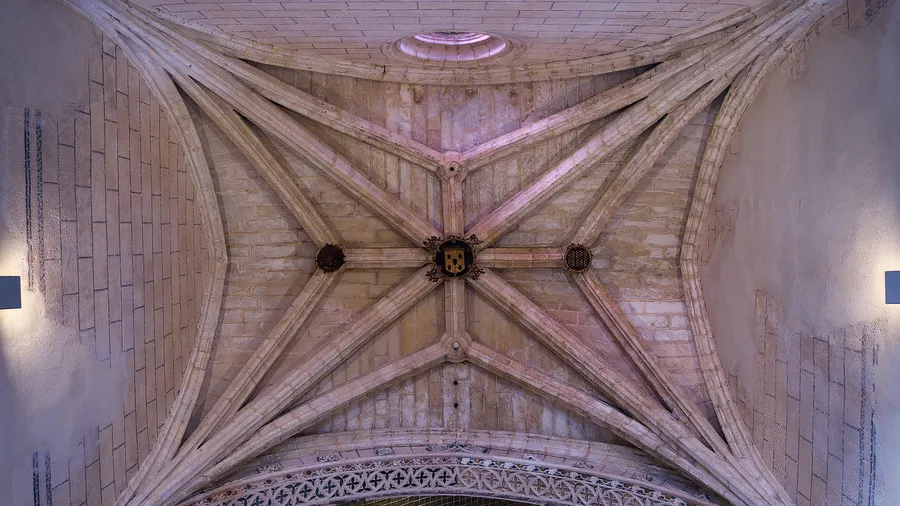
Visitors can explore its cloisters, chapels, and rooms that preserve Gothic, Renaissance, and Baroque elements. Highlights include the main church with its altarpiece and sacristy, as well as spaces now hosting exhibitions of the Centro Andaluz de Arte Contemporáneo (CAAC). This cultural center offers a fascinating blend of historic architecture and contemporary art, featuring works by Andalusian and national artists that engage with the environment.

The monastery’s historical context reflects Seville’s evolution from the Middle Ages to today. It served as a religious retreat and a support point for maritime expeditions during the Age of Discovery. After 19th-century confiscations, it fell into neglect until the 20th century, when it was restored for cultural use, becoming a key venue for contemporary art in Andalusia.

For practical visits, the complex is accessible, with signage and adapted spaces. It is recommended to spend 2 to 3 hours to explore both the historic heritage and current exhibitions. Entry is free, though some temporary exhibitions may require a ticket. The site suits visitors interested in history, art, and architecture. Visits with children and pets are allowed, respecting center rules. Accessibility is moderate, with ramps and facilities in some areas but limitations in historic zones.

Key Information

Visit Duration

2-3 hours

Recommended Seasons

Spring, Autumn

Pricing

Free

Accessibility

Medium

Kid-Friendly Pet-Friendly Booking Required

Guide

Essential information for visiting Seville Charterhouse

Location

In this area

Practical Information
Pricing
Free
Visit Duration
2-3 hours
Features & Services
  • Accessibility:Medium
  • Kid-Friendly:Yes
  • Pet-Friendly:Yes
  • Booking:Booking Required
Planning Information

Recommended Seasons

Spring · Autumn

Best Time to Visit

Spring and autumn are the best seasons to visit, offering pleasant temperatures and fewer tourists.

Visitor Tips

Wear comfortable shoes to explore the monastery and art center. Check the Centro Andaluz de Arte Contemporáneo’s schedule to enjoy temporary exhibitions. Bring water, especially in summer, and take time to explore Isla de la Cartuja’s other nearby attractions.

Historical Facts

Founded in 1400, the Monasterio de la Cartuja became an important religious and cultural center. In the 15th century, Christopher Columbus used it to prepare his second voyage to America, linking it to the Age of Discovery. After 19th-century confiscations, it was abandoned until its 20th-century restoration as a cultural space.

Frequently Asked Questions

Get answers about Seville Charterhouse

Booking is not mandatory but recommended for groups or guided tours.
Yes, pets are allowed as long as they are under control.
Accessibility is moderate; some historic areas have limitations.
Between 2 and 3 hours to explore the monastery and exhibitions.
Entry to the monastery and center is free, though some temporary exhibitions may have a fee.