Burgos

What to do in Burgos

Plans, activities and things to see in Burgos

Discover Burgos

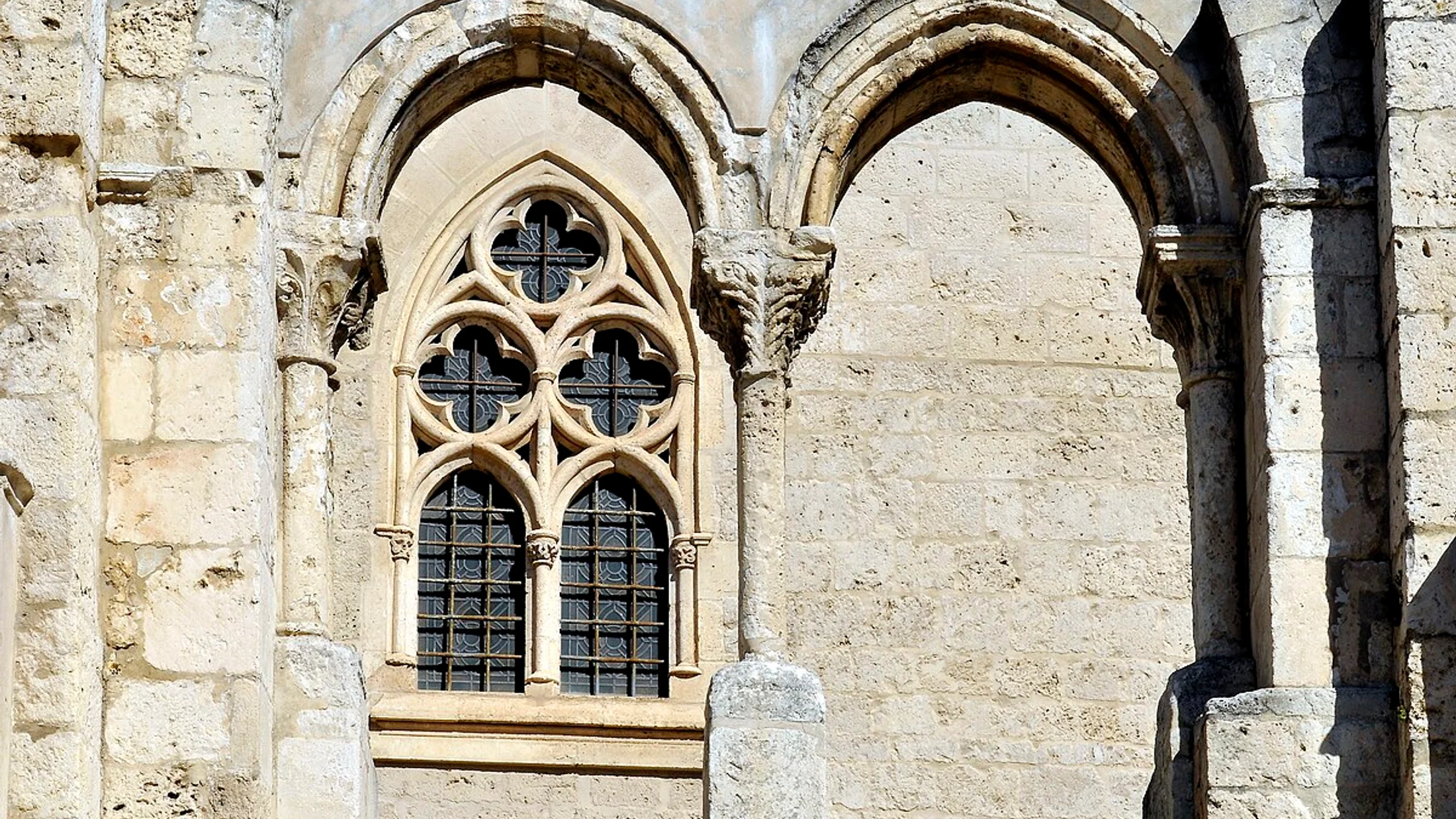
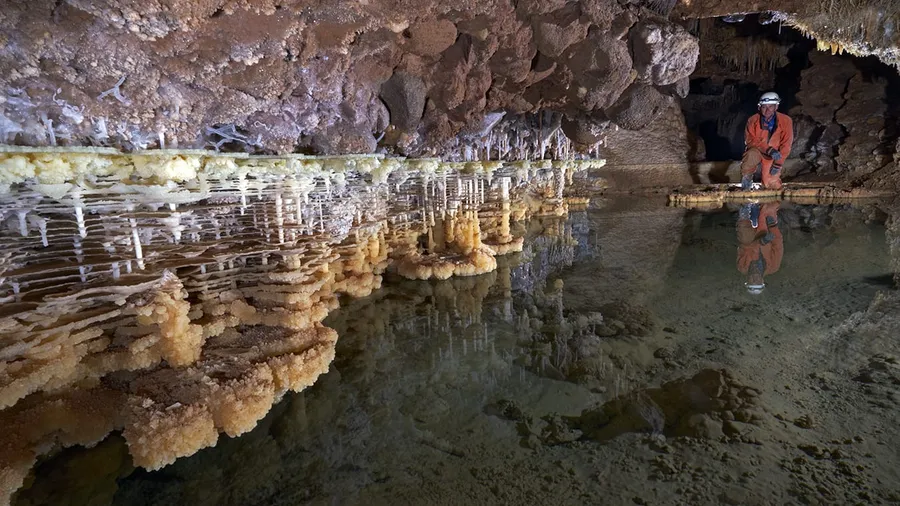
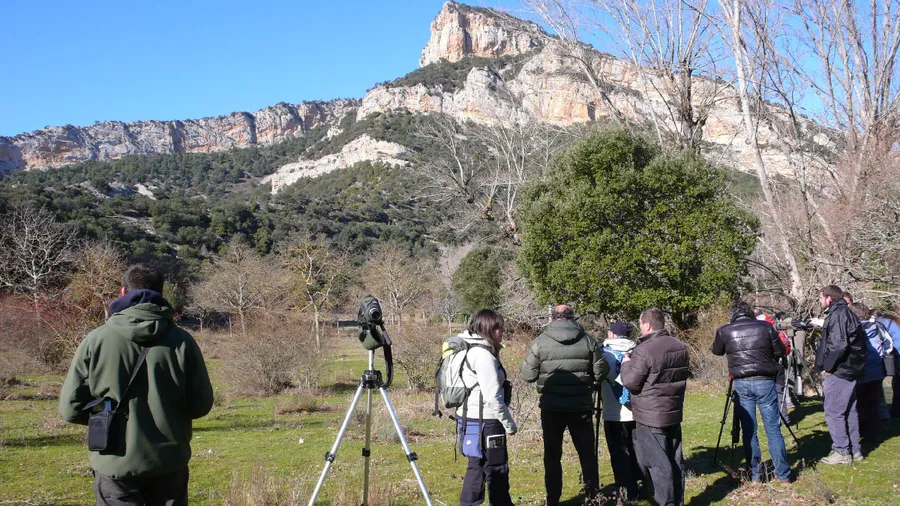
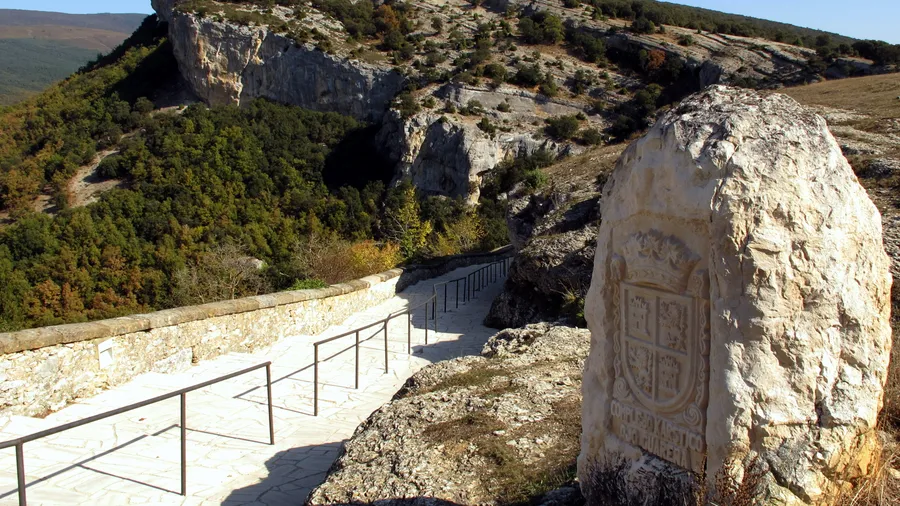
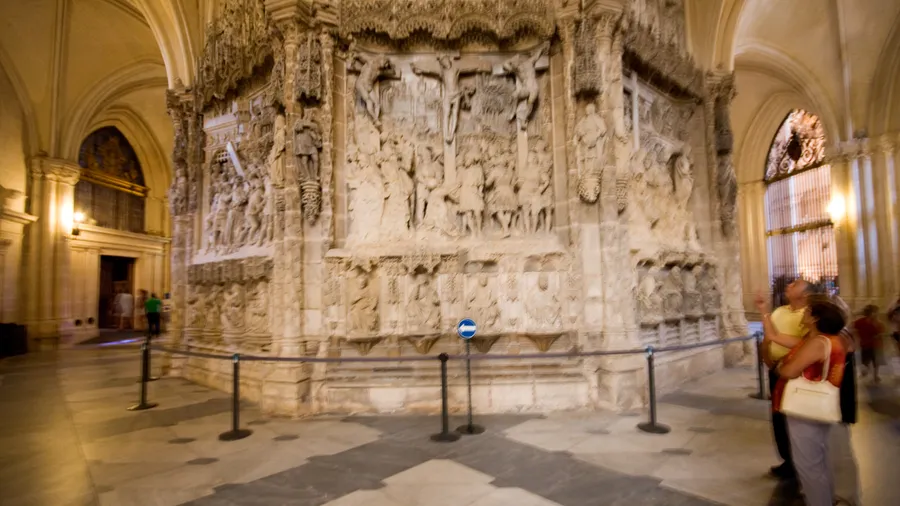
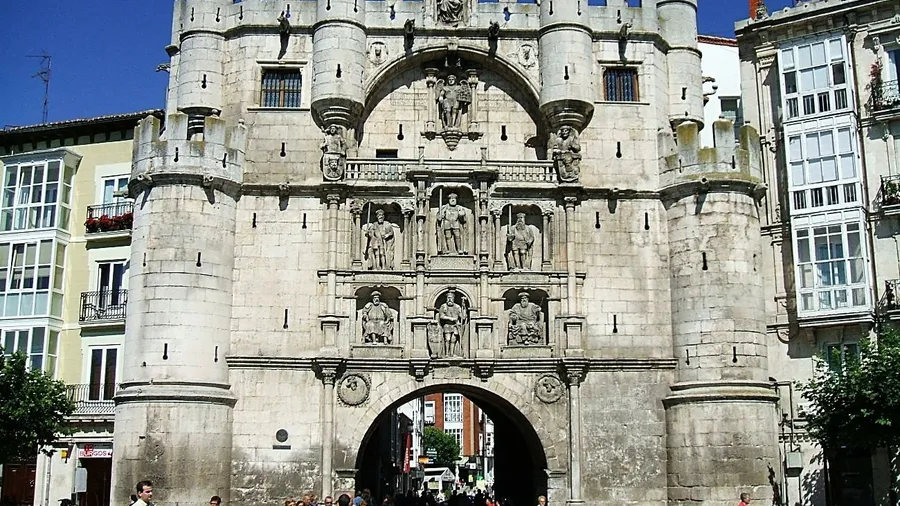
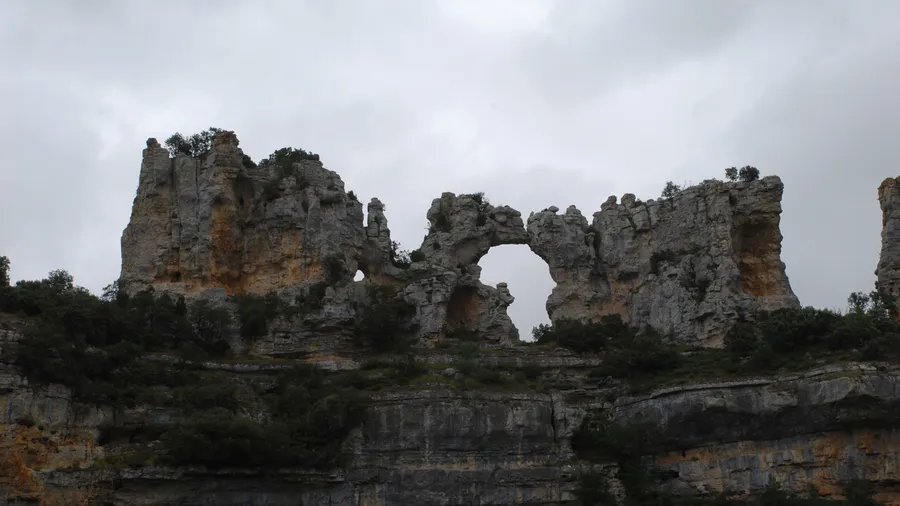
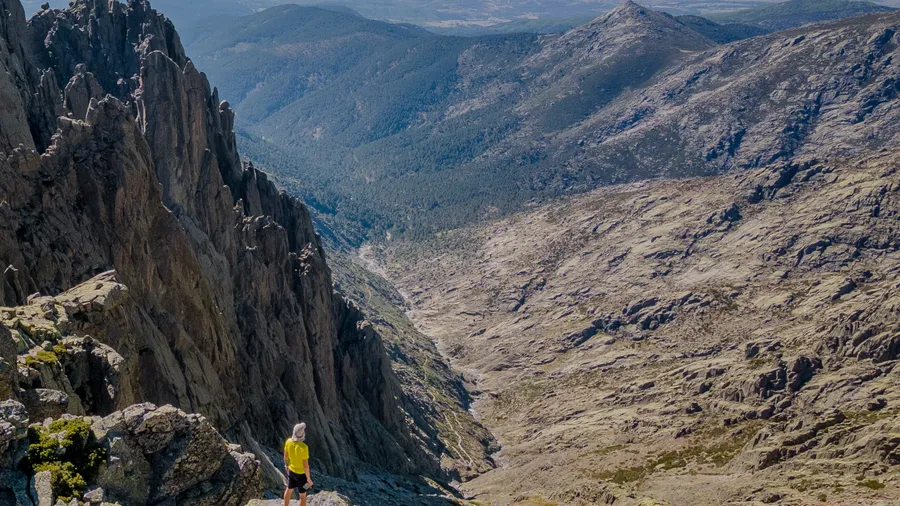
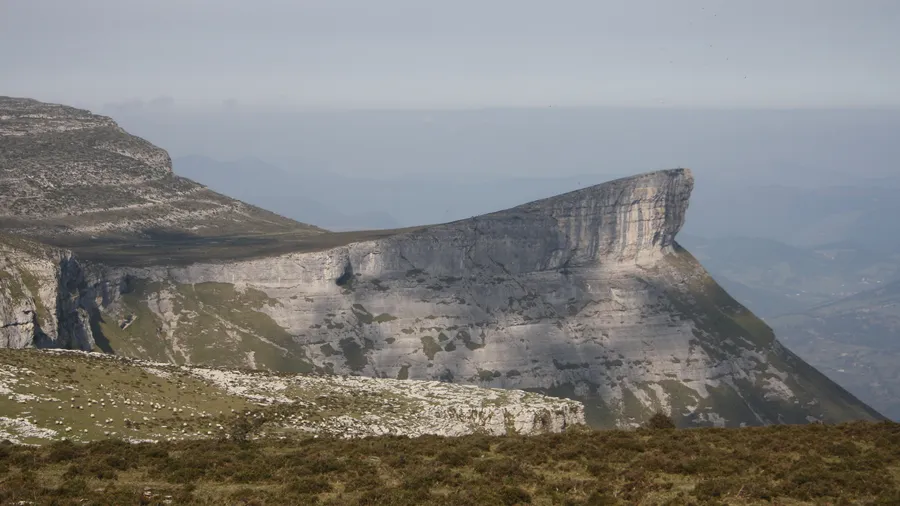
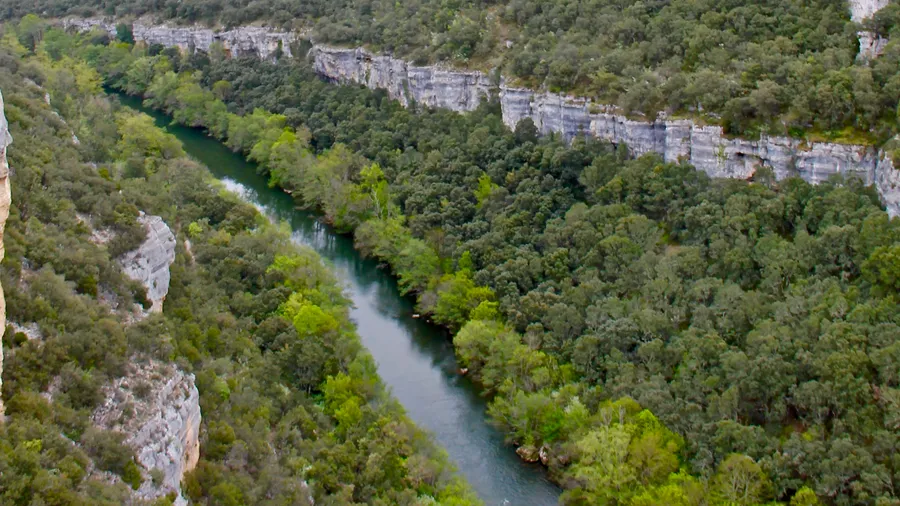
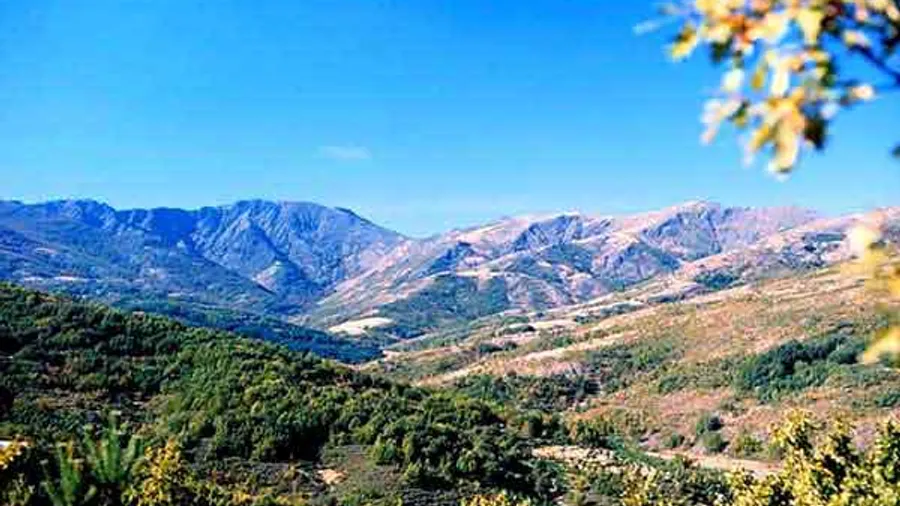
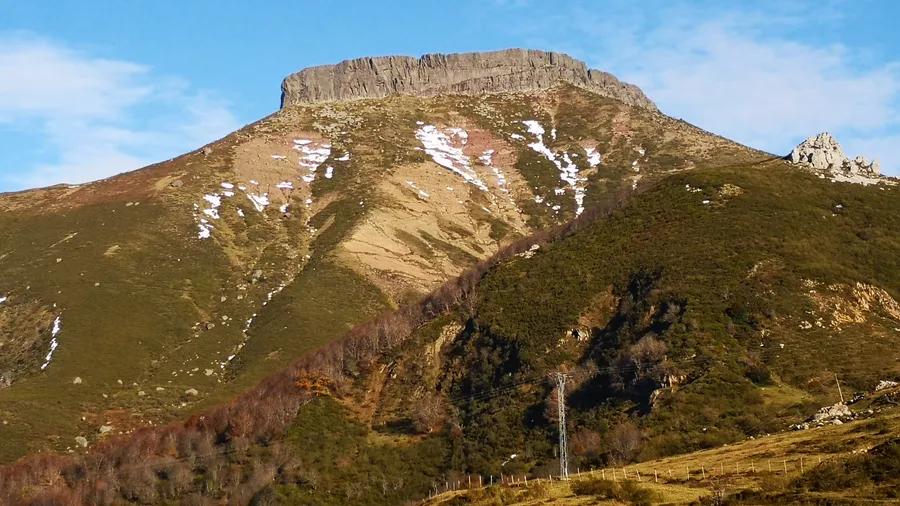
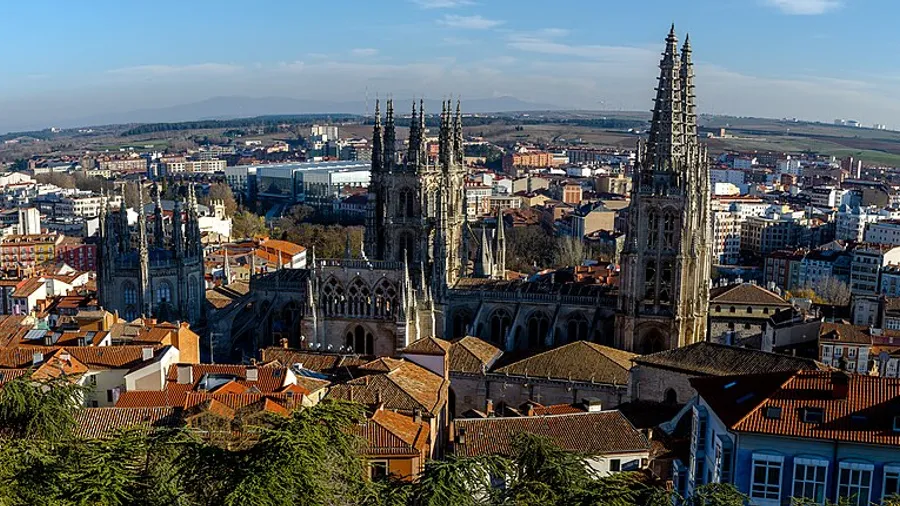
Burgos province has in the Ojo Guareña karst system its most singular geological asset: 110 km of underground galleries make it the most extensive cave complex in Europe. Only some of the access points are open for guided visits with helmet and headlamp, lasting between 45 minutes and two hours depending on the chosen route. The Sierra de la Demanda, to the south, reaches Pico Mencilla (1,936 m) and offers well-marked hiking routes with beech forests on the mid-slopes. The French Way of Santiago reaches Burgos city after crossing the meseta from Logroño. The provincial capital is a mandatory stop on the route, with the Gothic cathedral and medieval quarter as visual landmarks. The 108 km of the Burgos section from the entry at Villafranca Montes de Oca to the exit towards Frómista is flat across the meseta with some uphill stretches at the Montes de Oca entry. The Canal de Castilla enters the province from the north via Palencia and offers 224 km of greenway for cycle touring on traffic-free embankments. The Burgos section is the quietest stretch of the canal: locks every few kilometres, poplar groves along the banks and very little traffic on weekdays. For birdwatching, the Hoces del Ebro gorge near Pesquera de Ebro has griffon vultures and Egyptian vultures nesting on vertical limestone walls.

Highlights

  • • Ojo Guareña: 110 km of karst galleries, Europe's largest cave complex
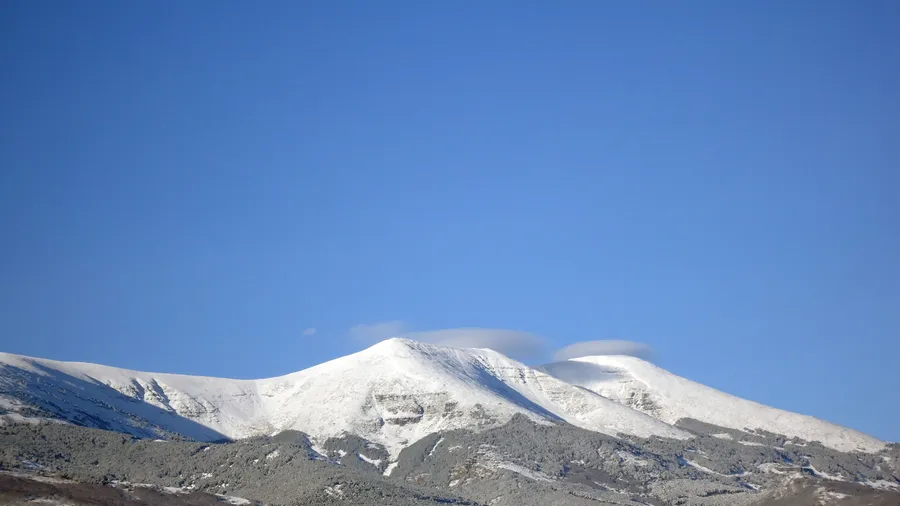
  • • Pico Mencilla (1,936 m) in the Sierra de la Demanda with beech forests
  • • French Way: 108 km of Burgos section across the Castilian meseta
  • • Canal de Castilla: 224 km of cycling greenway between locks
  • • Birdwatching in Hoces del Ebro gorge with vultures and Egyptian vultures

Best time to visit

Sierra de la Demanda: June-October (beech colours from mid-October). French Way: March-June and September-November. Canal de Castilla cycling: year-round (avoid August, extreme heat on the meseta). Ojo Guareña cave visits: year-round.

Practical tips

Book Ojo Guareña ahead in summer: spots fill up on July and August weekends. On the Canal de Castilla, the stretch between Melgar de Fernamental and Frómista is the most photogenic thanks to restored locks. For the French Way, the Burgos-Hornillos del Camino stage (20 km across open meseta) has no intermediate village: carry enough water. At Hoces del Ebro, the Pesquera viewpoint is the best observation spot before noon.

Plans and activities en Burgos

Las mejores experiencias y planes disponibles en Burgos

44

What to see en Burgos

Rincones, lugares y puntos de interés que no te puedes perder

Destinations & areas

Zonas y destinos turísticos en Burgos

Localidades de Burgos

Descubre qué hacer en cada localidad de Burgos
Frequently asked questions sobre Burgos
Yes. Guided visits to Ojo Guareña require no prior experience. The routes open to the general public have walkways and lighting in the main sections. You only need clothes you don't mind getting dirty, grippy footwear and a helmet (included in the price). Advanced speleology routes for experienced groups require prior booking and technical equipment.
The 108 km from the Montes de Oca entry to Burgos city is covered in about 4-5 stages. If you continue towards Frómista the route adds 1-2 more stages. The profile is mostly flat (meseta), with the exception of the Montes de Oca passage at the start, which has about 500 m of ascent in the first day.
Yes, it's one of the most accessible cycle touring routes in Spain. The canal embankment has almost no gradient (less than 1% average slope). You can do stages of 20-50 km depending on your level. The surface is compacted earth and gravel, suitable for trekking or MTB bikes; thin-tyre road bikes are not recommended.
Griffon vultures are resident year-round in the Hoces del Ebro; the best time to watch them in flight is April to September, when they use thermals from 10:00 onwards. Egyptian vultures arrive from Africa in March-April and leave in August. Bring at least 8x42 binoculars to distinguish species clearly from the canyon-edge viewpoints.