Highlights

  • • Founded in the 9th century, one of the oldest in Castilla
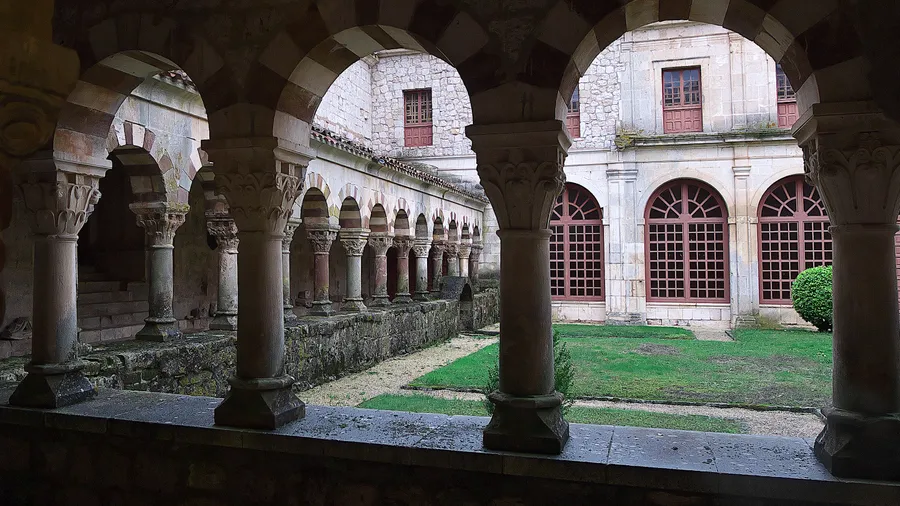
  • • Romanesque and Gothic architecture in church and cloisters
  • • Museum with artifacts related to El Cid Campeador
  • • Site where El Cid left his wife Jimena before exile
  • • Natural surroundings ideal for contemplation and reflection
  • • Trappist monastery with significant religious and cultural history

Description

The Monasterio de San Pedro de Cardeña is a monastic complex located just a few kilometers from Burgos, in Castilla y León. Founded in the 9th century, it is one of the oldest monasteries in the region and has served as a spiritual and cultural center throughout the centuries. Its architecture showcases various historical stages, from Romanesque to later renovations, and it is surrounded by a natural setting that invites contemplation and reflection.

When visiting the monastery, you can explore its church, cloisters, and conventual buildings. Notable features include Romanesque and Gothic elements in its structures, as well as a museum housing objects related to the site's history and the figure of El Cid Campeador. Tradition links this monastery to El Cid, as it is said he left his wife Jimena here before going into exile, adding a historical and legendary dimension to the place.

The monastery has witnessed significant historical events, including its role during the Reconquista and its destruction and reconstruction at various times. It was a Trappist monastery, implying an austere monastic life dedicated to prayer and work. Its history is intertwined with the religious and social evolution of Castilla, reflected in changes in architecture and the site's function.

To plan your visit, it is recommended to allow at least 2 hours to explore the complex at a relaxed pace. Entry is free and usually does not require prior reservation. Some areas are accessible for people with reduced mobility, although certain historic parts may present limitations. Visits with children and pets are allowed, always respecting the site's rules. The monastery is open during daylight hours, but it is advisable to check specific opening times before your visit.

Key Information

Visit Duration

2 hours

Recommended Seasons

Spring, Autumn

Pricing

Free

Accessibility

Medium

Kid-Friendly Pet-Friendly Booking Required

Guide

Essential information for visiting San Pedro de Cardeña Monastery

Location
Practical Information
Pricing
Free
Visit Duration
2 hours
Features & Services
  • Accessibility:Medium
  • Kid-Friendly:Yes
  • Pet-Friendly:Yes
  • Booking:Booking Required
Planning Information

Recommended Seasons

Spring · Autumn

Best Time to Visit

The best time to visit is during spring and autumn when the weather is mild and the natural surroundings are at their most beautiful.

Visitor Tips

Wear comfortable shoes to explore the monastery and its natural surroundings. Check updated opening hours before your visit, especially on holidays. Take time to learn about El Cid and his connection to the monastery through the exhibitions. Respect the site's guidelines to help preserve its heritage and tranquility.

Historical Facts

Founded in the 9th century, the Monasterio de San Pedro de Cardeña has undergone several reconstructions following periods of destruction. It was a Trappist monastery and is linked to the legend of El Cid Campeador, who, according to tradition, left his wife Jimena here before going into exile. Its architecture reflects centuries of religious and social history in Castilla.

Frequently Asked Questions

Get answers about San Pedro de Cardeña Monastery

Yes, the interior is open to the public, including the church, cloisters, and museum.
Entry is free for all visitors.
Access is partially accessible; some historic areas may have barriers.
Yes, the monastery welcomes children and pets, provided site rules are respected.
Booking is not required, though checking opening hours before visiting is recommended.