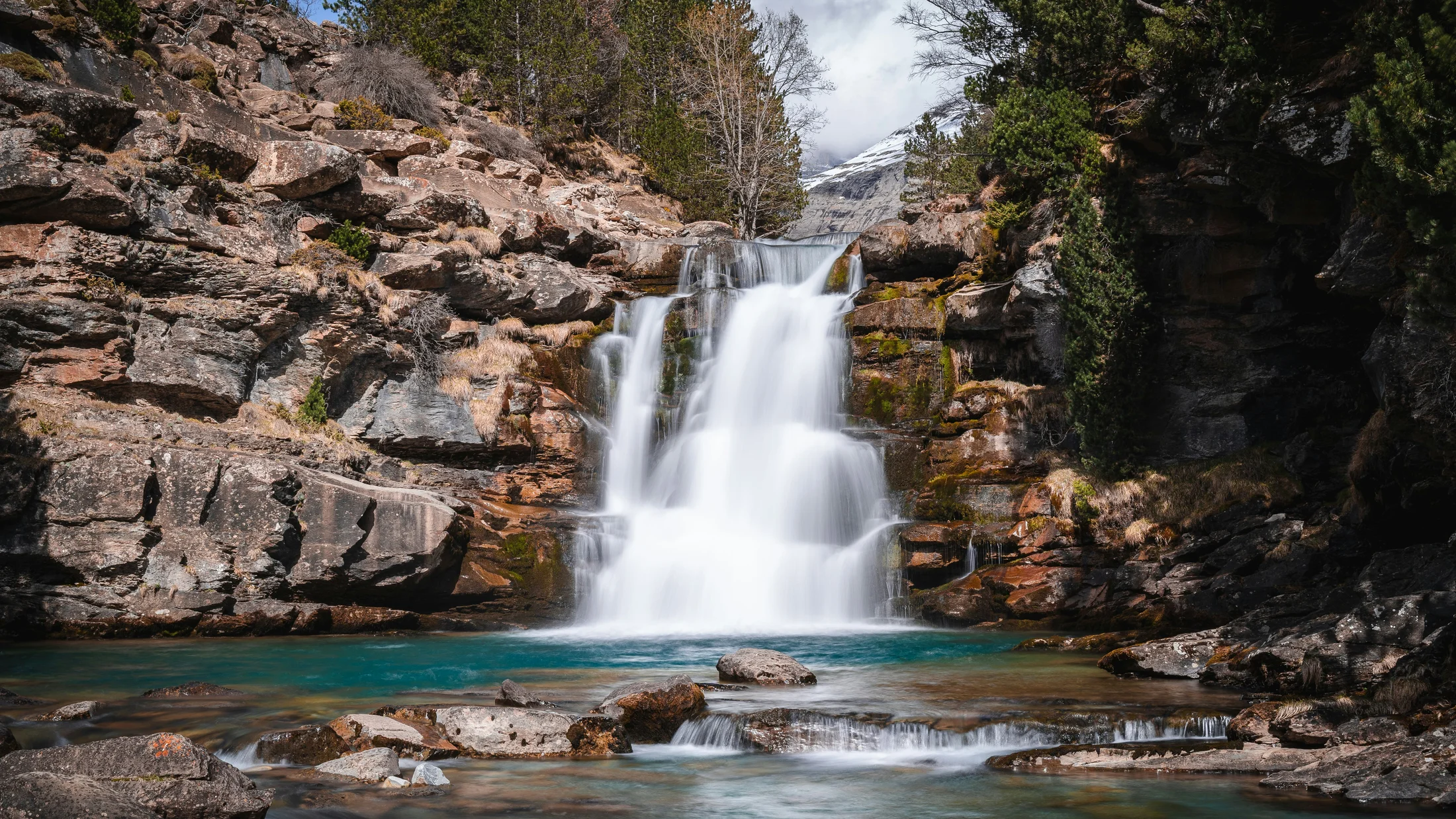
Why Waterfalls Are Summer Lifesavers in Spain
Why choose waterfalls in summer
When thermometers climb, waterfalls in Spain offer shade, cool air, and the promise of moving water. You get microclimates several degrees cooler, natural pools, and landscapes that beg for a camera. A fine mist on your face can feel like opening a fridge door in August. Plan a simple day out or stitch a multi-stop road trip, and you will see why many rate these among the best waterfalls in Spain.
Beyond cooling off, waterfalls draw photographers for silky long exposures and families for short, manageable walks. They are realistic escapes from the city, often within a 60–120 minute drive of provincial capitals. Golden evening light on rock ledges turns to copper at dusk. Our aim here is clear: help you choose, travel safely, and get home with great memories.
How we chose these 15
We filtered dozens of options to pick 15 falls that balance beauty, access, and impact. We prioritized: location across regions, clear access and parking, well-marked paths, and safe viewpoints. We considered swimming potential, landscape value, uniqueness (like sea‑falling rivers), and local recommendations from park authorities. One cool breath of spray can reset your day on a hot trail. Because conservation matters, we note rules where bathing is restricted, seasonal closures, and fragile habitats—always follow on‑site signs and check official park pages for temporary restrictions. We also skipped a few classics like the Monasterio de Piedra waterfall because of capacity limits and fees; still, you can compare and decide what fits your plan.
Picuco te puede ayudar
Does something here catch your eye?
Tell us.
Write to us on WhatsApp or email: we answer questions, find the best options and help you sort out the booking.
15 Spectacular Waterfalls Across Spain to Beat the Heat
1.Salto del Nervión: the highest drop on the peninsula
This arc‑shaped cliff on the Álava/Burgos border sends water over a void more than 200 m deep after rains. The limestone amphitheatre hums with swifts as clouds race the rim. A cool breeze funnels from the gorge as mist drifts across the viewpoints. Go prepared and you will frame one of the great cascades Spain is known for.
- Location: Monte Santiago Natural Monument (Burgos) and Sierra Salvada (Álava), near Orduña.
- Getting there: Park at Monte Santiago (Burgos side) and walk 2–3 km to Miradores del Nervión and Esquina de Rubén.
- Fees/permits: Free; occasional winter road closures after snowfall.
- Best time: Late winter to spring and after heavy rain; summer can be dry.
- Ideal for: Photography, cliff‑top walking, birdwatching.
- On-site: Several fenced viewpoints; loop paths across beech forest.
- Visit duration: 2–3 hours round trip.
- Safety: Keep behind railings, strong winds common; no bathing, sheer drops.
2.Pozo de los Humos: roaring curtain in the Arribes
Here the Uces River plunges into a cauldron of spray that rises like smoke—hence “Humos.” The constant thunder echoes off granite, and damp air beads on your arms. Moist ferns cling to the canyon walls beside the path. Many travelers count Pozo de los Humos among the best waterfalls in Spain for sheer drama.
- Location: Arribes del Duero Natural Park, Salamanca (Masueco) and Zamora (Pereña de la Ribera) sides.
- Getting there: Short signed walks from either village to opposite viewpoints.
- Fees/permits: Free; access may be regulated in peak dates for safety.
- Best time: Late winter–spring or after autumn rains; summer often low.
- Ideal for: Landscape photography, short hikes, canyon views.
- On-site: Upper and lower viewpoints; rails at exposed ledges.
- Visit duration: 1.5–2.5 hours both sides.
- Safety: Slippery rocks and spray; bathing not recommended due to currents.
3.Fervenza do Ézaro: a river that meets the sea
Ézaro is a rarity in Europe—a waterfall that tumbles almost into the Atlantic at Dumbría, A Coruña. Salt and fresh scents mix as foam slides toward the estuary. At sunset the granite glows pink behind drifting spray. If Ézaro is on your best waterfalls in Spain shortlist, go late day for color and calm.
- Location: Dumbría, A Costa da Morte, A Coruña (Galicia).
- Getting there: Easy boardwalk from the car park in Ézaro village.
- Fees/permits: Free; night lighting on selected summer dates; flow regulated by a dam.
- Best time: Year‑round; strongest after rains; summer evenings for photos.
- Ideal for: Sunset photography, family strolls, coastal views.
- On-site: View platforms, café options in village.
- Visit duration: 45–90 minutes.
- Safety: Bathing at the base not advised; swim instead at Ézaro beach nearby, within lifeguarded zones when available.
4.Cola de Caballo (ordesa): a Pyrenean icon
This classic cascade crowns the Ordesa Valley after a long, gradual walk through beech and limestone steps. The river’s song deepens into a steady roar as you reach the cirque. Spray hangs in the sun like floating lace. The main valley path overlaps the GR-11, making route‑finding straightforward in good weather.
- Location: Ordesa y Monte Perdido National Park, Huesca.
- Getting there: From Pradera de Ordesa on the valley floor via well‑marked track past Gradas de Soaso.
- Fees/permits: Park entry free; summer and holidays require shuttle bus from Torla (paid); check official schedules.
- Best time: Late spring to early autumn; avoid snow/ice seasons unless equipped.
- Ideal for: Full‑day hike, photography, alpine scenery.
- On-site: Multiple waterfalls en route, signed rest areas.
- Visit duration: 6–7 hours round trip (approx. 17 km).
- Safety: No bathing; storms develop quickly—carry layers, water, and navigation.
5.Nacimiento del Río Cuervo: travertine terraces and pools
A tangle of mossy ledges pours with crystal water at this famous spring in Cuenca. The air smells of wet limestone and pine. Fine droplets cool your cheeks along the shaded walkway. If you are searching for waterfalls to swim Spain may tempt you here, but check rules before dipping toes.
- Location: Monumento Natural del Nacimiento del Río Cuervo, Vega del Codorno (Cuenca).
- Getting there: Signed car park on the CU‑903; short loop on footbridges.
- Fees/permits: Free; occasional winter icing may close sections.
- Best time: After rains, in spring thaw, and autumn.
- Ideal for: Families, photography, picnics nearby.
- On-site: Boardwalks, interpretive panels; picnic tables outside protected core.
- Visit duration: 60–90 minutes.
- Safety: Stay on paths; small pools exist but bathing is often restricted—observe local signage.
6.Orbaneja del Castillo: a village threaded by water
Water bursts from a karst spring, tumbles through travertine steps, and crosses the main street before meeting the Ebro. The cascade’s chatter mingles with café clinks in summer. Mist cools narrow lanes as swallows loop overhead. Its mix of heritage and water earns Orbaneja a place among the best waterfalls in Spain for village charm.
- Location: Orbaneja del Castillo, Burgos (Ebro Canyon).
- Getting there: Easy access from the BU‑643; parking at village entrances.
- Fees/permits: Free; parking controls on busy days.
- Best time: Spring for steady flow; early mornings to dodge crowds.
- Ideal for: Short visits, architecture + water photos.
- On-site: Restaurants, viewpoints, signed alleys.
- Visit duration: 60–90 minutes.
- Safety: Bathing in the village cascade is not allowed; seek designated Ebro riverside areas outside the historic core.
7.Salto de Gujuli (goiuri): a clean plunge into a green gorge
A single, elegant fall drops into a tight canyon near Goiuri‑Ondona in Álava. Wind carries a drift of spray across bracken and hawthorn. The viewpoint edges feel cool even on hot days. It is a straightforward stop with big‑landscape rewards among the classic cascades Spain offers in the north.
- Location: Goiuri‑Ondona (Álava), near the A‑2521.
- Getting there: Signed track from village to clifftop mirador; easy walk.
- Fees/permits: Free.
- Best time: Late winter–spring and post‑rain days.
- Ideal for: Photography, short leg‑stretch on road trips.
- On-site: Fenced viewpoints; interpretive boards.
- Visit duration: 45–90 minutes.
- Safety: Keep distance from cliff edges; no bathing—deep, inaccessible pool.
8.Cascadas de Oneta: Asturias in three acts
Three stacked falls—Firbia, Ulloa, and Maseirua—descend through a chestnut valley near Villayón. The path smells of damp leaf‑litter and wood smoke from distant hamlets. Sunbeams stripe the pools through hanging branches. Calm coves make this a favorite among waterfalls to swim in Spain for a summer dip.
- Location: Villayón (Asturias), Oneta village.
- Getting there: Car park at Oneta; 1.5 km track to the first fall, rougher beyond.
- Fees/permits: Free.
- Best time: Late spring to early autumn; mornings for solitude.
- Ideal for: Short hike, swimming (where permitted), photography.
- On-site: Multiple vantage points; uneven rocks.
- Visit duration: 1.5–2.5 hours.
- Safety: Wear water shoes; check depth before swimming; avoid jumps.
9.Nacimiento del Río Mundo: a karst theater in motion
From a cave mouth, the Mundo River bursts over travertine steps in a scene that can triple in volume during the famed “reventón.” The air cools instantly as spray drifts through pines. A steady roar folds into birdsong up the slope. Many rank it with the best waterfalls in Spain for raw spectacle.
- Location: Parque Natural de los Calares del Mundo y de la Sima, Riópar (Albacete).
- Getting there: Parking at Los Chorros; short signed path to the base.
- Fees/permits: Free access; occasional capacity controls and road restrictions on peak days—check municipal channels.
- Best time: Spring, especially after heavy rains; autumn second best.
- Ideal for: Photography, geology fans, families.
- On-site: Viewpoint balconies; longer trails in surrounding calares (limestone plateaus).
- Visit duration: 1.5–2.5 hours.
- Safety: No bathing near the surge zone; slippery travertine—stay on trails.
10.Cascada del Sorrosal: easy access, big payoff
In Broto, the Sorrosal drops over striped flysch into a natural bowl just minutes from town. Cool spray drifts across the footbridge like a passing cloud. Butterflies flicker in the sun patches around the pool. It is a low‑effort stop with classic Pyrenean power.
- Location: Broto (Huesca), near the Ordesa access road.
- Getting there: Park in the village; 5–10 minute signed stroll to the base.
- Fees/permits: Free; separate guided via ferrata operates alongside (book with certified guides).
- Best time: Spring through early autumn.
- Ideal for: Families, quick photo stop, post‑hike cool‑down.
- On-site: View platforms, cafés in Broto.
- Visit duration: 45–90 minutes.
- Safety: Rocks are slick; brief wading may be possible in calm conditions—assess carefully and follow local signs.
11.Aigualluts: glacier water under big peaks
Near Benasque, meltwater spills over granite steps at Aigualluts before disappearing underground toward the Garonne. The air is alpine‑cool and smells of resin and wet stone. Marmots whistle on nearby slopes. Clear ice‑cold pools tempt but remind you how quickly snowmelt numbs.
- Location: Valle de Benasque (Huesca), near La Besurta.
- Getting there: Summer shuttle bus from Benasque to La Besurta; 3–4 km gentle hike to the waterfall and meadows.
- Fees/permits: Shuttle bus paid in season; foot access free.
- Best time: Late spring to summer for snowmelt; autumn for calm paths.
- Ideal for: Moderate hike, alpine photography, picnics on meadows.
- On-site: Waymarked path, panoramic views of Aneto‑Maladeta.
- Visit duration: 2–3.5 hours round trip.
- Safety: Water is near‑freezing; wade only if conditions are safe and you’re equipped.
12.Cascada de la Cimbarra: sandstone amphitheatre in Jaén
A short trail leads to a muscular fall pouring into a circular pool framed by red sandstone. The air is warm and earthy, with spray cooling the lower ledges. Dragonflies skim the pool in bright flashes. It is a classic southern stop when you crave shade and a breeze.
- Location: Paraje Natural de la Cimbarra, Aldeaquemada (Jaén).
- Getting there: Signed track from Aldeaquemada; short descent to viewpoints and pool.
- Fees/permits: Free; dirt access may close after heavy rain.
- Best time: Spring for strong flow; early/late summer for quieter visits.
- Ideal for: Short hike, geology, potential bathing in low flow.
- On-site: Multiple lookouts; side trails to the pool.
- Visit duration: 1.5–2.5 hours.
- Safety: Check depth carefully before entering; avoid cliff jumps; heed flash‑flood risk after storms.
13.Fervenza do Toxa: tall and accessible in Galicia
One of Galicia’s highest single‑drop falls fans down a mossy cliff near Silleda. Pine and eucalyptus scents drift on cool air from the gorge. Sunlight shards catch the spray at midday. Paths and platforms make this a straightforward family stop.
- Location: Silleda (Pontevedra), near A Bandeira.
- Getting there: Car park and signed footpath (15–20 minutes) through woodland.
- Fees/permits: Free.
- Best time: Late winter to spring; mornings for softer light.
- Ideal for: Family outing, photos, short woodland walk.
- On-site: Picnic spots nearby; marked viewpoints.
- Visit duration: 60–90 minutes.
- Safety: Bathing not advised at the base due to rocks and variable flow; watch for slippery steps.
14.Cascada del Asón: emerald walls and a freefall ribbon
At the head of the Soba Valley, the Asón spills as a white ribbon against an emerald wall. The gorge breathes cool air even on bright days. Cows graze lazily in meadows as the roar carries down‑valley. It’s a simple stop with outsized scenery.
- Location: Soba (Cantabria), upper Asón Valley.
- Getting there: View from roadside miradors; short path to approach the base.
- Fees/permits: Free.
- Best time: Spring and post‑rain days; summer flow can be weak.
- Ideal for: Landscape photos, short walks, valley drives.
- On-site: Multiple pull‑outs; signed trails.
- Visit duration: 60–90 minutes.
- Safety: Wet, uneven rocks; no bathing recommended.
15.Cascadas del Eume: Atlantic forest and hidden steps
Within the Fragas do Eume, side streams tumble through fern‑choked ravines toward the river. The forest smells of laurel and wet earth, cool even in July. Dappled light flickers on small falls along shaded paths. This is a place to slow down and walk under trees.
- Location: Fragas do Eume Natural Park, A Coruña (Galicia).
- Getting there: Trailheads near Caaveiro Monastery, A Capela, or Monfero; check park access rules.
- Fees/permits: Free; vehicle restrictions on busy days—use shuttles when operating.
- Best time: Spring to autumn; midweek for quieter trails.
- Ideal for: Half‑day hikes, forest bathing, photography.
- On-site: Several small waterfalls along streams; riverside picnic areas in designated zones.
- Visit duration: 3–5 hours, depending on route.
- Safety: Stick to marked paths; swim only in signed, permitted river spots.
Spain Waterfall Map: Save It, Sync It, Go Offline
A good Spain waterfall map turns inspiration into an easy day out. Include 15 pins with names, short notes on access (easy/medium/difficult), icons for swimming, photography, or hiking, and links back to each waterfall’s quick facts in this article. Add parking markers and public transport stops when relevant. Download the map for offline use—Google Maps “Offline maps” or a KML/GPX file in apps like Maps.me or Gaia GPS—so you keep navigation even in canyons without signal. Save the layer to your account, toggle by difficulty, and share it with your travel group to keep everyone aligned on timing and meeting spots.
How to Pick the Right Waterfall for Your Day
Start from your goal: swim, shoot photos, or stretch your legs on a proper hike. If you want a cool, safe dip, target short approaches with calm pools and clear signage, like Cascadas de Oneta or, in low flow and where permitted, La Cimbarra. If sunrise or sunset photos are the dream, plan for west‑ or east‑facing cliffs and easy tripod space—Ézaro at sunset, Asón on bright spring days, or Pozo de los Humos after rain. For trail lovers, long and steady valley walks to Cola de Caballo or the alpine route to Aigualluts deliver hours of movement and big‑screen views. A single line of spray in the wind can guide your plan better than any forecast.
Use this quick checklist before you go:
- Time available: 60–90 minutes (Orbaneja, Sorrosal, Ézaro) vs. 3–7 hours (Cola de Caballo, Eume).
- Transport: Is there a shuttle (Ordesa, Aigualluts) or road closure in peak season?
- Fitness level: Gentle paths (Oneta first fall) vs. longer mileage (Ordesa, Eume).
- Privacy needed: Popular village cascades (Orbaneja) vs. quieter forest streams (Eume weekdays).
- Swimming plan: Seek signed, calm pools; avoid surge zones; if in doubt, do not enter.
- Backup options: If summer flows are low, pivot to coastal swims at Ézaro beach or forest shade in Eume.
Match examples to your plan:
- Swim focus: Cascadas de Oneta; La Cimbarra (low flow, local rules); calm river spots in Fragas do Eume where signed. If you are hunting for “waterfalls to swim Spain” style days, prioritize these.
- Photo focus: Salto del Nervión (post‑rain), Pozo de los Humos (spring), Ézaro (golden hour), Asón (spring greens).
- Family stroll: Sorrosal (Broto), Fervenza do Toxa, Ézaro boardwalk, Nacimiento del Río Cuervo loop.
- Hike first: Cola de Caballo (
GR-11valley path), Aigualluts meadows, Fragas do Eume ravines.
Practical Safety for Natural Pools and Waterfall Paths
Assess water first, not second. Look for flow speed, eddies, and clarity; probe depth with a stick and avoid opaque or fast water. Scan the entry and exit points, and never jump—hidden ledges and logs are common. One cool gust from falling water can mask how slippery rock really is. If conditions feel off, enjoy the view from dry ground.
Pack for grip and changes. Wear closed‑toe water shoes for wading and grippy hiking soles for approaches; carry a light rain shell, dry bag for electronics, and a small first‑aid kit. Keep kids within arm’s reach near edges and pools. Respect flora and fauna: stay on paths to protect mossy travertines, keep noise low around nesting birds, and never stack rocks or pull plants. Follow local rules on bathing, drones, and fires; most parks ban wild camping and open flames.
For photography, stabilize without harming terrain: use a small tripod on durable surfaces (bedrock, boards), never on fragile moss. Bracket exposures instead of stepping into risky spots, and wipe spray gently to avoid leaving cloth fibers. Pack out all trash, microplastics included, and leave places better than you found them.
Frequently Asked Questions
Do I need permits to visit these waterfalls?
Most are free and unpermitted, but some areas control vehicle access or run shuttles in high season (Ordesa, Aigualluts). Check municipal or park websites the week you go.
When is the best season to see strong flow?
Late winter to spring and after autumn rains. Summer can be low, except where dams regulate flow (Ézaro) or high‑altitude snowmelt persists (Aigualluts early summer).
Can I swim at the base of any fall?
Only where clearly allowed and calm: Oneta pools are a common option; La Cimbarra in low flow. Many sites prohibit bathing for safety or conservation—always follow signs.
Are there jellyfish or algae risks in these spots?
Jellyfish affect seas, not rivers. Warm, stagnant waters can see algae or cyanobacteria blooms in summer—avoid swimming if water smells bad, looks pea‑green, or is posted.
Is wild camping allowed near the waterfalls?
Generally no. Spain’s regions restrict wild camping; use campsites and official areas. Check local regulations in natural parks and municipal bylaws.
Are these routes suitable for families with young children?
Yes, several: Ézaro boardwalk, Sorrosal (short stroll), Fervenza do Toxa, Río Cuervo loop. Keep kids close near water and edges, and avoid slippery rock.
Can I bring my dog?
Often yes on a leash, but some parks restrict pets or require muzzles on buses (Ordesa). Carry bags and water, and keep dogs out of pools where bathing is banned.
Can I fly a drone at these waterfalls?
Not in national parks and many protected areas. Elsewhere, comply with Spanish drone rules and local bans; never fly over crowds or wildlife.
Book your experience — discover outdoor activities in Spain with providers verified by Picuco.
Conclusion
Waterfalls offer shade, cold spray, and the simple joy of moving water when the heat bites. You now have 15 varied options—from village cascades to alpine ribbons—to match a swim, photo, or hiking plan. Pick one, check local conditions, download your map, and head out early to enjoy cooler hours. Share what you find and, above all, tread lightly: respect signage, stay on paths, and keep these places wild and welcoming for the communities who care for them and for those who will follow after you.