The essentials of Parque Natural de la Sierra de Grazalema

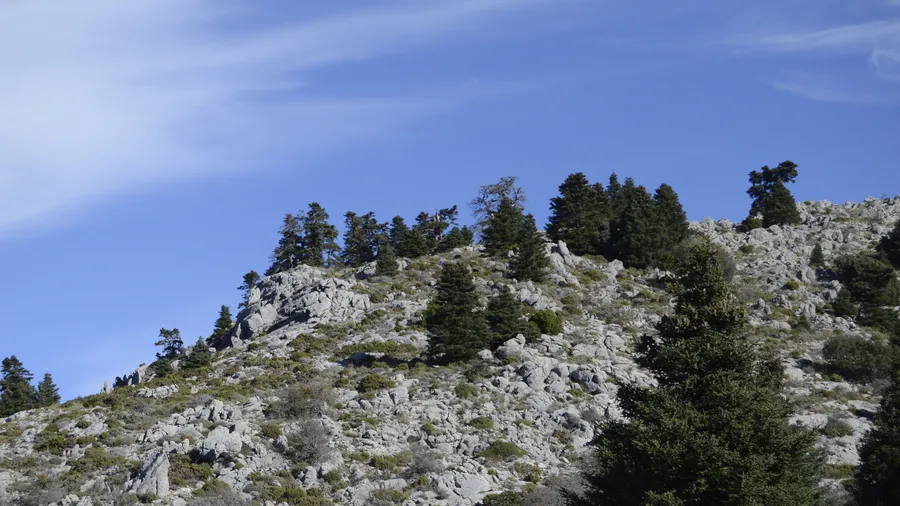
  • • Pinsapo forest (Abies pinsapo), the only Tertiary relict fir in western Europe
  • • Garganta Verde: 400 m deep canyon with over 300 griffon vulture breeding pairs
  • • Over 2,000 mm annual rainfall, the wettest point on the Iberian Peninsula
  • • Pinsapar trail from Benamahoma: 7 km through ancient forest with 400 m ascent
  • • Zahara de la Sierra and Grazalema: whitewashed hilltop villages above blue reservoirs

Description

The Sierra de Grazalema receives more than 2,000 mm of average annual rainfall on its summits, the highest sustained figure recorded on the Iberian Peninsula. This climatic anomaly results from the range's orientation — transverse to moisture-laden south-westerly Atlantic winds — and the altitude of its peaks, which condense cloud before it can cross to the interior. The result is a humid, green landscape that contrasts sharply with the arid plains surrounding it, and that has allowed the survival of a unique species: the Spanish fir (Abies pinsapo), a Tertiary relict conifer found nowhere else in Europe at the densities it reaches here, forming forests of up to 450 ha on north-facing slopes.

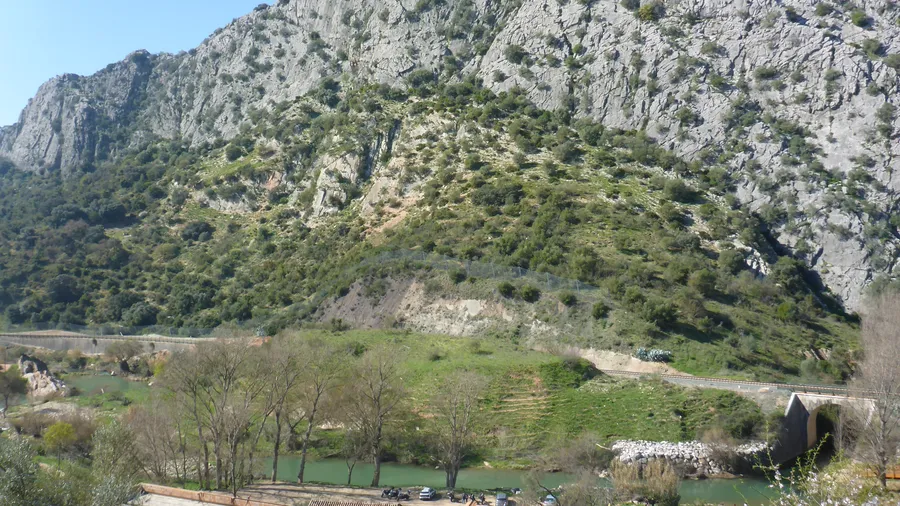
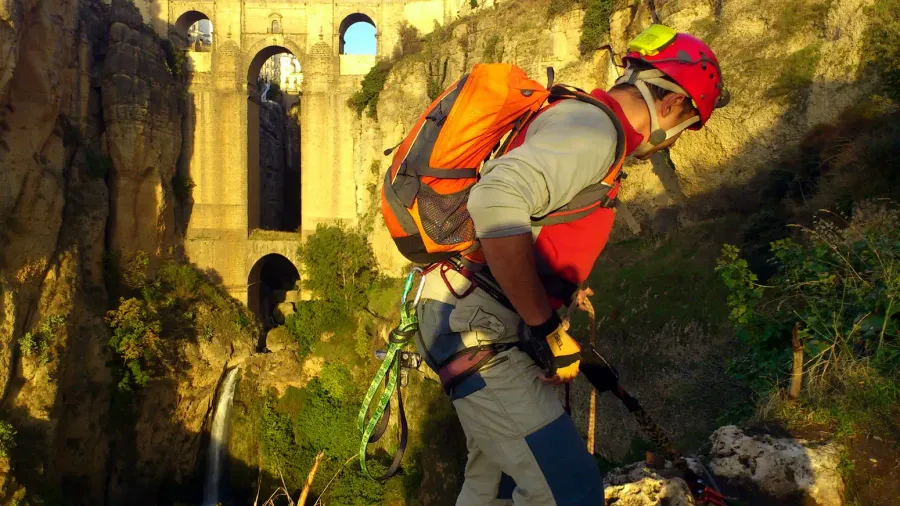
The natural park spans parts of Cádiz and Málaga provinces, with elevations ranging from 300 metres in valley floors to 1,654 metres at El Torreón. The Garganta Verde gorge is the most dramatic feature: a 400-metre-deep limestone canyon whose vertical walls hold the largest griffon vulture (Gyps fulvus) colony in Andalusia, with over 300 breeding pairs. Access requires a permit, capped at 20 people per day to limit disturbance at the nesting site. The trail descends 3.5 km from Zahara de la Sierra to the bed of the Río Bocaleones.

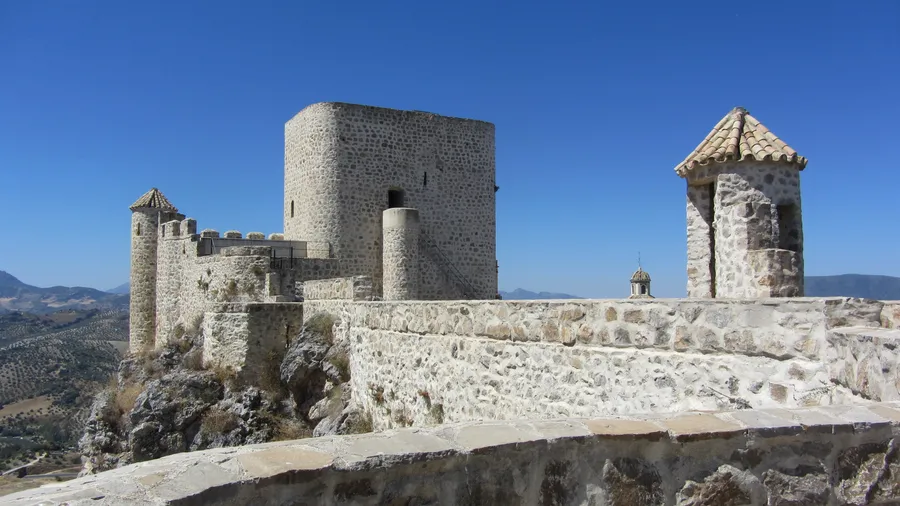
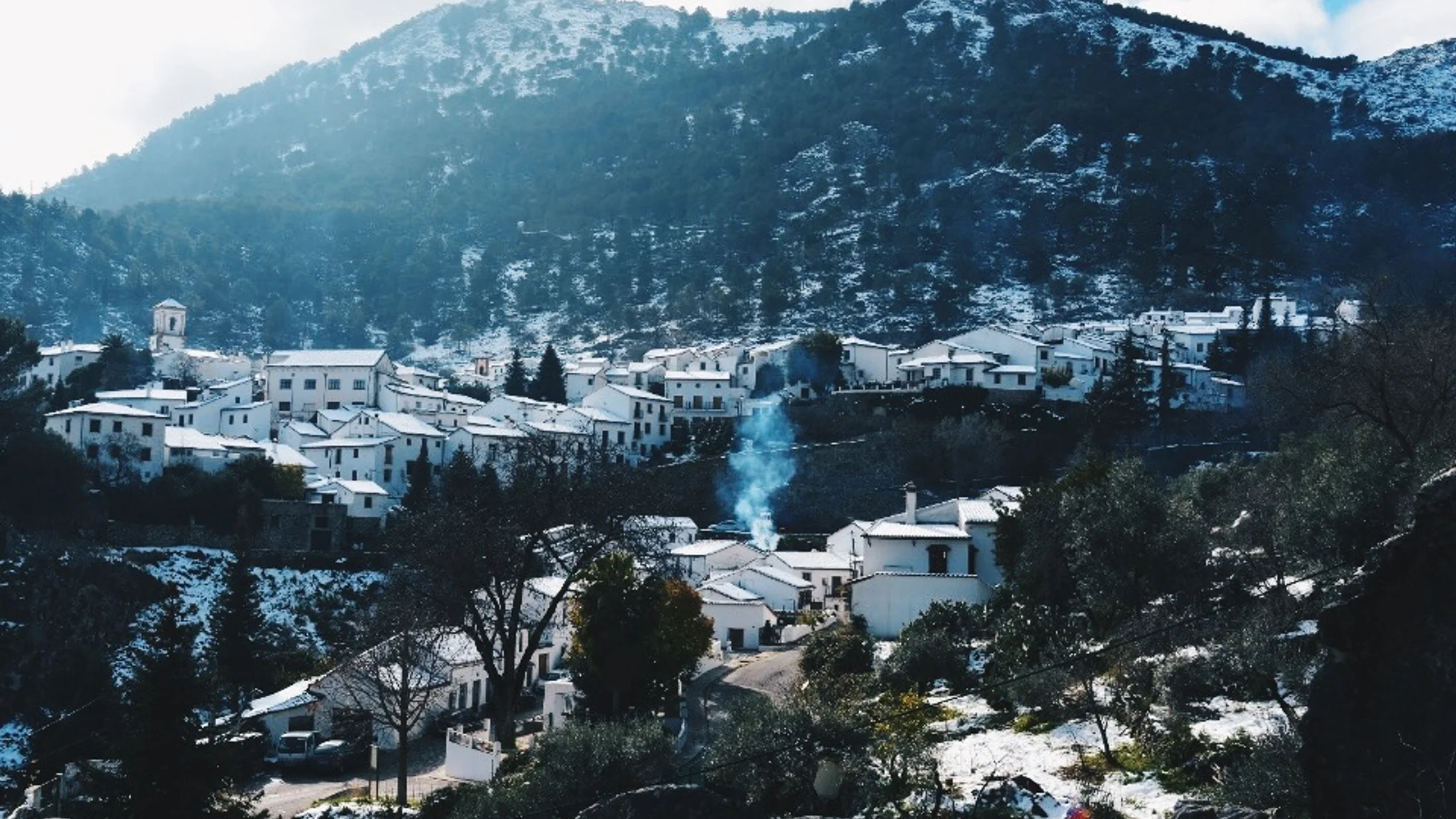
The village of Grazalema, at 812 metres, gives the park its name and is the most common starting point for walks. Its whitewashed houses and cobbled streets typify the pueblo blanco of the Cádiz highlands. Fifteen kilometres to the north, Zahara de la Sierra sits above a reservoir whose blue-green water contrasts with the grey limestone of the sierra. The Río Majaceite connects several mid-mountain trails through holm oak and Portuguese oak dehesas. The Pinsapar route, beginning in Benamahoma, winds through the finest specimens of the relict forest over 7 km with 400 metres of accumulated ascent.

The park's fauna includes, alongside the griffon vulture, golden eagle, Egyptian vulture, eagle owl and Iberian ibex, which frequents the limestone crags. Eurasian otter and brown trout survive in the streams — indicators of exceptionally clean water. The park was declared a UNESCO Biosphere Reserve in 1977, one of the first in Spain to receive that status, and its management combines ecosystem conservation with the extensive sheep and cattle grazing that has shaped the landscape for centuries.

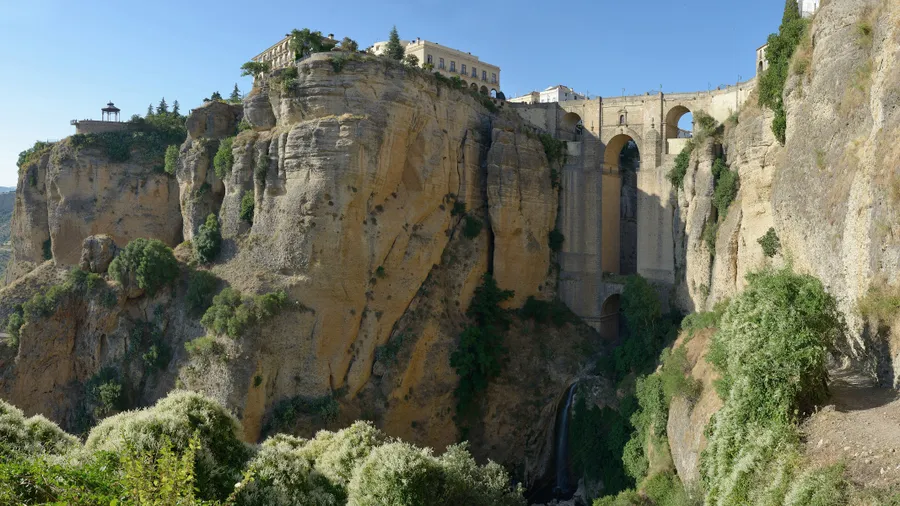
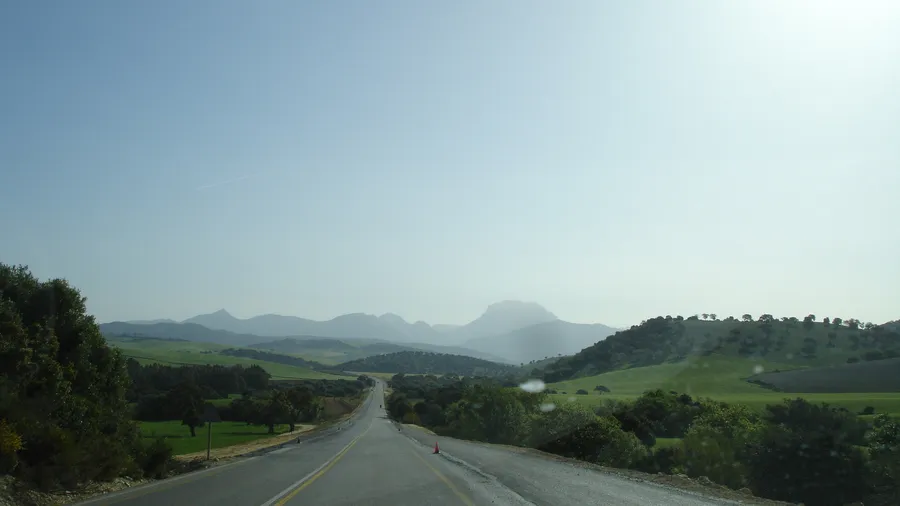
For visitors arriving from the Málaga coast or from Seville, the sierra delivers an abrupt change of scenery: in under 30 minutes from Ronda the dry lowlands of the Guadalquivir Depression give way to a green, dense landscape where water runs visibly through gorges and springs. The white villages nearby — Benaocaz, Villaluenga del Rosario, Ubrique — maintain an intimate architectural scale and a local craft tradition rooted in leatherwork and limestone carving. The park's trail network, waymarked by the Junta de Andalucía, covers all levels of effort: from one-hour walks along the Majaceite mills to full-day ascents of El Torreón or El Simancón.
Practical information

Everything you need to know for your visit to Parque Natural de la Sierra de Grazalema

How to get there
From Seville, take the A-376 towards Ronda and branch onto the A-372 to Grazalema (about 120 km). From Málaga, the A-366 connects to Ronda and then the A-372, around 100 km. There is no direct public transport; a private vehicle or taxi from Ronda is recommended.
Area Information
The natural park covers 51,695 ha spanning Cádiz and Málaga provinces. The main municipalities are Grazalema, Zahara de la Sierra, Benaocaz, Ubrique and El Bosque. The Biosphere Reserve covers a larger area, including agricultural transition zones and dehesa.
Geography
A limestone massif of the Baetic Cordillera with summits between 1,300 and 1,654 m. The relief is rugged: gorges, karst and white limestone crags alternate with river valleys. The Guadalete river rises in the northern part of the park, near Zahara.
Flora & Fauna
The Spanish fir (Abies pinsapo) is the most distinctive species, with forests on north-facing slopes of El Pinar and Cerro del Pinar. Holm oak, Portuguese oak and wild olive dominate middle elevations. Fauna includes Iberian ibex, red deer, badger, Eurasian otter and over 150 bird species, among them golden eagle and Egyptian vulture.

Things to do

Find the best plans and things to do in Parque Natural de la Sierra de Grazalema

20

Accommodations

Best accommodation options in Parque Natural de la Sierra de Grazalema

Loading accommodation options...

Frequently Asked Questions

Get answers about Parque Natural de la Sierra de Grazalema

Permits are requested at the El Bosque Visitor Centre in Cádiz, or through the Junta de Andalucía online portal. The daily quota is 20 people to protect the vulture nesting colony. Booking at least one week ahead is recommended during peak season from April to October.
The Spanish fir (Abies pinsapo) is a fir endemic to the Ronda highlands whose natural range was reduced to a handful of massifs during the last glaciation. The Sierra de Grazalema holds the most extensive and best-preserved forests of this species, with specimens reaching 30 metres. It is a Tertiary relict, meaning its ancestors covered Europe millions of years ago.
Yes, with precautions. Lower-elevation routes along the Río Majaceite and between the white villages are walkable throughout winter. Above 1,000 metres, snow can accumulate from December to February and paths become slippery. Check conditions at the Visitor Centre before attempting high-mountain routes.
For a thorough visit including the Pinsapar forest, Garganta Verde, the villages of Grazalema and Zahara de la Sierra and a river walk along the Majaceite, plan at least three days. Two days allow you to combine the Pinsapar trail and Grazalema with an afternoon exploring Zahara.
Yes. Grazalema has several rural hotels and guesthouses in the village centre. El Bosque, Zahara de la Sierra and Benaocaz also have rural tourism options. Wild camping is not permitted; the nearest authorised campsite to the park centre is in Grazalema itself.