The essentials of Costa Brava

  • • Medes Islands diving: over 1,400 species in Catalonia's foremost marine reserve
  • • Camí de Ronda (GR 92): 214 km coastal trail linking coves, cliffs and medieval villages
  • • Begur coves — Sa Tuna, Aiguablava, Sa Riera — turquoise water over posidonia seagrass beds
  • • Cap de Creus: tramontana-sculpted schist formations in the Peninsula's easternmost natural park
  • • Sea kayaking from Tamariu to the Begur caves, reaching spots inaccessible by land

Description

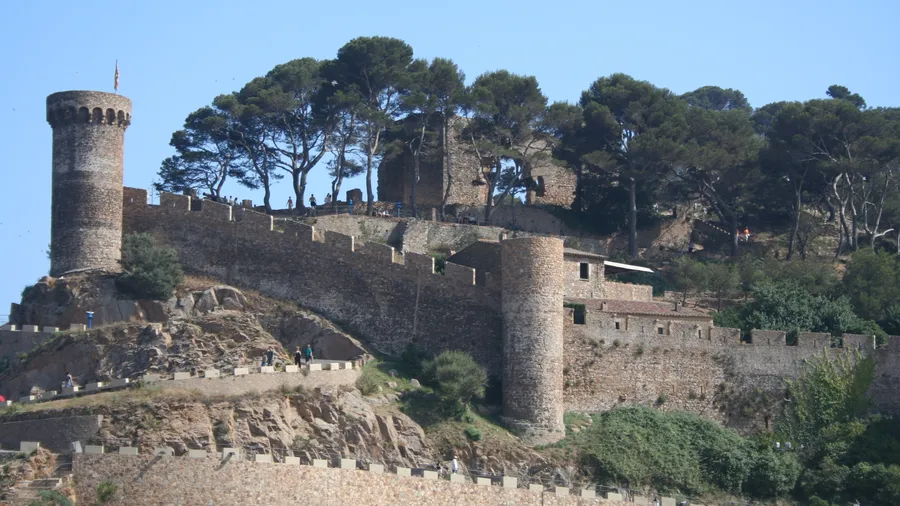
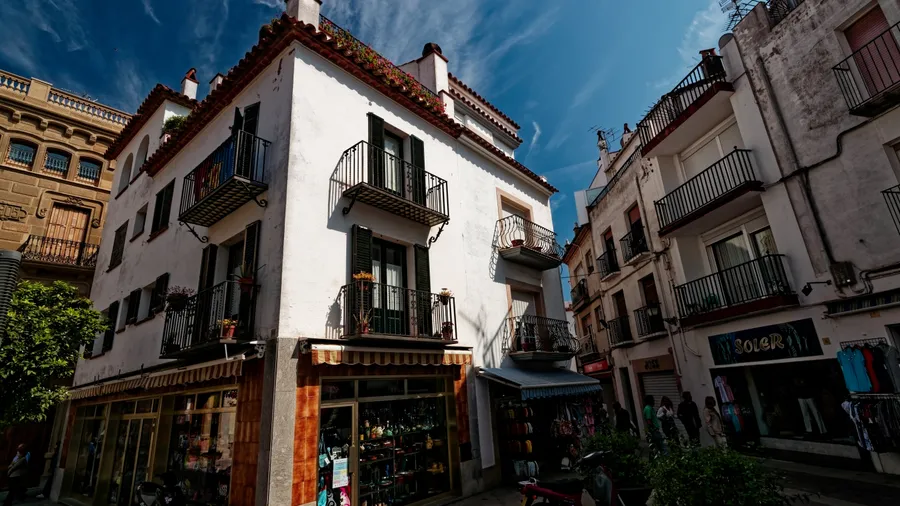
The Costa Brava stretches 214 kilometres along the shoreline from the town of Blanes in the south to the French border at Portbou in the north. The name, coined by journalist Ferran Agulló in 1908, accurately describes a coastal profile where metamorphic rock cliffs drop straight into the water and coarse-sand coves open between walls of pine and holm oak. The province of Girona anchors this coast, with towns such as Tossa de Mar, Begur, Palafrugell and Cadaqués preserving medieval centres perched on rocky headlands facing the Mediterranean.

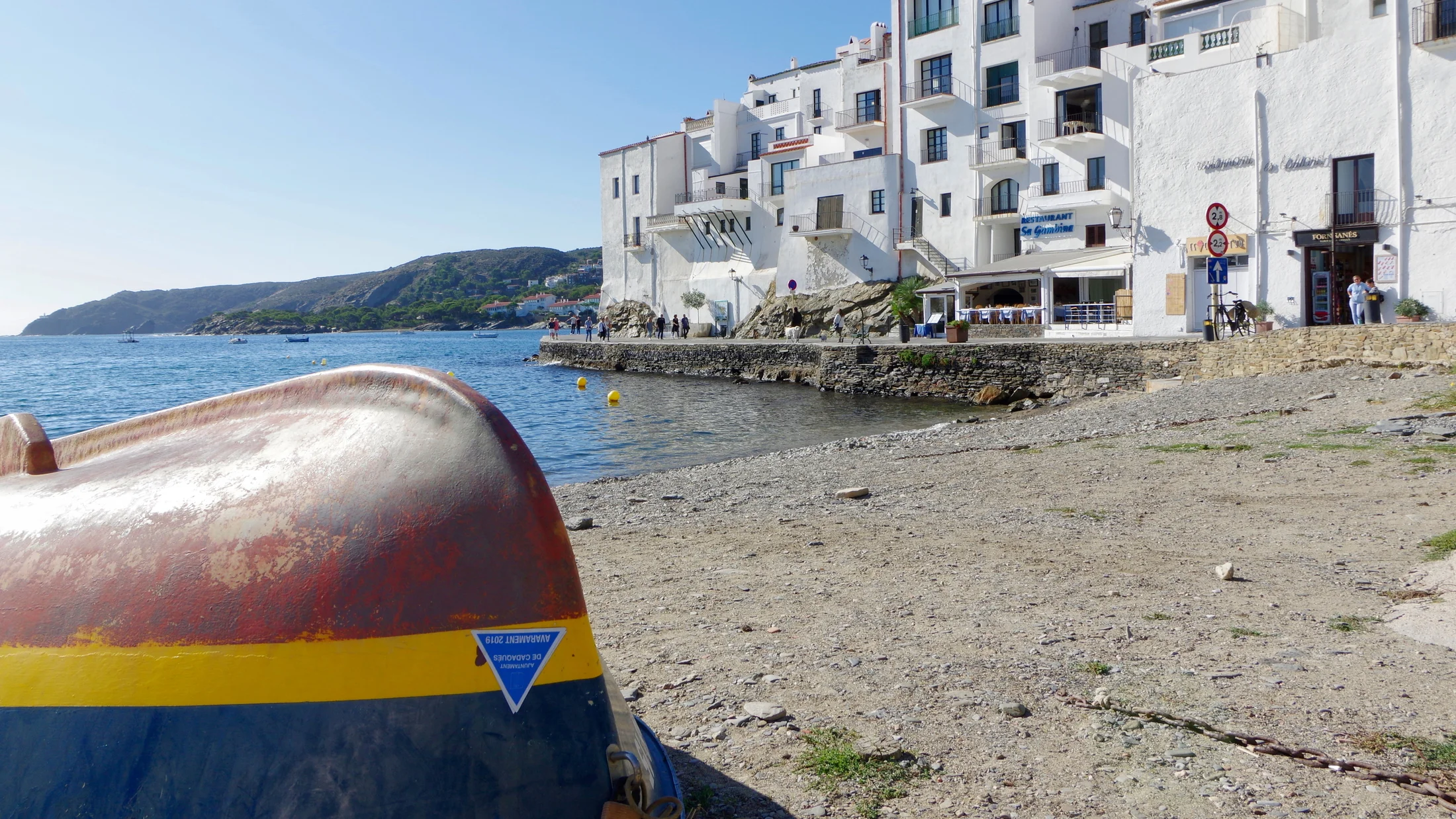
The northernmost stretch holds the Cap de Creus Natural Park, the first major peninsula of the western Mediterranean, where the tramontana wind has carved schist and slate formations that Dalí turned into a recurring motif in his painting. Cadaqués, sheltered in its bay, keeps its fishing-village structure of whitewashed houses and boats hauled up on Es Llané beach. Further south, the coves of Begur — Sa Tuna, Aiguablava, Sa Riera — combine transparent water with posidonia seagrass beds that give the sea an intense turquoise tone. The scent of salt and pine resin accompanies every descent along the trails connecting these coves.

Beneath the surface, the Medes Islands form the most important marine reserve on the Catalan coast. The seven islets and their seabed reaching 50 metres depth harbour over 1,400 recorded species, and diving here brings encounters with large grouper, Mediterranean barracuda, red gorgonians and posidonia meadows. The dive at El Medallot, a submarine tunnel cutting through one of the islands, ranks among the most recognised in the western Mediterranean. Visibility regularly reaches 15-20 metres between May and October.

The Camí de Ronda, a former coastal watch path turned hiking route (GR 92), follows the entire shoreline and allows days of walking between coves, cliffs and villages. Sections such as Calella de Palafrugell to Llafranc (3 km) or Tossa de Mar to Sant Feliu de Guíxols (23 km) feature among the most photographed coastal walks on the Iberian Peninsula. Inland, the Greco-Roman site of Empúries — founded by Phocaean colonists in the 6th century BC — preserves mosaics, forums and walls beside the beach, a rare instance of classical ruins facing the sea.

Sea kayaking has established the Costa Brava as a paddling reference point in the Mediterranean. Routes from Tamariu to the Begur sea caves or the Cap de Creus crossing from Port de la Selva reach spots inaccessible by land. In summer months water temperature sits between 22 and 25 °C, while spring and autumn bring fewer crowds and calmer paddling conditions.

Beyond the shoreline, the Empordà comarca adds a gastronomic dimension rooted in the territory. Palamós prawns, fished at 200 to 400 metres depth by the local fleet, are auctioned each afternoon at the harbour fish market. The rice paddies of the Aiguamolls de l'Empordà Natural Park yield local rice cooked in nearby restaurants. Inland medieval villages — Peratallada, Pals, Ullastret — preserve cobbled streets and walls that host music festivals and seasonal markets.
Practical information

Everything you need to know for your visit to Costa Brava

How to get there
From Barcelona, AP-7 motorway to Girona (100 km) then local roads to the coast. Girona-Costa Brava airport sits 12 km from Girona with bus connections. AVE high-speed train from Madrid to Girona in 3 h 40 min. SARFA buses link Girona with the main coastal towns.
Area Information
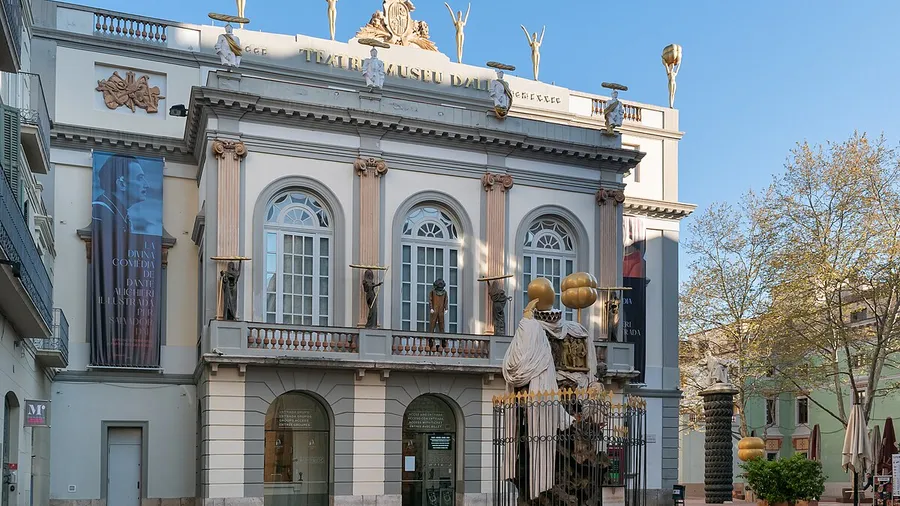
Diving centres in L'Estartit and Palamós. Marinas in Roses, Palamós and Blanes. Tourist offices in Tossa de Mar, Begur and Cadaqués. Kayak hire at Tamariu, Calella and Port de la Selva. Dalí Museum in Figueres, 40 min from the coast.
Geography
214 km coastline in Girona province, NE Catalonia. Metamorphic rock coast (schist, slate) with coves between 20-80 m cliffs. The Gavarres hills and the Montgrí massif shape the nearby inland relief.
Flora & Fauna
Aleppo pine forests and coastal holm oak on the cliffs. Posidonia oceanica meadows on the seabed. Grouper, barracuda, red gorgonians and over 1,400 recorded species at the Medes Islands. Shag and Audouin's gull at Cap de Creus.

Things to do

Find the best plans and things to do in Costa Brava

20

Accommodations

Best accommodation options in Costa Brava

Loading accommodation options...

Frequently Asked Questions

Get answers about Costa Brava

Yes, diving in the Medes Islands marine reserve requires advance authorisation, obtained through the authorised dive centres in L'Estartit. The number of daily dives is capped to protect the ecosystem. Centres handle the permit directly and include it in the dive price, which runs around 45-65 euros with full equipment. Booking ahead is recommended between June and September.
The full GR 92 route along the Costa Brava covers roughly 214 km and is usually split into 10-12 stages of 15 to 25 km each. You don't have to walk the whole thing: sections such as Calella de Palafrugell to Llafranc (3 km, 1 hour) or Tossa de Mar to Sant Feliu de Guíxols (23 km, 7 hours) work as day hikes. The trail is waymarked and stays at low altitude but has constant ups and downs between coves.
Fine-sand coves with gentle waves and easy access suit families best. Platja de Castell in Palamós has coarse sand and shallow water. Sa Riera in Begur offers a wide beach with nearby parking. Cala Montjoi near Roses has a gentle slope ideal for children playing at the water's edge. At all of them, arrive early in summer to find space, as room is limited.
Cadaqués in autumn and winter has a different character: streets empty out, restaurants serve without rush and the light over the bay turns a silvery grey that explains the pull it exerted on Dalí. The Portlligat house-museum opens year-round with advance booking. The only drawback is the tramontana wind, which can blow for days with gusts of 80-100 km/h, but that is also part of the experience.
Yes, most kayak operators on the Costa Brava run guided outings for beginners that include a 15-20 minute briefing on shore before heading out. Introductory routes typically last 2-3 hours with stops at coves for swimming. The most sheltered stretches, such as the bay of Tamariu or the section between Calella de Palafrugell and Llafranc, are the best places to start.