Castile-La Mancha

What to do in Castile-La Mancha

Plans, activities and things to see in Castile-La Mancha

Discover Castile-La Mancha

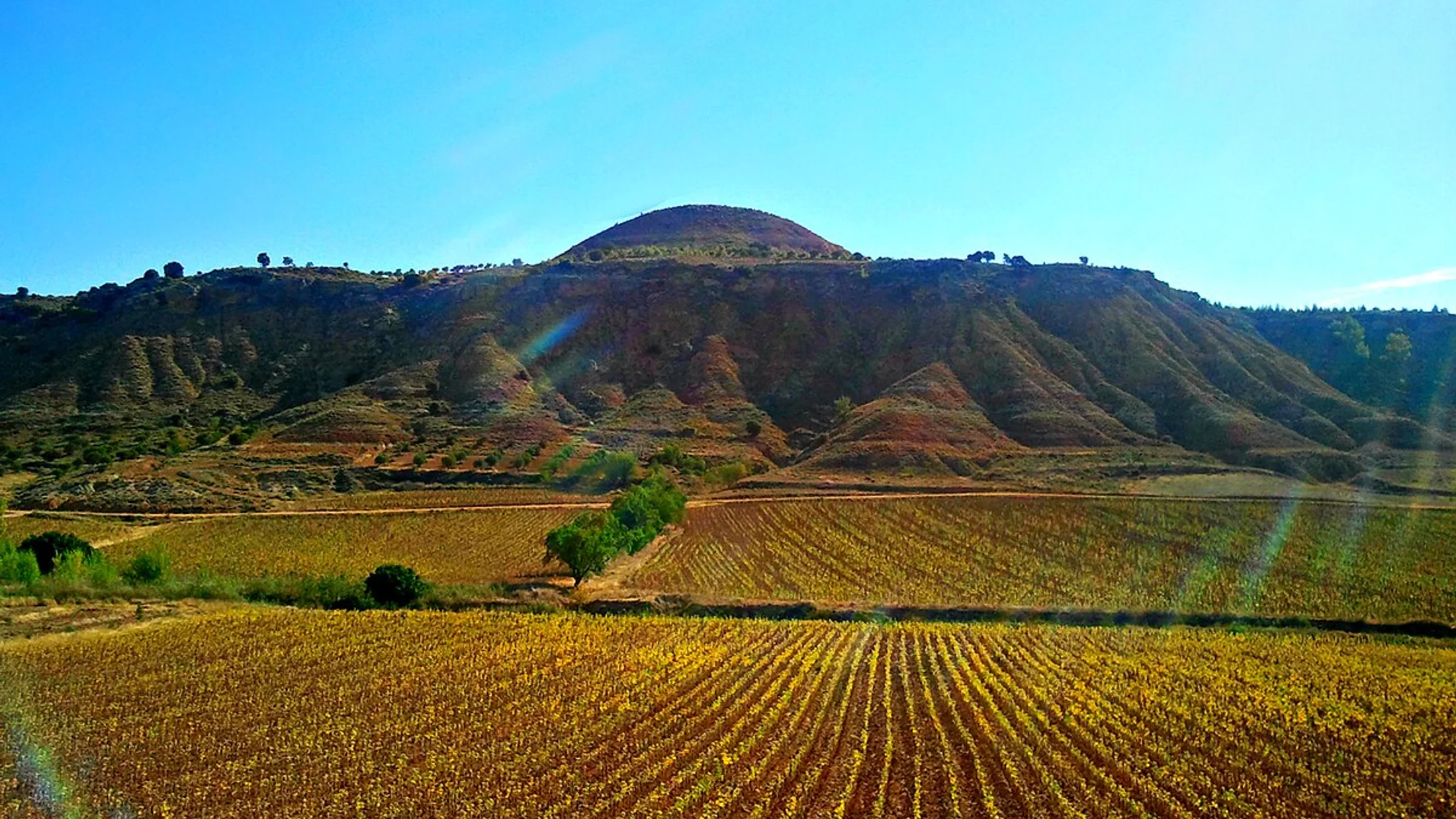
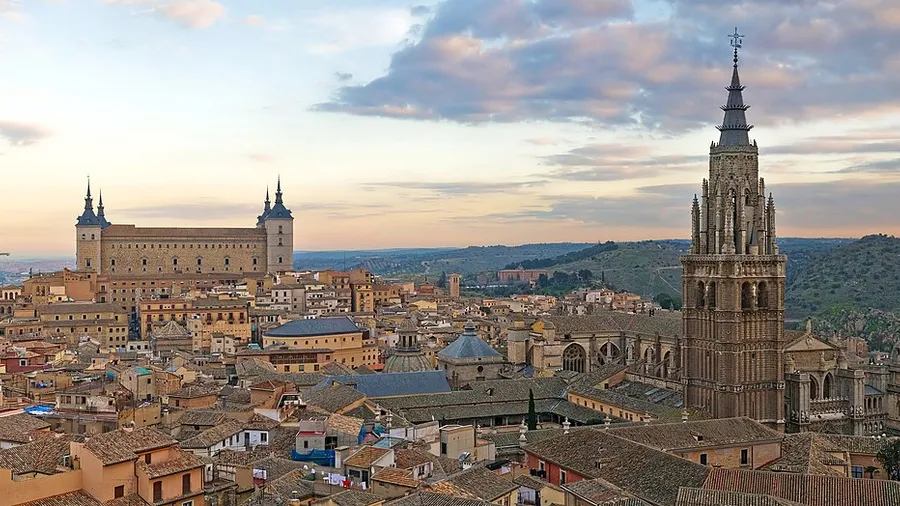
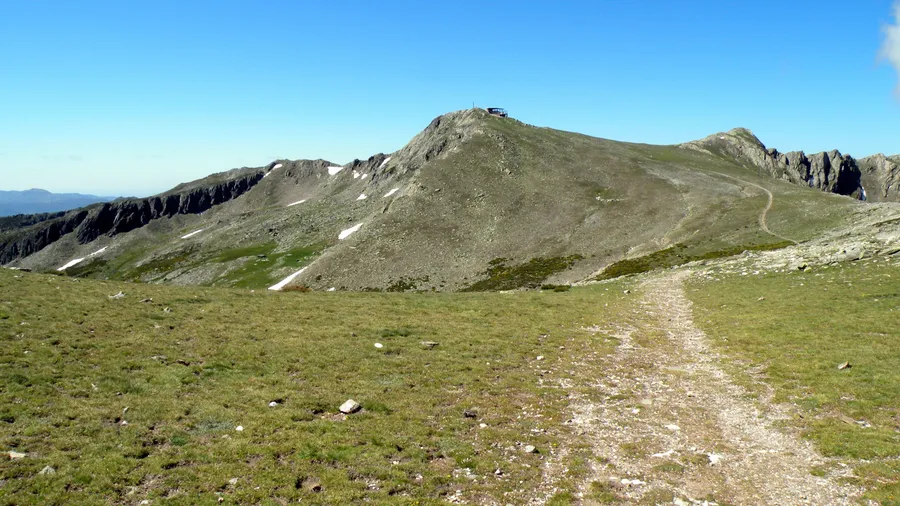
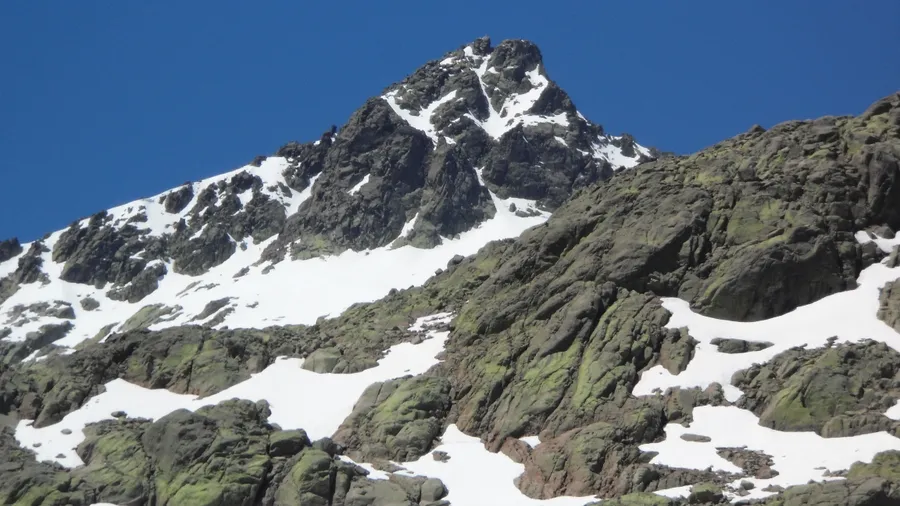
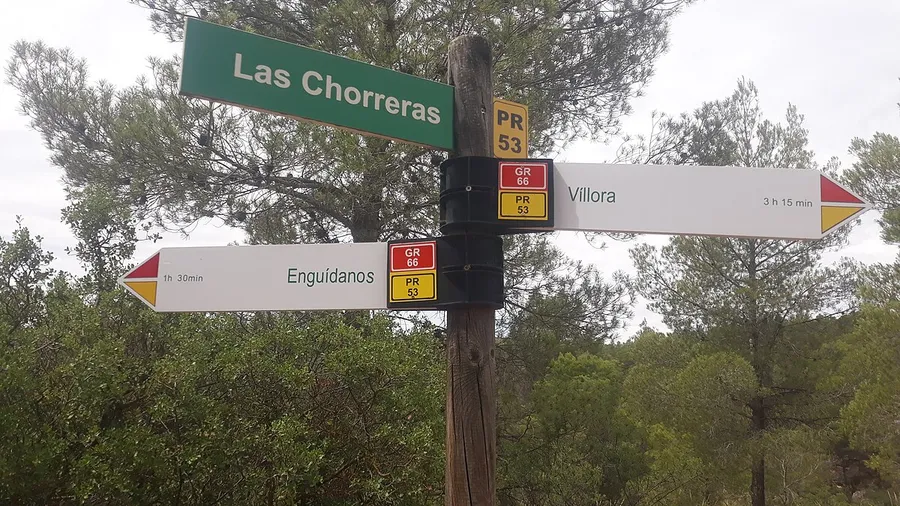
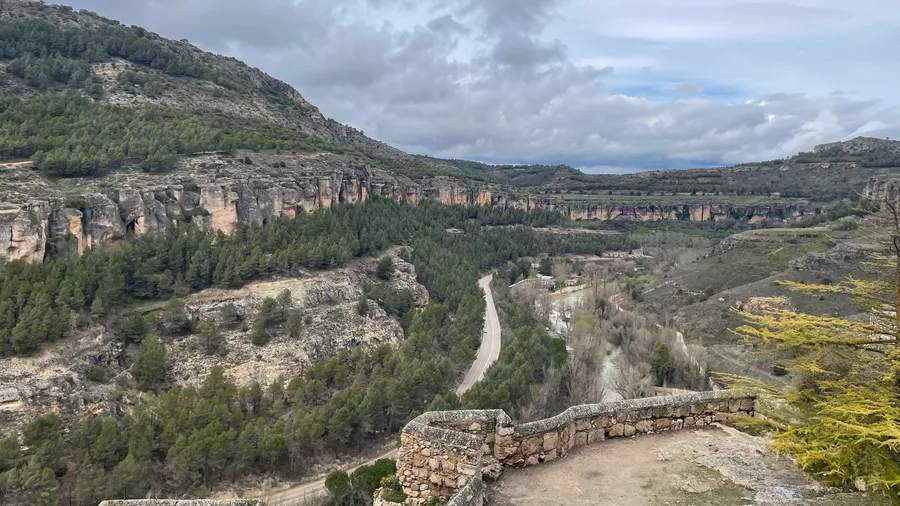
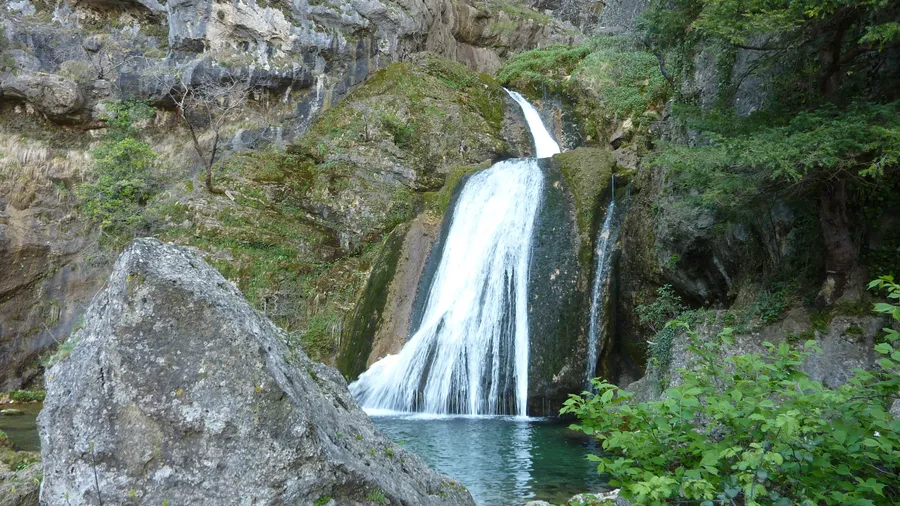
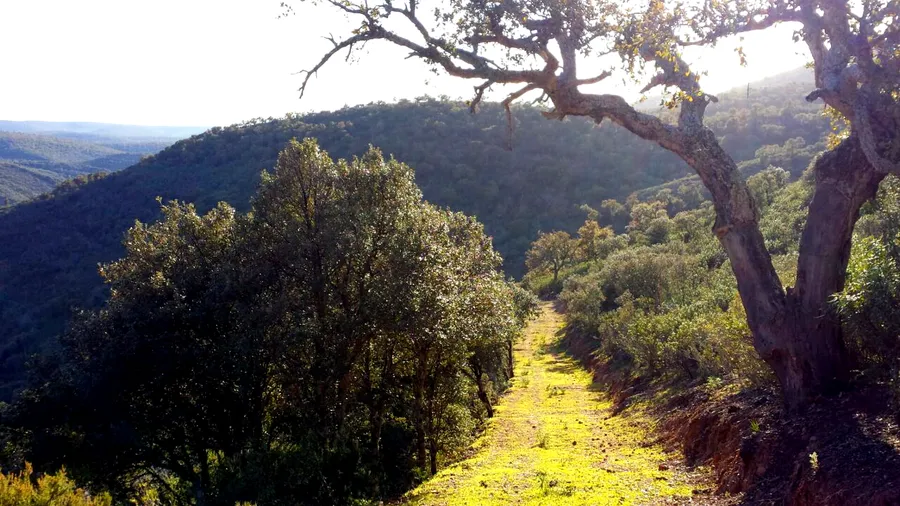
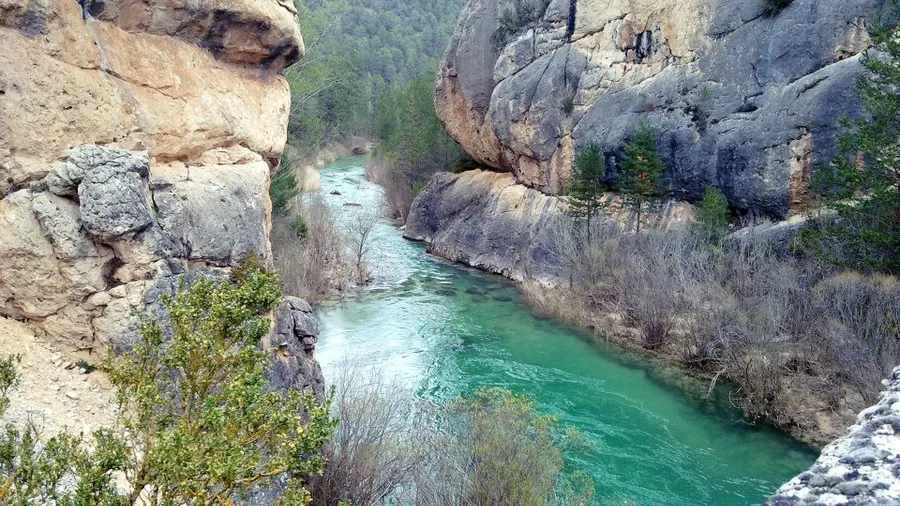
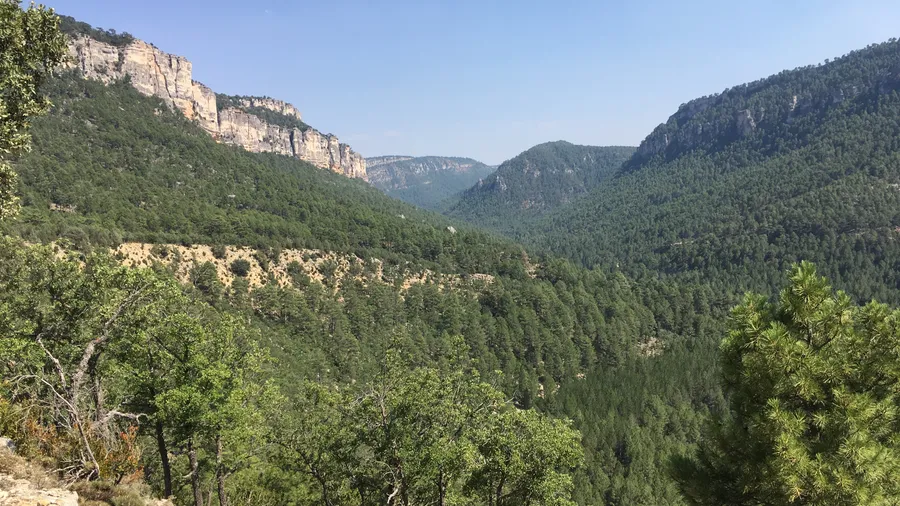
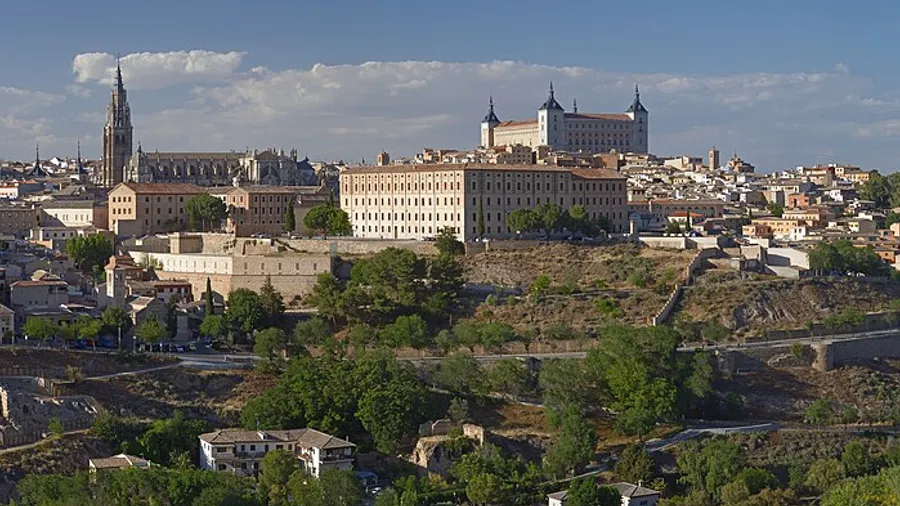
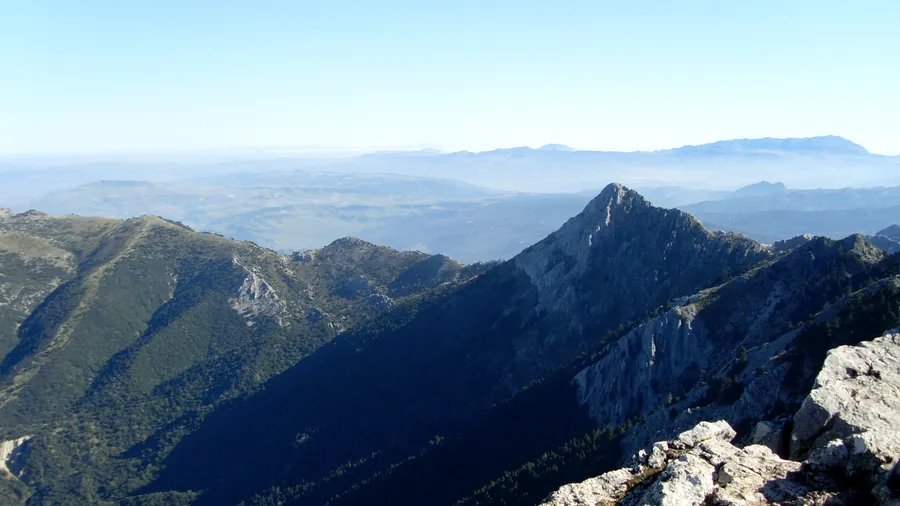
Castile-La Mancha stretches 79,463 km² between the southern plateau and the mountain ranges that frame it to the north and east. Beyond the windmills silhouetted on La Mancha ridgelines, the region holds striking geographical contrasts: the limestone gorges of the Serranía de Cuenca — with walls up to 200 metres of bare rock — the lake maze of Lagunas de Ruidera, the Mediterranean forest of Cabañeros and the Toledo ranges that border the Tagus. The Serranía de Cuenca concentrates the highest density of technical activities in the region. Canyoning on the Júcar river and its tributaries reaches Class IV sections during snowmelt, while the climbing sectors in Las Torcas — karstic depressions with vertical walls — offer routes across all grades. Hiking the Camino del Júcar or the Callejones de las Majadas route combines exposed geology with pine and juniper forest. Lagunas de Ruidera, a chain of 15 linked lakes stretching 30 km along the upper Guadiana, is the benchmark destination for flatwater kayaking and canoeing in inland Spain. Cabañeros National Park — one of the best-preserved in the country, with 40,856 hectares of Mediterranean woodland and dehesa — hosts hiking routes, wildlife watching and birdwatching, with the black vulture as its flagship species. Around Toledo, cycling routes through the Montes de Toledo and the Tagus flood plain combine agricultural landscape with heritage stops. Flat-terrain cycle touring across the high plateau covers dozens of kilometres through Tempranillo and Airén vineyards, with DO La Mancha wineries open to visits without advance booking.

Highlights

  • • Canyoning on the Júcar with Class IV sections in the Serranía de Cuenca
  • • Climbing in karstic Las Torcas depressions, vertical walls to 200 metres
  • • Kayaking Lagunas de Ruidera, 30 km of linked lakes on the Guadiana
  • • Hiking Cabañeros National Park with black vulture wildlife watching
  • • Cycling through Montes de Toledo and the Tagus flood plain
  • • DO La Mancha winery visits through Tempranillo and Airén vineyards

Best time to visit

Spring (April-June) and autumn (September-November) for hiking and cycling. Summer for kayaking at Ruidera, though crowded. Winter for low-flow canyoning in the interior gorges.

Practical tips

To visit Cabañeros in high season (March-October), book vehicle access at least 48 hours in advance: the park has a visitor cap. At Ruidera in August, arrive before 9am or use the bus from Ossa de Montiel to avoid road closures due to saturation. For canyoning on the Júcar, check real-time flow data on the CHJ (Confederación Hidrográfica del Júcar) website before heading out.

Plans and activities en Castile-La Mancha

Las mejores experiencias y planes disponibles en Castile-La Mancha

60

What to see en Castile-La Mancha

Rincones, lugares y puntos de interés que no te puedes perder

Destinations & areas

Zonas y destinos turísticos en Castile-La Mancha

Frequently asked questions sobre Castile-La Mancha
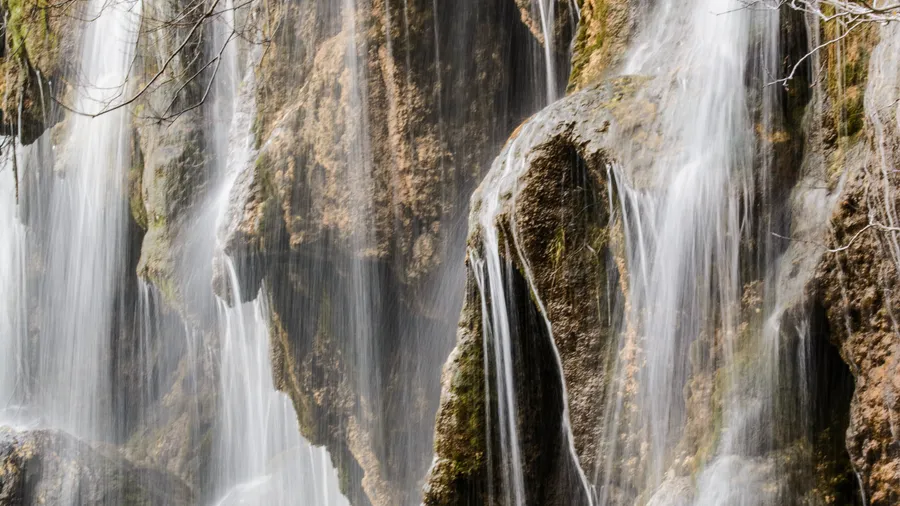
The Júcar and Cabriel canyons include sections graded III to IV+ depending on season and water level. For beginners there are guided Grade I-II descents in the Júcar gorges near Cuenca city. Hiring a guide is mandatory in canyons designated as regulated practice zones; local operators provide all equipment.
Yes, several lakes have designated swimming areas in summer, though the natural park rules restrict motorised access to the water. Kayak and canoe use requires a daily permit purchased at park entry points. Water channels between lakes are freely accessible on foot.
Yes. The Raña trail, about 8 km with minimal elevation gain, covers the park's most representative landscape and suits children from age 6. The Pueblonuevo del Bullaque Visitors' Centre runs guided walks with a nature interpreter on spring and autumn weekends.
May-June and September-October offer the best balance of temperatures and visitor numbers. In July and August tourism concentrates on the main lakes and access roads get closed due to saturation. In winter the lakes glow deep turquoise and crowds are minimal, though cold limits kayaking.
Lagunas de Ruidera is approximately 220 km via the A-4 and CM-3131 (2 h 15 min by car). Cuenca city is 165 km via the A-40 (1 h 45 min). Cabañeros is accessed from Toledo in about 100 km on regional roads (1 h 20 min). There is no direct train to any of these destinations; car or scheduled coach are the usual options.

Related articles sobre Castile-La Mancha