Why Nature-focused Send-offs Are Winning Hearts
The shift toward nature and wellness
Trade neon lights for birdsong and a bachelorette yoga retreat becomes a celebration you actually feel in your body. Across Spain, friend groups are choosing restorative weekends over late-night blowouts, blending gentle movement, spa time, and good food. The trend follows broader wellness demand: small-group escapes, outdoor activities, and inclusive plans that welcome all genders and fitness levels. Imagine dawn light warming a wooden deck as mats unroll and pine air sharpens your breath.
These retreats offer three solid gains: genuine connection, lasting calm before the wedding sprint, and a shared memory that lands like a deep exhale. Mixed groups planning a bachelor party wellness retreat also find the format adapts—swap a vigorous hike for a longer thermal circuit, or choose co-ed mindfulness over separate activities. In Spain, strong rail links and diverse landscapes make it easy to reach forests, coastlines, and mountain valleys within 1–3 hours from major cities. Keep reading for practical steps to plan it right.
What you will take from this guide
You will learn how to choose the right destination in Spain, plan a balanced activity flow, and set a realistic budget. We break down seasons, travel options, and the pros and cons of rural houses, spa hotels, eco-lodges, and glamping. We include sample itineraries, a packing checklist, and logistics templates to simplify group coordination. Picture smooth planning: the scent of rosemary in a garden kitchen as the group kneads focaccia dough. You will also find FAQs and, at the end, a simple path to contact trusted providers and lock in dates.
Picuco te puede ayudar
Does something here catch your eye?
Tell us.
Write to us on WhatsApp or email: we answer questions, find the best options and help you sort out the booking.
Essential Decisions for Your Nature Retreat in Spain
Locations: mountain, coast, and rural heartlands that work
Spain’s landscapes make a nature wellness retreat Spain easy to tailor. Choose by vibe, access, and services.
-
Mountain sierras (fresh air, trails, spring/fall sweet spots):
- Sierra de Guadarrama (Madrid–Segovia): 60–90 min from Madrid by car; great for outdoor yoga bachelorette decks with views.
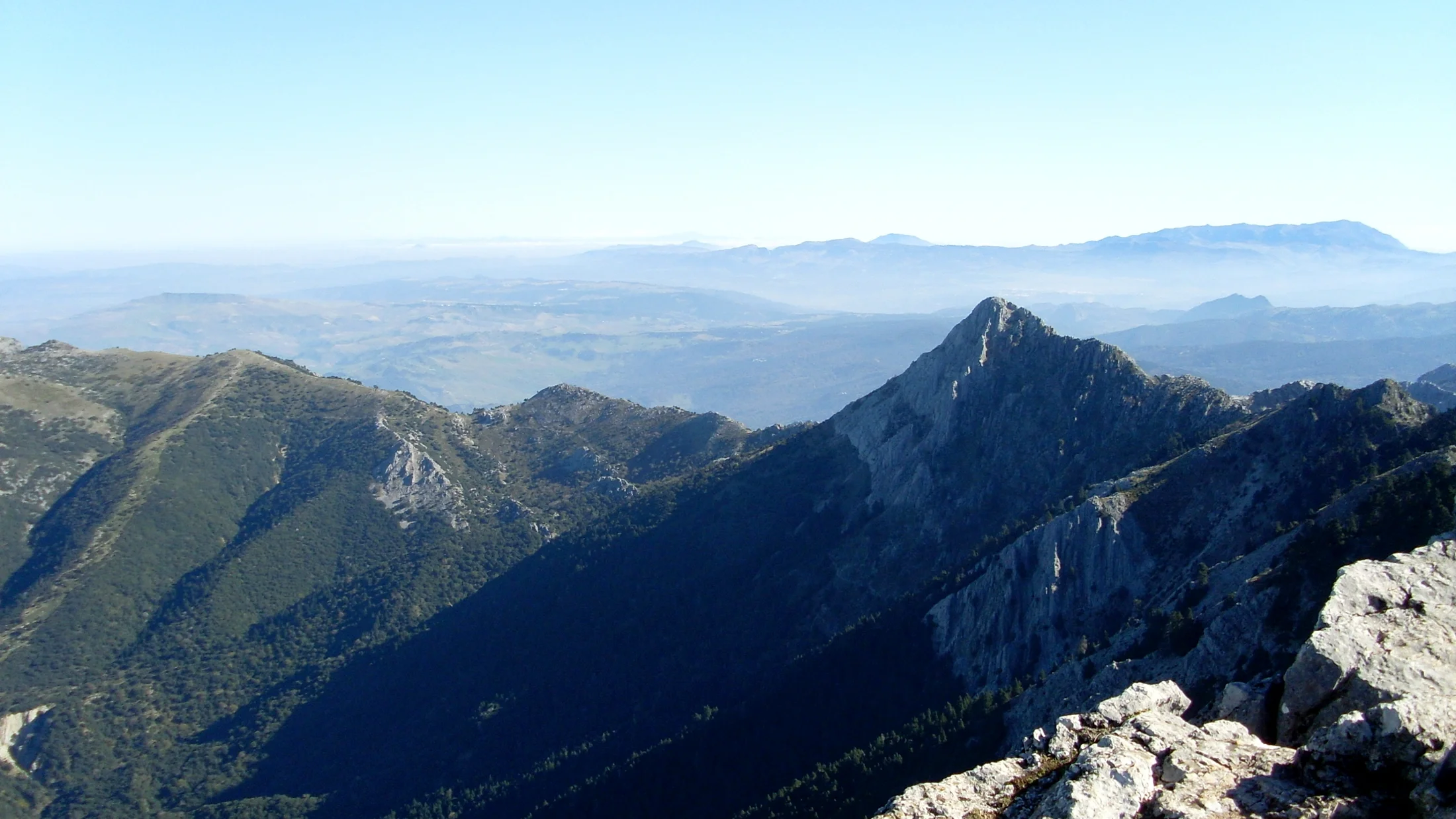
- Sierra de Grazalema (Cádiz–Málaga): limestone peaks, white villages, strong artisan food culture.
- Picos de Europa (Asturias–Cantabria–León): dramatic valleys, cool summers, but longer transfers.
-
Rural interior (quiet pace, farm-to-table):
- La Rioja and Rioja Alavesa: vineyards and rolling hills; pair with mindful tastings.
- Sierra de Espadán (Castellón): cork oak forests and village paths; 60–90 min from Valencia.
-
Coast and islands (sea breezes, off-season value):
- Costa Brava (Girona): pine-fringed coves; May–June and Sept–Oct are ideal.
- Serra de Tramuntana (Mallorca): terraces and stone villages; plan transfers well.
- Tenerife (Anaga, Teno): laurel forests and volcanic energy; combine with ocean swims.
Locally you might see listings labeled “retiro naturaleza España” or “spa rural despedida”—both point to nature-first escapes with wellness options. Think morning yoga, midday swims, and afternoon thermal circuits framed by olive groves.
When to go: seasons and ideal climate
- Spring (March–June): Stable temps for outdoor yoga and hikes; wildflowers and clear mornings. Best for mixed-ability groups and gentle vinyasa on terraces. A breeze across a meadow carries thyme and earth.
- Summer (July–August): Opt for early sessions (7:30–9:00) and post-sunset practices; plan spa and siesta midday. Coastal and high-altitude areas stay fresher. For a bachelor retreat with more activity, consider sunrise hikes.
- Autumn (September–November): Warm seas, golden forests, harvest foods; excellent for a restorative focus and mindful vineyard walks.
- Winter (December–February): Perfect for spa hen do Spain formats and hot-cold rituals; choose venues with heated indoor studios and thermal circuits. Short daylight requires tighter schedules and reflective evenings.
Family-friendly groups can favor spring/autumn for mild days; younger groups can handle summer dawn sessions plus water-based recovery. If you plan a mixed bachelor and bachelorette weekend, winter spa-plus-nature walks create balanced energy.
Getting there: transport and connections that simplify arrivals
Most groups mix planes, trains, and road transfers. Choose a hub with solid connections, then add a short road leg.
- Car: Often the cheapest per person for 6–10 people; car-share pairs well with rural houses.
- Train + taxi/van: AVE and regional trains connect Madrid, Barcelona, Valencia, Málaga, and Seville to nearby towns; pre-book a 20–60 min taxi/van for the last mile.
- Private minibus: Good for 10–18 people with gear; fixed pickup points reduce stress. The soft hum of tires on a country road sets a calm tone.
Coordination tips:
- Create a shared arrival sheet with columns: name, ETA, mode, pickup point, mobile.
- Stagger pickups: Airport/Station → supermarket stop (20–30 min) → venue.
- Save costs: Group bags in one van while the rest take a train; split transfers by cluster (same flight/train).
- Always share a plan B: “If delayed >45 min, we move you to the next shuttle at HH.”
Where to stay: capacities and amenities that matter
Match your accommodation to group size, privacy needs, and wellness spaces. Prioritize a dedicated practice room (or flat lawn/deck), communal lounge, and either a kitchen or on-site dining.
| Type | Capacity typical | Best features | Watch-outs | Ideal for |
|---|---|---|---|---|
| Rural house | 8–20 | Privacy, kitchen workshops, garden decks | Varying mat space; check noise rules | Close friends, DIY meals |
| Spa hotel (rural) | 8–30+ | On-site circuits, treatments, rainy-day backup | Less private; higher per-person cost | Spa-first, easy logistics |
| Eco-lodge | 10–24 | Nature immersion, permaculture kitchens | Limited spa; confirm heating/cooling | Mindful food + learning |
| Glamping | 8–18 | Unique tents, forest ambience, fire circles | Weather risk; bathrooms layout | Summer novelty, small groups |
For a group wellness retreat, ask for:
- Practice space: 2.5–3 m² per person indoors; shade/wind options outdoors.
- Treatment rooms: 2–4 rooms minimize waiting for massages.
- Rooming: Mix shared (budget) and twin/double (privacy); confirm layouts.
- Quiet policy: Essential for Nidra or meditation blocks. A single window open to evening crickets can turn lights-out into a shared ritual.
Core Wellness: Yoga, Spa, and Mindfulness That Shape the Weekend
Yoga: styles and group-friendly dynamics
Choose accessible styles for mixed levels, then layer energy over the weekend. Good picks:
- Hatha: steady postures, breath cues, clear alignment.
- Gentle vinyasa: fluid but low intensity; ideal morning wake-up.
- Restorative + yin: long, supported holds—nervous systems settle.
- Yoga nidra: guided “yogic sleep,” 20–35 minutes to downshift.
Format ideas for a retiro yoga despedida:
- Friday late afternoon: 60–75 min grounding hatha; pre-dinner welcome circle.
- Saturday sunrise: 60 min gentle vinyasa; sunset 45 min yin + 25 min Nidra.
- Sunday: 45 min mobility + breath, then a closing intention. The scent of warm wood under bare feet helps the group arrive.
Adaptations:
- Offer chair variations and prop stations.
- Invite clock-free time: no phones in the practice zone.
- For varied ages, alternate movement intensity with contemplative blocks.
Rural spa: treatments and how to weave them in
A spa rural despedida balances movement with deep rest. Common elements:
- Thermal circuits: hot (sauna/steam), warm pools, contrast showers; 75–120 min.
- Massages: 25–50 min slots; book back-to-back in 2–4 rooms.
- Body wraps/scrubs: 30–50 min; pair with a short meditation.
Planning tips:
- Lock the circuit for your group if possible; it supports privacy and a social flow.
- Stagger massage times around a group tea table to keep conversations gentle.
- If your venue lacks a spa, book a nearby rural spa and schedule a 3-hour window including transfers. Steam whispers, eucalyptus lifts, and shoulders drop.
Pros vs. cons:
- Integrated spa hotel: zero transfers, simple timing, higher nightly rate.
- External spa: more choice, scenic drives, add-on transfer cost. For a spa hen do Spain feel, anchor Saturday midday in the thermal circuit and leave evenings light.
Meditation and mindfulness: guided practices and goals
Mindfulness for retreats is simply present-moment attention, trained through breath, body scans, or sound. It reduces pre-wedding jitters and enhances group cohesion.
Suggested sessions:
- Arrival breathwork (15–20 min): box or 4–7–8 breathing; reset after travel.
- Guided meditation (20–30 min): focus on sensation or nature sounds; eyes closed or soft gaze.
- Mindful journaling (15–20 min): one prompt, one page; share only if invited.
Objectives:
- Relaxation: choose body scan + soft music.
- Anxiety relief: pair paced breathing with longer exhales.
- Connection: do a brief loving-kindness (metta) practice naming each attendee. A single candle flicker can center attention in a quiet room.
Materials and setup:
- Cushions/bolsters, blankets, timer chime, optional essential oils.
- Indoors for sound control; outdoors when wind is low and shade exists.
- Keep circles inclusive—offer opt-outs without pressure.
Movement in nature: outdoor classes and somatic practices
Nature amplifies embodiment. Think slow pilates, mobility flows, and contemplative walks that sync breath with landscape.
Options to blend across the weekend:
- Gentle pilates: 45–60 min focusing on core and posture; good post-hike.
- Conscious walking: 30–60 min with silent intervals; pause for 5–7 min standing stretches at viewpoints.
- Somatic release: 30–45 min of micro-movements and floor work; pairs with yin.
Safety and planning:
- Check terrain; use flat clearings, beach coves at low tide, or miradores with railings.
- Weather plan: early mornings for heat, indoor backup for wind/rain.
- Cue hydration and hats; bring portable shade. The cool nip of dawn air on forearms can enliven even the sleepiest start.
Sample combo:
- Saturday sunrise deck flow → mid-morning mindful hike → midday spa → sunset Nidra.
- Sunday short forest mobility → closing circle.
Beyond the Mat: Hikes, Workshops, and Healthy Food
Hiking and deeper nature connection
Hikes set a shared rhythm and create space for unhurried conversation. Match the route to abilities and forecast.
-
Difficulty tiers:
- Easy: 4–6 km, ±150 m elevation, 1.5–2 hours; add a 10-minute lakeside breath practice.
- Moderate: 8–12 km, ±300–500 m, 3–4 hours; include two stretch stops and a mindful snack break.
- Scenic micro-walks: 1–3 km loops for groups with limited mobility.
-
Choosing safely:
- Check local park advisories the day before.
- Avoid exposed ridges in high winds or midday heat waves.
- Share GPX tracks and meeting points in advance.
-
Footwear and weather:
- Lightweight hiking shoes or sturdy trainers for easy routes; boots for rocky trails.
- Carry layers, rain shells, sun protection, 1–2 L water per person. A faint path perfumed by wild fennel can turn a simple walk into a small discovery.
Integrate mindfulness:
- Start with 2 minutes of quiet attention to sound.
- Practice “five senses” at a viewpoint.
- Close with three shared gratitudes before returning.
Creative workshops that fit your group’s personality
Workshops add play, learning, and keepsakes—choose what resonates with the honoree.
-
Aromatherapy blending:
- Goal: craft a group scent or pulse oil.
- Materials: carrier oils, 6–8 essential oils, droppers, labels.
- Duration: 60–90 min; pairs well after a calming practice.
-
Flower-crown making:
- Goal: create crowns or small posies for a dinner ritual.
- Materials: seasonal stems, wire, tape, shears.
- Duration: 90–120 min; spring/autumn shine with local blooms.
-
Conscious dance:
- Goal: release tension, celebrate together.
- Materials: speaker, curated playlist, open room or lawn.
- Duration: 45–60 min; low-light evenings feel safe and playful.
-
Journaling + intention cards:
- Goal: reflect on transitions and friendships.
- Materials: notebooks, pens, prompt cards.
- Duration: 45 min; pair with tea. Paper rustle and soft ink create a hush.
Selection tips:
- Match energy: high-vibe groups love rhythm; quieter crews prefer scent or craft.
- Respect allergies/sensitivities for oils and florals.
- Aim for one longer workshop or two shorter ones to avoid schedule fatigue.
Healthy gastronomy and culinary experiences
Food anchors the wellness arc. Plan menus that are colorful, seasonal, and satisfying without heaviness.
Options to consider:
- Local healthy cuisine:
- Tap into garden produce, olive oils, legumes, fresh fish where coastal.
- Build mezze-style lunches: grains, greens, protein, ferments.
- Cooking workshops:
- Make “cocas” or veggie paellas; learn quick sauces and dressings.
- 90–120 min works well between practices.
- Vegetarian/vegan menus:
- Offer omnivore add-ons at one meal if needed; keep base menus plant-forward.
- Tastings:
- Olive oil flights, herbal infusions, low-alcohol or alcohol-free pairings for an inclusive table.
Dietary needs:
- Collect allergies and preferences early; label dishes clearly.
- Separate utensils for gluten-free or nut-free meal prep.
- Hydration: herbal waters with citrus and mint. The scent of orange zest brightens a long table at dusk.
Budget guidance:
- Self-catered breakfasts and one lunch, plus a chef-catered dinner, keep costs balanced.
- Expect 20–40 € p.p. per day for quality self-catering; 35–60 € p.p. for a chef meal, depending on region. Confirm current ranges on Picuco or with your provider.
Choosing and Personalizing the Right Retreat
Define objectives and your group profile
Start with a short survey so every voice is heard. Ask:
- Priority focus: relax, adventure, learning, or a balanced mix?
- Energy curve: evenings social or quiet?
- Access needs: injuries, pregnancy, mobility, sensory sensitivities?
- Food: allergies, strong dislikes, preferred styles?
- Budget comfort range and rooming preferences?
Turn this into a simple brief for the organizer:
- “We’re 12 people, two pregnant attendees, two knee injuries; want outdoor classes and a midday spa, no late nights.”
- “We prefer shared rooms to save; one special dinner; two non-alcohol options.” A single sentence that captures the weekend’s purpose—“celebrate with calm and warmth”—helps filter activities. The soft scratch of pens on a shared note can make planning feel collaborative.
Duration and format: weekend or extended retreat?
Pick the frame that fits calendars and goals:
-
Two-night weekend (Friday–Sunday):
- Friday: arrival, grounding hatha, farm-to-table dinner.
- Saturday: dawn vinyasa, mindful hike, spa circuit, yin + Nidra, celebratory dinner.
- Sunday: mobility flow, farewell brunch, unhurried checkout.
- Pros: easy to schedule, cost-contained; Cons: tighter pace.
-
Three or four days:
- Adds a free afternoon, a creative workshop, and deeper rest.
- Pros: more integration and options; Cons: higher budget and time off.
-
One-night micro-retreat:
- Afternoon arrival, sunset practice, thermal circuit, morning Nidra + brunch.
- Pros: minimal logistics, good for small budgets; Cons: limited variety. A longer sunset casts honey light across yoga mats, slowing everyone without a word.
Choose extended formats for groups craving learning (e.g., breathwork) or wider exploration; pick weekends for quick resets.
Budget and payment options
Build a per-person plan with clear categories:
- Accommodation (2 nights): rural house 45–90 € p.p./night; spa hotel 80–160 € p.p./night depending on season and rooming.
- Activities: yoga instruction 12–25 € p.p./session; spa circuits 25–45 € p.p.; massages 35–75 € (25–50 min).
- Transport: transfers 12–35 € p.p. depending on distance.
- Food: 20–40 € p.p./day self-catered; 35–60 € p.p. catered dinner.
Confirm current ranges on Picuco or with providers; prices shift by region and season. Payment models:
- Equal split per person.
- Tiered split for private rooms or massages.
- Deposit + staged payments to protect the booking. The reassuring click of a paid deposit calms planning nerves.
Negotiation tips:
- Ask for group bundles (studio + spa + workshop).
- Travel off-peak (March–May, Sept–Nov outside holidays).
- Offer flexibility on check-in/out to secure better rates.
Personalization: private sessions, surprises, and extras
Make it yours without crowding the schedule.
- Private yoga class with the honoree’s favorite music.
- Group ritual: gratitude circle, intention cards, or a candle-lighting moment.
- Welcome packs: mini journal, herbal tea, and a personalized blend from the aromatherapy workshop.
- Photo corner: instant camera with a mindful prompt board.
Coordination:
- Nominate two “surprise captains” who liaise with the provider under a private chat.
- Communicate boundaries: photography opt-outs, no surprise intensity for sensitive attendees.
- Keep surprises short (15–20 min) and placed before dinner or after brunch so no one sacrifices rest. A quiet rustle of tissue paper and a shared smile can be the whole show.
Practical Tips for Smooth, Inclusive Retreats
Logistics and transport: coordination and backups
Reduce stress with clear, shared tools.
- Create a one-page plan: venue address, host contact, check-in time, emergency numbers.
- Spreadsheet tabs:
- Arrivals: ETAs, flight/train numbers, pickup clusters.
- Rooms: assignments and swap policy.
- Schedule: live version with weather contingencies.
Message templates:
- To provider: “We have a 40-minute flight delay; can we shift the Friday class to 18:30 and shorten to 60 minutes?”
- To group: “Plan B active: rain expected 10–13 h, moving hike to 16:00; bring layers.”
Backups:
- Weather: indoor studio for morning; deck after 18:00 when wind calms.
- Transport: secondary taxi firm and a car-share plan if the minibus runs late. A light patter of rain on a tiled roof feels comforting when a smooth Plan B is ready.
Budget: splitting costs and tracking spend
Money clarity preserves harmony.
-
Methods:
- Shared-expense apps (create categories by Accommodation/Activities/Transport/Food).
- Common kitty in cash for groceries and fuel; reconcile with receipts.
- Pre-pay big items (accommodation, yoga, spa) to limit on-site transactions.
-
Extras to forecast:
- Tips for therapists, late checkout, extra firewood, pool heating.
- Snack runs, parking, corkage or special cake fee.
- Incidentals: first-aid supplies, garment steamer for outfits.
-
Build a buffer: +10–15% per person. The soft zip of an envelope with contingency cash can save a scramble. Share a final ledger within 72 hours after the trip to close the loop.
What to pack: the essential wellness kit
Pack light but smart; think layers and shared gear.
-
Personal:
- Yoga mat (or confirm venue stock), grippy towel, water bottle.
- Breathable layers, warm socks, light rain shell, sun hat, SPF.
- Swimwear and sandals for spa; eye mask for Nidra; earplugs for shared rooms.
-
Footwear:
- Cushioned trainers for easy trails; ankle boots for rocky terrain.
-
Shared:
- Extra mats/blocks/straps, portable speaker, extension cords.
- First-aid kit: blister care, antihistamines, pain relief, bandages.
- Snacks: nuts, fruit, oat bars; herbal teas. The smell of peppermint tea resets energy between sessions.
-
Paperwork:
- IDs, health info (discreet), reservations, offline maps. Pack for cool mornings and warm afternoons; in summer, emphasize shade and hydration.
Group dynamics and safety: clear norms and care
Set norms on day one:
- Respect quiet hours and device-free practice times.
- Consent-first activities: opt-outs welcomed without explanation.
- Photography/privacy: define no-photo zones and sharing rules.
Handle disagreements:
- Name one neutral coordinator; use private check-ins, not public debates.
- Offer parallel options: some nap and spa; others take a short walk.
Emergency basics:
- Share allergies and emergency contacts with the host (confidentially).
- Know the nearest clinic and pharmacy hours.
- Create a simple protocol: stop the activity, check vitals, call emergency services if needed. As a group breathes through a short pause together, tension dissipates like mist in morning sun.
Frequently Asked Questions
How far in advance should we book?
For spring and autumn, aim for 8–12 weeks ahead; longer (12–16 weeks) for islands or popular sierras. Spa treatments and private instructors book up quickly on weekends. If you’re flexible on dates or rooming, you can find options closer in—just confirm availability of indoor practice space and treatment rooms.
Is a wellness retreat suitable for mixed ages and fitness levels?
Yes, with adaptive programming. Choose gentle hatha/vinyasa, add chair or prop variations, and include low-impact alternatives (mindful walks instead of steep hikes). Keep sessions optional, and offer shorter practice windows (30–45 min) for those who prefer a softer entry. Clear opt-outs protect comfort and inclusion.
What about dietary restrictions and allergies?
Gather details upfront and share them with your host or chef at least a week prior. Plan labeled buffets with separate utensils, plus simple swaps (gluten-free grains, nut-free pestos). Keep a basic antihistamine in the first-aid kit and confirm kitchen protocols for cross-contact. For tastings, include alcohol-free pairings.
Can we combine bachelor and bachelorette groups?
Absolutely—co-ed, inclusive retreats work well. Balance the schedule: shared morning practice, a midday thermal circuit, and optional tracks (a longer hike vs. an extended treatment block). Establish quiet hours and photo guidelines, then celebrate together at a single, unhurried dinner. Mindful structure avoids energy clashes.
What’s a realistic budget per person?
For two nights in Spain, typical combined costs range from 180–420 € p.p. depending on accommodation type, season, and activities. Rural houses with self-catering land on the lower end; spa hotels and multiple treatments raise the total. Confirm current ranges on Picuco or with the operator before collecting deposits.
What happens if the weather turns bad?
Have an indoor studio reserved, slide outdoor sessions to early/late slots, and keep a calm Plan B: longer Nidra, a creative workshop, or a spa block. Share updates in a single group message to reduce confusion. After the storm, reintroduce outdoor time with a short, sun-safe walk.
Reserve your experience — discover outdoor and nature activities in Spain with Picuco-verified providers.
Conclusion: Plan the Send-off Everyone Will Remember
A nature-first wellness weekend turns pre-wedding stress into spacious time together. You now have the essentials: where to go in Spain by vibe and season, how to reach rural venues smoothly, what to look for in practice spaces and spas, and how to build a rhythm that suits every energy level. You also have backup plans, budget frameworks, and activity ideas—from mindful hikes to creative workshops and calming Nidra—that make your bachelorette yoga retreat or bachelor party wellness retreat inclusive and memorable.
Move from ideas to action with a simple checklist:
- Fix a date window and confirm numbers.
- Define your focus (relax, adventure, learning) and any access or dietary needs.
- Request proposals for two formats (weekend vs. 3 days) with transparent pricing, indoor/outdoor options, and treatment blocks.
Spain’s sierras, coasts, and rural valleys are ready—close enough for an easy transfer, rich enough for deep rest, and shaped by local hosts who care for these landscapes. When the group finally exhales under a canopy of stars, you will feel why slowing down together matters. If you’re ready to compare tailored options and secure trusted instructors and spa slots, reach out to plan your dates and reserve the retreat that fits your circle.