Guadalajara

What to do in Guadalajara

Plans, activities and things to see in Guadalajara

Discover Guadalajara

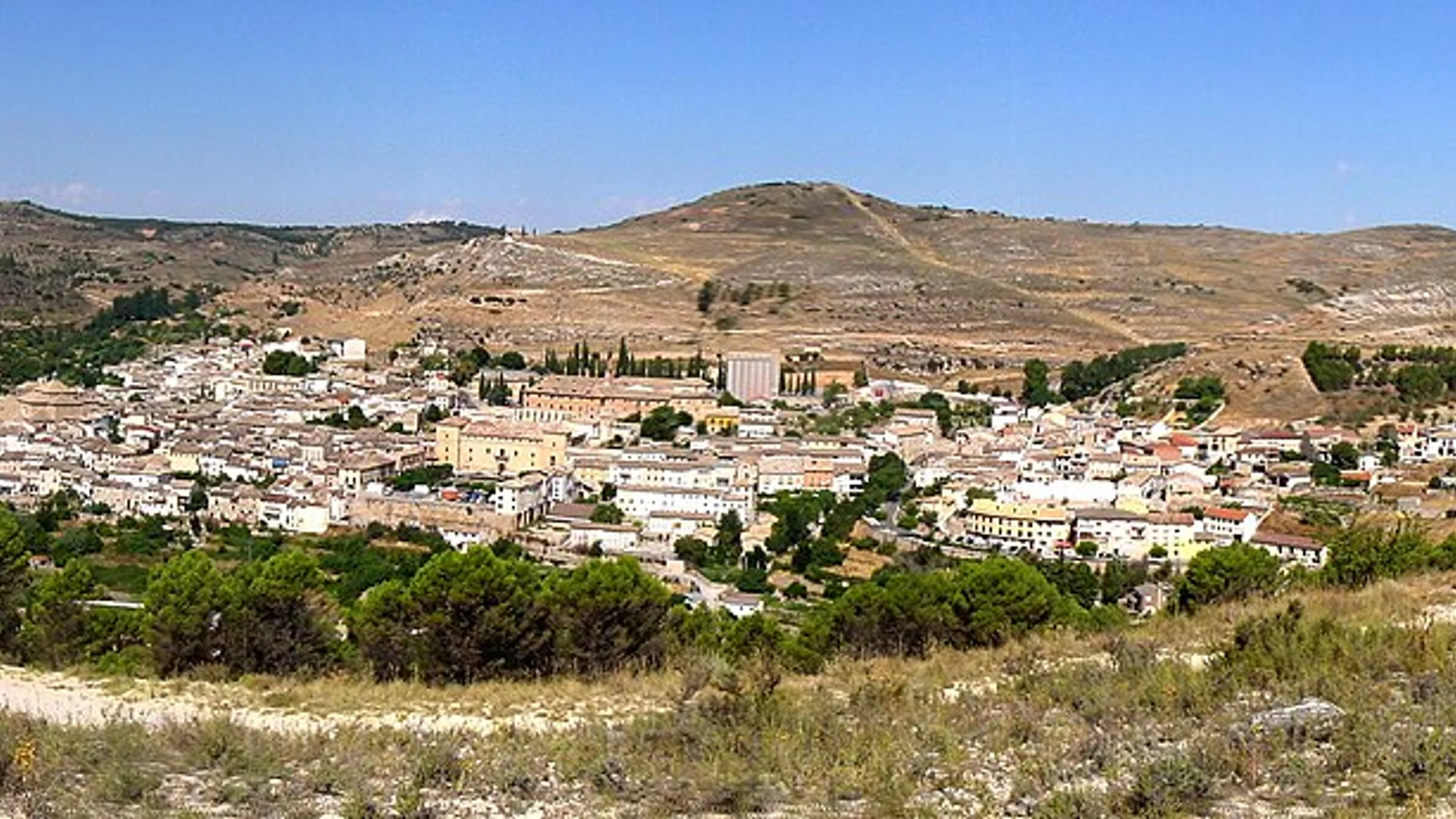
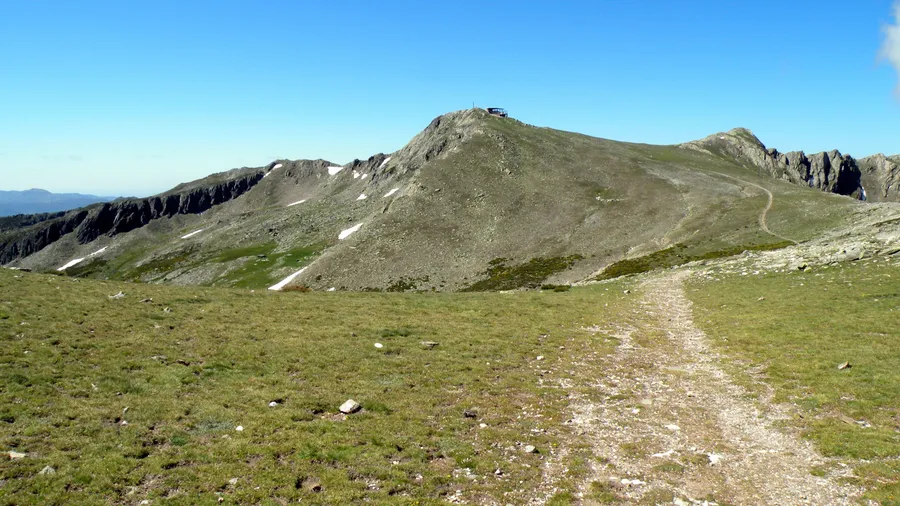
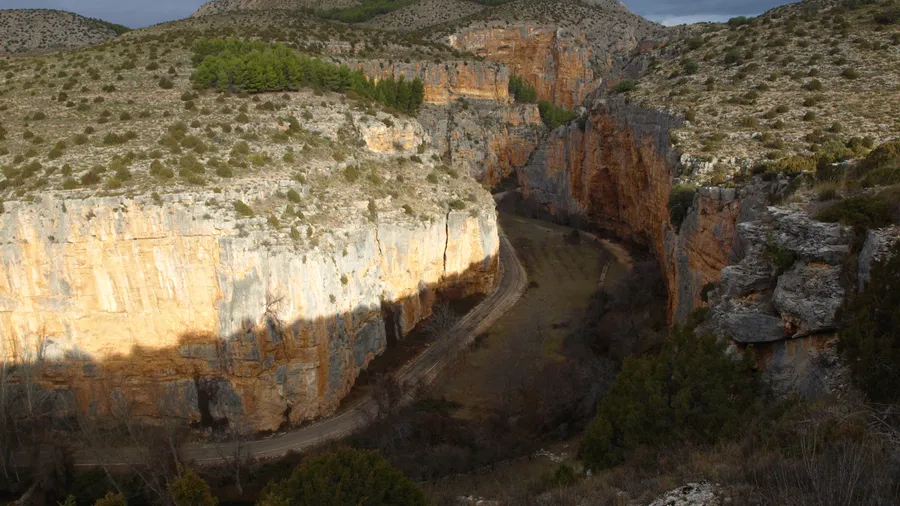
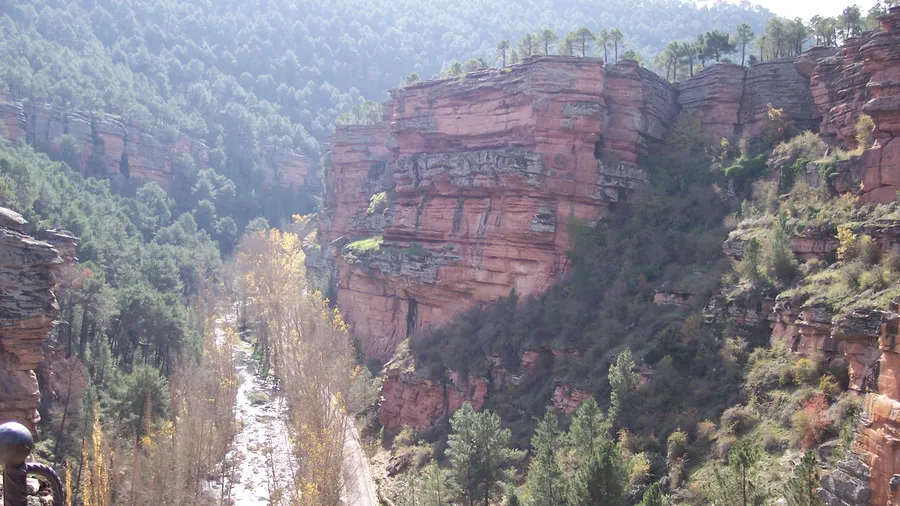
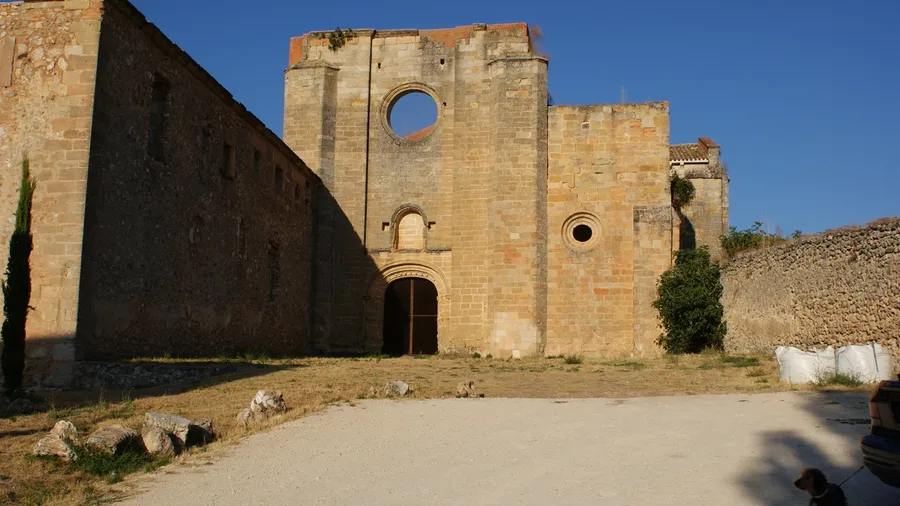
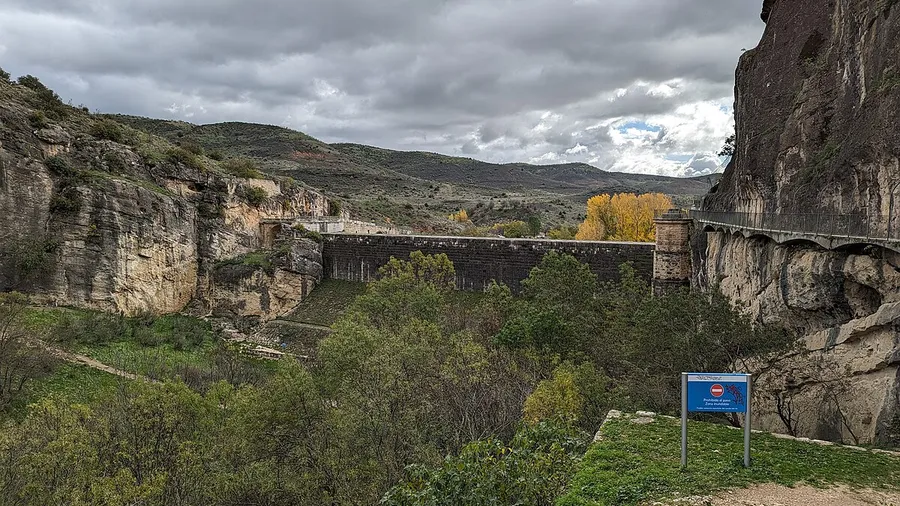
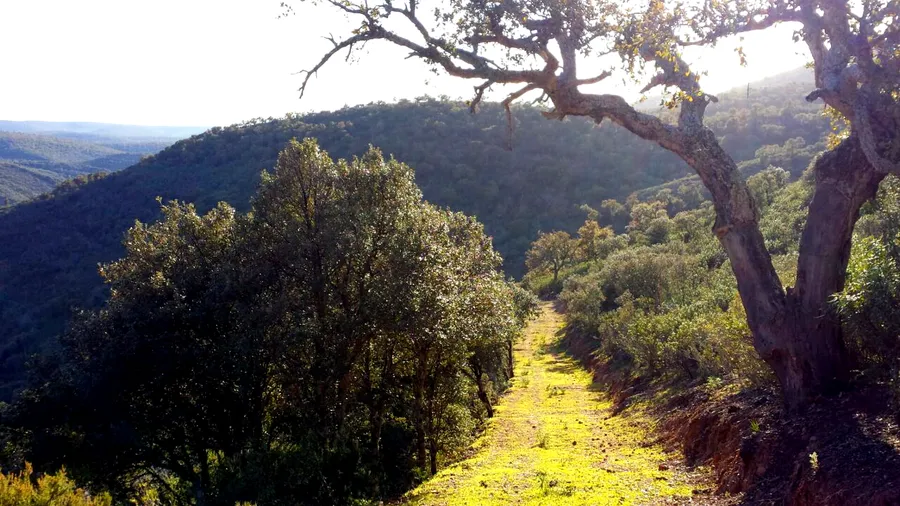
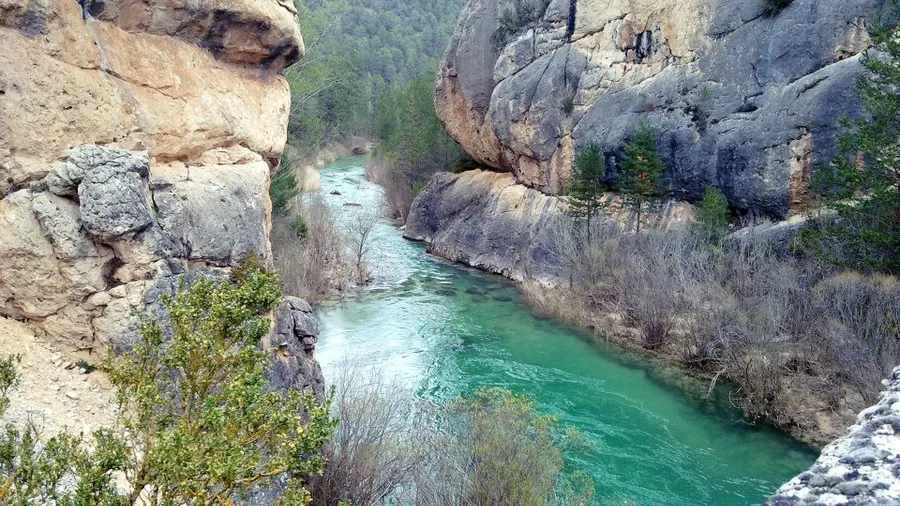
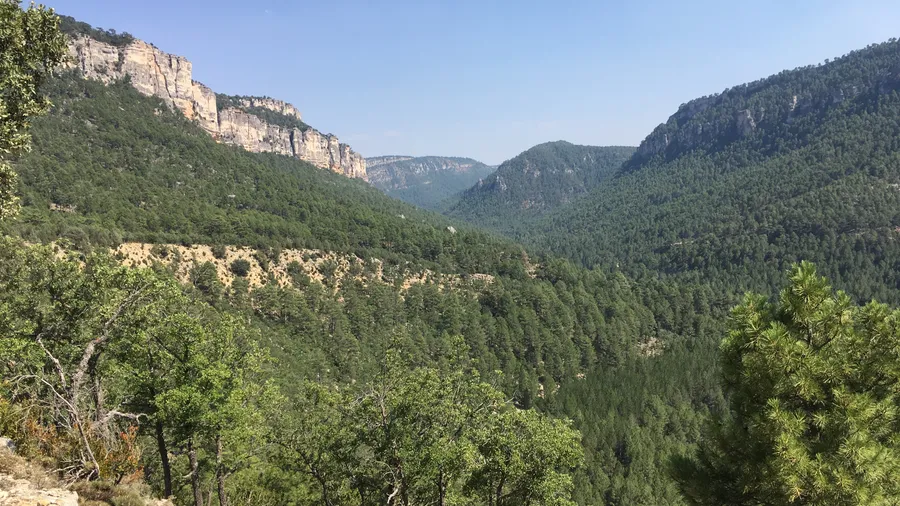
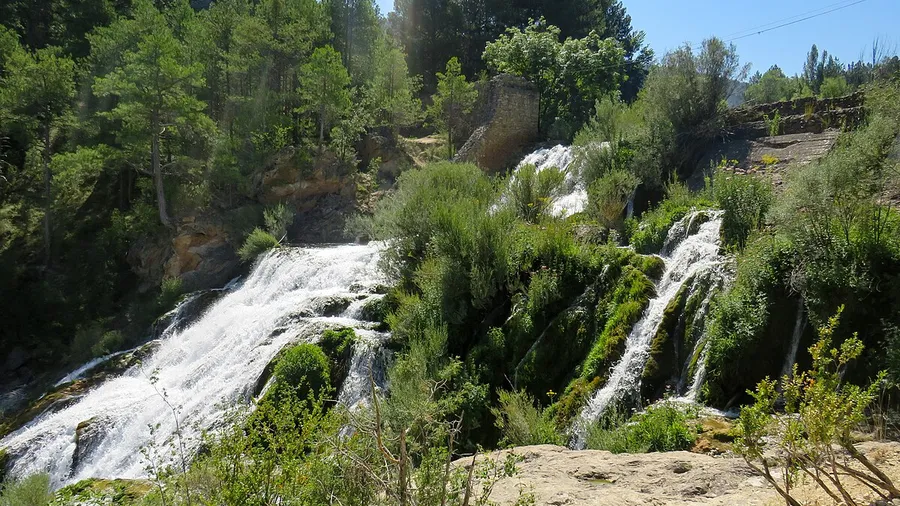
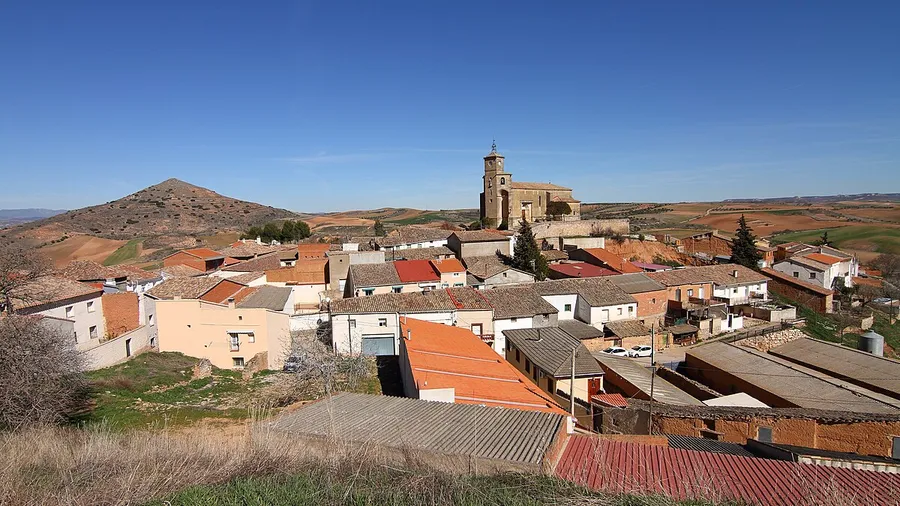
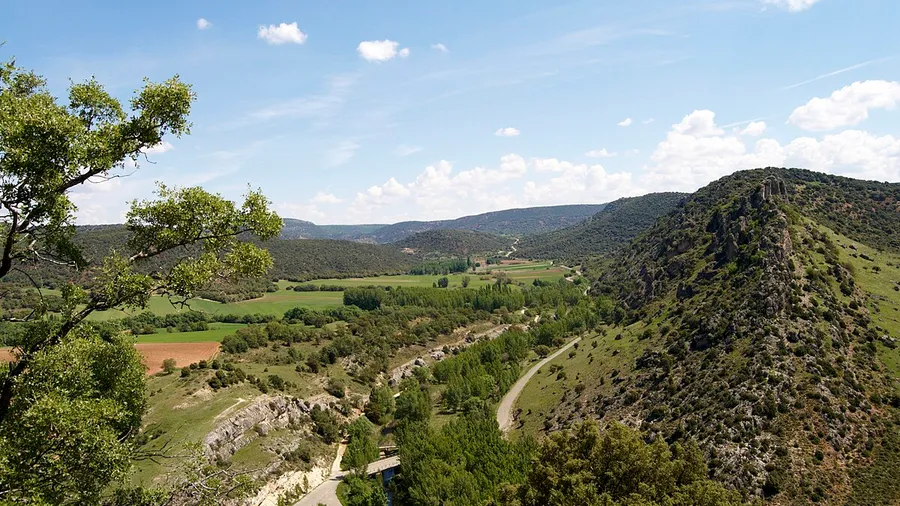
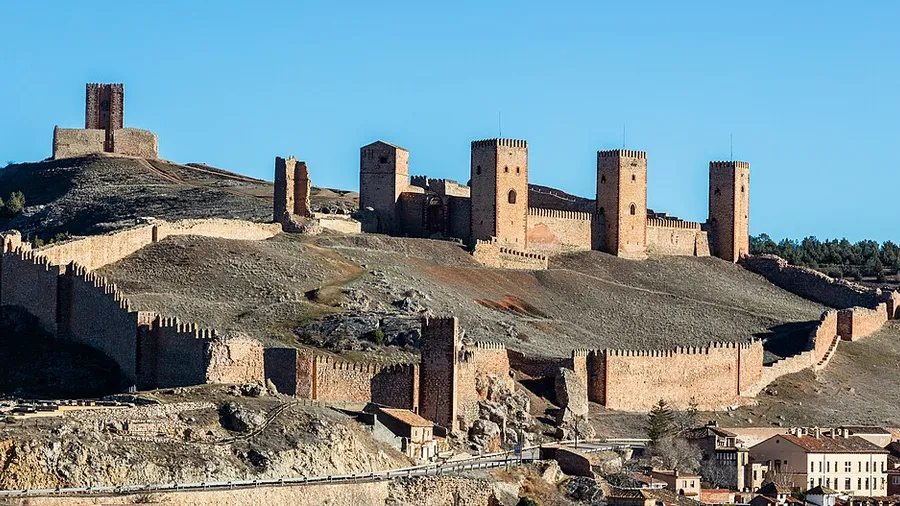
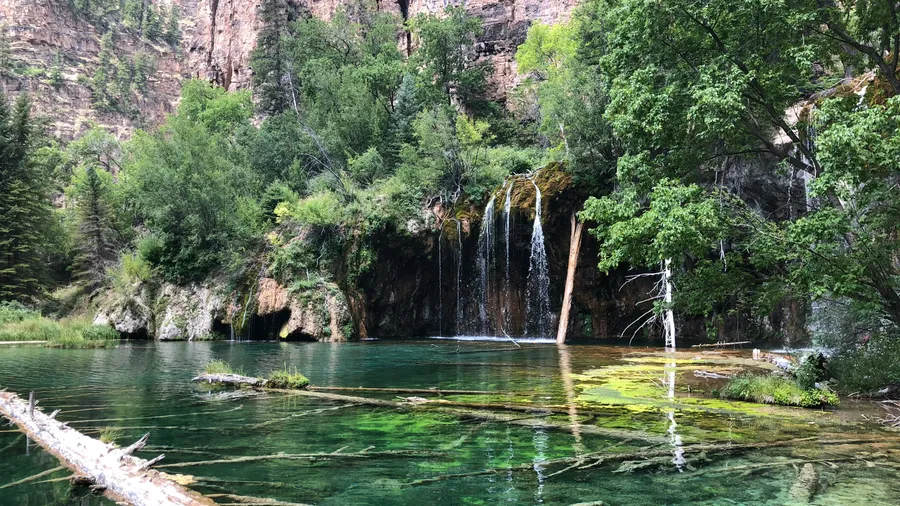
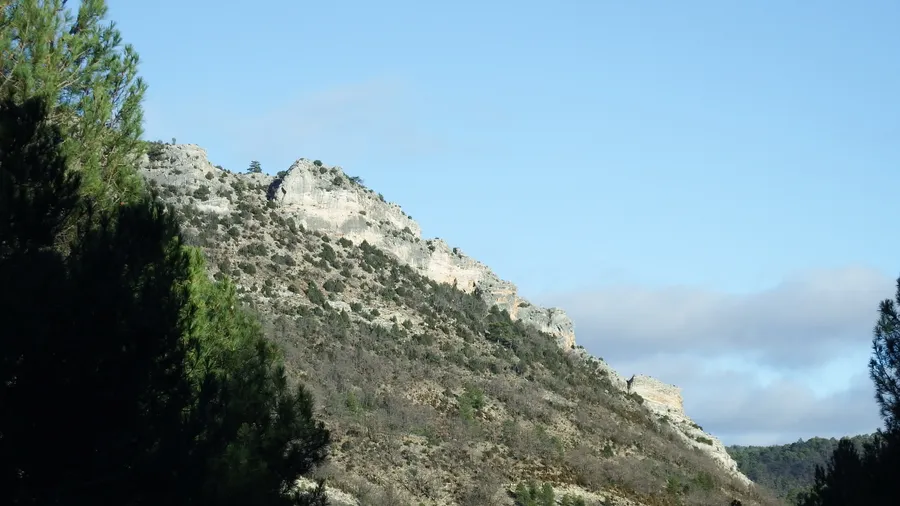
Guadalajara is a province where the relief stretches from the mountains down to the Alcarria plateau, passing through the canyons of the Alto Tajo. The Alto Tajo Natural Park concentrates most of the canyoning offering: the Tajo Tinto, Bullones and Arandilla gorges have beginner and intermediate sectors, with clean-water pools and limestone rock walls that in some places exceed 80 metres in height. The active season runs from April to October, and accessibility from Madrid — under 2 hours on the A-2 motorway — makes this area a reference for weekend canyoning. Tejera Negra Beech Forest, in the municipality of Cantalojas, is the southernmost beech forest on the Iberian Peninsula. Around 600 hectares of Fagus sylvatica that shift from deep green to orange and yellow between late September and mid-November. Access to the natural park has controlled capacity in autumn; the main trails (PR-GU 50 and PR-GU 51) cover about 12 km with minimal elevation gain. For climbing, the via ferrata sector at Molina de Aragón offers installed routes on limestone with sections of up to 150 metres and several difficulty levels. Road cycling along the Ruta de la Seda — connecting Guadalajara city to Sigüenza through the Alcarria — is a route of about 100 km with medieval villages and Visigothic monasteries as landmarks. The Sierra Norte of Guadalajara, with the Ucero reservoir and the Hiendelaencina pine forests, rounds out the offering with mountain biking routes on varied terrain.

Highlights

  • • Canyoning in Alto Tajo, gorges with walls of up to 80 m
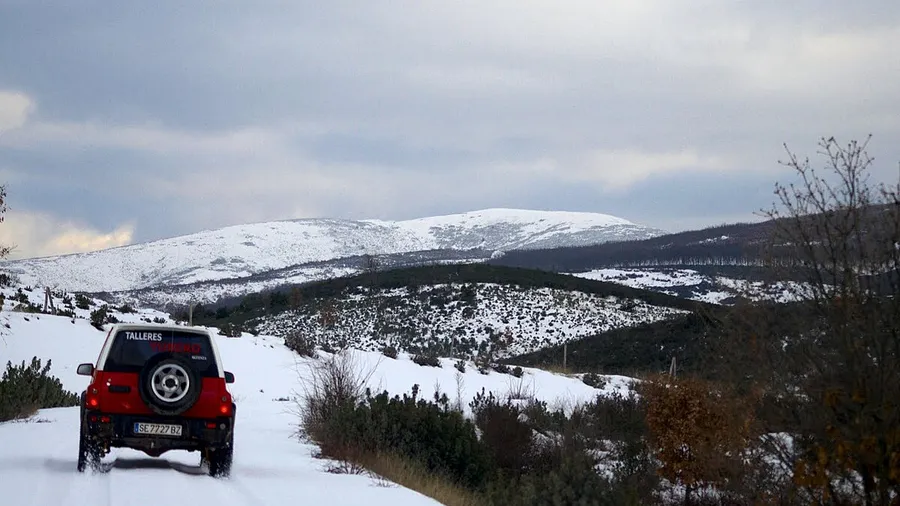
  • • Tejera Negra beech forest in autumn: the southernmost on the Peninsula
  • • Via ferrata at Molina de Aragón, routes of up to 150 m
  • • Cycling along the Ruta de la Seda between Guadalajara and Sigüenza
  • • Mountain biking in Sierra Norte on trails through pines and reservoirs

Best time to visit

Autumn (October–November) for the Tejera Negra beech forest. Spring for canyoning, with stable water levels and manageable temperatures. Summer in the Alcarria and Alto Tajo is very hot; water activities are the best option. Winter is not recommended for canyoning.

Practical tips

The Alto Tajo is less than 2 hours from Madrid on the A-2 and N-204. The town of Molina de Aragón has the highest concentration of adventure companies in the province. For the beech forest, the Natural Park website publishes daily available capacity; car access permits are managed online.

Plans and activities en Guadalajara

Las mejores experiencias y planes disponibles en Guadalajara

60

What to see en Guadalajara

Rincones, lugares y puntos de interés que no te puedes perder

Destinations & areas

Zonas y destinos turísticos en Guadalajara

Localidades de Guadalajara

Descubre qué hacer en cada localidad de Guadalajara
Frequently asked questions sobre Guadalajara
The Tajo Tinto and Arandilla gorges have beginner-friendly sectors, with abseil drops of between 5 and 20 metres. Companies in Molina de Aragón and Sigüenza offer the activity with full equipment. The more technical gorges require abseiling experience and swimming ability in cold water.
Peak colour is usually in the last week of October to the first week of November, though it varies by year. At weekends, car access has limited spaces; booking ahead or going on a weekday is advisable. The park manages capacity through the Castilla-La Mancha regional government website.
There are sectors for all levels, from K1 (beginner) to K4 (hard). Most routes are K2–K3. You need a harness, helmet and via ferrata kit; these can be hired from local companies. The first sector is suitable for children from age 8 with good physical condition.
The 100 km from Guadalajara to Sigüenza involves around 700–800 m of accumulated elevation and is suitable for cyclists with some fitness. Many cyclists do the route in two days, staying overnight in Jadraque or Cogolludo. The section from Sigüenza to Atienza (another 40 km) is more demanding.