The essentials of Costa de Bizkaia

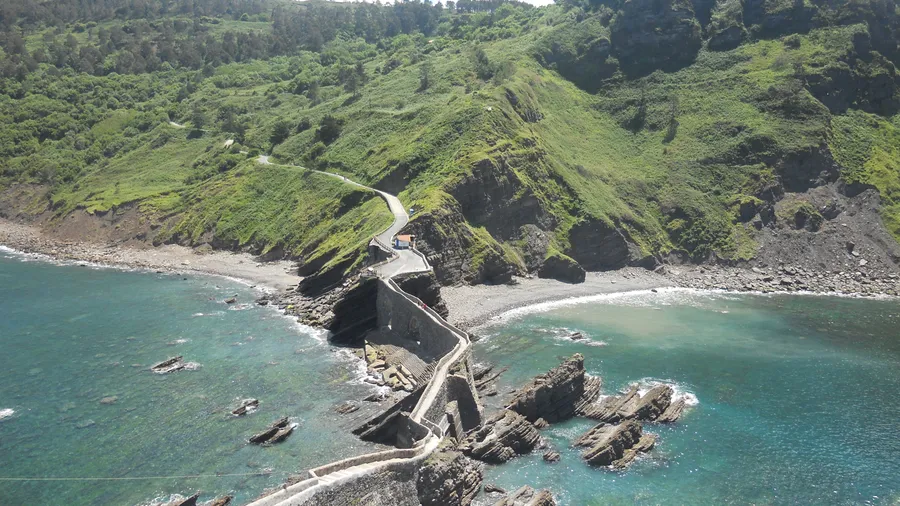
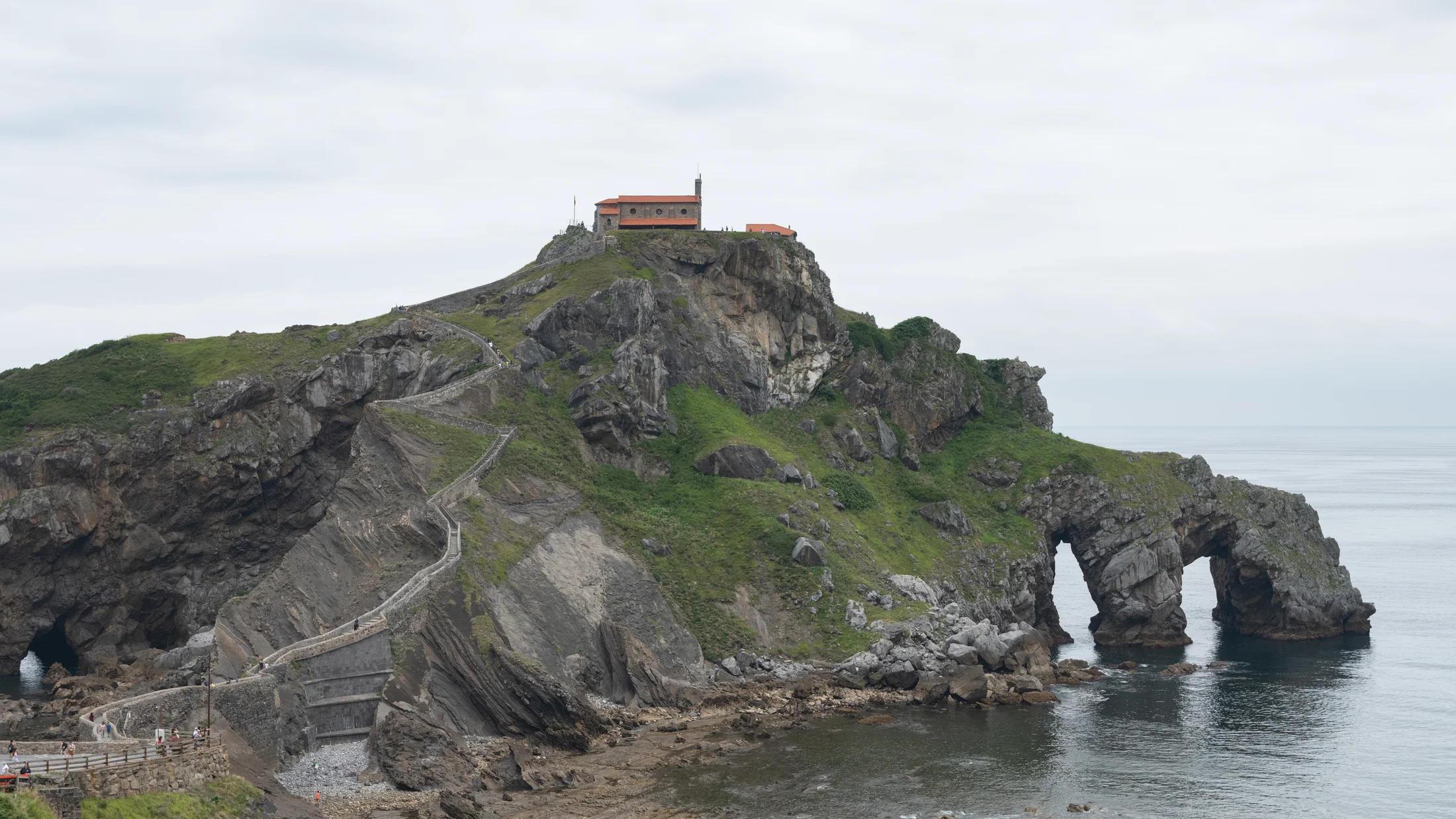
  • • San Juan de Gaztelugatxe: 10th-century hermitage on an islet reached by a medieval stone bridge
  • • Mundaka: 300 m tubular left-hand wave, one of the best in the European Atlantic
  • • Barrika flysch: 80 m cliffs with Cretaceous sandstone and shale strata
  • • Urdaibai estuary: UNESCO Biosphere Reserve since 1984 with salt marshes and European shags
  • • GR 123: coastal trail linking all fishing villages and headlands along the Bizkaia shoreline

Description

The Bizkaia coast traces an arc of about 150 km from the mouth of the Nervión in the west to the Gipuzkoa border at Mutriku in the east. This section of the Cantabrian shoreline combines several distinct features: an exceptional flysch geology — sequences of sandstone and shale deposited on the ocean floor during the Cretaceous and folded by Alpine tectonics — cliffs reaching 80 metres near Barrika, and waves with a competition history that put the Mundaka estuary on the global surf map from the 1980s onwards.

The islet of San Juan de Gaztelugatxe is the most recognisable landmark on the coast. It is connected to the mainland by a medieval stone bridge, with a 10th-century hermitage dedicated to Saint John the Baptist at its summit. Access requires climbing 241 steps cut into the rock, with the Atlantic breaking on both sides. A bell inside the hermitage is rung three times by visitors following an old tradition to make a wish. The cliffs surrounding the islet hold a small Atlantic puffin (Fratercula arctica) colony in spring.

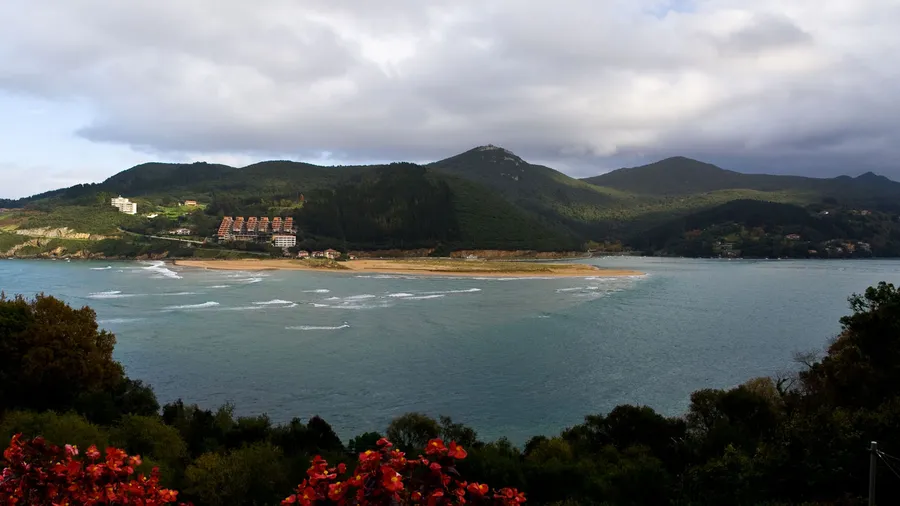
Mundaka is the surf capital of the Cantabrian coast. The sandbar formed by the mouth of the Urdaibai estuary generates a tubular left-hand wave of up to 300 metres when north-westerly swell and low tide coincide. In October and November, when Atlantic storms produce consistent groundswell, the wave quality draws surfers from across Europe. Behind Mundaka, the Urdaibai estuary is a UNESCO Biosphere Reserve since 1984, sheltering salt marshes, dune pinewoods and a breeding colony of European shag. Three kilometres to the north, the fishing port of Bermeo keeps its inshore fleet active, with fish markets selling sea bream, tinned anchovies and seasonal cuttlefish.

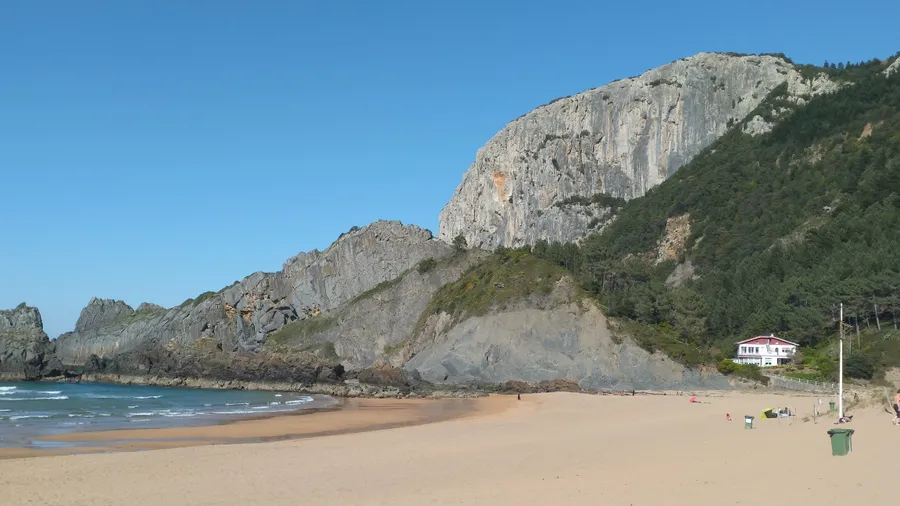
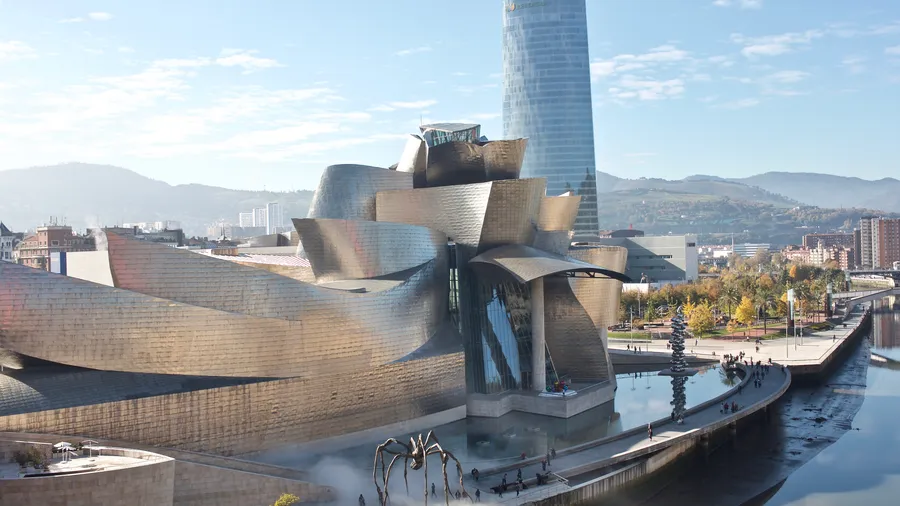
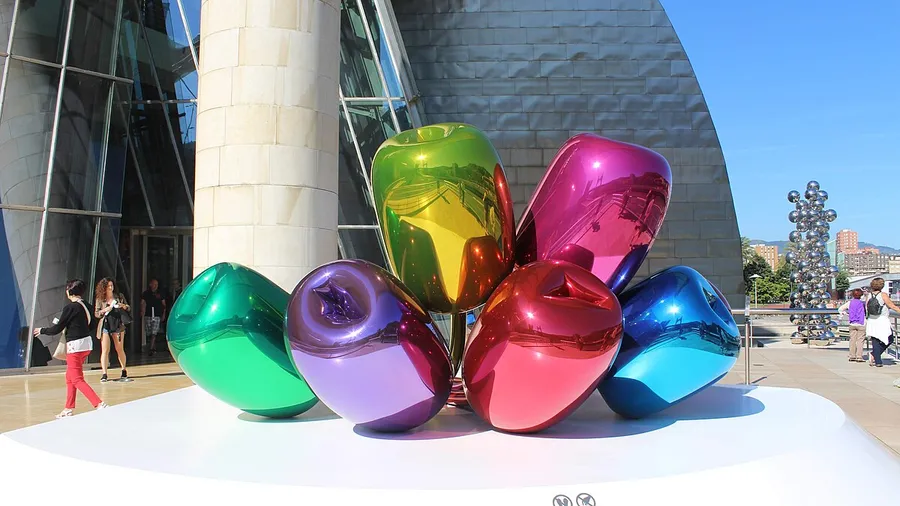
The stretch between Bakio and Plentzia holds the most popular sandy beaches in the province: Bakio (1.5 km long), Gorliz and Plentzia, the last at the mouth of the Río Butrón. The long-distance GR 123 coastal trail connects all the capes, fishing villages and beaches from west to east in a multi-day itinerary. Bilbao, with the Guggenheim Museum and full metropolitan infrastructure, is less than 30 minutes by car or metro from most of these points, making the Bizkaia coast one of the most accessible stretches of northern Spanish shoreline.

The combination of accessible nature, world-class surf and Basque cuisine makes this coastline one of the most versatile destinations on the Cantabrian shore. It is feasible to surf at Mundaka in the morning, eat squid in ink in a Bermeo harbourfront restaurant and walk to Gaztelugatxe before the last afternoon light fades — all in a single day. The public transport network — metro, bus and railway — makes this itinerary achievable without a car from Bilbao, which is unusual for a coastal destination in northern Spain.
Practical information

Everything you need to know for your visit to Costa de Bizkaia

How to get there
From Bilbao, Metro Line 1 reaches Plentzia in 30 minutes. For Gaztelugatxe and Mundaka, the best option is the Bizkaibus coach from Bermeo (Bilbao–Bermeo line, about 1 hour). By car, the BI-2120 follows the coast between Bilbao and Bermeo. Bermeo has free car parks 1 km from the centre.
Area Information
The Bizkaia coast falls under the Diputación Foral de Bizkaia. The main municipalities are Bilbao, Getxo, Plentzia, Bakio, Bermeo and Mundaka. Gaztelugatxe is managed by the Diputación and requires advance booking in peak season (July–August) to limit access to 200 people per hour.
Geography
Cliffed shoreline interspersed with beaches and estuaries. Flysch formations of sandstone and shale form clearly stratified platforms at Barrika, Zumaia (the Gipuzkoa border) and Sopelana. The Urdaibai estuary is the most significant geographical feature, with 3,500 ha of salt marshes and dune systems.
Flora & Fauna
The Urdaibai marshes support cordgrass, sea rush and eelgrass meadows. Peregrine falcon and common raven nest on cliff faces. The European shag colony in the estuary exceeds 100 pairs. Atlantic puffins are visible at Gaztelugatxe in spring.

Things to do

Find the best plans and things to do in Costa de Bizkaia

20

Accommodations

Best accommodation options in Costa de Bizkaia

Loading accommodation options...

Frequently Asked Questions

Get answers about Costa de Bizkaia

In peak season, July to August, the Diputación Foral de Bizkaia limits access to 200 people per hour and advance booking is compulsory through the official Bizkaia Turismo portal. The rest of the year access is free, though nearby car parks are small and fill quickly on spring weekends.
Mundaka works best from October to February, when Atlantic storms generate north-westerly groundswell that activates the sandbar. The wave is a tubular left-hander that can reach 3–4 metres in the best conditions. In summer the swell is small and the estuary is mainly used for paddleboarding and kayaking.
Flysch is an alternating sequence of sandstone and shale layers formed on a deep ocean floor during the Cretaceous (65–100 million years ago). On the Basque coast, these strata were tilted nearly vertical by Alpine tectonics, creating striped platform formations. The best viewpoints in Bizkaia are Barrika and Sopelana, though the most famous flysch outcrops are in Zumaia (Gipuzkoa), 20 km to the east.
Yes, especially on the stretch between Mundaka and Bermeo and around Gaztelugatxe. Some outfitters offer guided kayak tours from Mundaka that access sea caves in the cliffs and circumnavigate the Gaztelugatxe islet. The best season runs from May to September, when the sea is generally calm. In winter, swell can be strong and kayaking requires experience.
Bizkaia's coastal gastronomy centres on fresh fish and pintxos. In Bermeo and Mundaka you can try tinned Cantabrian anchovies, baked sea bream, squid in ink sauce and marmitako (tuna and potato stew). Txakoli, a slightly sparkling white wine produced in the comarca, pairs well with seafood and pintxos in the harbour bars.