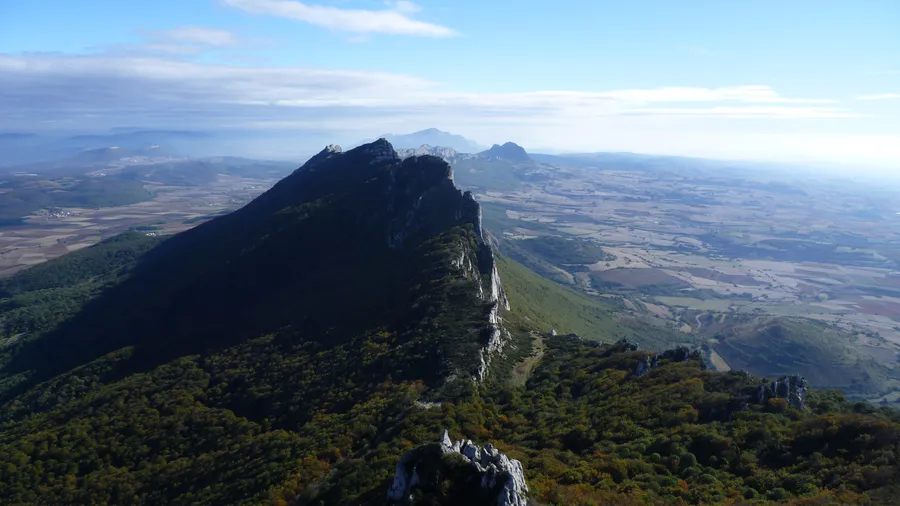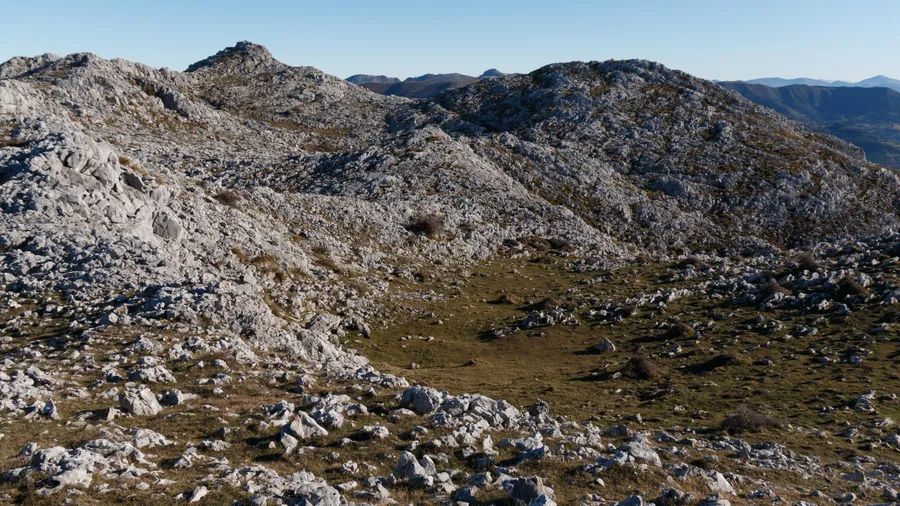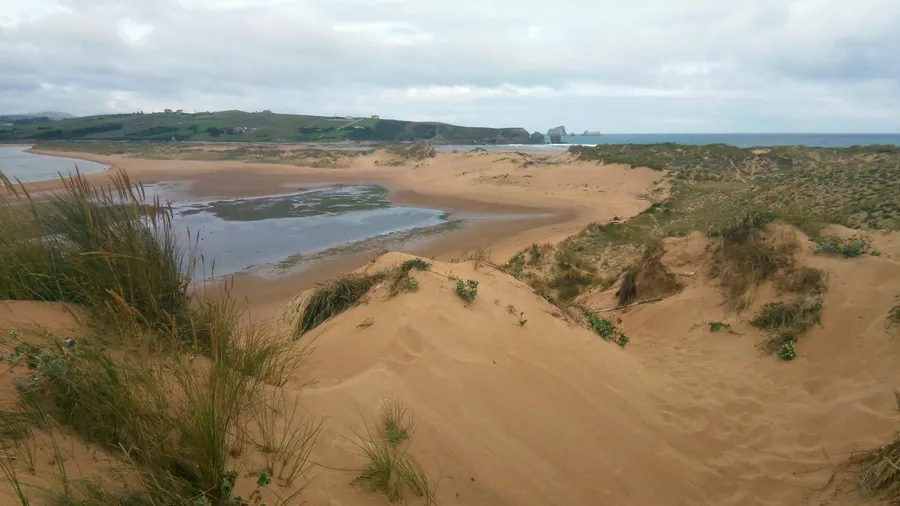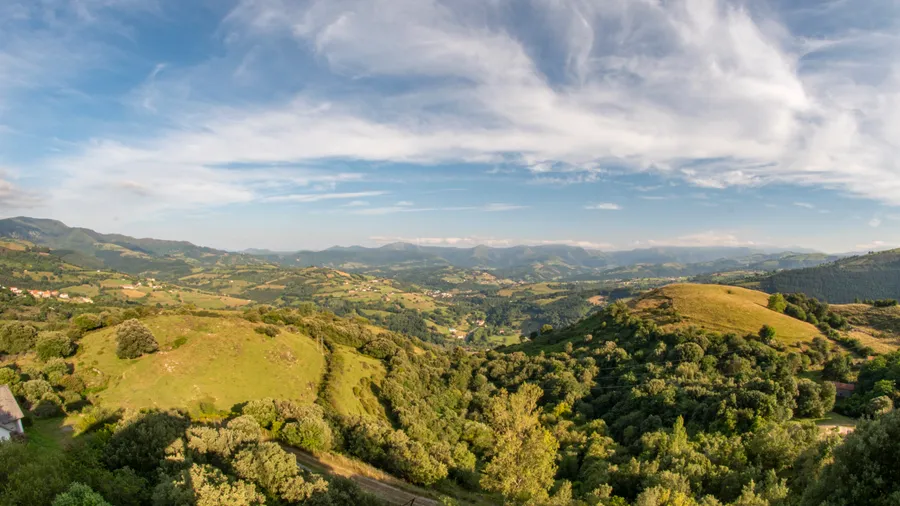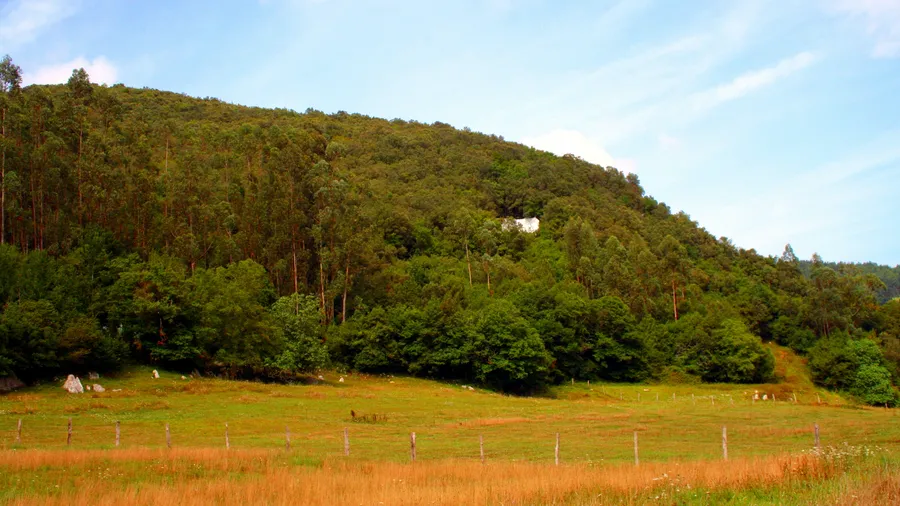
Highlights

  • • Upper Paleolithic rock art with paintings and engravings
  • • Exceptionally preserved prehistoric camp
  • • Declared UNESCO World Heritage Site
  • • Located in Omoño, Cantabria
  • • Restricted access to preserve the site
  • • Nearby interpretation center for visitors

Description

La Cueva de La Garma is a cave complex located in Omoño, Cantabria, renowned for its exceptional archaeological and paleontological value. This site houses Upper Paleolithic rock art, with paintings and engravings dating back approximately 18,000 years. It also contains an exceptionally well-preserved prehistoric camp, offering a direct window into the lifestyles of human communities from that period.

When visiting virtually or studying La Garma, one can observe various artistic manifestations, such as animal figures and abstract symbols, alongside material remains evidencing human activity inside the cave. The preservation of the camp allows understanding of the social organization and subsistence techniques of Paleolithic groups.

This complex was declared a UNESCO World Heritage Site due to its importance for understanding European prehistory. The cave is closed to the public to preserve its fragile ecosystem and rock art, with access restricted to researchers and controlled visits under scientific criteria.

For those wishing to learn more, the region offers interpretation centers and museums with exhibitions and replicas that contextualize La Garma's historical and cultural value. It is recommended to plan a visit to Cantabria in spring or summer to combine archaeological interest with the natural richness of the surroundings.

Key Information

Visit Duration

2-3 hours

Recommended Seasons

Spring, Summer

Pricing

Free

Accessibility

Medium

Kid-Friendly Pet-Friendly No Booking Required

Related Destinations

Guide

Essential information for visiting La Garma Cave

Location
Practical Information
Pricing
Free
Visit Duration
2-3 hours
Features & Services
  • Accessibility:Medium
  • Kid-Friendly:Yes
  • Pet-Friendly:No
  • Booking:No Booking Required
Planning Information

Recommended Seasons

Spring · Summer

Best Time to Visit

Spring and summer are the best seasons to visit Cantabria, as the weather is more favorable for exploring interpretation centers and the nearby natural environment.

Visitor Tips

Although entry to the cave is not allowed, we recommend visiting the interpretation centers in Cantabria to better understand the archaeological context. Wear comfortable footwear to explore the natural surroundings and check local museum opening hours. Site conservation is a priority, so follow guidelines and respect access restrictions.

Historical Facts

La Cueva de La Garma contains Upper Paleolithic rock art and a prehistoric camp dating back about 18,000 years. It was declared a UNESCO World Heritage Site for its exceptional value in studying European prehistory.

Frequently Asked Questions

Get answers about La Garma Cave

The cave is closed to the public to preserve the paintings and prehistoric camp. Access is only allowed for researchers and highly controlled visits.
In Cantabria, there are interpretation centers and museums offering exhibitions and replicas related to La Garma and its rock art.
There are Upper Paleolithic paintings and engravings, including animal figures and abstract symbols.
A combined visit to the surroundings and interpretation centers can last between 2 and 3 hours.