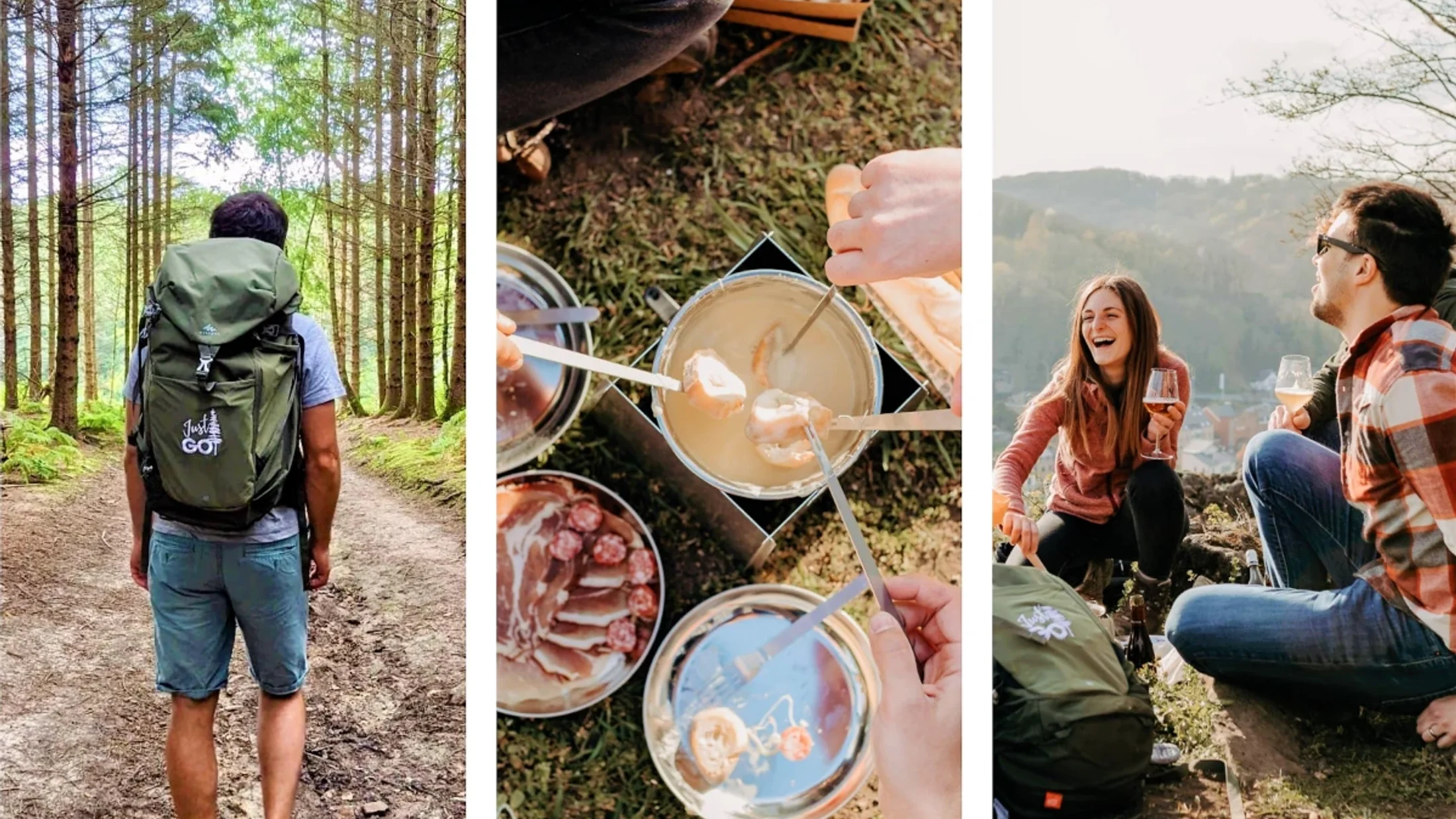
Why Food and Footsteps Belong Together
You remember trails by how they taste as much as by how they climb. Across Spain, hiking and food trails weave landscapes with kitchens, turning a day’s walk into a slow, sensory journey that supports rural life. After the pandemic, travelers sought open air, shorter distances, and contact with local producers; gastronomic hiking Spain grew as visitors looked for seasonal menus, oil tastings, and cellar doors within reach of a well-marked path. The idea is simple: walk at your own pace, stop where the village cooks, and let place and plate speak together. Imagine the crunch of gravel underfoot giving way to the warm aroma of wood-fired bread.
You benefit twice: you sharpen your senses outdoors and you keep money in villages where artisans, winemakers, and cheesemakers work. We wrote this list to help you plan food and walking routes with fewer unknowns and better stops. You will find route facts, must-try dishes, and how to time reservations so your meal meets your miles. Picture steam rising from a stew as the evening light fades across a valley.
The rise of food-focused rural travel
Local-first travel is booming because it feels grounded and good. People now favor short-haul trips, low-impact choices, and time in nature, which makes routes that blend hiking and cuisine especially relevant. In Spain, culinary trails Spain connect DO wine regions, coastal fish markets, and mountain dairies with signed footpaths, from the GR-92 on the Costa Brava to old pilgrimage ways in Galicia. The trend aligns with rural food hiking: you meet makers, taste seasonal food at source, and spread your spending across small communities. Picture a basket of tomatoes still warm from the sun at a village bar terrace.
You also get flexibility: families walk greenways with picnic stops, couples add tastings at noon, and groups combine a summit with a long lunch. These are not rushed days; they are well-paced ones. Listen for the clink of glasses under a vine pergola as distant bells mark the hour.
How we chose these ten routes
We selected routes using clear, practical criteria that matter on the ground. We prioritized:
- Quality and diversity of the food offer near the trail (seasonal menus, PDO/PGI products, cellar doors)
- Well-marked, safe paths with reliable signage and maintenance
- Access by car and, where possible, train or bus
- Value for money (typical per-person costs for meals/visits)
- Options to shorten/extend stages and availability of nearby lodging
- Sustainability (local sourcing, waste reduction, public transport options)
We verified data through official park agencies, regional tourism boards, DO wine councils, and recent on-site checks (2023–2024); always confirm opening hours locally. Think of this as a field-tested shortlist to match your pace and palate. Feel the paper texture of a stamped trail credencial as you circle your lunch stop.
Picuco te puede ayudar
Does something here catch your eye?
Tell us.
Write to us on WhatsApp or email: we answer questions, find the best options and help you sort out the booking.
Make the Most of These Hiking and Food Trails
You will see each route presented with difficulty, distance or stage time, best season, typical costs, ideal audience, and what to taste. Difficulty uses plain terms—easy (mostly flat), moderate (some climbs, stable footing), challenging (sustained ascent/exposure)—so you can align plans with your fitness. Picture a cool breeze on your neck as you scan a signboard at the trailhead.
For logistics, we include ways to arrive by car, and note where train or bus connections work; search national rail (Renfe) or main coach operators for timetables, then confirm locally. Many rural starts offer roadside parking or small paid lots; in popular areas, arrive early or use park-and-ride where available. If you carry food, use a small insulated pouch and keep perishables for post-walk meals. Hear the soft zip of your pack as you stash a wedge of cheese for later.
Adapt routes to your rhythm: choose an out-and-back section, split a long day, or center your plan on a lunch stop with nearby loops. We flag reservations when venues fill up on weekends and suggest tasting windows that fit walking hours. For deeper planning, check local tourism offices and official park pages for updated closures, and download GPX tracks to your phone for offline use. Feel the reassuring buzz of your GPS locking onto a ridge as a bell tower comes into view below.
Ten Hiking and Food Trails Across Spain
Each card covers where it is, how long to walk, what it might cost, when to go, who will love it, what to eat, and how to plan the stops. Think of them as modular days you can chain together or enjoy as a single, standout escape. Let the scent of rosemary by the path hint at what will be on your plate.
1.Camino de Santiago (galician section): pilgrim miles and pulpo in taverns
The final 116 km from Sarria to Santiago let you earn your lunch with steady, green miles. Expect 5–6 days of 18–25 km stages on rolling farm lanes with frequent bars and village kitchens; you can also walk a single day from Sarria to Portomarín. Picture eucalyptus shade after a gentle climb as a pot of octopus simmers nearby.
- Where: Galicia,
Sarria–Santiago de Compostelaon the Camino Francés - Walking time: 4–7 hours per stage; elevation moderate; well signed with yellow arrows
- Typical costs: 35–60 € per person/day (albergue + pilgrim menu); 10–15 € set lunch; confirm locally
- Best season: April–June, September–October; avoid peak heat and August crowds
- Ideal for: first-time pilgrims, foodies seeking simple, hearty fare
- Eat/where: pulperías in Melide for pulpo á feira; empanadas and caldo gallego in village casas de comidas; tarta de Santiago in the city
- Logistics: carry a credencial for stamps; book private rooms in advance in high season; buses connect main towns; luggage transfer services operate if you want lighter miles
- Tip for senderismo con parada para comer: start early, reach lunch towns by 13:30–14:00 to avoid queues and keep the afternoon short
You get classic routes senderismo y gastronomía with easy spacing between stops and authentic kitchens beside the way. Hear the stamp thud on your credencial as bread is sliced at the counter.
2.La Rioja: vineyard paths and bodega tastings
Walk among vines, cellar doors, and stone towns where wine and pinchos lead. Base yourself around Haro, Laguardia (Rioja Alavesa), or Santo Domingo de la Calzada to mix short vineyard loops with tastings and old-town tapas runs. Feel the warmth of sunlit limestone walls as a glass of crianza releases red-fruit aromas.
- Where: La Rioja and Rioja Alavesa (Haro, Laguardia, Santo Domingo)
- Walking time: 2–4 hour vineyard circuits; gentle gradients; optional hilltop viewpoints
- Typical costs: 12–25 € winery visits/tastings; 2–4 € per pincho; 20–35 € lunch menus; confirm at each bodega
- Best season: spring bloom (April–June) and harvest ambiance (September–October)
- Ideal for: couples, small groups, wine-curious walkers
- Eat/where: patatas a la riojana, chuletillas al sarmiento (lamb grilled on vine cuttings), and a pinchos crawl in old towns
- Tastings: reserve winery tours 48–72 hours ahead; many offer English slots and food pairings
- Transport: regional buses link Logroño, Haro, Laguardia; taxis for hop-on hops between bodegas; safe shoulders on farm lanes—high-visibility gear helps
- Note on rutas gastronómicas España: this is one of Spain’s classic wine-and-walk landscapes, with some of the mejores rutas con restaurantes clustered around historic plazas
Plan morning loops that end near tasting rooms at midday, then walk an easy return or transfer back. Hear corks pop softly as swallows skim over vineyard rows.
3.Ribera del Duero: river walks and family-run cellars
Follow the Duero between villages like Peñafiel and Aranda de Duero, where centuries-old cellars pair robust reds with roasted meats. Trails skirt vineyards, castle-topped hills, and riverbanks; most routes are moderate and close to paved access. Smell smoke from wood-fired ovens drifting across the river flats.
- Where: Valladolid and Burgos provinces (Peñafiel, Aranda de Duero)
- Walking time: 3–5 hour loops, mostly flat with gentle climbs to viewpoints and castles
- Typical costs: 10–20 € tastings; 25–40 € asado lunches (share portions); confirm locally
- Best season: spring and autumn; winters are crisp, summers can be hot at midday
- Ideal for: red-wine fans, groups seeking leisurely walks and hearty meals
- Eat/where: lechazo asado (suckling lamb) in traditional hornos, morcilla de Burgos, seasonal salads, and sheep’s milk cheese
- Bodegas: book small, family-run visits; combine barrel-room tours with short vineyard strolls
- Transport: trains to Aranda (check current service), buses to Peñafiel; taxis or designated drivers for cellar hops; cycling is a good connector on quiet lanes
- Tip for maridaje: pair joven or crianza Ribera with tapas, reserva with roasted lamb
This is senderismo con parada para comer at its most satisfying: an easy river trail leading straight to a warm dining room. Hear laughter echo in vaulted underground cellars.
4.Costa Brava — Camí de Ronda: coves, cliff paths, and seafood
The GR-92 Camí de Ronda runs above turquoise coves from Calella de Palafrugell to Tamariu, and on to Begur and Cadaqués, linking swims with simple seafood lunches. Sections vary from easy promenade stretches to stair-stepped cliff paths; pick your segment and time a cove stop. See sunlight ripple on clear water as grills crackle with sardines.
- Where: Baix Empordà and Cap de Creus (Calella de Palafrugell, Tamariu, Begur, Cadaqués)
- Walking time: 2–6 hours per segment; short, steep stair bursts; shade limited in summer
- Typical costs: 20–35 € seafood lunches; 3–6 € tapas; confirm seasonal menus
- Best season: May–June and September–October; summer is beautiful but hot and crowded
- Ideal for: swimmers, seafood lovers, photographers
- Eat/where: suquet de peix (fish stew), grilled sardines, rice dishes near the beach; book terrace tables on weekends
- Logistics: start early, swim mid-morning, then lunch; carry water and a drybag; buses connect coastal towns; parking fills by 10:00 in peak season
- Caminos con paradas gastronómicas: map short out-and-backs so you finish close to your chosen chiringuito or marisquería
It’s one of Spain’s iconic hiking and food trails: salty air on your skin, then a plate of just-landed fish at the edge of the sea. Hear gulls stitch the sky with their calls.
5.Basque Country — Txakoli paths and pintxos (getaria, Zarautz)
Between Getaria and Zarautz, terraced vineyards meet Atlantic surf, and coastal promenades feed straight into pintxos bars. Gentle seaside walks pair with visits to txakoli wineries—known for crisp, lightly sparkling whites. Feel ocean mist on your cheeks as a barman snaps a green bottle to pour high.
- Where: Gipuzkoa (Getaria, Zarautz, and nearby Zumaia coast)
- Walking time: 2–4 hours along promenade, coastal paths, and short vineyard lanes
- Typical costs: 10–18 € txakoli visits; 2–4 € per pintxo; 18–30 € seafood plates; confirm at venues
- Best season: late spring to early autumn; winter offers quieter bars and dramatic seas
- Ideal for: urban foodies, surfers, casual walkers
- Eat/where: anchovies from Getaria, grilled hake, gildas, and seasonal mushrooms; match with chilled txakoli
- Reservations: popular pintxos spots fill fast—arrive early or go weekdays; book winery slots online or by phone
- Transport: frequent local trains and buses between San Sebastián, Zarautz, and Getaria; car parking limited on sunny weekends
These food and walking routes are perfect for slow afternoons: stroll, sip, repeat. Hear the soft fizz of txakoli as it meets the glass from arm’s height.
6.Picos de Europa — Senda del Cares and Cabrales cheese
The Senda del Cares threads a dramatic gorge between Poncebos (Asturias) and Caín (León), a balcony path chiselled into rock for 12 km one way. Combine the hike with tastings of PDO Cabrales cheese in nearby villages or at small producers. Feel cool air rising from the river far below as goat bells tinkle in side valleys.
- Where: Picos de Europa National Park (Poncebos–Caín)
- Walking time: 3–4 hours each way; 24 km return; narrow sections with drop-offs; not recommended for those with severe vertigo
- Typical costs: 5–10 € cheese tastings; 15–30 € hearty mountain lunches; confirm seasonally
- Best season: May–June and September; July–August very busy; winter can bring ice—check closures
- Ideal for: fit hikers, mountain-loving gourmets
- Eat/where: Cabrales and Gamonéu cheeses, fabes with game, and cider in nearby towns like Arenas de Cabrales
- Safety: start early, carry headlamp if late, bring layers; avoid carrying fresh, soft cheese inside a warm pack—buy post-walk or refrigerate promptly
- Transport: small parking at Poncebos; shuttle systems sometimes operate in peak season—verify with park authorities; taxis for point-to-point returns
This classic of rutas senderismo y gastronomía pairs cliffside drama with deep, cave-aged flavors. Hear your footsteps echo off limestone as swallows dart across the gorge.
7.Asturias — Senda del Oso and the cider trail
A former mining railway turned greenway, the Senda del Oso offers 22 km of mostly flat, family-friendly track through tunnels and over viaducts in the Trubia valleys. Pair the ride or walk with visits to llagares (cider presses) and sidrerías for traditional dishes. Smell damp moss at the tunnel mouth before the sweet tang of poured cider.
- Where: Proaza, Teverga, and Quirós (Asturias)
- Walking time: 3–5 hours on foot (one way) or 2–3 hours by bike; near-level gradient
- Typical costs: 8–15 € llagar tour/tasting; 12–20 € lunch menus; confirm weekend availability
- Best season: spring to autumn; winter is quieter but can be rainy—bring waterproofs
- Ideal for: families, mixed-ability groups, casual cyclists
- Eat/where: fabada asturiana, cachopo, grilled meats, and cheeses with natural cider poured in the traditional high arc
- Logistics: bike rental available at trailheads in season; reserve sidrerías on weekends; consider a short taxi back if walking one-way with kids
- Maridaje tip: cider’s acidity cuts rich stews and fried dishes—ask for pairing suggestions at the llagar
These hikes with restaurants nearby are easy to plan and even easier to love. Hear the rhythmic splash of cider meeting the glass on a wooden table.
8.Somontano (huesca): canyons, walkways, and nearby wineries
Around Alquézar and Barbastro, sandstone canyons and medieval streets introduce the DO Somontano, where modern wineries sit a short drive from trailheads. The Pasarelas del Vero route offers a photogenic 3–4 km loop of metal walkways over turquoise pools. See swallows spiral above canyon walls as chilled white wine beads sweat on a glass.
- Where: Sierra y Cañones de Guara Natural Park (Alquézar, Barbastro)
- Walking time: 1.5–3 hours for Pasarelas del Vero; longer trails available in Guara; moderate with steps and handrails
- Typical costs: 10–18 € winery tours; 18–30 € lunch menus; small entrance/maintenance fees may apply for walkways
- Best season: spring and autumn; summer heat demands early starts; some canyon areas close during high flow
- Ideal for: culture-and-nature seekers, wine enthusiasts
- Eat/where: migas aragonesas, ternasco de Aragón, olive oils from nearby cooperatives; pair with aromatic Somontano whites and reds
- Distances: many wineries sit 10–25 minutes’ drive from Alquézar; taxis are limited—book ahead or designate a driver
- Safety: carry water; avoid canyon sections after heavy rain; confirm current access with the local tourism office
This is culinary trails Spain in microcosm: short hikes, storied villages, and modern cellars in one valley. Hear your boots ring softly on metal grating above clear blue water.
9.Sierra de Gredos: high cirques and traditional kitchens
From the Plataforma de Gredos, a classic path climbs to the Laguna Grande within the granite Circo de Gredos, returning the same way. Villages on the flanks serve robust, old-school meals that taste like the mountains look. Feel cool granite under your palm as woodsmoke curls from a chimneypot in the late afternoon.
- Where: Ávila province (Central Massif, Plataforma de Gredos)
- Walking time: 2–3 hours up and 1.5–2 hours down (approx. 12 km round-trip); ~400 m ascent; well-trodden but rocky
- Typical costs: 15–25 € lunch menus in mesones; 5–10 € local cheeses and cured meats; confirm seasonally
- Best season: late spring to early autumn; winter requires alpine skills—snow and ice common
- Ideal for: hikers craving summit views, lovers of home-style cooking
- Eat/where: trucha a la navarra, cocido, cabrito, and seasonal setas; breakfasts before or late lunches after the walk
- Logistics: parking at the Plataforma (paid in high season); start early to avoid midday heat; lodging in Navarredonda or Hoyos del Espino
- Sustainability: pack out all trash; bring a small container for leftovers to avoid food waste
These routes blend strong legs with strong flavors, a model of rural food hiking that respects altitude and appetite. Hear meltwater trickle across granite slabs beside the trail.
10.Jaén — olive oil country and rolling trail among groves
Sea-of-olive landscapes surround Úbeda, Baeza, and the Sierras de Cazorla, Segura y Las Villas, with farm tracks perfect for gentle hikes and oil-mill visits (almazaras). Tastings show how harvest time and olive varieties shape flavor. Smell cut grass and green almond as fresh oil hits warm bread.
- Where: Jaén province; groves around Úbeda/Baeza and edges of the natural park
- Walking time: 2–5 hour loops on farm tracks; low gradients; shade limited—carry sun protection
- Typical costs: 8–15 € almazara tours; 10–20 € tapas/lunches; 5–15 € premium oil bottles; confirm harvest-season schedules
- Best season: October–December for milling; March–May for mild temps and blossom
- Ideal for: local-product fans, photographers, easygoing walkers
- Eat/where: pipirrana, ajoblanco variations, grilled meats, and desserts drizzled with early-harvest oil; ask for tasting flights (intensity ladder)
- Reservations: book mill tours in advance, especially during campaign; check if tastings include bread and tomatoes
- Transport: buses link Jaén with Úbeda/Baeza; rural taxis for mill visits; self-driving offers most flexibility
This is turismo rural gastronómico at its purest: short, sunlit walks and deep dives into Spain’s “green gold.” Hear the soft whirr of centrifuges in a working mill.
Map of Locations
Our interactive map places a pin on each route, with pop-ups summarizing distance, difficulty, food highlights, and practical notes. Filters let you sort by interest—wine, seafood, cheese, or oil—and by trail difficulty. Imagine tapping a pin and seeing a short list of must-try bites next to the path.
On desktop, click icons to open cards and toggle filters; on mobile, pinch to zoom and use the layer menu to show tastings or GPX tracks. Each pin includes coordinates, links to local tourism sites, and downloadable GPX/KML files so you can navigate offline. We recommend saving coordinates and confirming transit stops if you travel car-free. Hear the small ping as you save a track for later.
How to Choose Your Perfect Route
Start with time: if you have a full weekend, pick multi-stop wine areas (La Rioja, Ribera del Duero); for a single day, choose Camí de Ronda segments or a greenway like the Senda del Oso. Then balance budget and appetite: seafood terraces on the Costa Brava tend to cost more than village menus in inland valleys. Picture a simple notebook grid where your dates, tastes, and distances align neatly.
Match your interest to place:
- Wine focus → La Rioja, Ribera del Duero, Somontano
- Seafood and swims → Costa Brava
- Cheese and mountain drama → Senda del Cares (Picos de Europa)
- Cider culture and family-friendly paths → Senda del Oso
- Traditional stews and summit views → Sierra de Gredos
- Olive oil tastings and gentle walks → Jaén
Consider season: spring and autumn reward most hiking and food trails with mild weather; summer suits coastlines; winter can favor cellar visits and shorter town loops. If you travel by public transport, base in a hub town with buses to trailheads and plan circulars or linear segments with taxi returns. Finally, build breathing room for meals: aim to sit between 13:30–15:30, and keep dessert time free of long climbs. Hear a relaxed clatter of cutlery instead of the rush of the clock.
Preparation and Practical Tips
Pack for comfort and food stops:
- Footwear: grippy trail shoes; sandals for post-hike/sea dips on coastal routes
- Clothing: layers, sun hat, rain shell, and a packable warm layer in mountains
- Pack: 15–25 L daypack with hip belt; add a small insulated pouch and reusable containers for leftovers
- Hydration: 1.5–2 L water per person; more on hot days
- Extras: napkins, pocket knife, hand sanitizer, and a lightweight picnic cloth
Make reservations smartly:
- Call or book online 24–72 hours ahead for wineries, mills, and popular restaurants
- For pintxos and casual bars, arrive early; for Sunday lunches, confirm seatings and kitchen hours
- Always check closing days (many rural venues close early week)
Handle food safely:
- Keep perishable items cool; buy soft cheeses/meats after the walk or store in a mini cooler in the car
- Declare allergies/intolerances early; in Spain, “alergias” and “sin gluten/sin lactosa” are widely understood
- Wash hands or use sanitizer before eating
Travel responsibly:
- Use public transport when practical; car-share within your group
- Pack out trash and food waste; carry a small bag
- Support local: buy direct from producers, try seasonal dishes, and respect opening times
Imagine the crisp snap of a grape stem as you add a market find to your pouch.
Frequently Asked Questions
Do I need to reserve rural restaurants or tastings?
Yes, especially on weekends and holidays. Book winery and mill visits 48–72 hours ahead, and reserve lunch for 13:30–14:30 in popular towns.
What should I carry for a mid-route food stop?
Bring water, a small insulated pouch, reusable cutlery/containers, napkins, and sanitizer. Add a light layer so you don’t cool down while seated.
How can I combine multi-stage routes on a weekend?
Pick two adjacent stages or loop options with a base in a hub town, then use local buses or a taxi for returns. Start early to land lunch at peak flavor.
Are there vegetarian or vegan options?
Yes, though they vary by region. Coastal areas offer vegetable rice and salads; wine regions have grilled veg, legumes, and pinchos sin carne; always ask for “opciones vegetarianas/veganas.”
How does season affect these trips?
Spring and autumn suit most routes; summer favors coastal trails with swims; winter shortens daylight and can ice mountain paths—confirm conditions and adjust plans.
Can I do these routes without a car?
Several work well car-free: Camino stages in Galicia, coastal paths on the Costa Brava, and Basque seaside promenades. Use trains/buses for starts and taxis for short links.
Book your experience — discover active travel in Spain with Picuco-verified providers.
Conclusion
Great trips taste like where you walked, and Spain’s landscapes serve the menu. With these hiking and food trails, you can match miles to meals, back roads to bodegas, and coves to kitchens without guesswork. Picture a last ray of sun across a plate that tells the story of the valley you crossed.
Reserve key tastings and lunches ahead, travel light but prepared, and give yourself time to sit with the view. If you want more ideas or ready-to-book options, explore curated experiences on Picuco and subscribe to our newsletter for fresh routes and seasonal picks.