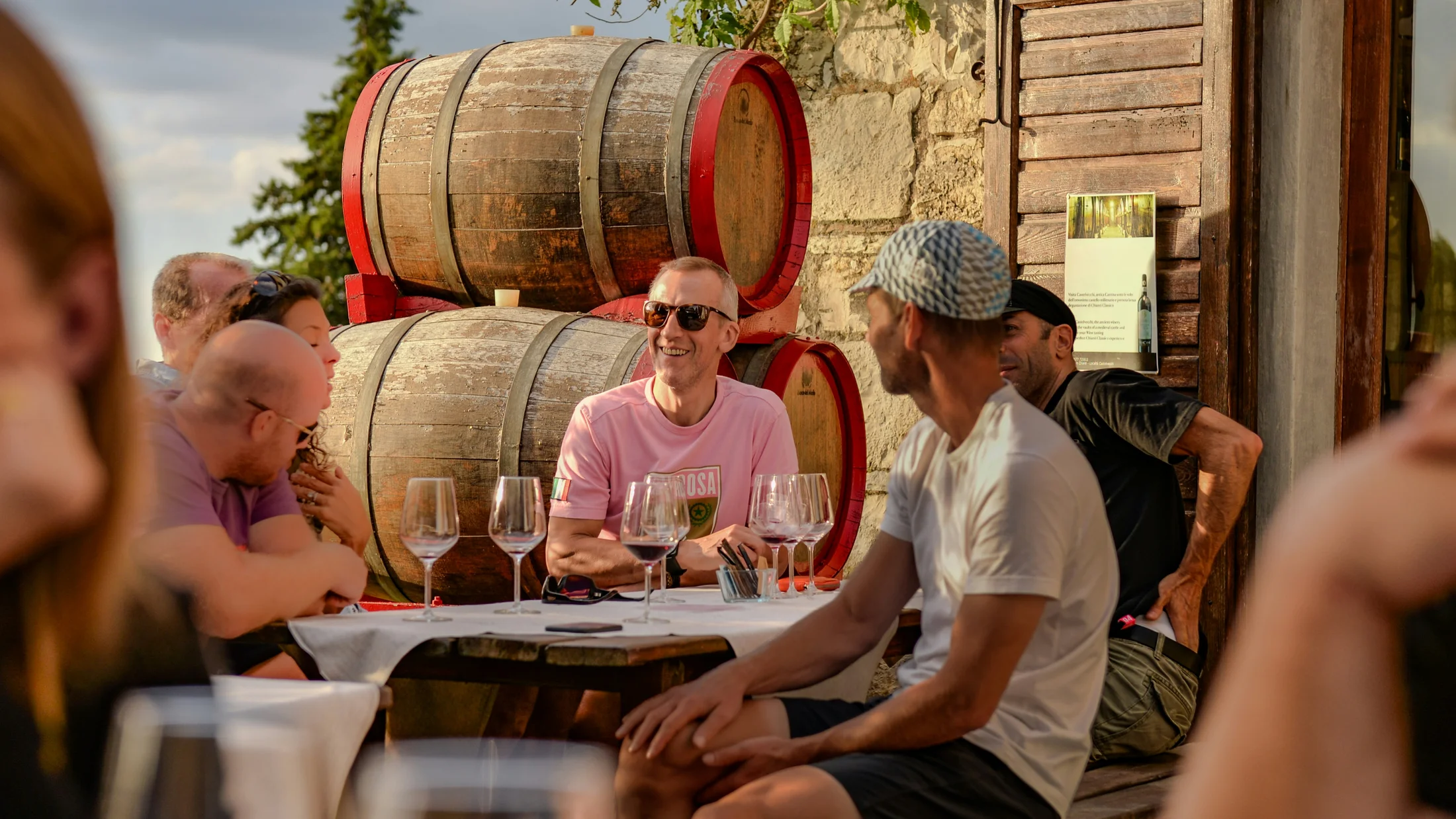
Why a Gastronomic Farewell Stays with You
Swap noisy nights for flavour, stories and shared toasts that people remember. A gastronomic farewell is a celebration built around tasting, learning and enjoying food and drink together, and it turns a bachelor or bachelorette party, birthday or reunion into something meaningful. It replaces gimmicks with moments: wine tasting led by a winemaker, cheese tasting with an artisan, a private dinner with a chef, or a hands-on workshop where you create and then eat what you made.
You get more than a meal; you get a mini-journey through landscapes, producers and traditions. In practical terms, a gastronomic farewell can be rural (vineyards, farmhouses), urban (tapas walks, boutique restaurants), or private (hosted at a dedicated tasting room or your accommodation), and it suits mixed groups because activities can be scaled for different tastes and budgets. Think of it as foodie group activities curated for connection, not chaos.
The benefits are concrete. Group dynamics improve because everyone has a role—listening, tasting, asking questions—rather than competing for attention in a loud bar. It’s also inclusive: non-drinkers can join cheese or local cuisine tasting; vegetarians or gluten-free guests can be accommodated if you ask in advance; and sessions can be educational or just playful depending on your tone. One quiet sensory moment is enough to set the mood: a cork sighs open and the room fills with the scent of crushed berries and toasted oak.
You’ll discover things you can actually bring home. In a wine tasting you learn to decode labels and serve temperatures; in a cheese tasting you understand styles (fresh, soft, semi-cured, cured) and simple pairings you can repeat later. In a workshop, you gain techniques—salting curds, folding empanadas, building a balanced tasting board. These are skills, not just selfies.
For planning, gastronomic farewells are flexible. They can last a focused 90 minutes before dinner, occupy a half day with a vineyard visit plus picnic, or anchor a whole weekend with multiple sessions. Prices range widely—from around €20–€35 per person for basic winery tastings up to €80–€150 per person for private pairing dinners—so you can match your budget without lowering the quality of the experience. Legal drinking age in Spain is 18; if you have minors, choose non-alcoholic pairings and confirm policies.
Safety and logistics are straightforward to manage. Choose venues reachable by train or arrange a minibus with a driver; space sessions with water and food; and keep the group size within each venue’s comfortable limit. This guide keeps the tone practical. You’ll find clear options, who they suit, expected durations, group sizes and the kind of atmosphere each creates, so you can tailor a gastronomic farewell that feels personal, local and memorable.
Picuco te puede ayudar
Does something here catch your eye?
Tell us.
Write to us on WhatsApp or email: we answer questions, find the best options and help you sort out the booking.
Picking Your Style: Rural Charm, Urban Buzz or Private Comfort
Start by deciding how you’ll use these ideas: as a quick scan to shortlist options, then as practical cards to book with confidence. If you know your budget and group size, you’ll instantly see which formats fit. If you’re browsing for inspiration, read each experience summary and match the tone—informal, gourmet or educational—to your group’s vibe.
Three broad formats cover most bachelor party food experiences and beyond:
- Rural: vineyards, farmhouses, dairies and country inns.
- Urban: tapas routes, markets and boutique restaurants.
- Private: reserved lounges, tasting rooms or a chef at your accommodation.
Here’s a quick comparison you can screenshot and share with the group lead:
| Format | Setting | Ideal group size | Privacy level | Weather risk | Budget band (pp) | Pace and tone | Why choose it |
|---|---|---|---|---|---|---|---|
| Rural | Vineyards, wineries, dairies | 6–18 (flex up to 24) | Medium–High | Medium | €25–€90 | Unhurried, scenic, storytelling | Space, nature and producer contact |
| Urban | Tapas bars, markets, city squares | 6–20 (split in pods) | Low–Medium | Low | €35–€70 | Dynamic, social, snack-by-snack | Variety and easy logistics |
| Private | Lounge, tasting room, villa | 8–16 (set max) | High | Low | €60–€150 | Tailored, intimate, premium | Full control of timing and menu |
Close your eyes and picture sunlight slanting through vine leaves while glasses clink softly against a wooden barrel. That’s the calm of rural settings; urban nights hum with footsteps between bars; private rooms give you a cocoon where the playlist and pace are yours.
Who fits where?
- Choose rural if you’re planning a weekend in wine country, want outdoor space for photos and games, and prefer a slower pace.
- Choose urban if you need a simple, walkable plan with multiple stops, or if you’re arriving by train and don’t want transfers.
- Choose private if you value privacy, want to customise a wine and cheese pairing, have a surprise speech planned, or prefer to control noise and timing.
How to use the ideas below:
- First pass: read the 10 experiences and star two in each format.
- Second pass: match experience duration to your day plan (e.g.,
11:30–13:00tasting + long lunch). - Final pass: confirm dietary needs, mobility needs and alcohol-free options before you request quotes.
Limitations to keep in mind:
- Rural venues may require transfers and have weather back-up plans (marquees or cellars).
- Urban routes can split large groups; book time slots to avoid queues.
- Private chefs often set minimum spend and deposit deadlines; confirm kitchen facilities if hosted at your lodging.
Pick your style, then layer add-ons—cheese boards, local charcuterie, dessert wine flights, or a short cooking demo—until it feels like yours.
Ten Standout Experiences to Toast Together
Traditional winery visit with wine tasting and barrel-room stroll
Let vines, stone and oak set the scene for a calm celebration. A traditional winery visit pairs a guided walk through the vineyard with a cellar tour and a wine tasting of three to five wines, led by a host who speaks plain language about grapes, soils and time. You’ll move from sunlit rows to the cool hush of barrels, which naturally slows the pace and invites conversation.
Expect 90–120 minutes including Q&A, with ideal groups of 6–16 so everyone can hear and taste together. The tone is welcoming and lightly educational: enough detail to feel special, never so technical it drags. This is one of the strongest foodie group activities for mixed tastes because non-drinkers can enjoy aromas, textures and the place itself while sipping water or must (unfermented grape juice). Picture your glasses catching cellar light as aromas of red cherry and vanilla drift in the air.
Practical notes:
- Level of immersion: tasting-focused with light production insight.
- Typical inclusions: small breadsticks or local olive oil; some wineries offer cheese bites.
- Transport: many provide or recommend group transfers; ask about pick-up points from the nearest train station.
- Booking: private slots are common for groups; weekends fill up fast in harvest months (September–October). Prices often land at €18–€35 pp; confirm current rates in Picuco.
Gourmet pairing dinner in a rural home: wine and cheese in harmony
Trade a restaurant rush for a private dining room in a farmhouse or rural home. A sommelier and a local chef host a multi-course dinner—usually 4–6 plates—built around wine and cheese pairing alongside seasonal dishes. Expect regional cheeses across styles (fresh goat, semi-cured cow, cured sheep, possibly a blue), and wines chosen to either complement or contrast—think crisp white with young goat cheese, aged red with hard sheep’s cheese.
This format is perfect for a weekend gastronomic farewell where you linger, toast, and tell stories without strangers at the next table. The ideal group size is 8–14, ensuring you can sit at one large table and interact with the hosts. For atmosphere, imagine candlelight soft on clay walls as a creamy blue melts into sweet quince paste.
Practical notes:
- Level of immersion: gourmet, curated, sit-down; educational as you wish.
- Price range: €65–€120 pp depending on menu complexity and wine tiers; check availability and options through Picuco.
- Booking: confirm kitchen setup if hosted at your lodging; otherwise the host provides a rural venue.
- Dietary: share allergies early; request vegetarian pairings or non-alcoholic flights if needed.
Hands-on cheese tasting and basic cheesemaking workshop
Roll up your sleeves and transform milk into curd you can shape and salt. This practical workshop starts with a short briefing on milk types and coagulation (turning liquid milk into solid curds using rennet or acid), then moves into a simple make—often a fresh cheese—before finishing with a guided cheese tasting across 4–6 styles. It’s tactile, collaborative and wonderfully photogenic.
Expect 2–3 hours including hand-washing, brief hygiene instructions and a tour of the small production area if on-site. It suits groups who like doing, not just tasting, with 8–16 participants as a comfortable range. The tone is playful and formative: you’ll laugh, learn and leave knowing why a cheese’s rind or moisture matters. The room smells faintly of warm milk and clean straw as you lift soft curds from the vat into molds.
Practical notes:
- Level of immersion: high; you make something, then taste.
- Accessibility: ask about ramps and seating; production zones may have wet floors and require closed-toe shoes.
- Allergies: lactose and dairy issues are central—confirm non-dairy roles or alternative tastings for affected guests.
- Clothing: wear comfortable, washable clothes; hair tied back; remove jewellery.
Vineyard picnic with curated basket and informal wine tasting
Take your feast to the source and lay it out under the vines. A vineyard picnic pairs a curated basket—local bread, olive oil, cheeses and charcuterie, seasonal fruit, sweets—with an informal wine tasting led at the start, followed by free time to enjoy food and photos. Many estates set shaded spots with blankets, low tables or barrel tops and provide glasses and plates.
It’s a fantastic middle-ground for a relaxed day, ideal for 6–12 people and 2–3 hours of unhurried time. You get experiences for groups that feel personal while keeping the budget friendly—often €30–€55 pp depending on wine selection and extras. The mood is sunny and playful, as a breeze carries the smell of thyme while your group laughs over a board of almonds and cured cheese.
Practical notes:
- Level of immersion: light tasting plus free picnic time.
- Weather: spring and autumn shine; ask for cellar backup or a marquee plan if it rains or if summer heat rises past midday.
- Menus: request vegetarian or vegan baskets; add sparkling wine or a dessert pairing for a celebration moment.
- Transport: check parking for a minivan; some estates can arrange a shuttle from the nearest town.
Private dinner with a local chef and regional wine or cheese pairing
Invite the region’s stories to your table with a chef who cooks and explains as dishes arrive. You’ll see show-cooking touches—finishing a sauce, plating, fire or smoke—while a sommelier or the chef themselves guides a wine and cheese pairing that fits the menu. Menus spotlight seasonal products: artichokes in spring, tomatoes in late summer, mushrooms in autumn, game or hearty stews in winter, always anchored by the region’s wine styles.
Groups of 8–12 work best for conversation and service flow, though some teams can serve up to 16. The mood is sophisticated but warm, perfect for a foodie-forward bachelor party that wants a sense of place without leaving home base. Butter sizzles softly in the pan as a glass of mineral white cools your palate between bites.
Practical notes:
- Level of immersion: gourmet, tailored, with commentary; you can request less talk and more music if preferred.
- Personalisation: add a toast, video montage or a cheese course that highlights your favourite styles.
- Prices: €70–€140 pp depending on market prices and wine tiers; confirm minimum spend and deposit timelines.
- Logistics: verify power, oven size and tableware if hosted at your lodging; otherwise choose the chef’s partner venue.
Tapas and wines in the city: a lively walk with bites and sips
Let the city tell its story one bar at a time. A guided tapas walk threads 3–5 stops over 2.5–3.5 hours, pairing small plates—anchovies, tortilla, croquettes, local cheeses—with a curated wine tasting flight poured across venues. It’s social, flexible and built for groups who want movement and variety without heavy logistics.
You’ll cover short distances between stops (500–800 meters each) at an easy pace, and large groups split into pods of 8–12 with staggered seating to keep service smooth. It’s a top choice for bachelor party food experiences in cities with dense historic centres. Streetlights warm cobblestones as a server sets down a board of semi-cured sheep’s cheese beside ruby glasses of young red.
Practical notes:
- Level of immersion: tasting-forward, light on formal instruction; some guides add brief cultural notes at landmarks.
- Bookings: reserve time slots at each bar; confirm group menus to predict spend.
- Price band: €38–€65 pp depending on inclusions (drinks per stop) and neighbourhood; ask about alcohol-free pairings.
- Safety: alternate wine with water; plan a sit-down final stop to gather the group and settle tabs.
Private lounge tasting: an exclusive room for your group
Close the door and create your own world. A private lounge tasting gives you an elegant room, a sommelier host and a premium selection for a guided wine tasting and optional cheese pairing. It’s ideal when you want a despedida that feels intimate and elevated, with space for speeches, a slideshow or a pal-style quiz between flights.
Groups of 6–14 fit best, with 90–120 minutes of structured tasting plus time for toasts. Privacy also reduces background noise, which helps people who struggle to hear in busy spaces. Candles flicker against dark shelves while notes of toasted hazelnut and ripe pear rise from your glass.
Practical notes:
- Level of immersion: moderate to high; you control the depth.
- Add-ons: sabrage (opening sparkling wine with a blade), blind tasting games or a “build your own cheese board” finale.
- Price: €45–€95 pp depending on wine tier and venue; confirm room fee and minimums.
- Logistics: central venues are easy by taxi; verify accessibility (lifts, restrooms) for all guests.
Artisan creamery visit: from milk to tasting flight
Meet the people behind the wheels and wedges you love. An artisan creamery visit walks you through milk reception, pasteurisation, coagulation, cutting, draining, moulding and affinage (maturation), then ends with a cheese tasting that maps textures and aromas. You’ll taste with context—animal, season, rind type—and understand why small producers do what they do.
This is immersive and educational without being dry, perfect for curious groups or anyone who enjoys craft stories. Plan 90–120 minutes, often in the morning when production is active. A cool, clean room smells of fresh whey as you sample a nutty semi-cured slice that melts into sweetness.
Practical notes:
- Level of immersion: production insight plus tasting; highly sensory.
- Scheduling: mornings are best; afternoons may be quieter and more tasting-focused.
- Local add-ons: combine with a nearby wine tasting or a village lunch to round out the day.
- Hygiene: expect hairnets, boot covers and clear no-touch rules; photography may be limited in production areas.
Wine and cheese pairing workshop: learn the simple rules, then break them
Turn pairing from mystery to method. In this structured session you’ll taste 4–6 cheeses and 4–6 wines while learning basic principles—match intensity (strong with strong, delicate with delicate), think about texture (creamy vs. tannic), and consider salt and sweetness (salty blue loves sweet fortified). Then you’ll try contrasts and harmonies to see what sings.
It’s ideal for groups that enjoy interaction: you’ll vote, compare notes and maybe build a photogenic tasting board. Sessions run 90–120 minutes for an introduction, or up to 2.5 hours for intermediate depth with regional focus. A drizzle of honey glows on a slice of aged cheese as a crisp white snaps the palate clean.
Practical notes:
- Level of immersion: medium-high; clear learning outcomes plus fun.
- Products: outline alcohol-free alternatives (sparkling must or kombucha) so everyone participates.
- Materials: printed pairing maps or digital cards help guests take ideas home.
- Price: €35–€75 pp depending on product quality and venue; confirm glassware and spittoons if you want a professional flow.
Food trucks and market tasting: informal stations for big groups
Keep it loose, lively and budget-friendly. A market or food truck setup gives you tasting stations—cheese boards, sliders, local stews in mini bowls, craft sweets—plus a wine bar or token system so guests can choose what and when to taste. It’s perfect when headcounts change or when you want movement without a fixed seating plan.
This option scales well for 15–40 guests by spreading queues and offering varied diets in one place. Build a path of three to five stations and a central meet-up table for speeches or cake. Music hums between stands as friends gather with small plates and clink glasses over a shared barrel.
Practical notes:
- Level of immersion: low to moderate; tasting-first, minimal instruction.
- Budget: highly flexible; set per-person tokens (€20–€45 pp) and let guests choose; confirm final spend rules.
- Coordination: assign two “floaters” to shepherd the group, track timings and manage tokens.
- Weather: favour covered markets or venues with indoor backup; confirm power and permits if on private grounds.
Practical Cards and Logistics That Make Planning Easy
Make booking painless by preparing a one-page practical card for each activity. Share it with your group first, then with providers when you request quotes.
Include:
- Location: exact address or GPS; nearest train station and city reference.
- Usual schedules: e.g., winery tours
10:00,12:00,16:00on weekends; markets busiest12:30–15:30. - Estimated duration: 90 minutes (tasting), 2–3 hours (workshop), 3+ hours (dinner).
- Indicative price: give a range; confirm on Picuco for current options and tiers.
- Group size: minimum and maximum participants; note if split groups are required.
- Requirements: legal drinking age (18 in Spain), ID, footwear policy for production zones.
- Accessibility: ramps, lifts, seating, accessible restrooms; ask providers for specific layouts.
- Dietary: allergies and preferences; alcohol-free alternatives; vegetarian/vegan options.
- Contact and booking: email/phone; response hours; deposit and deadline details.
- Cancellation: timelines for refunds; weather backup; change fees.
- Add-ons: transport, photographer, birthday cake, printed pairing cards.
- Insurance: ask about liability coverage; confirm that transport includes passenger insurance.
Getting there without stress:
- Private transport:
- Vans/minibuses with driver for 8–30 guests are reliable and allow everyone to taste safely.
- Arrange pick-up near your accommodation or a train station to reduce transfers.
- Public transport:
- Trains connect many wine regions to major cities; plan a short taxi from the station to the venue.
- Build buffer time for connections, especially on Sundays and holidays.
- Taxis and rides:
- Reserve return trips in advance in rural areas where supply is limited.
- Safe tasting:
- Nominate a designated driver if you self-drive, or better, book a driver.
- Consider staying within walking distance of your evening activity to avoid night transfers.
Timing tips that keep the day smooth:
- Alternate standing and seated moments so feet and focus recover.
- Keep water and simple snacks between wine pours to stay fresh.
- Pad your schedule by 15 minutes between activities for photos, bathrooms and settling the bill.
- Place your most educational experience early in the day when attention is highest.
- End with your most social moment—a shared dinner or market tasting—so the group winds down together.
Close your eyes and picture arriving five minutes early to a sunlit room where glasses and boards are already laid out—calm planning makes that happen.
Where to Stay and What to Add Around Your Tastings
Your base sets the tone for the whole celebration. Choose lodging that matches your format, supports your plan and keeps travel simple.
Best fits by style:
- Rural escapes:
- Country houses near vineyards with 6–10 bedrooms or multiple cottages within one estate.
- Look for outdoor areas, long tables, and kitchens suited to a private chef dinner.
- Bonus points for walking access to at least one winery or village centre.
- Wine-country inns and boutique hotels:
- Great for couples within a group; often offer on-site tastings or partnerships with nearby producers.
- Breakfast quality matters after a night of toasts; ask about late check-out.
- Urban apartments and small hotels:
- Central locations near tapas districts reduce transfers and simplify late-night returns.
- For apartments, confirm noise rules and kitchen equipment if you plan a chef-hosted dinner.
Selection criteria to shortlist quickly:
- Capacity and configuration: enough bedrooms and bathrooms; common areas big enough for the whole group.
- Kitchen and dining: oven size, counter space, table seating for your total headcount.
- Privacy and noise: rural neighbours, urban quiet hours and building rules.
- Distance to activities: under 30 minutes by van feels effortless; walking distance for at least one evening plan is gold.
- On-site options: safe parking, accessible rooms, outdoor lighting, covered terraces.
Complement your main tasting with simple add-ons:
- Vineyard walks at golden hour (30–45 minutes) before dinner.
- Short cooking workshop focused on a regional staple (e.g., tortilla or empanadas).
- Cultural visits to nearby castles, monasteries or old towns between morning and afternoon tastings.
- Light outdoor fun: pétanque, lawn games, a photo scavenger hunt in the vines.
- Nightlife: pick one quality cocktail or wine bar for a single final round rather than venue-hopping.
Smart combinations for flow:
- Morning winery visit + long lunch at a village restaurant + late-afternoon cheese tasting at your lodging.
- Early-afternoon pairing workshop + sunset vineyard picnic + relaxed game night at the house.
- Urban tapas walk that ends at a market hall + private dessert wine and cheese finale at a reserved table.
As dusk settles, string lights flicker over a long table while a final toast ripples down the line. Aim for that feeling when you stitch experiences close together and keep transfers short.
Organizer Tips That Save Time, Money and Energy
Set a clear budget per person first, then design the day. Use these realistic bands as starting points (confirm current rates in Picuco and with providers):
- Winery visit with tasting: €18–€35 pp (add €8–€15 pp for cheese boards).
- Urban tapas walk: €38–€65 pp depending on stops and drinks.
- Cheese workshop: €30–€55 pp depending on venue and product range.
- Private pairing dinner: €70–€140 pp depending on wines and chef.
- Private lounge tasting: €45–€95 pp plus possible room fee.
Negotiation and value finds:
- Ask for weekday or off-season pricing; shoulder months offer more flexibility.
- Bundle transport with tastings to reduce total admin and sometimes costs.
- Request tiered wine options so non-drinkers or light drinkers pay less.
Logistics that never fail:
- Build a simple timeline with anchors:
11:30 tasting,14:00 lunch,18:00 rest,20:30 dinner. - Reserve 4–6 weeks ahead for spring and autumn weekends; 8+ weeks for private chefs.
- Pay deposits on time; clarify what triggers a reschedule versus a refund.
- Share a live guest list with dietary notes, phone numbers and room assignments.
Group management the easy way:
- Collect preferences early: alcohol-free, vegetarian/vegan, allergies (nuts, dairy, shellfish), spice tolerance.
- Assign roles: treasurer, timekeeper, photo lead, transport captain.
- Balance pours with water; keep a bowl of bread or crackers at every station.
- For minors: mark wristbands discreetly and ensure non-alcoholic options look festive.
Accessibility and comfort:
- Confirm step-free access, seating and restroom proximity; ask providers to detail any thresholds or stairs.
- In production areas, require closed-toe shoes and provide spare shoe covers if needed.
- Offer shade in summer and a warm indoor fallback in winter; plan midday breaks in hot months.
Quick templates you can copy:
-
Organizer checklist:
- Budget set and shared
- Dates polled and confirmed
- Headcount with dietary/access needs
- Activities reserved with deposits
- Transport booked with pick-up points
- Lodging confirmed with layouts
- Timeline sent to group with map pins
- Emergency contacts and meeting points
-
Questions to ask providers:
- What is the exact duration and group max?
- Which wines and cheeses are included, and can we adapt?
- Do you offer alcohol-free pairings?
- What are deposit, balance and cancellation terms?
- Is photography allowed in all spaces?
- Do you have a weather backup plan?
-
Simple emergency plan:
- Share a primary meet-up spot and a secondary fallback.
- Keep two charged phones and a printed contact list.
- Know the nearest urgent care or pharmacy.
- Assign one sober coordinator at any time.
Hear the soft clatter of plates stacked at the end of the night while everyone smiles—good planning makes that sound relaxed, not rushed.
Common Questions
How far in advance should we book?
For spring and autumn weekends, secure key activities 4–6 weeks in advance and private chefs 8–10 weeks out. Rural venues during harvest (September–October) book early; weekdays have more flexibility.
What is the legal drinking age and how do we include non-drinkers?
The legal drinking age in Spain is 18. Include non-drinkers with alcohol-free flights (grape must, kombucha, artisan sodas), extra cheese or dessert pairings, and full participation in tastings’ sensory steps without swallowing alcohol.
How do we manage allergies and dietary restrictions?
Share a consolidated list with providers at the time of booking and reconfirm one week prior. Most hosts can adapt for vegetarian, vegan, gluten-free and nut-free needs if told early; some dairies have unavoidable dairy exposure, so choose alternate activities when required.
What are typical cancellation and payment terms?
Expect a deposit (20–50%) at booking and balance due 3–7 days before the event. Free cancellation windows vary from 48 hours to 14 days; after that, date changes may be offered subject to availability. Always get terms in writing.
How big can our group be?
Most tastings flow best with 6–16 people per host; larger groups may be split into parallel sessions or rotating pods. Market and food truck formats can scale to 40+ with careful station planning.
Is transport included, and how do we handle safe returns?
Some providers offer transfers; otherwise book a minibus with a driver or use trains plus short taxis. Reserve return rides in rural areas and avoid self-driving when alcohol is involved.
Book your experience — discover active tourism activities in Spain with Picuco-verified providers.
Conclusion
A gastronomic farewell trades clichés for flavour, conversation and place. Whether you toast in a cool cellar, build a picnic under vines, learn pairing rules you’ll use forever, or sit down to a chef-led dinner, you create a celebration that feels both relaxed and thoughtful. Keep logistics simple, match the format to your group, and confirm details early so you can settle into the moment. When you are ready to shape your plan, explore options on Picuco, compare formats and reserve the experiences that fit your dates and budget; your future self—and your guests—will thank you.