Catalonia

What to do in Catalonia

Plans, activities and things to see in Catalonia

Discover Catalonia

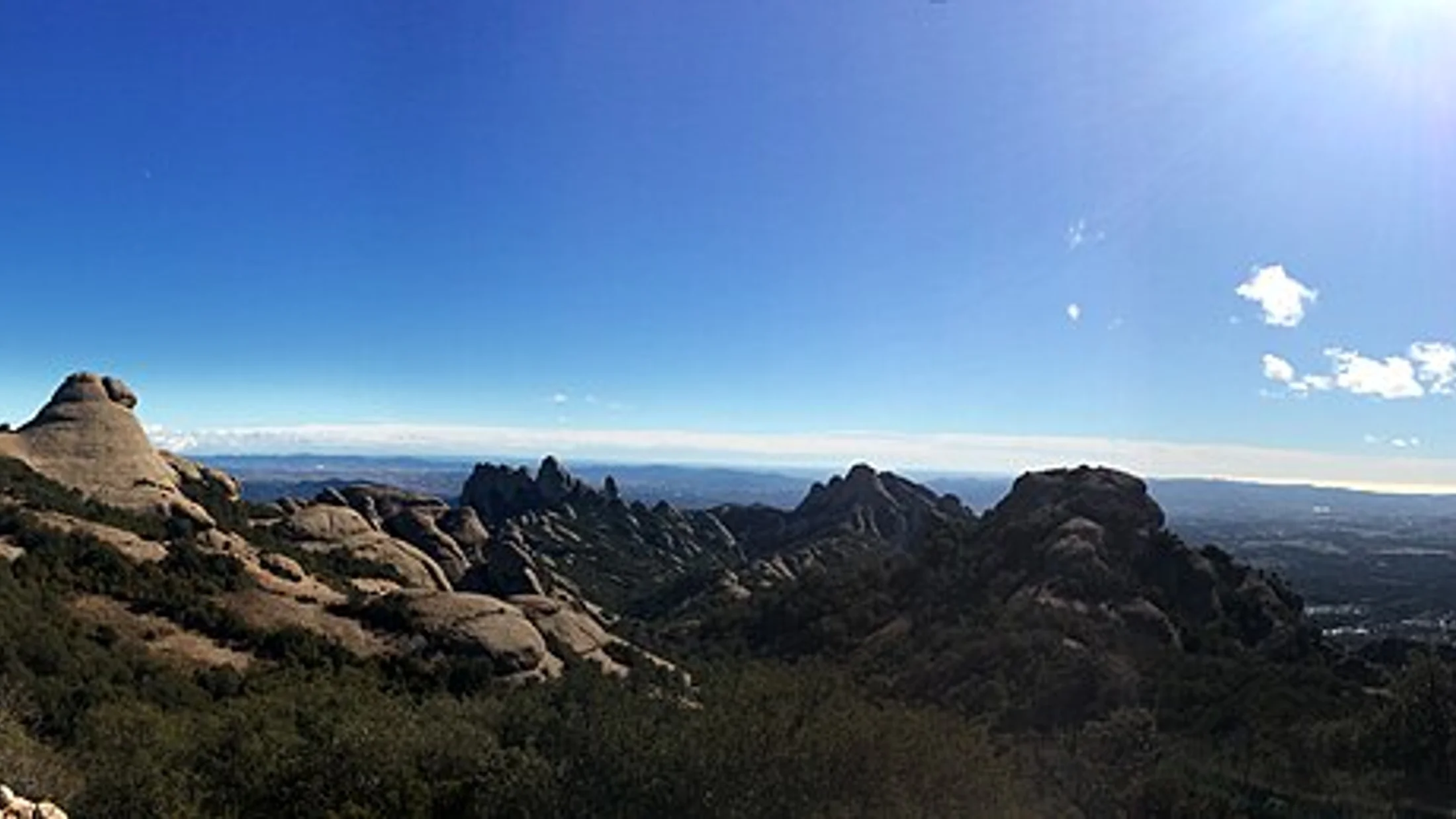
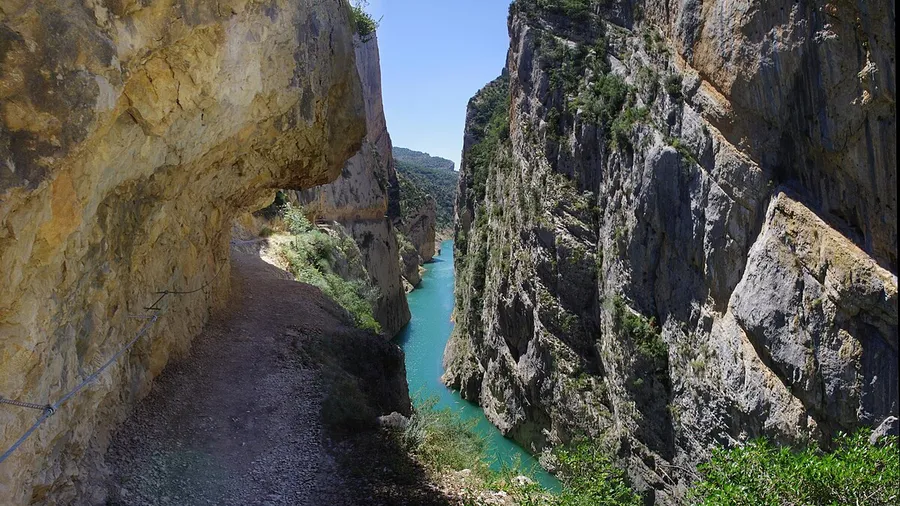
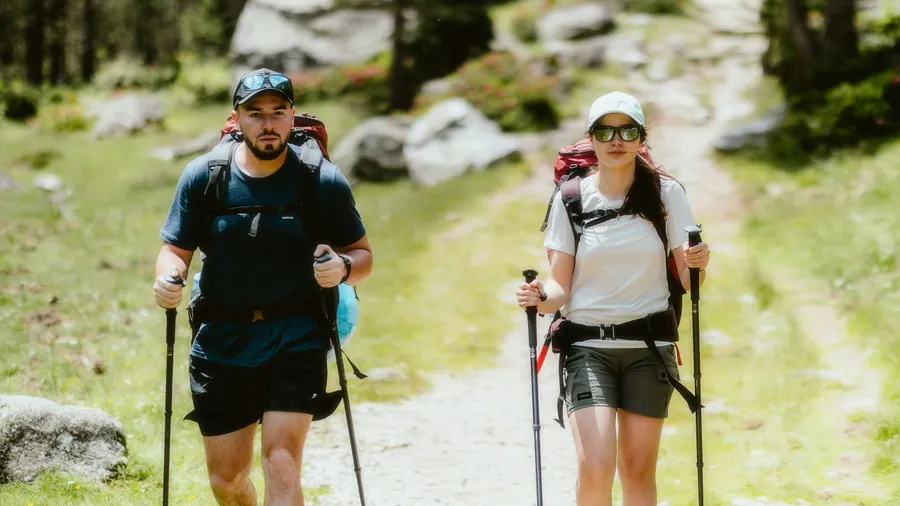
Catalonia holds close to 1,000 outdoor activity options in a territory where the Pyrenees drop directly to the Mediterranean in under 200 kilometres. That geographic compression allows you to combine, on a single trip, alpine skiing at Baqueira-Beret—Spain's largest ski resort with 168 runs—and hiking through the DO Priorat vineyards by the following afternoon. The Catalan Pyrenees concentrate the mountain offer: the canyons of Anisclo and Escuaín accessible from the Ordesa National Park, canyoning in the torrents of Berguedà, and the high-mountain trails of Aigüestortes National Park, with over 200 glacial lakes above 2,000 metres. Climbing has one of its European hubs here: the Congost de Mont-rebei gorge in the Montsec holds walls up to 500 metres above the Noguera Ribagorçana river, with routes for all levels. The coast adds its own dimension. The Costa Brava has the best diving conditions on the Peninsula: Cap de Creus Natural Park, with underwater visibility of up to 30 metres, is a no-anchoring zone that preserves posidonia meadows and corals. In Tarragona, the Ebro Delta offers kayaking through rice fields and flamingo spotting on coastal lagoons, with routes from 8 to 25 kilometres for all abilities. Catalonia's activity model is diverse: small family-run businesses in Pyrenean valleys with deep local knowledge, federated surf schools on the Barcelona coast, and established cycle-touring operators on the network of camins crossing the inland regions. The air links with the rest of Europe bring a steady flow of travellers who land at El Prat and within hours can be abseiling at Montserrat or kayaking in the Empordà.

Highlights

  • • Alpine skiing at Baqueira-Beret, 168 runs and Spain's largest ski resort
  • • Diving at Cap de Creus Natural Park, visibility up to 30 metres
  • • Climbing at Congost de Mont-rebei, 500m walls above the river
  • • Kayaking in the Ebro Delta, routes through rice fields with flamingo sightings
  • • Canyoning in the Berguedà and Catalan Pre-Pyrenees torrents
  • • High-mountain trekking in Aigüestortes, over 200 glacial lakes above 2,000m

Best time to visit

December–April for skiing in the Pyrenees. June–September for canyoning, high-mountain trekking and coastal activities. Spring and autumn for hiking in inland areas (10–20°C). The Ebro Delta is at its best February–May and September–November.

Practical tips

For the Pyrenees in peak season, book accommodation and ski passes at least 4 weeks ahead. On the Costa Brava, Cap de Creus dive centres have limited spots set by the park authority; confirm availability before travelling. The Ebro Delta has dirt tracks that become impassable after rain; check conditions the day before. For Berguedà canyons, bring a wetsuit even in August: snowmelt water rarely exceeds 14°C.

Plans and activities en Catalonia

Las mejores experiencias y planes disponibles en Catalonia

60

What to see en Catalonia

Rincones, lugares y puntos de interés que no te puedes perder

Frequently asked questions sobre Catalonia
Catalan Pyrenees resorts (Baqueira-Beret, La Molina, Masella, Espot, Boí Taüll) typically open late November to early December and close in April. Baqueira is the most reliable for natural snow; maximum altitude reaches 2,610m. Christmas week and February weekends are the busiest periods.
Cap de Creus Natural Park has zones for all levels. The bays of Cadaqués and Cala Montjoi are suitable for beginners (OWD or equivalent). The Cape itself, with currents and depths of 30–40m, requires Advanced Open Water. Dive centres in Llançà, Roses and l'Estartit offer equipment rental and guides.
June to September is the main season. In Berguedà and Pallars Sobirà, water levels are most manageable July to mid-September. In spring, snowmelt can make canyons technical and dangerous without an expert guide. Several operators in Berga and Sort offer full-day outings with all equipment included.
The Ebro Delta is about 160 km from Barcelona via the AP-7 and C-12. Deltebre is the main access point for canals and lagoons. Kayak operators usually transport the boats and offer half-day or full-day outings from the river port. Optimal season is February to May (flamingos on migration) and September to November.
Yes. The hut network of Aigüestortes National Park and the valleys of Boí, Aran and Pallars is well maintained and accepts advance bookings. The Barrancs traverse (5–7 days, Catalan GR-11) links huts in stages of 15–22 km. In July and August, book weeks ahead; September offers more availability and still-stable weather.

Related articles sobre Catalonia