Girona

What to do in Girona

Plans, activities and things to see in Girona

Discover Girona

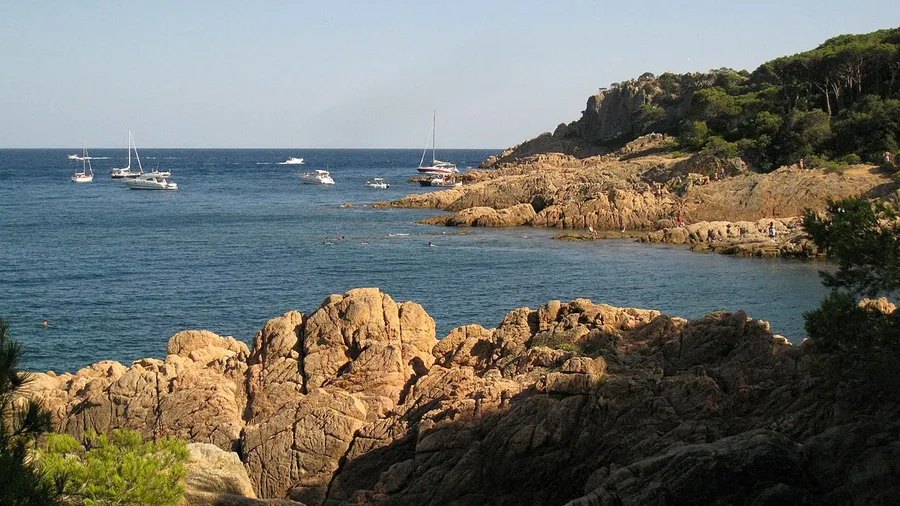
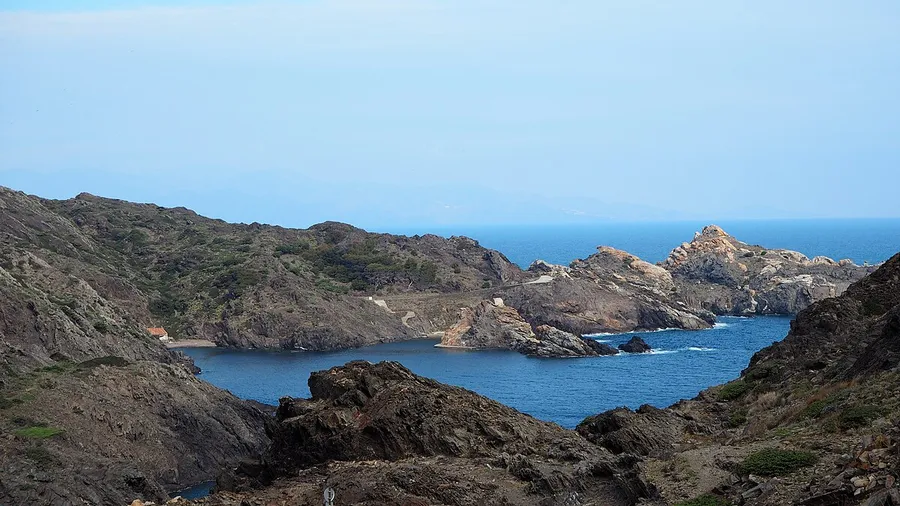
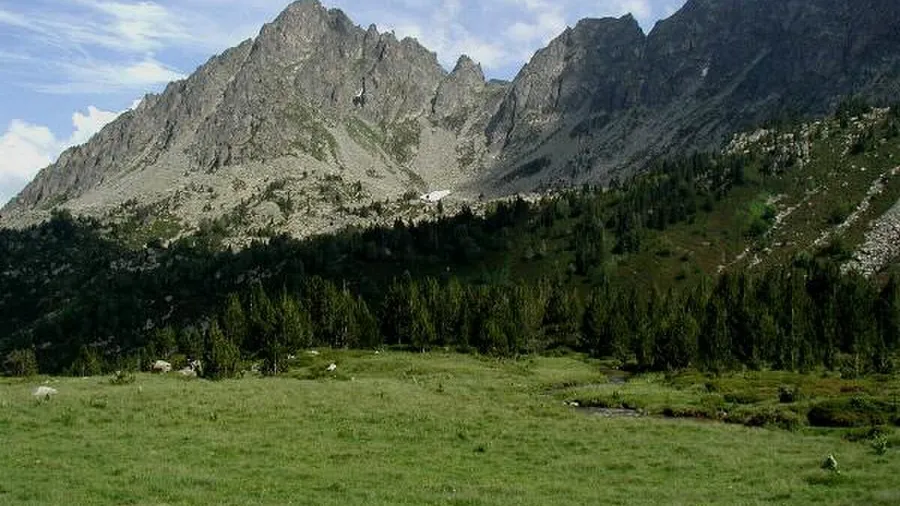
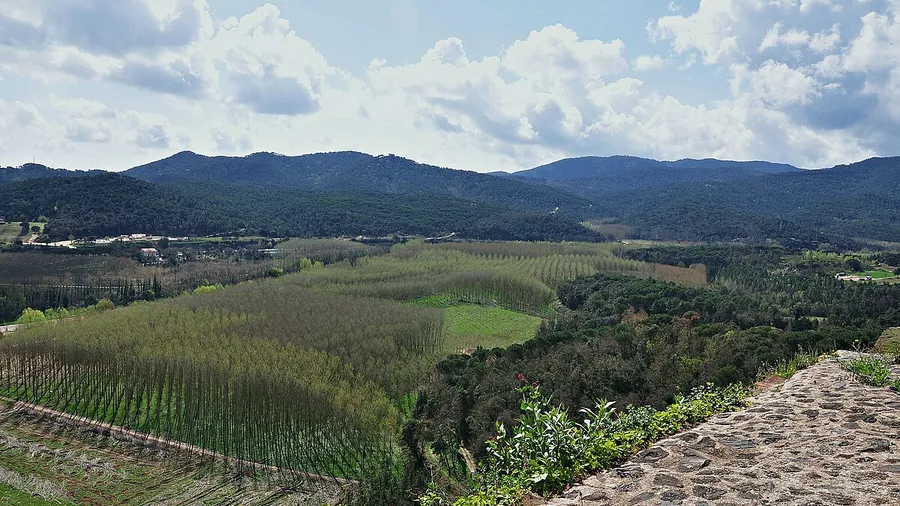
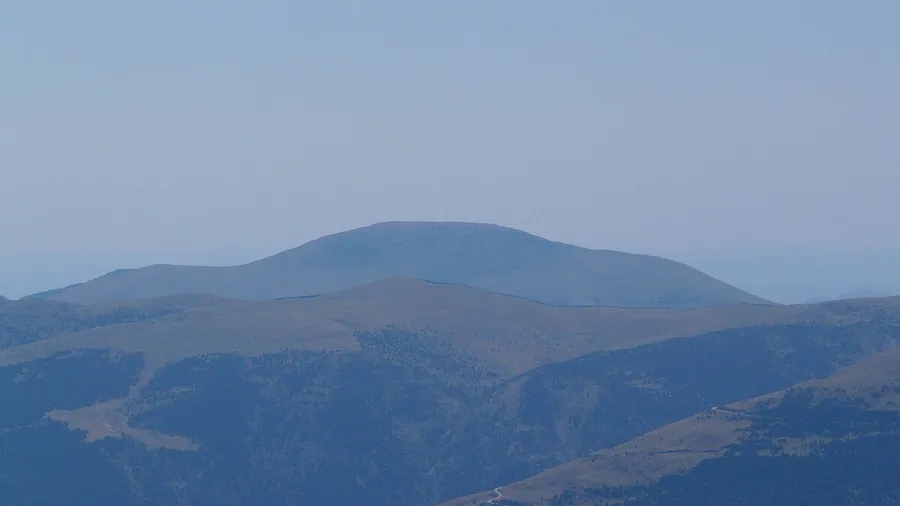
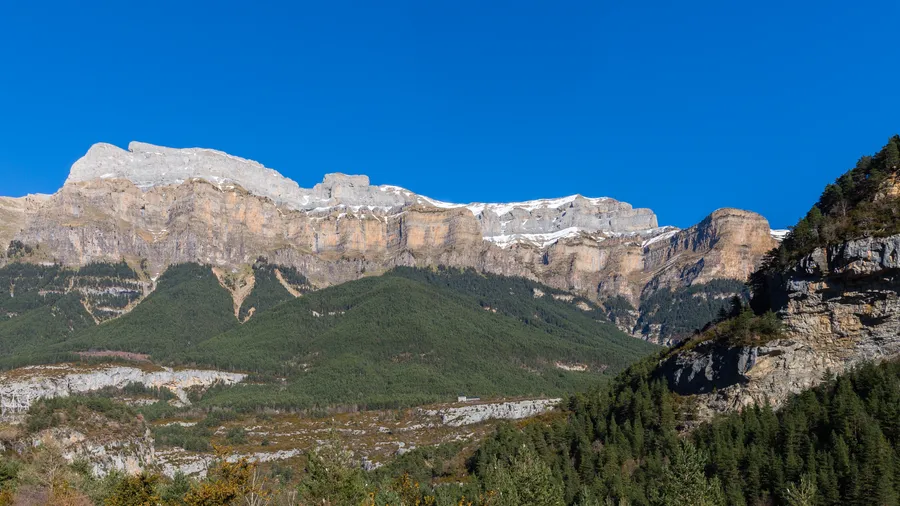
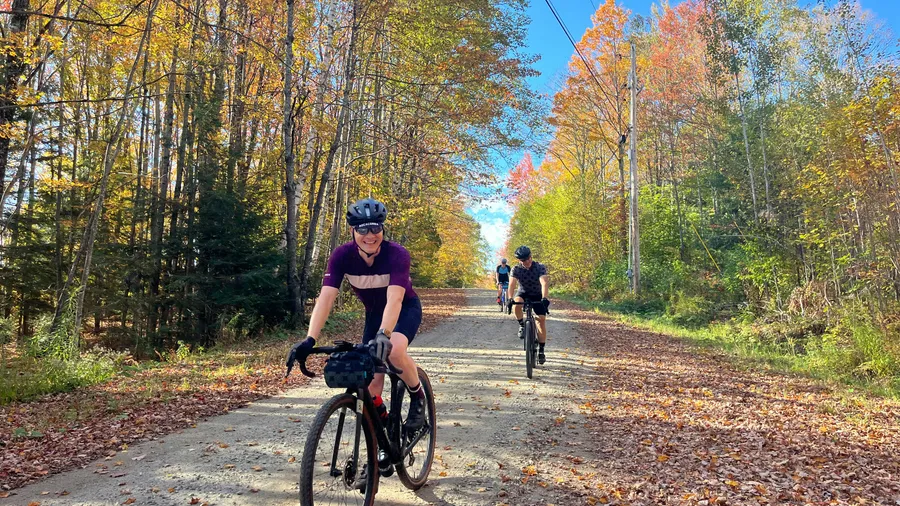
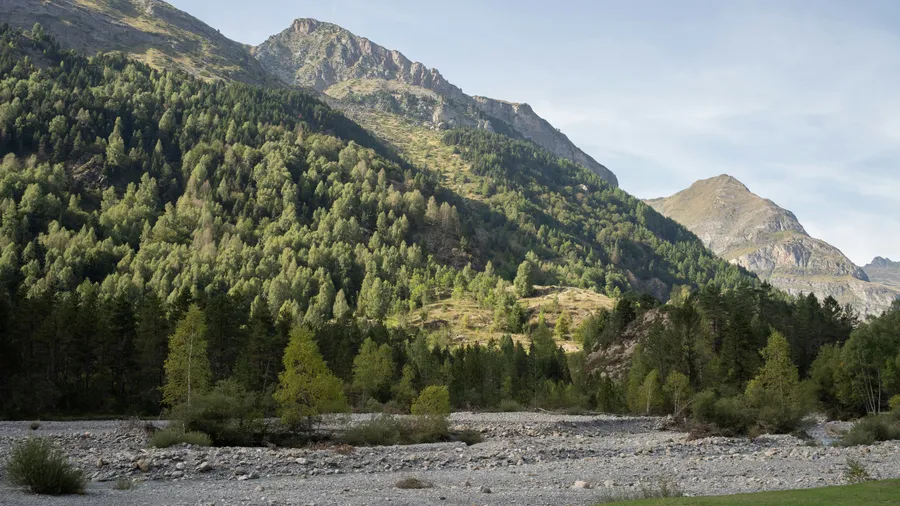
Girona province has two defining axes for its enormous activity offer: 37 kilometres of Costa Brava coastline and the eastern Pyrenees. The Illes Medes, a marine reserve off l'Estartit, catalogue over 1,200 species and represent the reference diving site on the Spanish Mediterranean: giant moray eels, red spiny lobsters and parrotfish share depths between 5 and 40 metres. Average summer visibility exceeds 15 metres. Further north, Cap de Creus—the Iberian Peninsula's easternmost point—offers sea kayak touring between grey-slate coves with clear water. The natural park allows kayak access to roadless coves and authorised camping overnight. The volcanic zone of La Garrotxa, with 40 volcanic cones and Quaternary lava flows, sets the scene for hiking through beech and oak forests that change dramatically with the seasons. The canyoning sectors around Riells del Fai and the Llobregat and Ter gorges have several well-documented intermediate descents. In the Girona Pyrenees, Puigmal (2,913 m) marks the provincial high point and is the starting base for winter ascents with crampons and snowshoes. The La Molina and Masella ski resorts together cover over 140 km of pistes on the same massif. Cycling is the fastest-growing activity in the province: the Alt Empordà has a network of road and gravel routes through wheat fields, vineyards and medieval villages with moderate gradients that attract long-distance riders from across Europe.

Highlights

  • • Diving at the Illes Medes: 1,200+ species in a protected marine reserve
  • • Sea kayak touring around Cap de Creus to roadless coves
  • • Hiking through Garrotxa volcanic cones and beech forests
  • • Canyoning in the Llobregat gorges and the Riells del Fai sector
  • • Gravel and road cycling across Alt Empordà vineyards and medieval villages
  • • Mountaineering on Puigmal (2,913 m) with snowshoes and crampons in winter

Best time to visit

June to September for diving in the Medes with best visibility and warm water. April to October for sea kayak around Cap de Creus. December to March for mountaineering and skiing in the Pyrenees. Spring and autumn are ideal for cycling in Alt Empordà, when tramontane winds are less frequent.

Practical tips

For diving at the Medes, book in advance in summer — diver numbers are limited by reserve regulations. For Cap de Creus kayak, check the wind forecast: the tramontane can exceed 80 km/h and force cancellations. For Garrotxa routes, parking in Olot and Santa Pau fills quickly on public holidays; use the natural park bus service.

Plans and activities en Girona

Las mejores experiencias y planes disponibles en Girona

60

What to see en Girona

Rincones, lugares y puntos de interés que no te puedes perder

Localidades de Girona

Descubre qué hacer en cada localidad de Girona
Frequently asked questions sobre Girona
Yes. Dive centres in l'Estartit offer try-dives in the reserve for non-certified divers, always accompanied by a qualified instructor. For independent diving at deeper sites (over 20 m), a minimum of PADI Open Water certification or equivalent is required.
The full crossing from Roses to Cadaqués through the interior of the park covers around 35 km and is typically done over 2-3 days with overnight stays in coves. There are also half-day routes (8-10 km) from Cadaqués or Llançà that require no prior experience in calm conditions.
From December to March, consolidated snow is present above 2,000 metres. The ascent route from Refugi dels Camins de Queralbs requires crampons and an ice axe in winter conditions. Check the AEMET forecast for the Eastern Pyrenees before setting out.
Yes. The district has routes of 60 to 140 km with manageable elevation between 400 and 1,200 m. Pyrenean passes such as Coll d'Ares and La Molina are reachable in a full day. In summer, the tramontane wind can make northbound riding very demanding.
Related articles sobre Girona