Why Free Nature Time Changes Your Trip
You want days outside that feel rich, not expensive. Free nature activities give you wide horizons, quiet paths, and room to breathe without draining your budget. This guide uncovers 15 less‑known, free outdoor experiences across Spain, with practical details to help you move from idea to action.
Spain’s public landscapes are generous, from Atlantic marshes to lunar badlands. You’ll find where to go, the best months, how to get there by car or public transport, and simple safety steps so you return with good stories, not blisters. Think of it as a field manual to free outdoor activities Spain can offer, built for couples, families, and small groups seeking real places and time outside together.
Salt air on your lips at sunset or the resin scent of pines at dawn can be the whole reason for the trip. We include short, family‑friendly walks, longer free hikes Spain is known for, beaches and viewpoints you can access without tickets, and options for free wildlife watching that don’t disturb the animals you came to admire. You’ll also learn why choosing off‑peak hours and shoulder seasons often improves the experience while easing pressure on local communities.
Each idea is grounded in verifiable facts—distance, terrain, typical seasonal patterns—and matched with low‑impact advice. If a spot occasionally needs a permit or closes for protection, we flag it and point you to official sources to confirm current rules. To go deeper or pair a free plan with a guided activity, you can always browse options on Picuco and compare what local, verified providers offer near these places. In short, this article helps you plan, travel lightly, and enjoy nature the way locals do.
Picuco te puede ayudar
Does something here catch your eye?
Tell us.
Write to us on WhatsApp or email: we answer questions, find the best options and help you sort out the booking.
Essential Planning: When to Go, How to Get There, Where to Sleep
Start with the calendar. Spring (March–May) and autumn (September–November) bring mild temperatures and active wildlife migrations on both coasts. Summer favors high mountains and cool forests but demands early starts and strict sun protection. Winter suits marshes and steppe areas for birds, and Canary Island trails for stable weather at altitude. One clear rule: avoid the hottest hours, especially in the south and interior.
Getting there without a car is easier than you think. For many sites near cities, regional trains (Renfe Media Distancia, Cercanías) and interurban buses connect you to trailheads or villages with taxis for the last kilometers. For example, Cercanías lines to Cercedilla open routes in the Sierra de Guadarrama, and buses from Valencia reach the Albufera. In coastal areas like the Costa Brava or Cabo de Gata, seasonal buses help you move between towns and beaches; always check current timetables before you go.
If you drive, note park gates, unpaved tracks, and seasonal restrictions. Some protected beaches and mountain passes limit parking in peak season and run shuttle services instead. Aim to arrive early morning or late afternoon for quieter trails and easier parking. Carry a paper map or offline maps in case coverage drops in valleys or canyons.
Budget nights are widely available. You’ll find public and private campsites near national and natural parks, simple rural guesthouses (casas rurales), and mountain hostels close to free trail networks. Camping rules vary by region: wild camping (outside designated areas) is usually prohibited at low elevations; a minimalist bivouac may be tolerated above treeline in some mountain parks—confirm with the local park office or website. Reserve campsites and rural stays in summer weekends and long holidays, and travel midweek for better availability and lower prices.
Pack for the place and season. Minimum kit includes sturdy footwear, 1.5–2 liters of water per person (more in summer), sun protection (hat, SPF 50, sunglasses), insulation for evenings in the mountains, and a compact first‑aid kit. Binoculars transform any wetland visit, a red‑light headlamp protects night vision for stargazing, and a snorkel mask makes a free swim feel like a small expedition. The forest smell after a brief rain shower tells you just how alive the path is.
15 Free Nature Experiences You Didn’t Know Existed
1.Birdwatching in Doñana: wetlands and migratory flocks (andalusia)
The mosaic of marsh, scrub, and lagoons around Doñana is a magnet for birds crossing between Europe and Africa. Free access trails and viewpoints in the surrounding Doñana Natural Park—like El Acebuche boardwalks, La Rocina footpaths, and Dehesa de Abajo near La Puebla del Río—offer excellent wildlife watching free of charge. Peak activity spans spring (March–May) and autumn (August–October), when you can see glossy ibis, spoonbills, flamingos, and, with luck, Spanish imperial eagle.
Reach the area by road from Seville (about 1 hour to El Acebuche) or by bus to Almonte and Matalascañas with local transfers; confirm seasonal services. Bring binoculars, move quietly, and keep distance so feeding or resting birds aren’t disturbed. The air hums with marsh insects and the soft clatter of wings over reeds. As one of your plans gratuitos naturaleza, this is as rich as it gets with almost no gear: stay on marked paths, avoid playback calls, and time your visit for dawn or late afternoon.
2.Wild beaches of Cabo de Gata: coastal walks and snorkelling (almería)
Volcanic headlands, sandy arcs, and turquoise shallows make several Cabo de Gata beaches outstanding and free. Genoveses and Mónsul are classic options with wide, sandy access; Cala de Enmedio and Cala del Plomo reward a short walk; Cala San Pedro is car‑free and reachable on foot or by your own kayak. Calm, clear mornings are best for snorkelling among posidonia meadows and rocky corners.
Drive from Almería to San José (about 45 minutes) and follow signed access; in peak summer, private cars are sometimes restricted and shuttle buses operate from San José—check dates and schedules. ALSA buses run from Almería to San José with seasonal frequency. The sea smells of salt and warm rock when the wind drops. To enjoy playas y miradores gratis, arrive early, pack out all waste, and avoid trampling fragile dunes and vegetation.
3.The Cares Gorge: cliff path and mountain panoramas (picos de Europa)
The famous Ruta del Cares threads a man‑made canal path through a dramatic gorge between Asturian Poncebos and León’s Caín. Expect around 12 km one way (24 km return), with cliff‑edge exposure and spectacular views into the limestone canyon. Fit walkers can complete the out‑and‑back in 6–8 hours; many choose a one‑way with a prearranged taxi or shuttle.
Reach Poncebos by road from Arenas de Cabrales via the AS-264; limited seasonal buses may connect villages—confirm locally. Bring sturdy footwear, water, and layers even in summer, and do not attempt the route in storms or when snow lingers. Swallows stitch the air over sheer walls, their echoes bouncing like small drums. As senderismo gratis within your plans gratuitos naturaleza, it’s unforgettable—just keep well back from edges and let faster hikers pass.
4.Clifftops and lighthouses on the Costa da Morte (galicia)
Wave‑cut headlands, working lighthouses, and raw Atlantic energy define this coast from Malpica to Finisterre. Free viewpoints include Cabo Vilán’s lighthouse, the Mirador de Ézaro above the only European river that plunges directly into the sea, and O Roncudo near Corme, home to famed barnacles. Short coastal paths link parking spots to vistas that feel like the end of the world.
Arrive by car along the AC-552 and local roads; limited local buses connect larger towns, but a car makes a big difference. Golden hour and storm‑clearing evenings deliver the best photographs without the crowds. The wind tastes of spray and wild thyme clinging to the rock. Use marked footpaths, avoid cliff edges in strong wind, and respect working areas at lighthouses—this is a perfect entry in playas y miradores gratis if you keep safety first.
5.Sunset at Mirador del Fitu: panoramic sweep (asturias)
Perched at 593 m on the AS-260 between Arriondas and Colunga, the concrete viewing platform of Mirador del Fitu offers a 360‑degree panorama from the Bay of Biscay to peaks in Picos de Europa. Sunset paints the Cantabrian foothills in bands of copper and violet, and on clear days you can trace ridgelines deep into the mountains. It’s a fast, free win if you have wheels and an hour of evening light.
Parking is adjacent; arrive early on weekends to avoid a squeeze. Combine with a short forest stroll on signed trails nearby, or with a stop in Arriondas or Lastres. The resin scent of pines drifts on a cooling breeze as swifts circle the platform. Mark this as an easy, plan gratuito naturaleza: bring a light jacket, keep kids close on the stairs, and leave no litter behind.
6.Bardenas Reales: a walk in Spain’s semi‑arid badlands (navarra)
Eroded clay, gypsum, and sandstone have sculpted Bardenas Reales into a maze of buttes and gullies under vast skies. Free access on designated tracks and paths lets you experience icons like Castildetierra and panoramic viewpoints beyond the main driving circuit. Hike or cycle early or late to dodge heat; spring and autumn are prime, with winter offering crisp, clear days.
Enter via Arguedas and the park information point; follow rules that keep you on marked routes and exclude the most sensitive zones. After rains the clay turns slick and rutted, so check conditions. The dry smell of dust rises with each step as kestrels hang in the wind. For activities gratis aire libre, this is a rare landscape—carry ample water, sun protection, and respect closures for breeding or military use.
7.Windmill routes in La Mancha: cultural trail through open country (castilla‑la Mancha)
White windmills on hilltops above La Mancha villages offer an easy blend of culture and landscape. Free, signed paths around Consuegra, Campo de Criptana, and Mota del Cuervo let you walk between mills and viewpoints over cereal plains and vineyards. Plan 1–3 hours per site, with time in town squares for shade and local flavors.
Reach Consuegra from the CM-42 or by bus from Toledo and Madrid with local connections; a car links multiple villages efficiently. Late afternoon brings softer light on the white towers and fields below. Warm air smells faintly of wheat and dust on the ridge. Within plans gratuitos naturaleza, this mixes heritage and open air—stay on signed paths, respect closed interiors, and avoid peak heat.
8.Paths around La Albufera: birds and glassy sunsets (valencia)
Just south of Valencia, La Albufera’s lagoon, rice fields, and dunes draw herons, egrets, and seasonal flocks. Free walking and cycling routes run through the Devesa de El Saler, with viewpoints like Gola de Pujol ideal for sunset. Spring and autumn offer active birdlife; winter reveals large congregations, and summer evenings still shimmer with color.
Take city buses EMT 24 or 25 from Valencia to El Saler/El Palmar, or drive the CV-500 to signed parking. Bring binoculars, mosquito repellent at dusk, and patience for silhouettes on mirror water. The scent of brackish water and rice fields drifts as the sky ignites. For observación de fauna gratuita that stays gentle, keep to boardwalks and avoid flushing birds from roosts.
9.Volcanic trails of La Palma: walking a new and ancient earth (canary Islands)
La Palma’s south holds a textbook of volcanism you can walk for free. The Ruta de los Volcanes section of the GR-131 (from Refugio de El Pilar toward Fuencaliente) traverses cinder cones and ash fields with long views to the Atlantic. Shorter, family‑friendly options include paths around Teneguía and Malpaíses near Fuencaliente—always check current closures or advisories following the 2021 eruption.
Reach trailheads by bus (“guaguas”) to El Paso, Los Canarios (Fuencaliente), and Los Llanos with local taxis for the last stretch; driving is straightforward on the LP-3 and LP-2. Start early for cool air, bring extra water, and protect ankles on loose ash. The pumice crunches underfoot while a dry, mineral scent rises in the sun. As activities gratis aire libre, these routes are unique—respect closures and stay on signed paths to protect fragile soils.
10.Stargazing in Teide National Park: dark skies and silent craters (tenerife)
At over 2,000 m above sea level, Teide National Park offers some of Europe’s best public stargazing. Free roadside viewpoints—Llano de Ucanca, Minas de San José, and Mirador de los Roques—give wide, unobstructed skies. Choose moonless nights, bring a star map app, and let your eyes adapt for 20–30 minutes.
Drive the TF-21 or TF-24 from La Orotava or Vilaflor; nights can be cold and windy even in summer, so pack warm layers, gloves, and a thermos. Shooting stars cut the dark like quicksilver scratches when the sky is clear. As part of your plans gratuitos naturaleza, remember that permits are only required for the summit, not for night viewing—park well off the road, dim lights, and keep noise low to protect nocturnal wildlife.
11.The Ruidera Lakes: inland shores and linking paths (castilla‑la Mancha)
A chain of karstic lagoons between Ciudad Real and Albacete forms beaches without the coast. Several lakes—like Laguna del Rey, Colgada, and San Pedro—have free access zones for swimming and picnicking, with footpaths and cycling routes linking shaded coves. Spring and early summer offer fresh greens and flowing waterfalls; late summer brings warm water and busy weekends.
Access via CM-3115 from Ossa de Montiel or CM-412 from Ruidera; parking may be regulated in peak season. The air smells of poplar leaves and fresh water where small fish dart close to shore. If you choose playas y miradores gratis inland, swim only where allowed, avoid soaps, and keep glass away from shores.
12.Short routes and viewpoints in Sierra de Guadarrama: close to Madrid
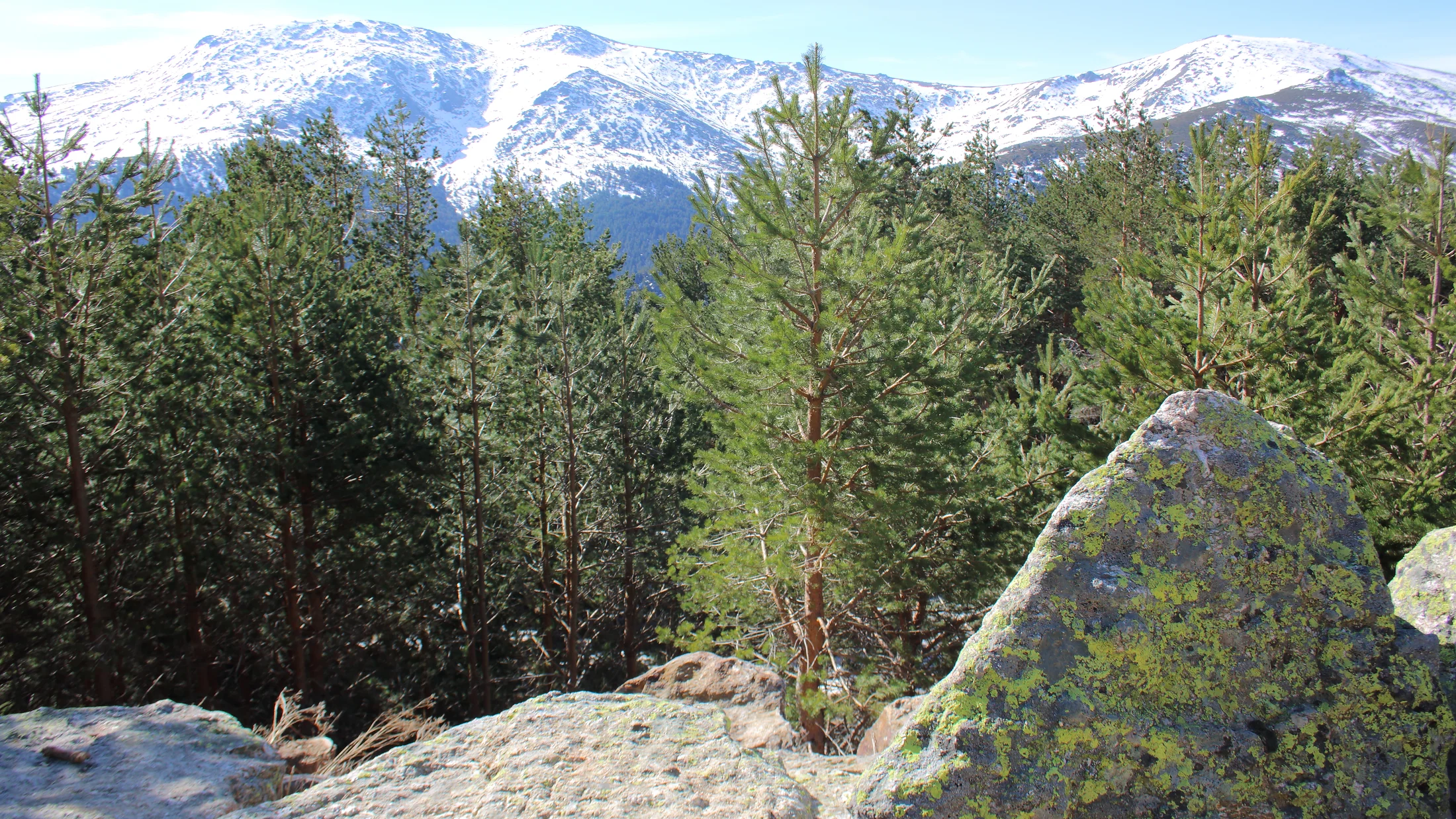
Within 1–1.5 hours of Madrid, you can step into cool forests and granitic ridges. Easy options include the Bosque de la Herrería and viewpoints near San Lorenzo de El Escorial, the Camino Schmidt from Puerto de Navacerrada (partial family segments), and the Senda de la Barranca from Navacerrada village to miradores over the valley. Weekdays or early mornings avoid crowds.
Take Cercanías to Cercedilla (C-8) and local buses (e.g., 691 to Navacerrada pueblo, 682 to Rascafría) or drive the M-601/604 to passes and trailheads. Pines release a cool resin scent as woodpeckers tap in the shade. For senderismo gratis near the capital, carry layers year‑round and expect snow or ice in winter on shaded trails.
13.Odiel Marshes Nature Reserve: tidal paths and birdlife (huelva)
Just west of Huelva city, the Paraje Natural Marismas del Odiel protects one of Spain’s best feeding and resting areas for waterbirds. Free routes and observatories near the Anastasio Senra visitor center let you scan for spoonbills, ospreys in winter, and waders commuting with the tide. Autumn and winter concentrate birds, while spring brings passage migrants.
Arrive by car on the HU-3301 from Huelva; limited local buses serve nearby areas, but a vehicle helps reach multiple viewpoints. Salt on the breeze and mudflat aromas tell you the tide is turning. For observación de fauna gratuita, match your visit to a falling or rising tide, keep quiet near roosts, and log sightings on citizen‑science platforms that support conservation.
14.Camino de Ronda (costa Brava): cliff path between coves and viewpoints (catalonia)
The coastal GR-92—known locally as the Camino de Ronda—threads cliffs, pines, and small coves from Blanes to the French border. Short, free sections shine for families: Calella de Palafrugell to Llafranc, Tamariu’s rocky steps, or S’Agaró’s elegant promenade to Platja d’Aro. Spring and autumn bring easy temperatures and fewer swimmers; summer rewards dawn starts and evening returns.
Reach towns by regional buses from Girona or Barcelona and follow waymarks. The shade smells of hot pine needles while the sea murmurs below stair‑cut rock. If you want playas y miradores gratis with charm, carry water, watch wet rocks, and respect private property lines where the path narrows past old estates.
15.Pools and waterfalls in Sierra de Cazorla: Natural baths and shaded trails (jaén)
Emerald pools and narrow gorges make Cazorla a summer refuge. The Río Borosa trail to the Cerrada de Elías offers family‑friendly walking on footbridges with deep, clear water beside you; upper sections reveal cascades and tubs under limestone walls. Other classic dips include natural pools near the upper Guadalquivir and shaded reaches around Arroyo Frío.
Drive from Cazorla or La Iruela on mountain roads and follow signs to parking areas; buses reach nearby towns with local taxis for last‑mile access. The cool shock of river water on your skin erases the day’s heat in a breath. As plans gratuitos naturaleza go, remember that water levels vary by season—enter slowly, avoid jumping, and never leave sunscreen or glass in pools.
What Kind of Free Activities Fit You Best?
Free hikes Spain excels at range from flat lagoon loops to steep mountain traverses. Families often prefer shaded, short circuits like Cerrada de Elías on the Río Borosa or boardwalks at La Albufera and Doñana. Fit walkers looking for long days can take on the Cares or extended GR-92 sections with bus returns. Always match distance to daylight, and build in rest stops for food and views.
For beaches and coves, mornings deliver calm water and fewer people, ideal for a snorkel at Cabo de Gata or quiet coves along the Camino de Ronda. Inland “beaches” like Ruidera’s shores give warm, low‑surf options for kids with quick shade nearby. A single towel, mask, and reusable water bottle turn a shoreline stop into a micro‑adventure.
Viewpoints provide high reward with low commitment. Mirador del Fitu is a golden‑hour classic, while Costa da Morte headlands serve storm‑watchers and photographers. If you travel with grandparents or toddlers, anchor your day around a viewpoint plus a short, flat path in the nearest forest or dune system.
Wildlife watching free of charge thrives at wetlands and steppe edges. Your essential kit is binoculars and patience; dawn and dusk beat midday. Keep a respectful buffer, use hides where available, and avoid repeated flushing of birds or mammals. Noting tides at Odiel or Albufera multiplies your chances as birds move to feed or rest.
Phenomena at night add magic. Stargazing at Teide’s high pullouts is world‑class with nothing but a star map and warm clothes. In late summer, bioluminescence sometimes appears in sheltered coves along Mediterranean shores; seeing it from the beach is free, while “bioluminescence kayak free” only applies if you paddle your own boat and follow local rules—commercial night tours exist, but they are paid. Whichever you choose, use red light, keep voices low, and avoid shining beams at wildlife.
For groups, layer activities: a morning wetland loop, picnic at a shaded inland lake, and a sunset viewpoint. Couples might pair a short coastal walk with a quiet cove swim, and families can blend an easy forest trail with an interpretive visitor center nearby. The faint smell of coffee from your thermos at dawn can be the day’s best luxury.
How to Organize Your Free Nature Plans
A simple process turns intentions into real days out:
- Define group profile and limits. Choose walking distances, elevation, and drive time that suit your slowest member.
- Check seasons and weather. Use AEMET forecasts the day before and morning of your trip; watch wind for coasts and temperature for interiors.
- Map transport. Note the last bus/train times or shuttle restrictions; download offline maps and pin water sources/parking.
- Pack essentials. Footwear with grip, water (1.5–2 liters/person; 3+ in hot, arid areas), snacks, hat, SPF 50, layers, first aid.
- Time your day. Start at dawn or 2–3 hours before sunset for cooler air and softer light; build a buffer for rests and photos.
Use these micro‑itinerary templates to make plans gratuitos naturaleza easy to execute:
- Half‑day wetland loop (families):
- 08:30 Arrive at visitor center; check board with recent sightings.
- 08:45–10:15 Boardwalk loop and hide time; snack break mid‑way.
- 10:15–11:00 Optional spur path; exit before midday heat.
- Full‑day coastal walk + swim (couples):
- 08:00 Start on a
GR-92section; pace at 3–4 km/h, early photos. - 11:30 Coves stop; snorkel and lunch.
- 14:00 Public bus or 90‑minute walk back via shaded variant.
- 08:00 Start on a
- Mountain viewpoint + short trail (mixed group):
- 17:00 Drive to panorama (Mirador del Fitu / similar); 30 minutes stop.
- 18:00 3–5 km forest circuit; snack and sunset return.
Estimating durations keeps stress low. Flat family paths move at 2.5–3 km/h including stops; moderate trails at 3–4 km/h; rugged routes like the Cares average 2–3 km/h with photo breaks. Add 15–20 minutes per 300 m elevation gain. If in doubt, shorten the route and extend your picnic—it’s still time outdoors.
Two‑day combo ideas, each with a different flavor:
- Atlantic edge: Costa da Morte viewpoints on day 1; Odiel Marshes birding on day 2.
- South & sea: Cabo de Gata coastal path and swim; Doñana boardwalks at dawn next morning.
- High & dark: Guadarrama forest walk; Teide night sky on a separate trip to the Canaries.
Keep the plan flexible. If wind rises on the coast, pivot inland to a lagoon loop; if heat builds on a badlands day, swap to a shaded river trail. The crisp snap of a pine cone underfoot can be your cue to slow down and adjust.
Practical Tips and Safety
Navigation basics: follow waymarks, carry a paper map or offline map, and confirm your turnaround time. In mountains, identify escape routes (forest tracks to roads) and note that fog can drop quickly. Share your plan and expected return with a friend.
Weather: consult AEMET the evening before and morning of departure. On coasts, watch wind strength and direction; in interiors, avoid midday heat, especially June–August. Thunderstorms form quickly over ranges—descend off ridgelines at the first rumble.
Water and food: carry more water than you think you’ll need; treat natural sources unless signed potable. Simple, salty snacks and fruit prevent bonks; a hot drink can help when evenings chill fast at altitude. In arid areas like Bardenas, a broad hat and long sleeves beat a sunburn every time.
First aid and minor issues: pack blister care (tape, antiseptic), wound closure strips, and basic pain relief. Ticks occur in grassy/woodland areas—use repellent on socks and do a post‑walk check. For jellyfish on Mediterranean shores, check local flags and apps; rinse stings with seawater (not freshwater) and seek lifeguard help if available.
Wildlife: snakes are shy, wild boar avoid people, and large predators are extremely rare in Spain. Keep dogs leashed where required, give nests and dens a wide berth, and never feed animals. In wetlands, move slowly, keep voices low, and avoid blocking narrow paths near hides.
Budget and low‑impact travel: share rides, travel midweek, and aim for dawn starts to dodge parking fees and crowds. Bring a reusable bottle and a small trash bag to pack out all waste. Shop for picnic food in village markets and bakeries so your spend stays local.
Emergencies: dial 112 anywhere in Spain. If you’re unsure of your precise location, read coordinates from your phone’s map app or learn to extract them from offline maps in advance. A small whistle and bright layer help rescuers find you faster than a phone light alone.
Pine shade that smells of resin and dust cooling after sunset reminds you that slower is often safer.
Rules, Permits, and Responsible Enjoyment
Protected areas carry specific rules you should confirm on official park sites before visiting. In Spanish national parks, drones are generally prohibited; many natural parks also ban them to protect breeding birds—check AESA guidance and park regulations. Campfires are widely prohibited year‑round, and additional bans apply during high‑risk months; use gas stoves only where permitted.
Wild camping is mostly illegal at low elevations; camp only in designated sites. A bivouac (sleeping without a tent) may be tolerated above certain altitudes in some mountain parks—ask the park office for the current policy. Some tracks close after heavy rain or during breeding seasons; temporary closures also occur for military exercises in areas like Bardenas Reales.
Respect time windows. Some tracks or gates open at sunrise and close at sunset; plan your exit to avoid fines and nighttime driving on wildlife corridors. Summit access (like Teide’s crater) requires a free permit booked ahead, but surrounding viewpoints remain open without one—confirm hours and roadworks.
Follow Leave No Trace principles:
- Plan ahead and go in small groups.
- Travel on durable surfaces—stay on signed paths and boardwalks.
- Pack out all waste; avoid soaps in lakes and rivers.
- Leave what you find; do not pick plants or collect rocks.
- Minimize campfire impact—better yet, skip fires entirely.
- Respect wildlife—set a telephoto lens between you and the subject.
- Be considerate of locals—park legally, keep noise down, support village shops.
A single plastic wrapper carried out protects a bird that might have mistaken it for food.
Frequently Asked Questions
Do I need permits for these activities?
Most listed activities are permit‑free if you stay on public paths and within open hours. Exceptions include summit access (e.g., Teide’s crater) and occasional closures for breeding or safety—check the official park site before you go.
What is the best season to visit?
Spring and autumn balance temperatures and wildlife activity. Summer favors high mountains, forests, and early starts; winter concentrates birds in wetlands and offers clear sky nights for stargazing, especially in the Canary Islands.
Are these plans suitable for families with children?
Yes, many are. Choose short, shaded loops (wetlands, forest paths), inland beaches with calm water (Ruidera), and viewpoints near parking (Mirador del Fitu). Avoid cliff‑edge routes like sections of the Cares with very young children.
How can I find public transport to Natural areas?
Search regional bus and train operators for the nearest village, then plan a short taxi or walk to the trailhead. Around big cities, Cercanías trains and interurban buses serve many gateways (e.g., Cercedilla for Guadarrama, EMT 24/25 for Albufera).
What should I do if I get lost?
Stop, breathe, and backtrack to your last known point. Check your offline map and conserve battery; if needed, call 112 and provide coordinates from your phone. Carry a whistle and warm layer to wait safely if evening approaches.
Is bioluminescence kayaking really free?
Seeing bioluminescence from the shore is free and magical during suitable summer nights in some coves. Paddling by kayak is only free if you use your own boat and follow local rules; guided night tours are paid experiences.
Book your experience — discover active nature experiences in Spain with Picuco‑verified providers.
Conclusion
Nature has room for everyone, and many of Spain’s finest moments cost nothing more than time and attention. From a quiet boardwalk at dawn in Doñana to sunset on a cliff in Costa da Morte, these plans gratuitos naturaleza connect you to places locals cherish and communities work hard to protect. Walk a little, listen a lot, and let the day decide the pace.
You now have 15 options across coasts, mountains, wetlands, and volcanic lands, plus clear steps to plan them safely and simply. Pick one for next weekend, or string two together for a low‑cost micro‑escape that feels far from routine. If you want a guided add‑on—snorkelling, astronomy, or a birding introduction—you can explore choices with verified local partners on Picuco. Tell us what you tried, share your favorite spot, and keep the free outdoors alive by leaving it better than you found it. The horizon is open—step out and meet it.