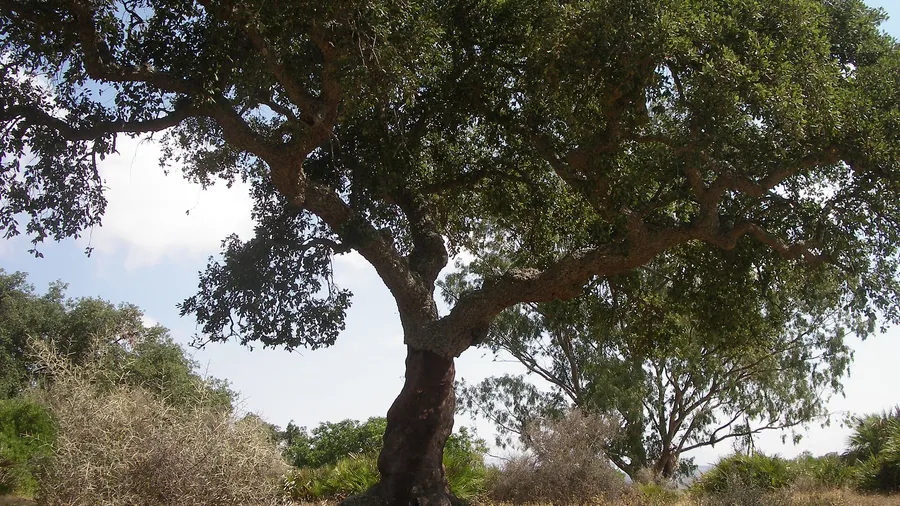
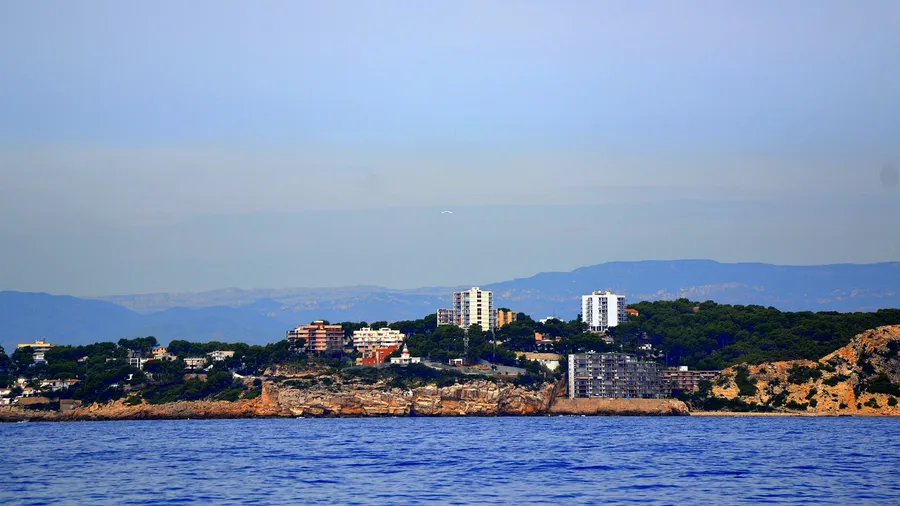
Nature for two: stepping away from the typical and returning to the essentials
An outdoor plan as a couple changes the pace: fewer screens, more unhurried conversation, and effort that is shared. That is the idea guiding this section.
Here you have 15 uncommon experiences, designed for those seeking gentle adventure or contemplation without schedules, with a flexible budget that adapts to every couple.
Each plan comes with clear ideas to choose, book, and enjoy it safely and responsibly. Choose the one that fits your time and start there.
Why nature multiplies connection
Heading out on a trail or rowing together changes the pace: the mobile phone stops dictating the timing and complicity appears. Novelty activates the sense of adventure and opens up conversation.
Moderate exercise reduces stress and improves mood, and it is noticeable from the very first hour. You don't need to be an athlete: it is enough to choose the intensity and the environment well to stay comfortable.
The crunch of gravel under your boots and the steam from the coffee at dawn form a small shared ritual. A sunrise together, a pause at a viewpoint or a dip in a pool leave emotional anchors that a conventional dinner does not provide.
Before heading out, check the forecast and the daylight hours, and book in advance if the plan includes a guide or equipment. With that, the day organises itself.
What you will take away from this guide
Fifteen ideas for nature plans for couples, spread across different regions of Spain. Each one comes with its best season, logistics, and typical duration, so you can choose without guesswork.
With the guide, you can choose the plan according to your tastes and your budget. You will also find basic safety advice, sustainability criteria, and small romantic tricks to personalise the outing.
The proposals range from 1 to 3 days and include equipment recommendations, guided alternatives, and charming accommodation options. The goal is for you to book with judgement and enjoy at your own pace, without last-minute improvisations.
Picuco can help you
Does something here catch your eye?
Tell us.
Write to us on WhatsApp or email: we answer questions, find the best options and help you sort out the booking.
Write to us
We guide you based on the type of plan you have in mind and reply by WhatsApp or email.
Where to go, when to go and how to organise the essentials
Spain's landscape changes in just a few hours by car or train. Choose the area based on the type of experience you are looking for and the season, and you will have half your plan sorted.
If you are drawn to the Mountains, the Pyrenees, Picos de Europa, the Sierra de Gredos and Grazalema offer forests and summits. For the Coast and tranquil coves, there are the Costa da Morte, Cabo de Gata and the north of the Costa Brava. Rivers, wetlands and marshes appear in the Ebro Delta, the Doñana environment and the Albufera de València. Vineyards and pastures await you in La Rioja, Penedès, Ribera del Duero and Aracena. And for the interior with charming villages, the Serranía de Cuenca, the Maestrazgo, La Alcarria and La Vera.
Spring (March–May) is the best time for hiking, flowers and active fauna, with mild temperatures and possible rain. In summer (June–September), head to the coast, rivers and high mountains: avoid the midday hours and seek altitude or water. Autumn (October–November) brings forest colours and the grape harvest, with shorter days, so bring light layers. Winter (December–February) leaves clearer skies for stargazing, snow in the mountains, thermal baths and cosy accommodation.
Your own car or a rental gives you maximum flexibility for valleys and coves with limited access. With train + transfer, you can arrive via AVE/ALVIA in nearby capitals and make the final transfer by taxi or local shuttle, which is useful for wineries and routes. The regional bus works well on the coast and in districts, combined with short PR (small route) marked walks. And an electric bike allows for gentle trips between villages without worrying about the elevation gain.
Sleeping is also part of the plan. Wooden cabins and rural micro-houses offer privacy and a fireplace, sometimes with an outdoor jacuzzi; look for sustainability certifications. Treehouses have elevated views, breakfast in a basket and access via walkways, and usually feature electricity and a dry or full bathroom. Restored mills and hermitages add unique architecture with the sound of water or open views and integrated modern services. In rural houses and boutique hotels, you will find local breakfast, rooms with a fireplace and packs for two (massage, tasting). Glamping offers safari-style tents with a real bed, private bathroom and terrace.
Book 3–6 weeks in advance during high season (Holy Week, July–September, long weekends). Check local regulations: camping, campfires, access to coves with quotas and parking in parks. Monitor the forecast 48 h and 12 h before and adjust your plan with indoor or lower altitude alternatives. If it rains, a rural spa, an indoor tasting, a local cooking workshop or birdwatching from a covered hide will save the day.
To decide quickly, here is this reference table:
- High mountain: best from June to September, cool climate with afternoon storms, access by train + bus/transfer and accommodation in a cabin or chalet.
- Wild coast: best from May to October, wind and intense sun, access by coastal bus and accommodation in glamping or a small hotel.
- Vineyards: best from April to June and from September to October, mild climate with cool nights, access by train + taxi and accommodation in agrotourism.
- Wetlands: best from October to April, mild and humid climate, access by local bus and accommodation in a rural house.
- Forested interior: best from March to June and from October to November, temperate climate, car recommended and accommodation in a treehouse or mill.
15 couple plans to break the routine
1. Stargazing night: protected skies and telescopes
A stargazing night as a couple starts by choosing a protected sky.
You can book a session with local astronomers, who bring a telescope and a laser pointer. If you prefer to go on your own, all you need are 10x50 binoculars, a blanket and a planisphere.
The best time is near the new moon: in summer there is more meteoric activity and in winter the skies are more stable. The cold night air makes the Milky Way look like a veil of salt.
Romantic detail: a flask with hot chocolate and a wish list for future getaways.
Bring thermal layers, a hat and a headtorch with red light so as not to dazzle others. Group outings cost between 20–35 € p.p.; check options on Picuco.
Book in advance, about 17 days, and keep in mind the full refund if cancelled up to 24 hours before the start of the experience. The experience may include meeting and pick-up; usual access is by car to viewpoints or parking areas, with short walks.
2. Hot air balloon ride over vineyards: sunrise from the heights
You take off at dawn and see how the light ignites the rows of vines, with the silence broken only by the burner. Arrive before sunrise to see the balloon being inflated; after the flight, there is usually a toast or breakfast.
It takes 3–4 h in total, including setup and return. The service includes transport from an agreed point to the flight location and back to the same point.
Wear comfortable clothes, a cap and a light jacket. For photos, use burst mode and do not change lenses during the flight. If you want to add a special touch, hand over a note or a small gift as the balloon rises.
The budget is around 150–220 € p.p. on a shared flight. The minimum age is 12 years and pets are not allowed. If the weather forces a cancellation, confirmation or rescheduling arrives 72 hours in advance.
3. Stay in an isolated cabin with a fireplace: privacy and comfort
A well-oriented cabin turns the landscape into your living room, with privacy and comfort as the core of the plan. The crackling of the firewood accompanies your chat like an ancient metronome.
Look for cabins in peaks, forests or valleys such as Sierra de Gredos, Garrotxa or Liébana, with a fireplace, bathtub or outdoor jacuzzi and breakfast from local producers. Before booking, check the insulation, winter access and nearby trail options for short walks at sunset. If you value sustainability, prioritise accommodation with renewable energy, waste management and zero-kilometre suppliers.
The plan requires little: 1–3 nights, preferably in autumn and winter, and also in spring for the blooms. Bring slippers, a shared book and ingredients for a brunch. On long weekends and cold weekends, book 4–8 weeks in advance. Ask for the breakfast basket at the door so you don't have to look at the clock.
4. Gourmet picnic prepared by a local chef in a meadow
A basket with cheeses, breads, pickles and seasonal fruit, prepared by a local cook. Various companies and local cooks set up gourmet picnics with what grows around, with cold dishes and vegetarian options.
Look for meadows next to calm rivers, signposted picnic areas or shaded viewpoints, and avoid sensitive areas and breeding zones.
The best times are from 11:30 to 13:30 or from 18:30 to 20:30, depending on the season. Bring a thick blanket, waste bags and a multi-purpose knife. You can customise the plan with fallen wildflowers, without picking them, and with portable soft music at a low volume.
Check options and menus at Picuco.
5. Kayak route for two: estuaries, lakes and sunsets
Rowing in sync in a double kayak creates its own language between the two of you. It is a calm, slow-paced plan, which is better shared as a couple than in a group.
Choose a double kayak, which is more stable, and look for sunset departures to row in calm water. The rhythmic splashing against the hull sounds like an aquatic metronome.
The level is basic and there is always a prior briefing. It is advisable to avoid swell and spring tides, and to check the wind forecast before setting off. Do not stray from the coast without a guide.
Bring a cap, sunscreen, UV shirt, footwear that can get wet and a dry bag. Afterwards, you can combine the route with a picnic on an accessible riverbank and a swim if the water allows, always respecting bird zones.
6. Sunrise hiking + yoga: connection and wellbeing
Going out for a walk before dawn changes your weekend plan. The proposal is simple: a short route to a viewpoint, gentle yoga upon arrival and breakfast with a view.
The route is around 3–5 km and adds 150–250 m of elevation gain, so it is done without haste and with margin to reach the top before sunrise. At the top, a guided gentle yoga practice of 30–45 minutes and an energising breakfast with fruit, nuts and coffee. The first light tints the rocks with copper as if they were lit from within.
You can book a qualified instructor for accompaniment and adapt the poses to each person's level.
Bring light mats, thermal layers, a headlamp and a thermos. Check the sunrise time and avoid ridges with strong winds. The budget for a guide and yoga ranges from 15–35 € per person in a small group; you can check options at Picuco.
7. Wildlife watching: sunrise with birds and mammals
Dawn arrives and the countryside starts to move before the light reaches it: raptors, red deer, Pyrenean chamois and waterfowl. The plan is to go out with an expert guide and observe wildlife at sunrise, with the season as your guide.
Autumn brings the rut (September–October). Winter and migratory passages fill the wetlands, and in spring, songs and courtship displays multiply. The mist in the meadows reveals presences before you see them.
Maintain distances, remain silent and use appropriate optics: 8x42 or 10x42 binoculars. Bring layered clothing, a hat, binoculars and a camera with a telephoto lens if you have one. Do not use calls or chase animals; follow the guide.
To finish, breakfast in the boot of the car with a tablecloth and thermoses. Book the guided outing and choose a date according to what you want to see: the rut in autumn, wetlands in winter, songs in spring.
8. Rural cycle touring with stops at wineries and mills
Pedalling among holm oaks and vineyards, with a tasting halfway through, is a couple's plan that is made through conversation. Rural cycle touring combines peaceful kilometres with stops at wineries, cheeseries and visitable mills.
Design a 65-70 km outbound stage with about 450 m of elevation gain, using an electric bike if you prefer less effort. The level is easy-moderate, so look for paths and secondary roads with little traffic. The hum of the wheel on the path sounds like a seam joining landscapes.
Plan stops every 60–90 minutes and book tastings in advance. If you continue pedalling afterwards, avoid alcohol. For a rest, a picnic in the shade of a holm oak or by the edge of a canal works very well.
Signage is partial, so bring a GPS or the downloaded track. You set off from Logroño (Parque del Ebro) and finish in Haro (Barrio de la Estación).
Bring a helmet, lights and a reflective vest for tunnels and sunsets. Load the GPX track onto your mobile with a mount and calculate 750 ml of water per person per hour in the heat. The best time is from April to June and from September to October.
9. Swimming in natural pools and rural spa: thermal relaxation
Warm water and rock all around: as a couple, a plan involving pools and thermal waters is achieved with very little. You can choose clear water pools in the Sierra de Cazorla, Ordesa or the Garganta de los Infiernos, or thermal waters in Ourense (Miño), Arnedillo (La Rioja) and Pyrenean spas such as Panticosa.
In Arnedillo (La Rioja) the waters are mineral-medicinal (chlorinated, sulphated, brominated, with magnesium, iron, silicon and rubidium), radioactive and hyperthermal, with a temperature of 52.5 °C. The steam draws small clouds that tangle in your hair.
The Garganta de los Infiernos has two options. The main circular route totals 16 km (about 6 hours) with yellow and white signage, and the linear route to Los Pilones is 3 km with green and white signage. The initial stretch has a considerable slope with wooden stairs or large stones. The Interpretation Centre is next to the N-110, 3 km from Cabezuela del Valle towards Jerte.
To reach Torla-Ordesa use the N-260a and then a narrow road; in the village, leave the car and take a bus towards Ordesa. Before swimming, check the flow, temperature and access, and avoid jumping and strong currents.
Many rural spas offer packages for two with a water circuit and a subsequent massage; the spa costs 20–45 € p.p. depending on duration. The best time is spring and autumn, and winter for the thermal waters. Bring flip-flops, a quick-drying towel, a waterproof bag and a water bottle. Do not use soaps in natural pools and respect turns and tranquillity.
10. Romantic camping on a wild beach: bonfire and stars
Sleeping near the sound of the sea is a simple luxury, but in much of the Spanish coast, wild camping is prohibited. The legal alternative involves small campsites next to quiet beaches, authorised areas, or glamping options.
The rhythmic sound of the waves is the metronome of the night. To set up that intimate refuge, a lightweight tent, sleeping bags, and a warm lamp will serve you well.
If bonfires are permitted in your area, use designated spots and extinguish it with water until the ember is cold: in most communities, it is restricted. Book a pitch, arrive with light, and bring protection against the wind.
Leave no trace and avoid dune systems and breeding areas. An LED garland and a notebook to write a letter at dawn round off the plan.
Prices range from 15–35 € per camping pitch to 60–120 € per night of glamping.
11. Introduction to climbing and private viewpoints
A simple wall and a guide who secures every step: that is how climbing as a couple begins. The activity combines trust and play, because one climbs and the other holds the rope.
Simple via ferratas (K1–K2) are another option to feel verticality safely. A qualified guide provides harnesses and helmets, secures every step, and chooses the wall according to the day's conditions.
You only need sportswear and climbing shoes; the technical equipment is provided by the guide. Before starting, there is a briefing, and during the session, always wear your helmet, drink water, and protect yourself from the sun.
The rough touch of the rock leaves a memory on your fingers that lasts for hours. End the day at a nearby viewpoint with a blanket and something to snack on: a summit picnic or a sunset with a local bottle if you are no longer handling ropes. Book the excursion with a qualified guide and confirm the forecast before meeting.
12. Truffle hunting and rural cooking
A truffle dog sniffs the ground, stops, and signals: there is a truffle down there. Going out to look for it with him is a sensory game for couples that teaches how this fungus is harvested.
The walks take place through holm oak groves and truffle areas in Soria, Teruel, or Huesca. There, you learn to differentiate species and apply sustainable harvesting techniques, and the day ends with a tasting or a cooking workshop.
The black périgord truffle (Tuber melanosporum) has its season from mid-November to March, with January and February being the peak months. The earthy and wild scent stays on your hands like a shared secret.
For the day, bring hiking boots or mountain footwear and warm clothing in winter. Book in advance during high season, as groups are small; you can book up to 2 days before if there are places available. Pets are not allowed.
If you want to extend the plan, add a dinner with a truffle menu or cook together at your accommodation.
13. Sunset horse ride through the mountains
A horse ride at a walk among pines, with the evening falling, is a peaceful plan to share as a couple. The smell of leather and resin accompanies every step like an old song.
It is advisable to move at a walk and avoid galloping if you do not have practice. Follow the guide and maintain distance between horses. Wear long trousers, closed footwear, and sunscreen in summer.
Take advantage of a break at a viewpoint for photos and avoid using flash. For the return to the stable, bring a tablecloth and a snack and extend the afternoon a little longer.
14. Night in a treehouse or restored mill
Sleeping in a treehouse or in an old restored mill adds a fairytale air to your couple's getaway. The soft creaking of the wood rocks you as if the forest were breathing with you.
These rooms usually include breakfast in a basket, a private terrace and a full bathroom; sometimes also an outdoor bathtub or a wood stove. Look for accommodation with good sunrise views and nearby paths for short walks.
Before booking, confirm the accessibility (stairs, walkways) and the climate control. Also ask about sustainability policies and local food suppliers.
Recommended duration: 1–2 nights to savour it without rushing. Bring slippers, a book and a warm torch. There is high demand on weekends, so plan 4–8 weeks ahead. And if you can, ask for breakfast in bed with local products.
15. Mini section of the Camino or an emblematic path for two
Walking a stage together leaves a story in every kilometre. It is a plan to converse, set your own pace and cherish small gestures along the way.
In that stage, the 100 km marker is located between Mirallos and A Pena (Ferreiros/Paradela). Another option is a section of a coastal path such as the GR-92 in the Costa Brava, of about 570 km and 10,000 m of elevation gain, with one variant of 11 stages and another of 31 stages.
Plan 12–18 km/day, book accommodation at the end of each stage and send a small backpack by transport if you want to walk light. Leave surprise notes in pockets or at stops; the scent of gum or saltpeter marks the rhythm between steps and laughter.
For logistics, you need the credential if you are doing the Camino, in addition to daylight hours and return transport. Basic equipment is comfortable footwear, technical socks, a lightweight raincoat and optional poles. Avoid the hot hours and carry water and snacks; if it rains, watch out for mud and wet slabs, which can be slippery, so poles and footwear with good grip are recommended.
Activities that combine well: soft adventure, relaxation and local flavours
Two or three well-chosen activities make the trip feel longer without leaving you exhausted. Organise thematic blocks and adjust the intensity to your energy and the weather forecast.
For soft adventure, you have short hikes to viewpoints, kayaking in calm waters, electric bike trips between villages and K1–K2 via ferrata with a guide. Look for active tourism companies with qualified and insured instructors; there are daily departures during the season.
The distribution that works best is an active morning and a slow afternoon, with a spa or winery, to balance effort and rest. Wellbeing includes rural spas, thermal baths, yoga at sunrise or sunset and walks through botanical gardens or pastures. Choose golden light periods and spaces with few people to preserve intimacy.
Gastronomy closes the day: tastings in small wineries, artisan cheeseries, traditional cooking workshops and producer markets. Book in advance and ask for vegetarian or gluten-free options.
Choose the level according to what you want each day:
- Basic level: short routes, accompanying guide, slow paces and many stops.
- Intermediate level: linking two activities, for example a short route and gentle kayaking.
- Advanced level: add elevation gain, more kilometres or technical activities with a guide.
A perfect weekend is distributed like this. On Saturday, early arrival, morning activity (bike or kayak), local lunch, a short siesta, a sunset stroll and dinner in a tavern with seasonal produce. On Sunday, a slow breakfast, a cultural route, a gourmet picnic and the return journey with a stop at a final viewpoint.
The best combination is the one that leaves gaps of comfortable silence.
1, 2 and 3-day itineraries and tips that make the difference
A good itinerary manages your energy and leaves room for whatever comes up. Plan realistically: mark what you want to do together and leave the rest open.
With one day, you have enough time to head out early to a nearby viewpoint, with a 3–6 km route. Bring a gourmet picnic or eat in a charming village. In the afternoon, choose a rural spa or a walk along the riverbank, and have dinner in a restaurant featuring seasonal produce before returning.
With two days, combine a nature activity with a special night. This way, you spread out the effort and arrive at the second day feeling eager.
-
Day 1: arrival, check-in at cabin/treehouse, gentle sunset walk, light dinner with local products.
-
Day 2: sunrise with yoga or wildlife watching, breakfast, main activity (Kayak/bike), lunch, coffee at a viewpoint and return.
The second day starts before the sun rises, with yoga or wildlife watching. Afterwards, breakfast at a leisurely pace and the main activity: kayaking or cycling, depending on what you feel like.
At midday, it's time for lunch and, before returning, a coffee at a viewpoint. With three days ahead, the getaway is complete and the pace isn't rushed.
-
Day 1: travel, check-in at unique accommodation, walk through the historic centre or dehesa, traditional dinner.
-
Day 2: star activity (hot air balloon/gentle climbing), siesta, tasting at a winery or cheesery, night walk/stargazing.
-
Day 3: short iconic trail (local
GR), farewell meal, final stop at a viewpoint for a photo.
The third day concludes with a short local GR type trail, a farewell meal, and a stop at a final viewpoint for the photo. Before leaving, check the weather and leave your itinerary with someone.
The base backpack should include comfortable footwear, layers, a lightweight raincoat, a cap, sun protection, a minimal first-aid kit, a headtorch, and a power bank. For technical activities, choose qualified guides and consider accident insurance if appropriate. Also, check the regulations for camping, campfires, access to coves, and parking reservations.
Stick to the trails, carry your waste with you, do not disturb the wildlife, and buy from local suppliers. This way, the plan fits any budget: with little, a DIY picnic, self-guided routes, simple accommodation, and free activities like pools and viewpoints. With a medium budget, a guided activity, a special dinner, and charming accommodation. In the premium version, a private hot air balloon flight, a private chef, a couple's massage, and private transport.
The best plan is the one that fits your energy and your pocket without forcing it.
The essentials: equipment, safety and a light footprint
A pair of shoes with good grip and a thermal layer will solve more plans than you might think. The rest of the equipment depends on where you are going and how long you will be out.
Bring footwear with good grip, a thermal layer and a windbreaker or waterproof jacket. Add water (1–2 l per person depending on the heat), snacks, sun protection and a cap. Add a headtorch, a power bank, a multi-purpose knife and a minimal first-aid kit with plasters, anti-inflammatories and dressings.
If the plan includes water, pack a dry bag and a quick-drying towel. For the night, a blanket and a warm lantern.
Check the weather 48 h and 12 h before and have a plan B if it changes. In technical activities, choose certified guides or operators and ask about insurance and ratios. Do not push sunsets without a headtorch or a return margin: know your route (PR, GR) and the emergency exit.
Stay on the paths, do not pick flowers or use soaps in the pools. Keep noise levels low, keep your distance from wildlife and do not use drones in restricted areas. Buy local and travel outside of high season when you can.
How to customise according to budget without losing the spark
A handwritten letter costs little and changes the tone of a plan for a couple. The detail depends on the intention, not the expense: a shared playlist or an LED garland also elevate the experience.
With up to ~60 € per person, you have room for a DIY picnic with local products, a self-guided route, a dip in a pool or stargazing with a free app.
Between ~60 and 150 € per person, you can include a guided kayak, bike or yoga activity, a tasting in a winery, a rural spa or a special dinner. As an extra, prepare a gourmet basket or bring a tripod to take a set of photos at sunset.
From 150 to 400 € per person or more, you can choose a hot air balloon at sunrise, a cabin with a jacuzzi, a private chef at your accommodation or a couple's massage. Add private transport to save time between activities.
It is worth spending on safety, with guides and insurance, on unrepeatable moments like the balloon or the observatory, and on unique accommodation for anniversaries. It is also worth paying to save time that increases enjoyment, such as transfers or an early check-in.
Check options and updated availability on Picuco before deciding.
Frequently asked questions
Are these activities suitable for beginners?
Yes. Most of these nature experiences for couples do not require previous experience, so you can start without having done anything similar before.
For the first day, choose short routes and kayaks in calm waters. In technical activities, count on a qualified guide: they will explain the basics and set the pace.
When is the best time for these plans?
Spring and autumn offer the mildest weather and less crowding, so they are good dates for almost any plan on the list. In summer, however, the heat intensifies inland and the coast gets crowded: it is the best time for coastal and high mountain plans.
Winter has its own logic: it is the best time for stargazing, for thermal baths and for cosy accommodation. If you are looking for cold and long nights, that is your window.
How do I manage bookings and cancellations due to weather?
Book in advance and choose operators with a flexible cancellation policy. This way, if the weather changes, you can move the date without losing your money.
Confirm the booking 24–48 h before the activity. During that call or message, they will tell you if the plan is still on and what alternatives are available.
Have a Plan B ready, such as an indoor activity or something at a lower altitude, in case the weather changes. With that option thought out in advance, your day won't go to waste.
What minimum equipment do I need?
For nature activities, footwear with good grip, layers of clothing, and a raincoat. Bring water, a snack, sun protection, a headtorch, and a power bank. For water activities, add a dry bag.
Are there options adapted to reduced mobility?
Yes. You will find accessible viewpoints, equestrian centres with support riders, spas with ramps, and urban-green routes. These are plans that work for couples without giving up the outdoors.
Before booking, check the actual accessibility with the operator and also on Picuco. This way, you confirm the access, the available equipment, and the type of support in each case.
Is it legal to camp or have bonfires on the coast?
In most of the coastline, wild camping and bonfires are prohibited. Before setting off, check the regulations of the municipality or the park where you are going to be.
To stay overnight, use campsites and authorised areas. To cook, bring cooking equipment without an open flame.
Book your experience — discover active tourism activities in Spain with local providers.
Conclusion: the best plan is the one that makes you look at each other the same way
Choosing nature is choosing quality time: these plans for couples leave a trail that lasts longer than a photo. There is no need to overcomplicate things: beautiful light, a place cared for by its community, and two people with desire are enough to create a shared story.
Choose one of the 15 proposals, adjust the intensity and the budget, and set a date today. If you have been inspired, share it with whoever you want to invite and save a wish list for the year.
When you are there, turn down the volume of the world, breathe, and let the landscape complete the sentence you started at home.