Cáceres

What to do in Cáceres

Plans, activities and things to see in Cáceres

Discover Cáceres

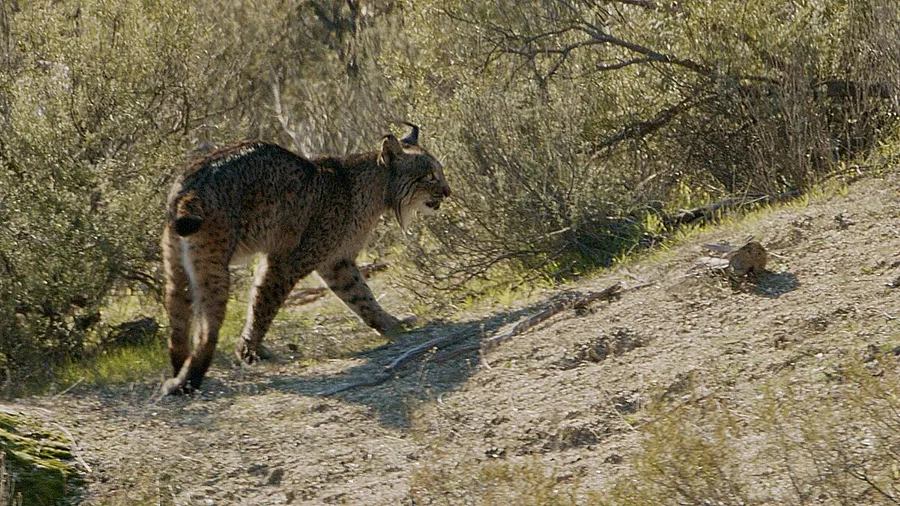
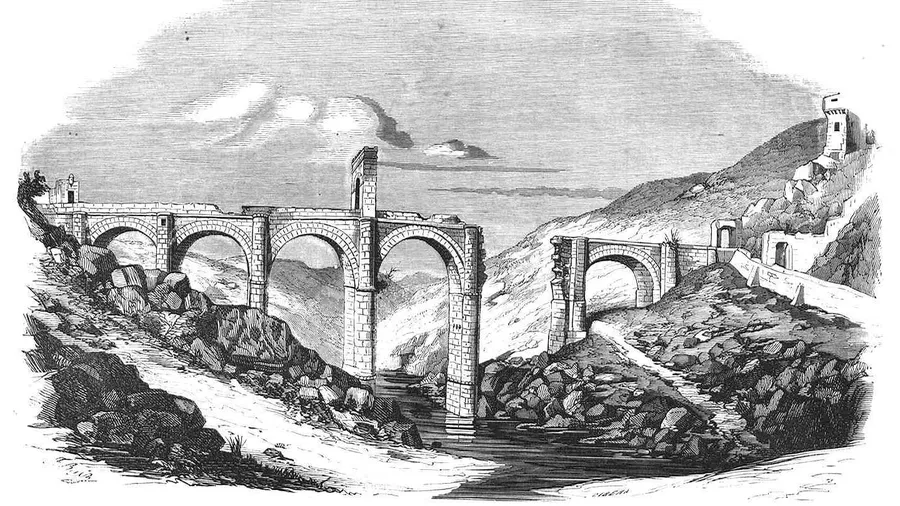
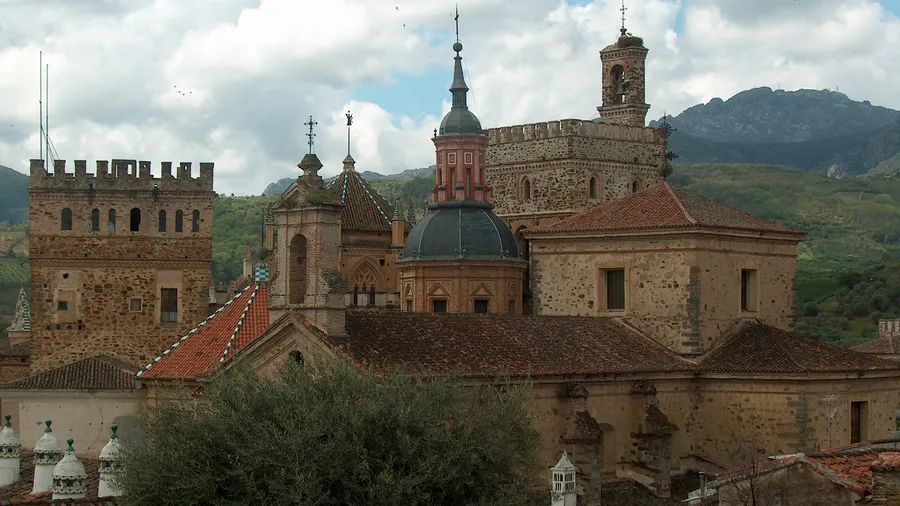
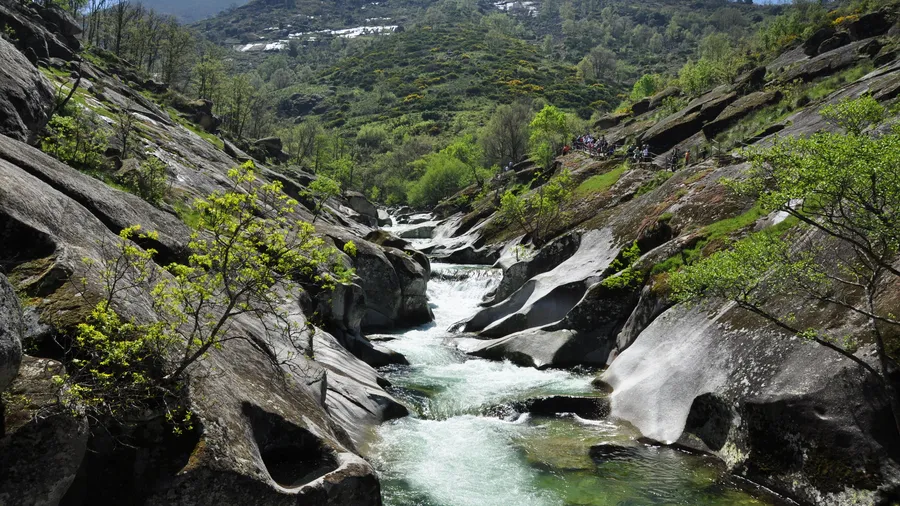
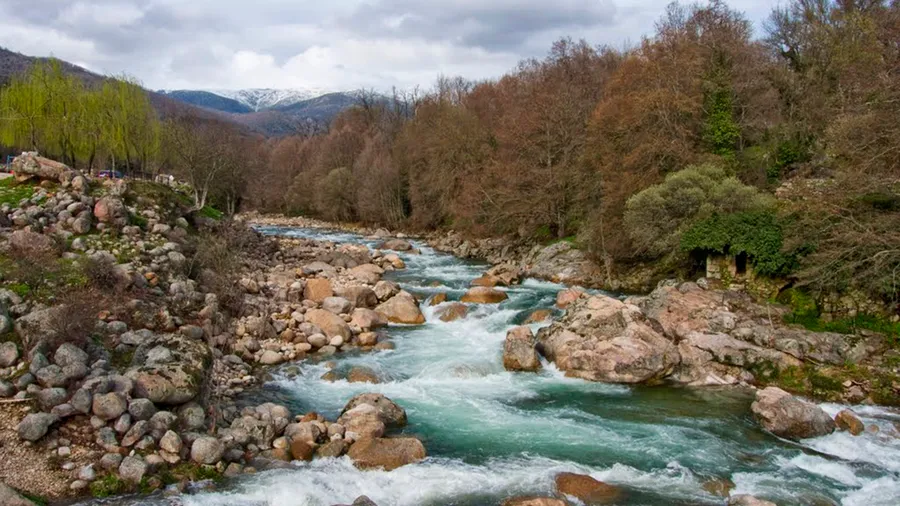
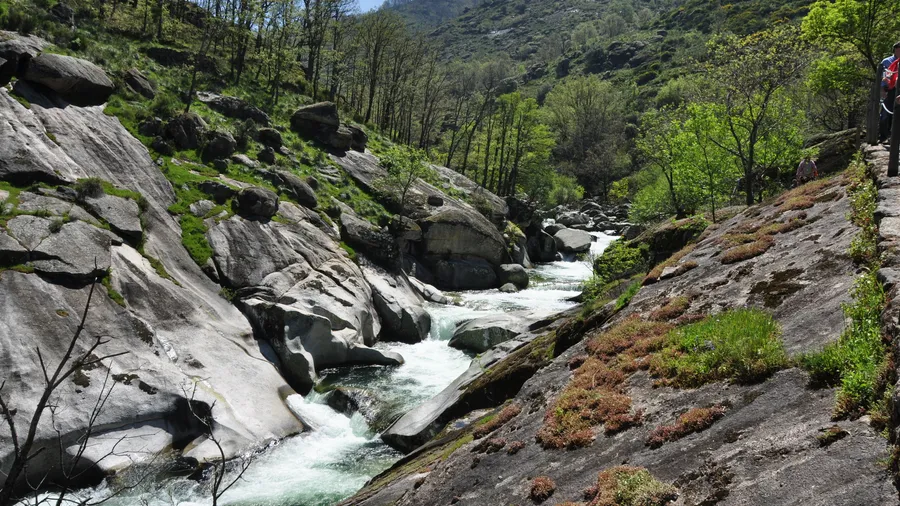
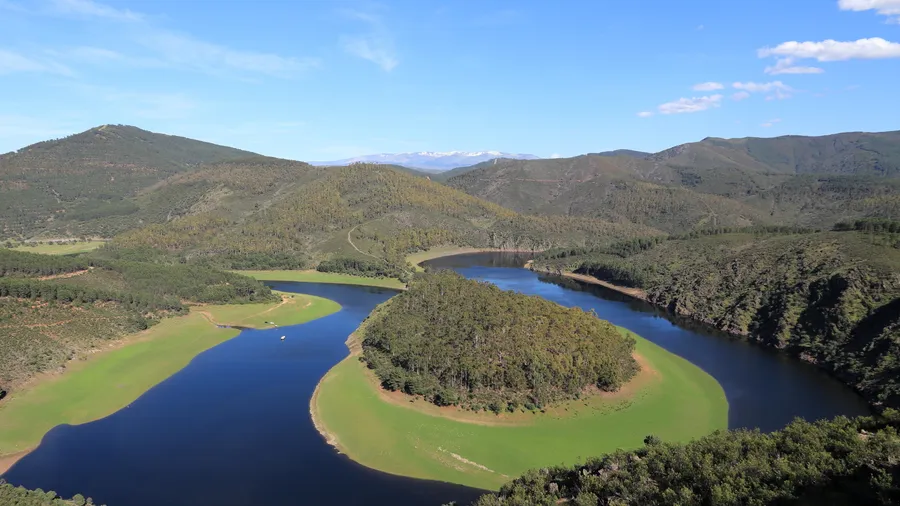
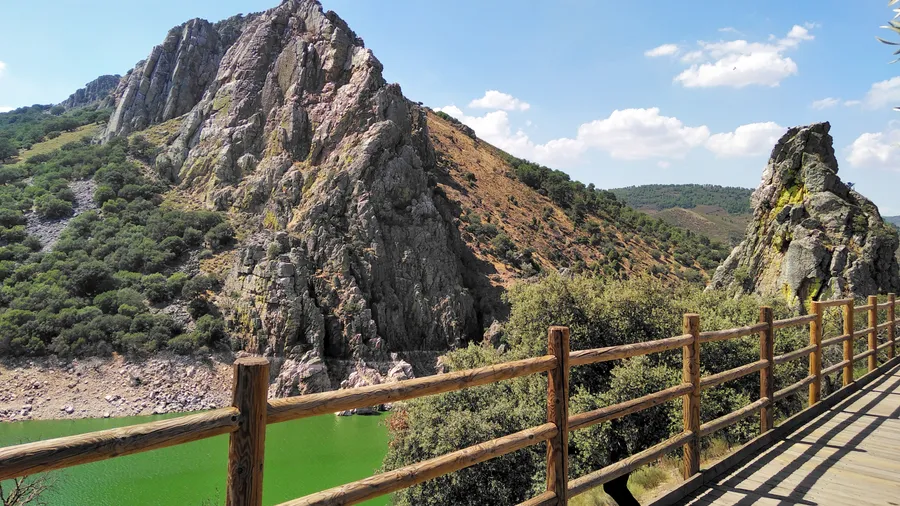
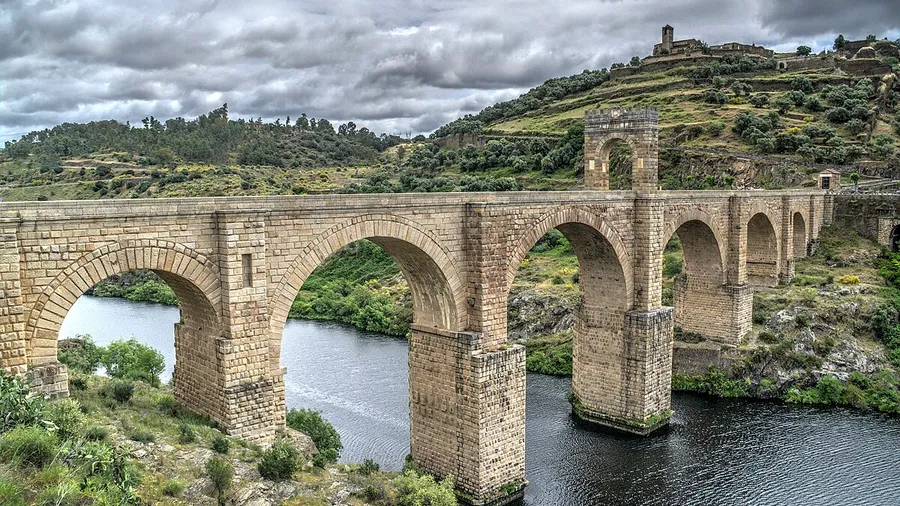
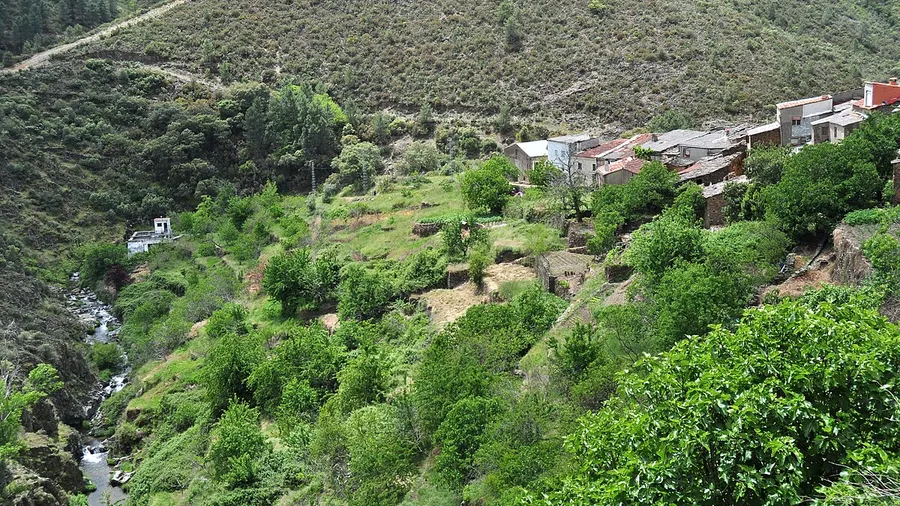
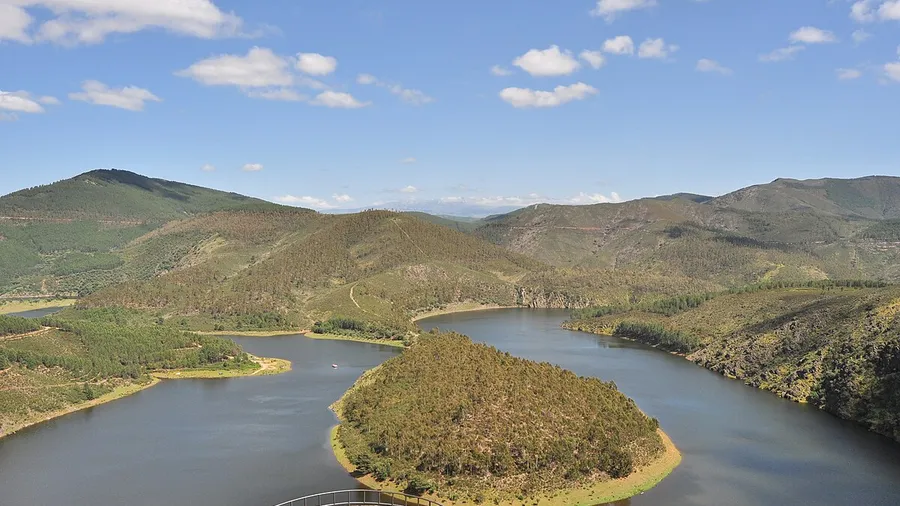
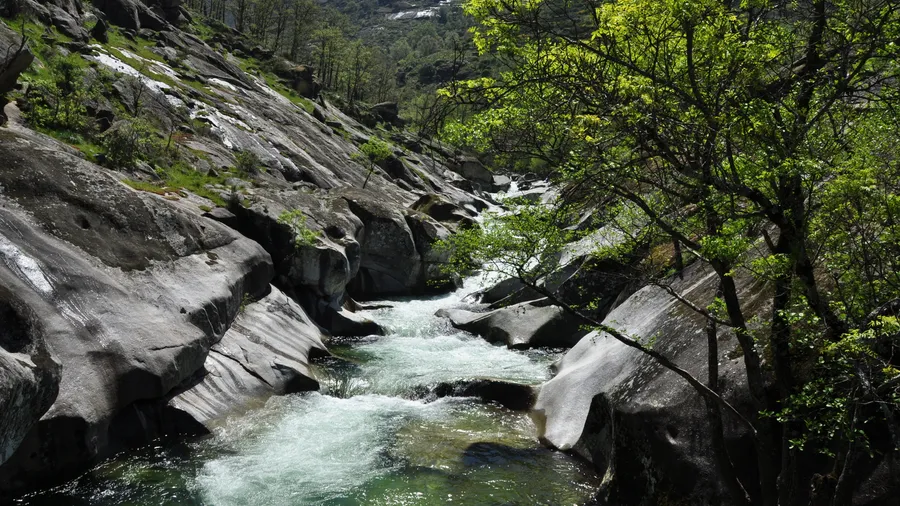
Cáceres is the Extremaduran province where black vultures nest in holm oaks and the Iberian lynx crossed the border into Portugal. Monfragüe, with 18,000 hectares of national park, holds Europe's largest breeding colony of black vultures on the Tajo river cliffs. From Monfragüe castle and the Peñafalcón viewpoint, Spanish imperial eagles glide past at 30 metres distance, turning every spring morning into wildlife photography without a hide. Tajo Internacional, on the border with Portugal, is the province's other major natural space. The Tajo river runs more than 500 metres below between black slate walls; kayak lets you descend calm-water stretches with views of griffon vultures nesting on the cliffs. The Alcántara area, with its intact two-thousand-year-old Roman bridge, is the departure point for several of these descents. To the north, the Villuercas Geopark reaches 1,601 metres at Rocamador, with mid-mountain routes through chestnut forest and slate villages. The Sierra de Gata in the far northwest concentrates the province's least-crowded hiking routes: the Robledillo de Gata trail climbs through ancient olive groves and cherry orchards to a view of the Sierra de Francia to the north. The Vía de la Plata crosses the province north to south over 230 kilometres suitable for cycle touring, connecting Plasencia with the Badajoz provincial border.

Highlights

  • • Monfragüe: Europe's largest black vulture colony in 18,000 ha national park
  • • Kayak on Tajo Internacional: 500 m slate cliff walls
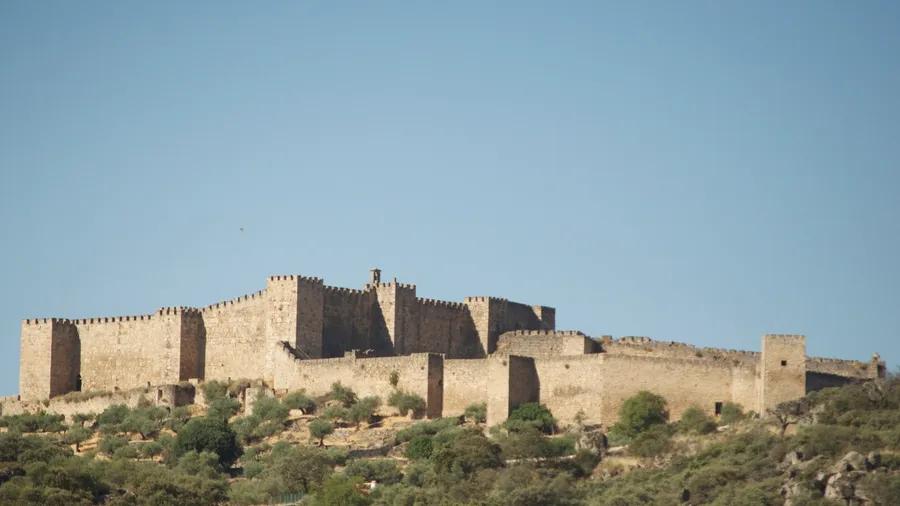
  • • Spanish imperial eagle watching from Monfragüe castle
  • • Villuercas Geopark: 1,601 m through chestnut forest and slate villages
  • • Vía de la Plata: 230 km cycle touring route crossing the province

Best time to visit

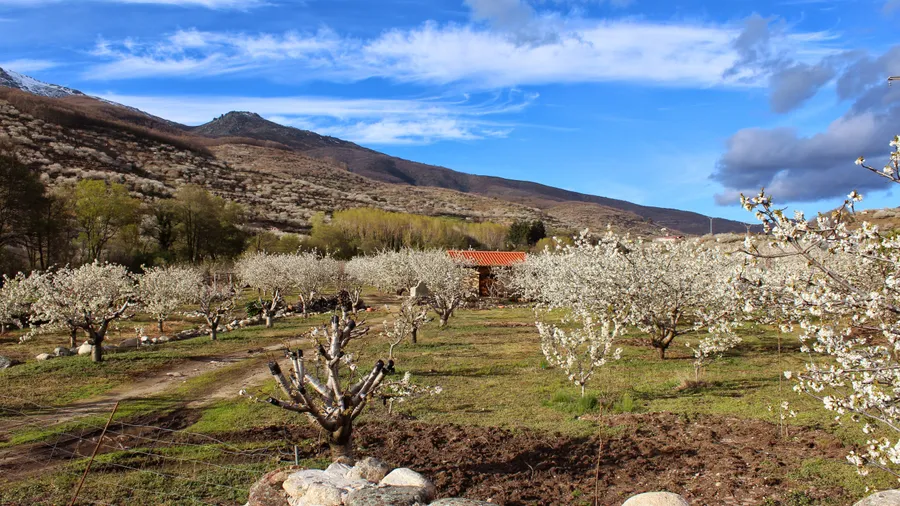
February to June for birdwatching at Monfragüe and Tajo Internacional: active nesting and peak wildlife activity. Spring also for Sierra de Gata hiking during cherry blossom season. Summer is very hot (38–42 °C); early morning kayak is the only tolerable outdoor activity.

Practical tips

At Monfragüe, park at the castle area early: during Easter and May the car park fills before 09:00. For kayaking at Alcántara, operators run from April to October; in winter the Alcántara reservoir may be in a maintenance period with sluice gates closed. For the Vía de la Plata, the Plasencia–Coria section (60 km) is well signposted and passes through villages with bars and drinking water.

Plans and activities en Cáceres

Las mejores experiencias y planes disponibles en Cáceres

60

What to see en Cáceres

Rincones, lugares y puntos de interés que no te puedes perder

Destinations & areas

Zonas y destinos turísticos en Cáceres

Frequently asked questions sobre Cáceres
February to June is the breeding season: adults are at the nests and food transportation can be observed with binoculars. Dawn and the early morning hours offer the best gliding displays. In August and September, juveniles practise flight and there is more activity at the colonies.
The standard sections near Alcántara are Class I–II, with no technical rapids, suitable for beginners. The canyon has currents that can be strong during the rainy season. Local operators adjust routes according to water flow and the group's level.
The national park trails are waymarked and can be walked independently. For specific birdwatching, a local ornithologist guide multiplies your sightings: they know where the active nests are and the flight schedules. Licensed guides operate from Torrejón el Rubio.
Public transport to the area is very limited. By car, the drive from Cáceres city to Guadalupe (the geopark centre) takes about 90 minutes. Most hiking routes start from geopark villages; the most practical approach is to stay in the area for at least one night.