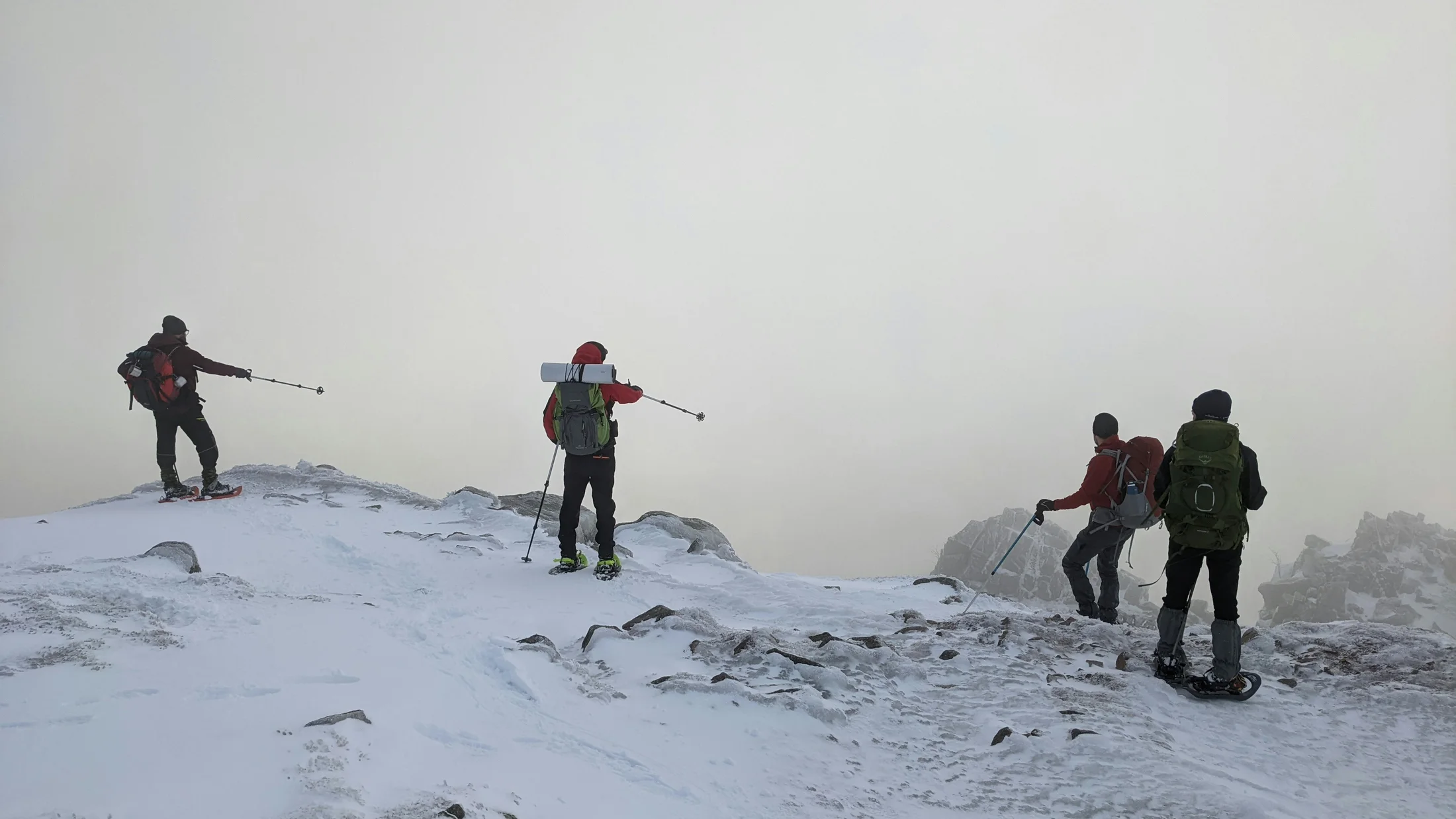
Why Snowshoeing in Spain Is the Perfect Winter Start
Step gently into winter and discover how snowshoeing Spain opens mountains to everyone. You’ll walk over snow with wide, lightweight frames that spread your weight, so you don’t sink. Think of it as winter hiking with floatation: there’s little technique to learn, and the reward is quiet, sparkling valleys and easy routes near friendly mountain towns. Frost dusts the pines like sugar as your steps crunch in a steady rhythm. In this guide you’ll find easy routes, planning advice, safety basics, and practical resources so you can start with confidence.
What snowshoes are and why they matter now
Snowshoes are platforms, usually aluminum or composite, that strap to your boots to increase surface area and prevent post-holing (sinking deep). Crampons (small metal teeth) underneath add grip on packed snow, while heel lifters help on short climbs by raising your heel to reduce calf strain. The basic movement is just walking; poles add balance. In Spain, traditional wooden models once served shepherds and foresters; today modern gear and marked winter circuits make raquetas accessible from the Pyrenees to Sierra Nevada. The popularity of snowshoeing in the Pyrenees surged in the last decade because it’s affordable, low-impact, and beginner-friendly. Cold air smells crisp as a page turned in a new book. Expect rental shops in most ski valleys and guided outings during weekends and holidays.
Practical value: You’ll learn how to choose easy routes, read a basic forecast, and plan travel to the main snow areas.
What you’ll take from this guide
You’ll learn to pick easy snowshoe routes Spain that match time and fitness, plan short outings with children, and choose gear that works. We’ll cover clothing, emergency essentials, when a guide makes sense, and how to book simple accommodation near trailheads. The section on raquetas de nieve para principiantes sets safe limits so you avoid avalanche terrain and icy slopes. A thermos warms your hands like a pocket hearth at the first pause. Keep notes as you read; each suggested route includes distance, elevation, timing, access, and family tips.
Practical value: Use this guide to shortlist two routes, price rentals, and align your plan with weather and daylight.
Picuco te puede ayudar
Does something here catch your eye?
Tell us.
Write to us on WhatsApp or email: we answer questions, find the best options and help you sort out the booking.
Who Snowshoeing Suits—and When It Doesn’t
Start here if you want a winter mountain day without learning to ski or buying a pricey pass. Snowshoeing for beginners works because the technique is intuitive—walk with a slightly wider stance, lift feet a touch higher, and use poles for rhythm. Most easy circuits are 3–7 km with less than 250 m ascent, taking 1.5–3 hours at a relaxed pace. The snow muffles sound until your breath and the tick of poles become a metronome. Compared with alpine skiing, costs are lower: rentals commonly range 10–18 € for snowshoes, 5–8 € for poles, and optional guided outings 25–50 € p.p. (confirm current prices locally).
This activity is ideal for:
- Families who want short, safe loops near services and parking.
- Hikers who enjoy summer trails and want a gentle winter alternative.
- Couples seeking quiet landscapes and simple plans at their own pace.
- Groups with mixed fitness, choosing circuits where turn-around is easy.
Why it’s beginner-friendly:
- Gentle terrain options: wide valley bottoms, forest tracks, and resort-adjacent circuits.
- Predictable pace: average 2–3 km/h on packed snow; plan rest stops every 30–45 minutes.
- Safety margin: you can stay away from avalanche-prone slopes by choosing low-angle (<25°) terrain.
Yet snow is still a serious medium. Cold needles the fingertips if wind rises along an open ridge. Avoid snowshoeing if you have unstable cardiac or respiratory conditions, recent lower-limb injuries, or if temperatures, wind, or visibility exceed your comfort. Choose routes with bail-out options and time buffers for children or first-timers. Remember that short winter days compress your schedule: in January, Pyrenees daylight is roughly 9.5–10 hours (check sunrise/sunset for your dates).
Practical value:
- Choose low-angle valley routes with established winter tracks.
- Keep outings under 3 hours for a first try, especially with kids.
- Confirm rentals and parking before travel; arrive early on weekends to secure spaces.
When to Go and What to Check Before Stepping Onto Snow
Begin with timing: in Spain, reliable snow cover varies by range and altitude. Read forecasts the same way you read a map—slowly and for trend, not only the headline. A blanket of cloud turns the valley floor a quiet gray bowl. Use official bulletins for weather and avalanche to set conservative objectives.
Best season and weather windows
The best months for snowshoeing in the Pyrenees typically run from mid-December to late March, with high valleys holding snow into April. In Sierra Nevada snowshoeing is most reliable from late December to March above 2,000 m, with early and late-season patches depending on aspect. Along the Cantabrian Mountains and Picos de Europa, windows open after Atlantic storms from December to March, but thaw cycles are more frequent at lower altitudes.
How to read the forecast without alarmism:
- Look for “recent snowfall” and “temperature” trends over 3 days, not just one.
- Light winds (<30 km/h) and stable or falling freezing levels are friendly signals.
- Check morning minimums; -5 to -12 ºC is common at 1,800–2,200 m after clear nights.
- Foehn events or rain-on-snow can rapidly degrade conditions.
Trusted sources:
- AEMET weather and avalanche bulletins for Spanish ranges (aemet.es).
- ICGC avalanche bulletins for the Catalan Pyrenees (icgc.cat).
- MeteoNavarra avalanche info for Navarre (meteo.navarra.es).
Practical value: Align your route to the lowest wind and best visibility window of the day; morning cold often brings firmer snow for easy progress.
Permits, rules, and how to tread lightly
Most snowshoe outings in National and Natural Parks require no special permit if you stay on open, designated trails and respect seasonal closures. In Ordesa y Monte Perdido National Park, winter vehicle access to the Pradera may be restricted by road conditions—check Torla-Ordesa information before departure. In Aigüestortes i Estany de Sant Maurici National Park, winter access is managed via designated 4x4 taxis from Espot or Boí when roads are closed to private cars; rules protect fragile subalpine wetlands. Fresh snow carries animal tracks like handwritten notes left overnight.
Basic rules to follow:
- Use waymarked trails where indicated; do not enter ski pistes or grooming machines’ corridors.
- Respect wildlife zones and winter quiet areas; keep group noise low.
- Pack out all waste; avoid stepping on young conifers near treeline.
- Obey seasonal restrictions for safety and conservation (e.g., icefall areas, avalanche corridors).
Where to confirm restrictions:
- Park information centers (Ordesa, Aigüestortes, Sierra Nevada).
- Regional environment portals for closures, parking rules, and taxi services.
Practical value: Call or check park notices the day before; closures can change after storms or thaws.
Basic risks and the insurance that makes sense
Common winter hazards include hypothermia, disorientation in whiteout, slips on ice, and avalanches on steep slopes. Hypothermia means your core temperature drops; early signs are shivering and clumsiness—add layers and hot drinks before it worsens. The wind moves snow off ridges like smoke lifting from a chimney. Avoid avalanche terrain by sticking to low-angle routes, valley floors, and forest tracks; if a slope looks steep enough to sled fast, it’s too steep for beginners in unstable conditions.
Risk reduction:
- Carry a map/GPX, headlamp, spare gloves, and a small first-aid kit.
- If you plan to enter or approach avalanche-prone areas, you need transceiver, shovel, and probe—and the training to use them; beginners should not go there.
- Choose guided outings in unfamiliar areas, after heavy snowfall, or if visibility is uncertain.
Insurance options:
- Mountaineering federation licenses (FEDME or regional) often include rescue coverage; verify scope.
- Travel insurance that covers winter sports and off-piste walking; read exclusions.
Practical value: If the avalanche bulletin indicates moderate or higher risk on your aspect/elevation, select a forested or resort-adjacent loop and keep slopes under 25°.
Getting There: Roads, Trains, Lifts, and Local Transfers
Reaching snowshoe trails in Spain is straightforward if you plan around winter constraints. Main access hubs are Barcelona and Girona for the eastern Pyrenees, Zaragoza and Huesca for central Pyrenees, Pamplona and Santander for the Cantabrian ranges, Madrid and Segovia for Guadarrama, and Granada for Sierra Nevada. Car doors thud shut in cold morning air as breath curls like smoke. Combine public transport with resort lifts or local taxis to simplify logistics without chains or parking stress.
By car:
- Fit winter tires or carry approved snow chains; practice chain mounting at home.
- Check DGT road advisories (infocar.dgt.es) on the travel day, especially mountain passes.
- Arrive early on weekends; trailhead parking near Cotos (Guadarrama), Ordesa, or resort valleys fills by 9:00–10:00.
By train and bus:
- Barcelona to Ribes de Freser (for Vall de Núria) via Rodalies R3, approx. 2 h 30–3 h; connect with the rack railway (Cremallera de Núria) to reach the valley without driving.
- Zaragoza/Huesca to Benasque valley: regional buses link Huesca–Benasque; from Benasque, local taxis reach Llanos del Hospital.
- Madrid to Puerto de Cotos (Guadarrama): Cercanías to Cercedilla, then C-9 mountain train or weekend buses; confirm winter schedules, which may vary.
- Granada to Pradollano (Sierra Nevada): regular ski buses in season, typically 45–60 min; check first-lift and last-bus times.
Cable cars and lifts:
- Fuente Dé cable car (Picos de Europa) provides rapid access to short, protected walks from the upper station—check wind closures common on stormy days.
- Sierra Nevada gondolas from Pradollano to Borreguiles shorten access to gentle snowfields; stay off ski pistes and follow designated pedestrian areas.
Local transfers:
- In Aigüestortes (Espot/Boí), licensed 4x4 taxis operate when park roads are closed; they drop at winter trailheads like Prat de Pierró or near Sant Maurici’s lower approaches.
- Mountain towns often have taxi co-ops; book return pickups to avoid long roadside waits in the cold.
Practical value: If you’re travelling without a car, target Núria, Cotos, Pradollano, or Fuente Dé—each has public transport or lift access that reduces walking time to snow.
Where to Sleep and the Services That Make Days Easy
Base yourself close to trailheads to reduce cold starts and parking stress. Your boots dry by the stove while the night presses clear and starry outside. Choose between staffed mountain refuges, rural hotels, and family-friendly casas rurales; book early for weekends in January–March, especially near resorts.
Choosing between refuges, rural hotels, and casas rurales
Refuges offer the shortest access to snow, half-board meals, and social dining; they’re great for small groups but involve shared rooms and set dinner times. Rural hotels in valley towns balance comfort and price with private rooms, breakfast, and often on-site drying rooms—ideal for couples. Casas rurales suit families and groups who want kitchens and flexible meal times, plus space for gear; ask about heating type and boot-drying facilities. The smell of woodsmoke drifts from chimneys at dusk. For raquetas de nieve en familia, verify nearby easy circuits, kid-friendly meal schedules, and whether snow play areas are within a 10–15 minute walk.
Practical value:
- For weekends, reserve 2–3 weeks ahead near Cotos, Pradollano, Benasque, or Espot.
- Ask hosts about parking rules after snowfall and nearest rental shops.
Renting gear and using local services
You can rent snowshoes and poles in most resort valleys and larger towns: expect 10–18 € per day for snowshoes and 5–8 € for poles, with package discounts; leave an ID or deposit per shop policy. Fit matters—bindings should center your boot and not loosen after 10 minutes of walking; check crampon sharpness on a patch of firm snow. Freshly waxed rentals smell faintly of plastic and cold metal. Certified guides and ski schools often run “intro to snowshoeing” half-days; they set safe routes and pace, a good choice after recent storms.
Practical value:
- Compare reviews and prices; ask about early pick-up (the afternoon before) and return policies.
- If you plan a guided day, confirm group size (ideally ≤8 per guide) and whether hot drinks or shelters are planned.
Food, warm drinks, and the daily rhythm
Eat a warm breakfast and plan two snacks and a simple lunch; cold saps energy faster than you expect. Pack 1–1.5 liters of water per person and an insulated flask with tea or soup; add high-calorie snacks like nuts and chocolate. Coffee steam fogs your glasses before the door swings open to the cold. In resort valleys, cafés near trailheads simplify post-route meals; in National Parks, services may be down-valley—check winter hours and stock up at supermarkets the evening before.
Practical value:
- Keep snacks in outer pockets to avoid removing your pack often.
- Stash a small sit pad; it insulates you from snow during breaks and keeps kids cheerful.
Eight Easy Snowshoe Routes to Start Right
Pick one of these eight outings for your first day; each prioritizes gentle terrain, easy access, and nearby services. The snow’s surface sparkles like ground glass when the sun breaks through.
1.Vall de Núria (ripollès, Eastern Pyrenees): gentle circuit by the sanctuary
Vall de Núria is purpose-made for a first try: car-free access by rack railway and broad valley floors mean stress-free planning. You walk in a high bowl at around 1,960 m with the sanctuary as a fixed landmark. Bells carry softly across the frozen lake on still mornings.
- Location: Queralbs/Ribes de Freser, Girona; altitude ~1,960 m.
- Distance and ascent: 3–5 km loop; 80–150 m ascent.
- Time: 1.5–2.5 hours.
- Difficulty: Easy.
- Access: Rodalies R3 to Ribes de Freser, then Cremallera de Núria to Vall de Núria; no private cars.
- Services: Rentals, cafés, toilets, accommodation by the sanctuary.
- Why it’s great: Waymarked winter circuits avoid avalanche terrain and keep navigation simple; perfect for snowshoeing Pyrenees on a day trip.
- Tips: Go early on weekends; after recent snowfall, stick to packed tracks around the lake and valley floor.
Practical value: Ideal first day if you’re travelling by train from Barcelona; buy return tickets to match the afternoon train down.
2.Llanos del Hospital (benasque Valley, Pyrenees): broad flats and compacted tracks
Just beyond Benasque, the high valley of Llanos del Hospital offers groomed Nordic areas and gentle snowshoe circuits that run under pine and open flats. Views to the Maladeta massif frame the day like a painted backdrop. Sunlight warms the wide plain even on cold days.
- Location: Upper Benasque Valley, Huesca; altitude ~1,750–1,900 m.
- Distance and ascent: 4–6 km; 100 m ascent or less.
- Time: 1.5–2.5 hours.
- Difficulty: Easy.
- Access: Drive or taxi from Benasque to the Hospital area (winter road cleared; parking fills on weekends).
- Services: Rentals in Benasque; café/restaurants in the valley; winter rescue coverage via 112 Aragón.
- Why it’s great: Flat, obvious terrain and resort-adjacent security make this classic raquetas de nieve para principiantes spot.
- Tips: Stay off groomed ski tracks; follow signed snowshoe routes parallel to them.
Practical value: Combine a short loop and lunch in Benasque; if winds rise, turn back easily along the same broad flats.
3.Panticosa – Balneario and Ibón de Baños (tena Valley, Pyrenees): a panoramic winter stroll
At the Balneario de Panticosa (1,630 m), a short snowshoe circuit loops around the frozen Ibón de Baños and adjacent meadows, tucked among 3,000 m peaks. The hotel complex anchors navigation and services, keeping the day simple. The frozen lake glints like slate under pale sun.
- Location: Balneario de Panticosa, Huesca; altitude ~1,630 m.
- Distance and ascent: 2.5–4 km; 80–120 m ascent.
- Time: 1.5–2 hours.
- Difficulty: Easy.
- Access: Road to Balneario usually cleared; check after heavy snowfall; parking at the complex.
- Services: Cafés/restaurants at the balneario; rentals in Panticosa/Sallent de Gállego; telecabina in Panticosa town (ski area) if you want a separate activity.
- Why it’s great: Short, sheltered loop with clear backstops, ideal for families and first-timers.
- Tips: Avoid the lake ice; circuit paths stay safely on shore and meadows.
Practical value: If you’re unsure about the weather higher up the valley, this sheltered basin often offers friendlier conditions.
4.Laguna Grande de Peñalara (sierra de Guadarrama): a Madrid classic to start
From Puerto de Cotos (1,830 m), a signed winter route leads through pines to the Circo and Laguna Grande de Peñalara. It’s a beloved introduction to snowshoeing near Madrid, with steady gradients and a clear path. Frosted boughs shed crystals with a soft hiss when sunlight reaches them.
- Location: Puerto de Cotos, Madrid/Segovia; altitude ~1,830–2,020 m.
- Distance and ascent: 6–7.5 km round trip; 250–350 m ascent.
- Time: 3–4 hours.
- Difficulty: Easy-moderate (due to length/ice potential).
- Access: Road to Cotos, or Cercanías to Cercedilla + C-9 train (check winter schedules); weekend buses may run.
- Services: Cafés at Cotos; rentals in Cercedilla/La Granja; Park information center nearby.
- Why it’s great: Well-known path, good waymarking, and a rewarding destination with minimal route-finding.
- Tips: Icy sections are common—if you encounter hard ice, switch to micro-crampons or turn back; avoid steep shortcuts near the cirque walls.
Practical value: Start early to secure parking and firmer morning snow, and always check wind on exposed sections.
5.Pradollano – gentle circuit above the resort (sierra Nevada): family-friendly snowfields
Sierra Nevada snowshoeing can be as simple as a short loop above Pradollano using pedestrian access areas. The broad meadows near Borreguiles (reached by gondola) or the gentle slopes near Hoya de la Mora offer easy, scenic circuits. The sun is bright and sharp at altitude, the air thin and clear.
- Location: Monachil (Granada); altitude ~2,100–2,700 m.
- Distance and ascent: 3–5 km; 100–180 m ascent.
- Time: 1.5–2.5 hours.
- Difficulty: Easy.
- Access: Bus or car to Pradollano; use gondolas to Borreguiles or drive/bus to Hoya de la Mora when open.
- Services: Extensive resort services, rentals, ski patrol; check lift hours.
- Why it’s great: Quick access to gentle terrain, obvious landmarks, and abundant services suit families and first days.
- Tips: Stay outside ski pistes and on designated pedestrian/snowshoe zones; altitude sun can be intense—bring sunglasses and sunscreen.
Practical value: If winds close upper lifts, pivot to Hoya de la Mora for a short, lower-elevation loop.
6.Ordesa National Park (lower valley, Broto/ordesa): accessible lower stretches
When snowfall reaches the lower Ordesa Valley, short snowshoe outings along the Arazas valley floor become magical and manageable. Choose segments from the Pradera towards the Arripas area or Bosque de las Hayas, keeping gradients minimal. The river murmurs under rims of ice like a quiet drum.
- Location: Torla-Ordesa, Huesca; altitude ~1,300–1,400 m.
- Distance and ascent: 4–6 km out-and-back; 120–180 m ascent.
- Time: 2–3 hours.
- Difficulty: Easy.
- Access: Winter vehicle access to the Pradera depends on road conditions; check park updates; otherwise, start lower and shorten the plan.
- Services: Services mainly in Torla; winter facilities inside the valley are limited.
- Why it’s great: Valley-bottom terrain avoids avalanche slopes; tall cliffs provide a dramatic winter backdrop without committing exposure.
- Tips: After big storms, the road may close; pick a flexible window and always respect closures.
Practical value: Choose this on calm, cold days when the valley has fresh snow but high slopes carry higher avalanche risk.
7.Picos de Europa – Fuente Dé/áliva (cantabria): short walks from the cable car
The Fuente Dé cable car whisks you to 1,823 m in minutes, opening compact, cautious snowshoe strolls near the upper station and towards the gentle start of the track to Áliva. Storm days may close the lift; clear days bring ocean-to-peak vistas. The limestone rim gleams pale against a cobalt sky.
- Location: Fuente Dé, Camaleño (Cantabria); altitude 1,090 m base / 1,823 m upper.
- Distance and ascent: 2–4 km; 80–150 m ascent.
- Time: 1–2 hours.
- Difficulty: Easy (stay close to station area).
- Access: Road to Fuente Dé; check cable car status and wind closures.
- Services: Cafés at base; limited services at top; rentals in Potes/corridor towns.
- Why it’s great: Quick access to snow and a short, well-defined area for first steps; excellent for family snowshoeing Spain when conditions align.
- Tips: Do not stray onto steep lee slopes; in flat light, keep to waymarks and near-station loops.
Practical value: Time your ride up early, complete a short loop, and descend before afternoon winds increase.
8.Aigüestortes / Espot (lleida): flat circuits to lakes and forest clearings
From Espot, winter access is managed by licensed 4x4 taxis when the park road is closed; they deliver you to trailheads that lead across gentle forest tracks and towards approachable lake viewpoints. Snow carries the dry scent of pine needles with each step. The valleys cradle quiet, bright with reflected light.
- Location: Espot, Pallars Sobirà (Lleida); altitude ~1,600–1,900 m.
- Distance and ascent: 4–6 km; 120–180 m ascent.
- Time: 2–3 hours.
- Difficulty: Easy.
- Access: Drive or bus to Espot; use park taxis to Prat de Pierró or designated winter drop-offs.
- Services: Rentals and cafés in Espot; park information center provides updates.
- Why it’s great: Waymarked winter tracks, taxi access, and sheltered forests make it a reliable beginner option in the Catalan Pyrenees.
- Tips: Confirm taxi schedules and drop points; stay on signed winter routes to protect sensitive wetlands.
Practical value: Combine an easy loop with an afternoon stroll in Espot; book taxis the evening before on busy weekends.
What Else to Do and Notice: Landscapes, Wildlife, and Heritage
Winter slows everything down just enough to notice what summer speed blurs. In Vall de Núria, look for chamois (rebeco) on sunny slopes and watch Alpine choughs tumble above the sanctuary; in Benasque, the Maladeta glaciers—now small but luminous—tell a story of climate and time. Pine resin smells faintly sweet where sun warms south-facing trunks. Around Panticosa’s Balneario, architecture and thermal springs speak of 19th-century spa culture; plan a short soak after your circuit for warm muscles and a mellow drive down-valley.
In Guadarrama, the high cirques of Peñalara frame bogs and glacial features protected for their biodiversity; from the winter boardwalks near the Laguna area (when visible), you can quietly practice photography without trampling fragile ground. In Ordesa, the Arazas river carries blue-green water that threads waterfalls and iced steps; winter days here reward early light for long shadows among beech and fir. The hush after snowfall makes each footstep feel like a small secret shared with the forest.
Picos de Europa adds geology to the mix: limestone karst, caves, and towering walls form a classroom in stone; look for snow finches and, if you’re lucky, a bearded vulture passing far overhead. A flask of tea warms hands as wind hums softly over the rimrock. In Aigüestortes, countless lakes (estanys) scatter light like mirrors; choose a calm day to see perfect reflections framed by black pines.
Practical ideas to enrich your day:
- Photography: carry a spare battery (cold drains power) and use midday light for high-contrast snow textures.
- Wildlife watching: move slowly, give space, and use binoculars rather than approaching.
- Culture: visit Romanesque churches in the Catalan valleys, small ethnographic museums in Benasque and Sobrarbe, or historic villages like Torla and Espot.
- Wellness: thermal baths near Panticosa and Benasque offer family-friendly time slots; confirm winter hours.
Practical Tips for Snowshoeing Spain with Safety and with Kids
Dress for stillness and movement: a wicking base layer, insulating mid-layer (fleece or light down), and waterproof shell. Waterproof boots (mid- to high-cut), warm socks, and gaiters keep meltwater out; adjust layers as you warm up to avoid sweating. The first breath outside nips at your throat before your pace steadies. Poles improve balance; baskets sized for snow keep them from sinking. Micro-crampons are useful on icy approaches or car parks; snowshoes handle soft to moderately packed snow.
What to pack:
- Navigation: printed map and compass plus a GPX on your phone; a small power bank.
- Safety: headlamp, whistle, basic first aid, space blanket, and repair tape.
- Warmth: spare gloves, hat, neck gaiter, and a small sit pad.
- Food and water: 1–1.5 liters/person, hot drink, salty snacks, and a simple lunch.
- Extras: sunglasses (Category 3–4), sunscreen, lip balm.
Route planning:
- Choose low-angle routes with clear handrails (rivers, tree belts, buildings).
- Check weather and avalanche bulletins the night before and on the morning.
- Set a turnaround time that leaves at least 1 hour of daylight to spare.
- Share your plan with someone not in the group.
With children and family snowshoeing Spain:
- Keep distances short (2–4 km) and elevation modest (<150 m).
- Stop often for warm drinks and snacks; bring a small sled only in safe, designated areas.
- Make it fun: track animal prints, play “snow alphabet,” and let kids lead on safe flats.
- Dress children one layer warmer than adults; pack spare mittens.
Safety baseline:
- Beginners should not enter avalanche terrain; stick to valley floors, forests, and resort-adjacent circuits.
- If you plan to travel near or across steeper slopes, you need avalanche education and full kit (transceiver, shovel, probe) and the judgment to turn around.
- Consider a guided half-day if you’re unsure about conditions; local guides choose safe, scenic loops and pace.
Practical value: Print a one-page checklist (gear, route, weather, transport) and tape it inside your car door to run through before you lock up at the trailhead.
Frequently Asked Questions
Do I need to be very fit to start snowshoeing?
No. If you can comfortably walk 6–8 km on flat ground, you can handle an easy 3–5 km snowshoe loop with rests. Snow adds effort; plan a slower pace and extra breaks.
Should I hire a guide for my first outing?
It’s optional but valuable after storms, in unfamiliar terrain, or with kids. Guides set safe routes, teaching pacing and simple techniques. In busy valleys, join small groups (≤8 people) for better attention.
How much does it cost to rent snowshoes in Spain?
Typical rentals are 10–18 € for snowshoes and 5–8 € for poles per day, with package rates and discounts in some shops; confirm current prices and deposit policies locally.
Can I go snowshoeing with children?
Yes, choose short, flat circuits near services, pack warm layers and hot drinks, and build in play time. Keep the first outing under 2 hours of moving time and turn back early if kids tire.
How do I pick my first route?
Aim for valley floors, forest tracks, or resort-adjacent loops of 3–5 km and less than 150–200 m ascent. Check forecasts and avalanche bulletins, and avoid steep slopes or unfamiliar high routes.
What if conditions are icy?
If you hit large icy patches, switch to micro-crampons or choose a sunnier, lower route. Do not force it; ice increases fall risk significantly.
Book your experience — discover outdoor activities in Spain with Picuco-verified providers.
Conclusion
Snowshoeing for beginners works because it keeps the best parts of hiking—simple movement, calm landscapes, and control over pace—while opening winter terrain without costly lessons or lift passes. Across snowshoeing Spain, from Núria’s car-free valley to Pradollano’s sunny meadows, you’ll find easy loops, reliable rentals, and communities that welcome winter visitors. Pine-scented air and the crunch of snow underfoot become the day’s quiet soundtrack.
Your next steps are simple: pick two of the eight routes that fit your travel base, pencil in the best weather window, and reserve rentals or a short guided outing if you prefer a soft start. For conditions, use AEMET forecasts and avalanche bulletins, ICGC for the Catalan Pyrenees, and park information centers for access updates in Ordesa, Aigüestortes, and Sierra Nevada. If you want more curated ideas across regions and seasons, explore Picuco’s activities pages to match nature escapes with trusted local providers.
Practical value: Keep your first outing short, arrive early, and pack a thermos—your best winter day often comes from a simple plan done well.