The essentials of Urola Kosta Region

  • • UNESCO Global Geopark of the Basque Coast: flysch with 60 million years of geological record
  • • Zarautz: 2,500 m beach, Basque coast surfing epicentre with international competitions
  • • Getaria txakoli (DO Getariako Txakolina): coastal vineyards overlooking the Cantabrian Sea
  • • Getaria fishing port with open-air sea-bream and hake grills operating year-round
  • • Zarautz–Getaria coastal path (4 km) between Monte San Antón and seaside vineyards

Description

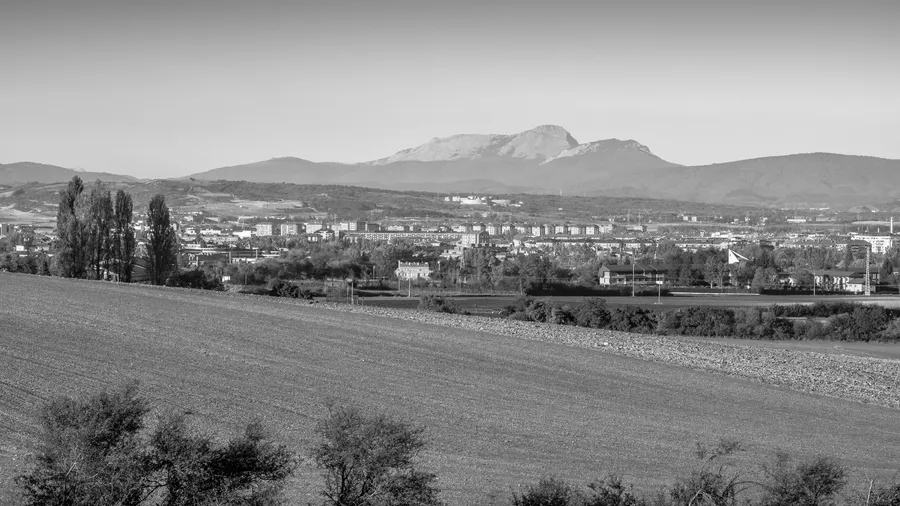
The Urola Kosta district occupies the central stretch of the Gipuzkoa coast, between Donostia-San Sebastián and Deba, grouping five municipalities — Aia, Getaria, Orio, Zarautz and Zumaia — with a combined population of around 74,000. It is a coastal strip where flysch cliffs alternate with sandy beaches, working fishing ports and an inland landscape of green hills crossed by the Urola and Oria rivers. Proximity between sea, mountain and village is the constant here: from any point, the Cantabrian Sea is less than 15 minutes away.

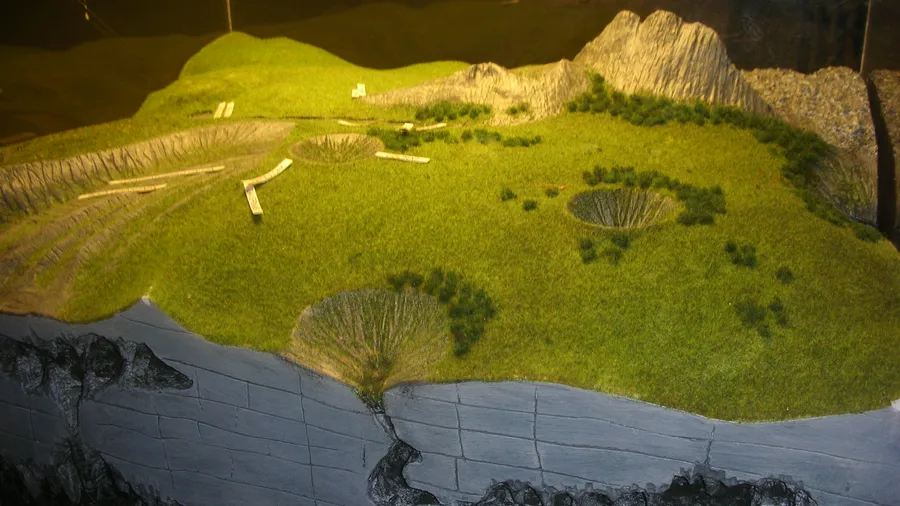
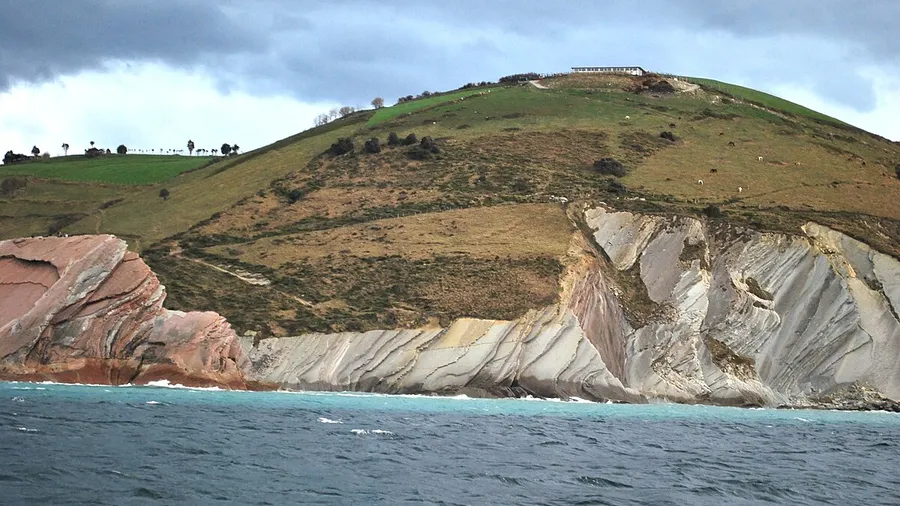
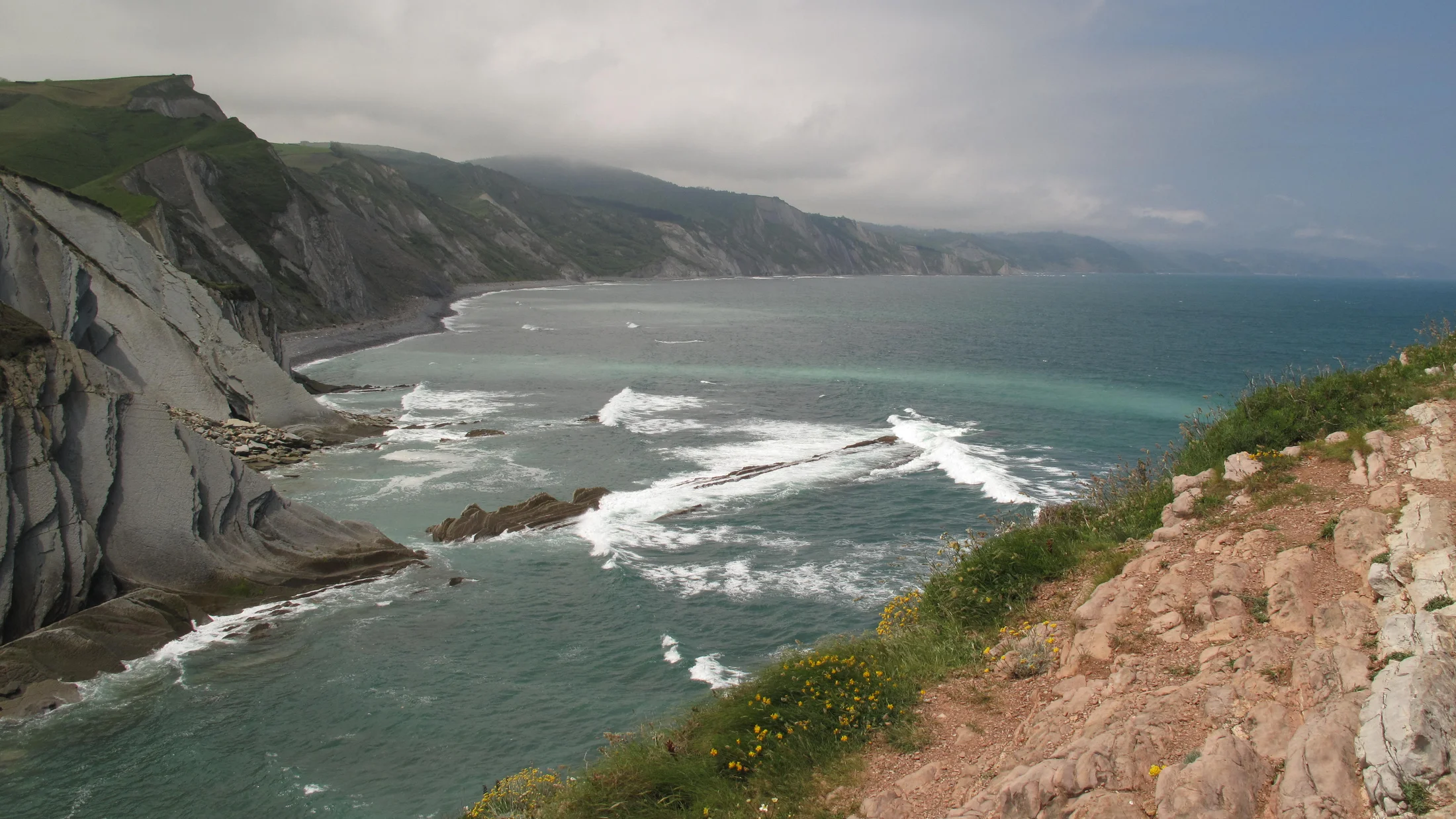
The most distinctive geological feature of Urola Kosta is the flysch coastline between Zumaia and Deba, declared a UNESCO Global Geopark of the Basque Coast in 2010. The tilted sedimentary rock layers, exposed by marine erosion, record a continuous geological history spanning roughly 60 million years, including the K/Pg boundary marking the mass extinction event 66 million years ago. Zumaia's intertidal platform, accessible on foot from the San Telmo hermitage, is one of Europe's most extensive marine abrasion platforms. The Algorri interpretation centre, beside Itzurun beach, offers guided visits to the strata and scientific context on the geological events recorded in the rock.

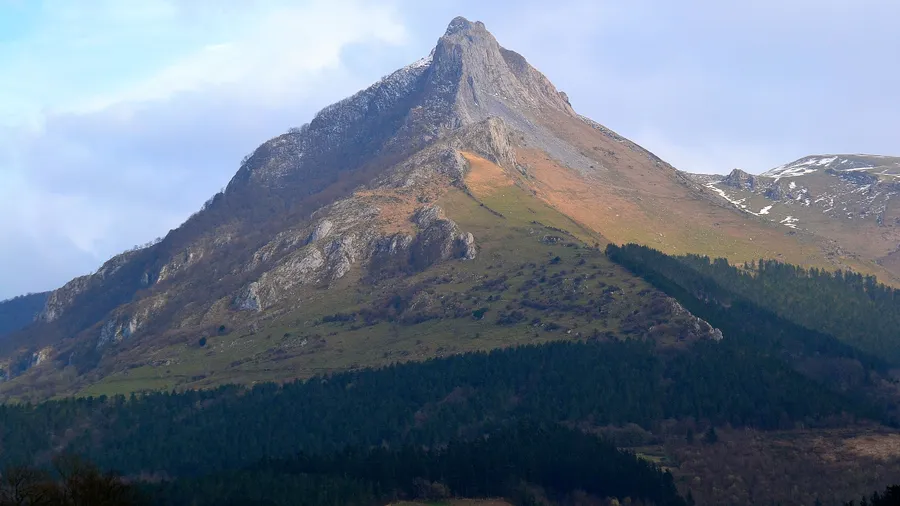
Zarautz has Gipuzkoa's longest beach — about 2,500 metres of sand that serves as the surfing epicentre of the Basque coast. International surf competitions are held here in autumn, when the north-westerly swell builds consistency. The seafront promenade connects Zarautz to Getaria along a 4 km coastal path running between Monte San Antón (known as the Mouse of Getaria for its silhouette) and the txakoli vineyards sloping down to the sea. Getariako Txakolina — a DO wine — is made from Hondarribi Zuri (95%) and Hondarribi Beltza (5%) grapes and produced in wineries on the coastal hillside itself. Harvest takes place in September and the young wine reaches the market between November and December.

Getaria, birthplace of Juan Sebastián Elcano, keeps an active fishing port where open-air fish grills operate year-round. Sea bream, line-caught hake and seasonal anchovies are charcoal-grilled at the harbour restaurants using a technique that has generated a culinary tradition specific to this coast. Orio, at the mouth of the River Oria, combines a sandy beach with a riverside walk and a trainera (rowing competition) tradition that shapes the village's social calendar every summer.

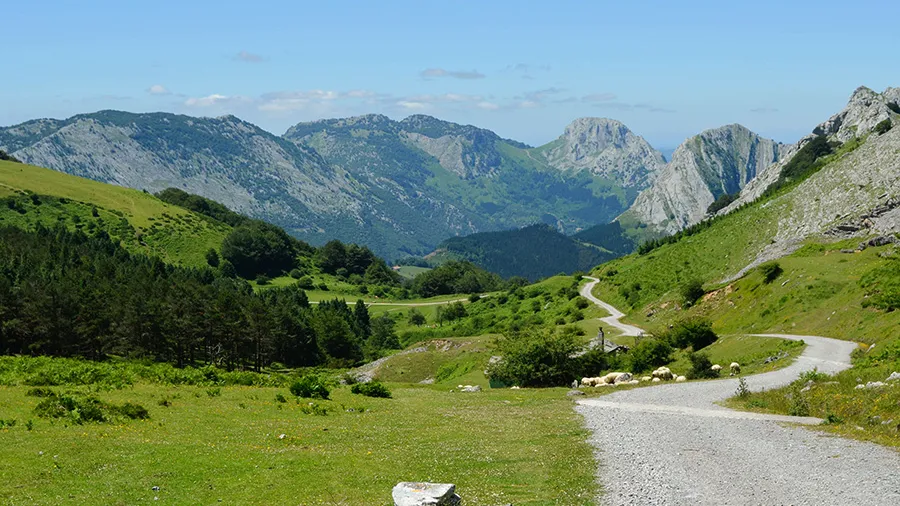
Aia, the inland municipality, provides the district's rural dimension: working farmsteads (baserriak), artisan Idiazabal cheese dairies and access to the Pagoeta Natural Park, where 130 hectares of Atlantic woodland with beech and oak allow low-difficulty walks with coastal views from the higher elevations. The combination of beach, cliff, geological heritage, fishing gastronomy and winemaking within a 20 km radius makes Urola Kosta a district where each municipality adds a distinct layer of experience without requiring long journeys.
Practical information

Everything you need to know for your visit to Urola Kosta Region

How to get there
From Donostia-San Sebastián, the AP-8 motorway reaches Zarautz in 25 minutes (25 km). Euskotren trains connect Donostia with Zarautz, Zumaia and Deba every 30 minutes. The nearest airport is Donostia-San Sebastián (40 min by car). From Bilbao, AP-8 to Zumaia (75 km, 50 min).
Area Information
Five municipalities: Zarautz (23,000 pop., widest tourist offering), Zumaia (10,000 pop., Geopark), Getaria (2,800 pop., port and txakoli), Orio (6,000 pop., beach) and Aia (2,000 pop., farmsteads). 25 km from Donostia. Good train links.
Geography
Coastal strip between flysch cliffs (Zumaia–Deba), sandy beaches (Zarautz, Orio) and inland hills. The Urola and Oria rivers reach the sea here. Monte San Antón as coastal landmark. Inland up to ~600 m (Pagoeta).
Flora & Fauna
Atlantic beech and oak woodland in Pagoeta Park (130 ha). Farmland of meadows and farmsteads. Flysch cliffs with seabird communities (gulls, cormorants). Seabeds with brown algae and intertidal fauna on the Zumaia platform. Txakoli vineyards on the coastal hillside.

Things to do

Find the best plans and things to do in Urola Kosta Region

20

Accommodations

Best accommodation options in Urola Kosta Region

Loading accommodation options...

Frequently Asked Questions

Get answers about Urola Kosta Region

The flysch can be seen freely from the San Telmo hermitage above Itzurun beach and by descending to the intertidal platform when tides allow. For a fuller experience, the Algorri centre offers guided tours explaining the geological context, including the K/Pg boundary marking the dinosaur extinction. Checking tide tables is essential: the rock platform is only accessible at low tide.
Yes. Zarautz has several surf schools offering lessons for all levels with equipment included (board and wetsuit). The 2,500-metre beach has gentler wave zones suitable for beginners. Surfing runs year-round, but summer offers the friendliest conditions for newcomers. Professional competitions are concentrated in autumn.
Wineries under the DO Getariako Txakolina offer visits by prior appointment, covering the vineyard, the production process and a tasting. Direct purchase at the winery is available. In Getaria's port restaurants txakoli is the standard accompaniment to charcoal-grilled fish. The harvest takes place in September.
It is a roughly 4 km seaside walk connecting both towns, running between Monte San Antón and the txakoli vineyards that slope down to the sea. The route is easy and takes just over an hour on foot. Views combine the Cantabrian coastline with hillside vineyards. It is accessible year-round.
Charcoal-grilled sea bream and line-caught hake are the specialities at Getaria's port restaurants. Zarautz and Orio have high-quality pintxos in their old-town bars. Artisan dairies in Aia produce Idiazabal cheese with denomination of origin. Txakoli accompanies virtually all local cuisine. Seasonal anchovies (spring) and natural cider round out the gastronomic offering.